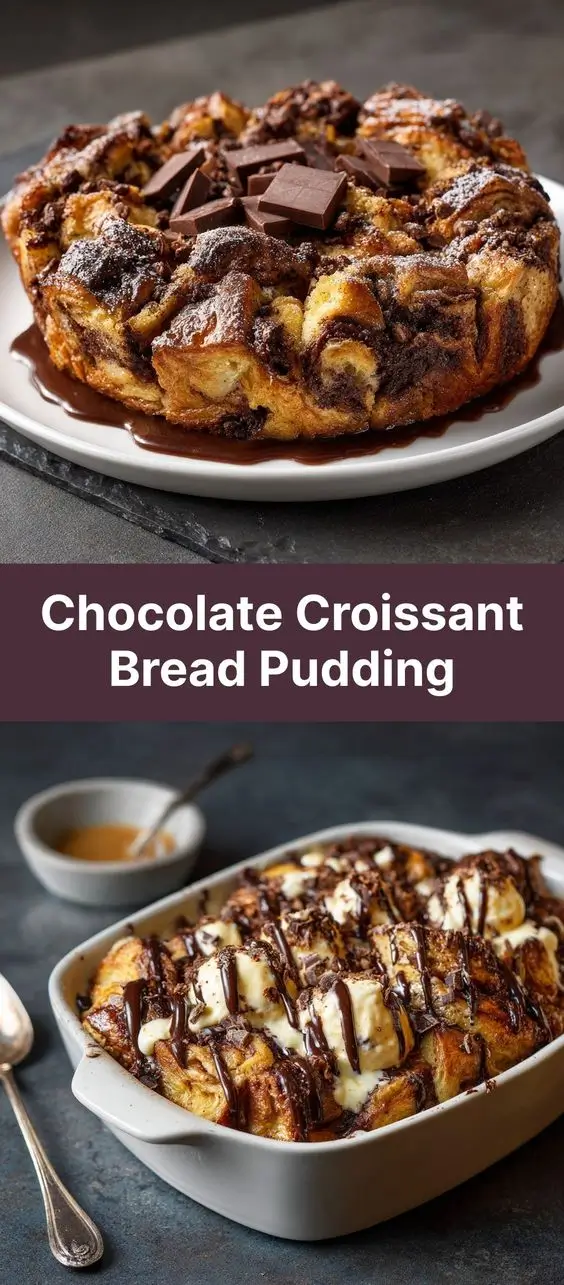
Chocolate Croissant Bread Pudding: A Decadent Twist on a Classic Comfort Dish
The History
Bread pudding, as a concept, dates back centuries and has roots in both European and Middle Eastern culinary traditions. Originally born out of necessity, it was a clever way for households to use up stale or leftover bread, transforming it into a satisfying, often sweet dish by soaking it in a custard mixture of milk, eggs, and sugar before baking. In medieval England, dishes like “poor knights” (known today as French toast) and similar baked custards were common among peasants and nobility alike.
Over time, bread pudding evolved across cultures — the Spanish have capirotada, the Portuguese serve sopas douradas, and the French perfected their own version with rich dairy and vanilla. In New Orleans, bread pudding became iconic with the addition of bourbon sauce and pralines, turning it into a luxurious dessert staple.
The modern twist using croissants began gaining popularity in the late 20th century as bakers and home cooks experimented with richer breads. Croissants, with their buttery, flaky layers and airy crumb, proved to be an ideal base for bread pudding, absorbing custard while maintaining a delicate texture. When chocolate croissants entered the scene — first as a bakery favorite in France and later a global sensation — it was only natural that someone would combine them with the classic bread pudding format. The result? Chocolate Croissant Bread Pudding: a sumptuous fusion of French pastry elegance and Anglo-American comfort food tradition that now graces brunch tables, holiday menus, and gourmet dessert menus worldwide.
Ingredients Breakdown
Creating the perfect Chocolate Croissant Bread Pudding requires attention to ingredient quality and balance. Each component plays a vital role in achieving a rich, creamy texture with deep chocolate notes and a satisfying mouthfeel. Here’s a detailed look at what goes into this indulgent dessert:
- Stale Chocolate Croissants (8–10 medium, ~600g): The star of the dish. Using slightly dried-out croissants helps them absorb the custard without becoming mushy. Chocolate croissants add pockets of melted chocolate throughout, enhancing flavor and texture. If unavailable, plain croissants with chopped dark chocolate can be substituted.
- Whole Milk (3 cups / 720ml): Provides creaminess and helps carry flavors. Whole milk is preferred for its fat content, which contributes to a silkier custard. Alternatives like half-and-half or heavy cream can be used for extra richness.
- Heavy Cream (1 cup / 240ml): Adds luxurious body and enhances the custard’s velvety texture. Can be partially replaced with more milk if a lighter version is desired.
- Granulated Sugar (3/4 cup / 150g): Sweetens the custard and balances the bitterness of dark chocolate. Adjust based on croissant sweetness and personal preference.
- Large Eggs (4): Bind the custard and provide structure. They help the mixture set during baking while contributing to a soft, cake-like interior.
- Egg Yolks (2): Extra yolks increase richness and create a denser, more custardy texture. Omit if you prefer a lighter result.
- Pure Vanilla Extract (2 teaspoons): Enhances overall flavor complexity. Use real vanilla extract or fresh scraped seeds from a vanilla bean for best results.
- Unsalted Butter (2 tablespoons, softened): For greasing the baking dish to prevent sticking and add subtle richness.
- Salt (1/4 teaspoon): Balances sweetness and brings out the chocolate flavor.
- Dark Chocolate Chunks or Chips (optional, 1/2 cup): For additional melty pockets of chocolate. Use high-quality chocolate with 60–70% cocoa solids.
- Espresso Powder (1/2 teaspoon, optional): Deepens chocolate flavor without making the dish taste like coffee.
- Ground Cinnamon (1/4 teaspoon, optional): Adds warmth and complements the chocolate notes.
Step-by-Step Recipe
- Preheat Oven & Prepare Baking Dish: Preheat your oven to 350°F (175°C). Generously butter a 9×13-inch (23×33 cm) glass or ceramic baking dish to prevent sticking and add richness to the crust.
- Prepare the Croissants: Tear the chocolate croissants into large chunks (about 2-inch pieces). Spread them evenly in the prepared dish. If using plain croissants, sprinkle chopped chocolate or chocolate chips between the layers. Gently press down to create an even layer.
- Warm the Dairy Mixture: In a medium saucepan over low heat, combine the whole milk, heavy cream, and half of the sugar. Heat just until warm (do not boil), stirring occasionally. Remove from heat once steam begins to rise and small bubbles form around the edges.
- Infuse Flavor: Stir in the vanilla extract, espresso powder (if using), cinnamon (if using), and salt. Set aside to steep for 5 minutes to deepen flavor infusion.
- Whisk Eggs: In a large mixing bowl, whisk together the eggs, egg yolks, and remaining sugar until smooth, pale yellow, and slightly frothy — about 2–3 minutes. Avoid over-whisking to prevent air bubbles.
- Temper the Eggs: Slowly drizzle the warm milk mixture into the egg mixture while whisking constantly. This prevents the eggs from scrambling when baked. Once fully combined, you’ll have a smooth, homogenous custard.
- Pour Over Croissants: Strain the custard through a fine-mesh sieve into the baking dish over the croissant pieces. This removes any potential egg bits or impurities and ensures a silky texture. Gently press the croissants down with a spatula to submerge them completely in the liquid.
- Soak Time: Let the dish sit undisturbed for 30–45 minutes at room temperature. This allows the croissants to fully absorb the custard. Flip the top pieces halfway through for even saturation.
- Bake Until Puffed and Golden: Place the dish in the center of the preheated oven. Bake for 45–55 minutes, or until the center is just set (a knife inserted should come out clean), the top is golden brown, and the edges are slightly puffed and bubbling.
- Cool Slightly: Remove from oven and let rest for 15–20 minutes before serving. This allows the custard to settle and makes slicing or scooping easier.
- Serve Warm: Optionally dust with powdered sugar, drizzle with chocolate sauce, or top with whipped cream or vanilla ice cream.
Tips
- Use Stale Croissants: Fresh croissants will disintegrate. Ideally, leave them uncovered overnight or toast lightly in a 300°F oven for 10 minutes to dry them out gently.
- Don’t Skip the Soak: Allowing enough time for absorption ensures every bite is moist and flavorful. Rushing this step leads to a soggy bottom and dry top.
- Straining the Custard: While it may seem fussy, straining guarantees a smooth, restaurant-quality texture free of lumps or cooked egg flecks.
- Check Doneness Carefully: Overbaking dries out the pudding. The center should jiggle slightly when shaken but not be liquidy.
- Rotate the Pan: Halfway through baking, rotate the dish for even browning, especially if your oven has hot spots.
- Butter the Pan Well: Croissants are rich and sticky — proper greasing prevents frustrating breakage when serving.
- Add Layers of Flavor: Infuse the milk with orange zest, nutmeg, or a cinnamon stick while heating for aromatic depth.
- Cool Before Reheating: Leftovers reheat beautifully, but cool completely before refrigerating to avoid condensation and sogginess.
Variations and Customizations
One of the joys of Chocolate Croissant Bread Pudding is its versatility. Whether you’re catering to dietary needs, seasonal ingredients, or adventurous palates, here are some inspired variations:
- Boozy Version: Add 1/4 cup of Grand Marnier, Kahlúa, rum, or bourbon to the warm milk mixture. You can also brush the baked pudding with a liqueur syrup after cooling.
- Fruity Twist: Fold in fresh raspberries, sliced bananas, or caramelized apples before baking. Berries pair beautifully with chocolate; apples add autumn flair.
- Nutty Crunch: Sprinkle chopped toasted pecans, walnuts, or hazelnuts on top before baking for added texture and flavor contrast.
- White Chocolate & Raspberry: Use white chocolate croissants or mix in white chocolate chips and fresh raspberries for a sweeter, fruitier profile.
- Savory-Sweet Option: Reduce sugar to 1/4 cup, omit vanilla, and add Gruyère cheese and ham for a brunch-friendly quiche-style take.
- Dairy-Free: Substitute coconut milk and canned coconut cream for dairy. Use flax eggs (1 tbsp ground flax + 3 tbsp water per egg) instead of real eggs.
- Gluten-Free: Use gluten-free brioche or challah-style bread with chocolate swirls. Ensure all ingredients are certified GF.
- Mini Individual Puddings: Bake in ramekins for elegant single servings. Reduce baking time to 25–35 minutes.
- Mocha Delight: Dissolve 1 tablespoon instant espresso or strong brewed coffee into the warm milk for a café-style mocha flavor.
- Caramel Swirl: Drizzle dulce de leche or salted caramel sauce between the croissant layers before pouring custard.
Health Considerations and Nutritional Value
While undeniably indulgent, understanding the nutritional makeup of Chocolate Croissant Bread Pudding can help you enjoy it mindfully. A typical serving (1/8 of a 9×13 pan) contains approximately:
| Nutrient | Amount per Serving |
|---|---|
| Calories | ~420–480 kcal |
| Total Fat | 25–30g |
| Saturated Fat | 14–17g |
| Cholesterol | 180–220mg |
| Carbohydrates | 40–48g |
| Sugars | 20–25g |
| Protein | 8–10g |
| Sodium | 200–300mg |
Health Notes:
- High in Saturated Fat: Due to butter-rich croissants and heavy cream, this dish is not heart-healthy in large portions. Those monitoring cholesterol should consume sparingly.
- Rich in Calories: Best enjoyed as an occasional treat rather than a daily dessert.
- Low in Fiber: Refined flour and lack of whole grains mean minimal fiber. Pair with a side of fresh berries to boost nutrition.
- Calcium Source: The dairy content provides a moderate amount of calcium (~15% DV per serving).
- Allergens: Contains eggs, dairy, wheat, and gluten. Not suitable for those with these allergies unless modified.
- Diabetic-Friendly Modifications: Use sugar substitutes like erythritol or monk fruit, reduce sugar to 1/4 cup, and opt for dark chocolate (70%+ cocoa) to lower glycemic impact.
Ingredients
- 8–10 stale chocolate croissants, torn into chunks
- 3 cups whole milk
- 1 cup heavy cream
- 3/4 cup granulated sugar, divided
- 4 large eggs
- 2 large egg yolks
- 2 teaspoons pure vanilla extract
- 1/4 teaspoon salt
- 2 tablespoons unsalted butter, softened (for greasing)
- 1/2 teaspoon espresso powder (optional)
- 1/4 teaspoon ground cinnamon (optional)
- 1/2 cup dark chocolate chunks (optional, for extra richness)
Directions
- Preheat oven to 350°F (175°C). Generously butter a 9×13-inch baking dish.
- Arrange torn chocolate croissant pieces evenly in the dish. Sprinkle with extra chocolate chunks if using.
- In a saucepan, heat milk, heavy cream, and half the sugar over low heat until warm (not boiling). Remove from heat.
- Stir in vanilla, espresso powder, cinnamon, and salt. Let steep 5 minutes.
- In a bowl, whisk eggs, egg yolks, remaining sugar, and salt until smooth and pale.
- Gradually pour warm milk mixture into eggs, whisking constantly to temper.
- Strain custard into the baking dish over croissants. Press down gently to submerge.
- Let soak 30–45 minutes, pressing halfway through.
- Bake 45–55 minutes, until center is set and top is golden.
- Cool 15–20 minutes before serving.
- Serve warm with powdered sugar, whipped cream, ice cream, or chocolate sauce.
FAQ
Can I make Chocolate Croissant Bread Pudding ahead of time?
Yes! Assemble the dish (without baking) up to 24 hours in advance. Cover and refrigerate after soaking. Bring to room temperature 30 minutes before baking, then bake as directed — may need 5–10 extra minutes.
Can I freeze leftovers?
Yes, though texture may soften slightly upon thawing. Wrap individual portions tightly in plastic and foil. Freeze for up to 2 months. Thaw in fridge overnight and reheat in oven at 325°F for 15–20 minutes.
Why is my bread pudding runny?
Likely causes: insufficient baking time, too much liquid, or not enough eggs. Always ensure the center jiggles slightly but isn’t watery. Let it rest after baking — it continues to set.
Can I use fresh croissants?
Yes, but they’ll absorb less custard and may turn mushy. Lightly toast them first at 300°F for 10–15 minutes to dry them out slightly.
What can I substitute for chocolate croissants?
Plain croissants with 1 cup chocolate chips, brioche with cocoa powder and chocolate, or even chocolate babka work well.
Can I make it vegan?
Yes! Use plant-based croissants (check for dairy-free), full-fat coconut milk, flax eggs (4 flax eggs + 2 extra yolks), and maple syrup instead of sugar. Results will be slightly different but still delicious.
How long do leftovers last?
Store covered in the refrigerator for up to 4 days. Reheat in oven or microwave until warmed through.
Can I add alcohol?
Absolutely! Add 1/4 cup rum, bourbon, or Grand Marnier to the custard. Or brush the baked pudding with a boozy syrup for extra decadence.
Summary
Chocolate Croissant Bread Pudding transforms leftover pastries into a luxuriously rich, custard-soaked dessert with melty chocolate in every bite. Perfect for brunch, holidays, or impressing guests, it’s comfort food elevated to gourmet status.