Introduction
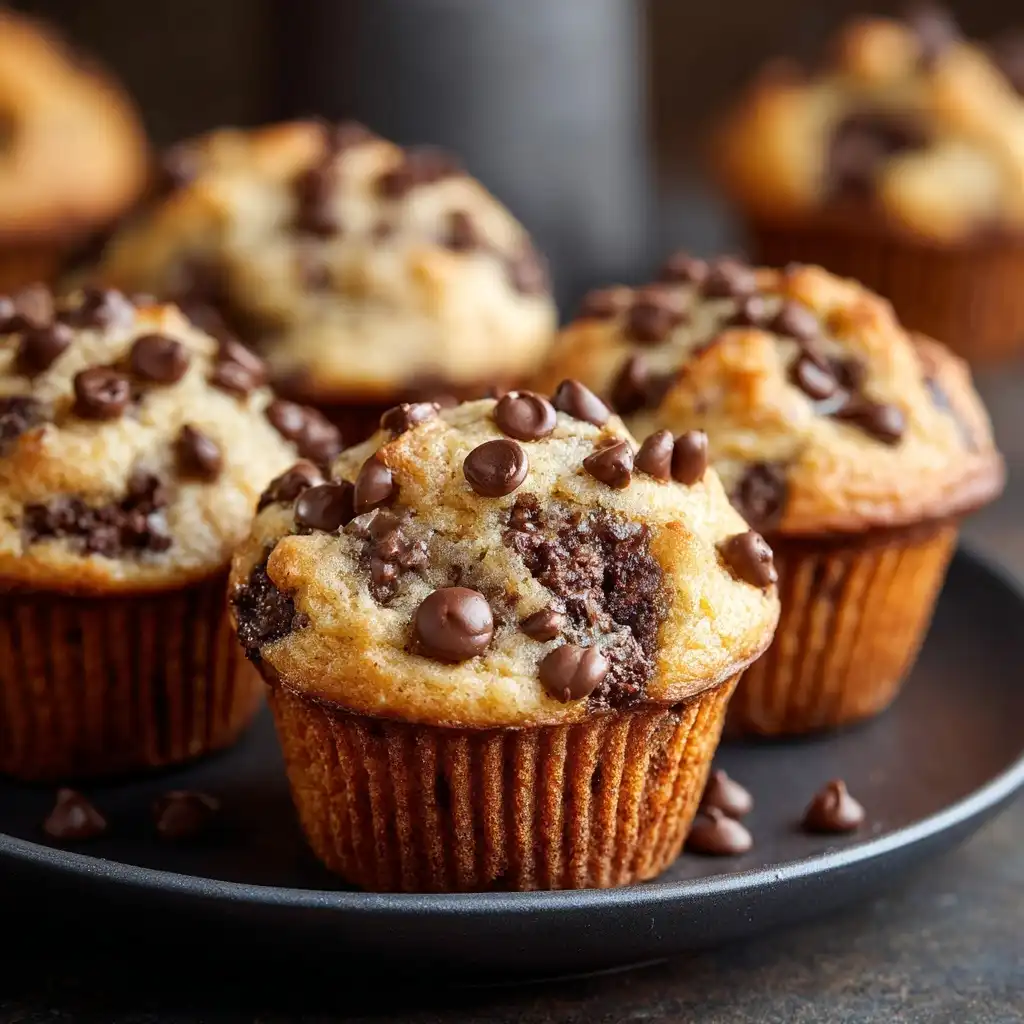
Welcome to the ultimate indulgence—Chocolate Chip Cookie Dough Muffins! These aren’t your average breakfast treats. Imagine the warm, tender crumb of a classic bakery-style muffin, studded generously with soft, edible cookie dough chunks that melt luxuriously in every bite—no baking required for the dough itself. Swirled with rich semi-sweet chocolate chips and finished with a golden-brown crown and subtle sugar sparkle, these muffins bridge the joyful nostalgia of childhood cookies with the comforting familiarity of morning muffins. Whether you’re craving dessert for breakfast, seeking a crowd-pleasing bake for brunch, or simply want to treat yourself (or your loved ones) to something irresistibly fun and decadent, this recipe delivers on flavor, texture, and sheer delight—without compromising on structure or moisture.
The History
Chocolate Chip Cookie Dough Muffins are a relatively modern culinary hybrid born from two iconic American staples: the chocolate chip cookie (invented by Ruth Wakefield in 1938 at the Toll House Inn) and the English muffin’s distant cousin—the American-style baked muffin, which rose to prominence in the early 20th century with the advent of commercial baking powder. While traditional muffins have long been a vehicle for fruit, nuts, or spices, the late 2010s saw an explosion of “dessert-forward” muffin innovations across food blogs, social media, and gourmet bakeries—driven by consumer demand for playful, Instagram-worthy, and emotionally resonant treats. The concept of embedding raw (but safe-to-eat) cookie dough into baked goods gained traction after FDA-approved heat-treated flour and pasteurized eggs became widely available to home bakers. Brands like Pillsbury and Nestlé capitalized on this trend with pre-made edible dough products, further normalizing the idea. Chocolate Chip Cookie Dough Muffins thus represent more than just a recipe—they’re a cultural artifact of comfort-food evolution: where nostalgia meets food science, and where “baking the dough” is no longer necessary—because the magic happens *around* it.
Ingredients Breakdown
Every exceptional muffin starts with intention—and understanding *why* each ingredient matters elevates your results from good to extraordinary. Let’s unpack them:
- All-Purpose Flour: The structural backbone. Its moderate gluten content provides lift without toughness. For best results, spoon-and-level (don’t scoop!) to avoid excess density.
- Granulated Sugar: Not just for sweetness—it aids in browning, tenderness, and moisture retention via hygroscopic properties. A portion also contributes to the delicate crackly top.
- Brown Sugar (light or dark): Adds molasses depth, chewiness, and moisture. Dark brown sugar intensifies caramel notes; light offers subtler warmth.
- Baking Powder & Baking Soda: A dual-leavening system. Baking powder handles most of the lift, while baking soda neutralizes acidity (from brown sugar and yogurt) and encourages browning and spread control.
- Salt: Critical for flavor balance—it doesn’t make the muffins taste “salty,” but rather amplifies sweetness and rounds out bitterness from chocolate.
- Eggs (large, room temperature): Provide emulsification, structure, richness, and leavening assistance. Room temp ensures even incorporation and prevents curdling.
- Full-Fat Sour Cream or Plain Greek Yogurt: The secret weapon for ultra-moist, tender, slightly tangy crumb. Fat and acidity tenderize gluten while adding luxurious mouthfeel—low-fat versions risk dryness.
- Unsalted Butter (melted & cooled): Adds unparalleled richness and flavor. Melted (not hot) ensures even distribution without cooking the eggs. Clarified butter can be used for enhanced nuttiness.
- Vanilla Extract (pure, not imitation): Deepens aroma and harmonizes all sweet elements. For an elevated twist, add ¼ tsp almond extract alongside vanilla.
- Milk (whole or 2%): Adjusts batter viscosity and contributes lactose for gentle browning. Buttermilk may be substituted for added tang and tenderness (reduce other acids accordingly).
- Chocolate Chips (semi-sweet or bittersweet, 55–65% cacao): Use high-quality chips or chopped chocolate bars with stable temper. Mini chips distribute more evenly; standard chips create generous melty pockets.
- Edible Cookie Dough (homemade or store-bought): Must be *heat-treated flour* and *pasteurized eggs* (or egg-free). Contains brown sugar, butter, vanilla, salt, and often a touch of milk or cream for pliability. Avoid raw flour/eggs for safety.
Optional but recommended: coarse turbinado sugar for topping—adds crunch, shimmer, and a subtle molasses accent.
Step-by-Step Recipe
- Prep Work (20 minutes): Preheat oven to 425°F (220°C). Line a standard 12-cup muffin tin with parchment paper liners (or grease thoroughly with butter + flour)—this prevents sticking, especially crucial for dough-filled muffins. Heat-treat flour for cookie dough if making from scratch (see Tips). Bring eggs, sour cream, and milk to room temperature (~30 min on counter).
- Make the Edible Cookie Dough (if homemade — 15 min): In a medium bowl, beat ½ cup (1 stick) softened unsalted butter with ⅓ cup granulated + ⅓ cup brown sugar until creamy. Stir in 1 tsp pure vanilla and ¼ tsp fine sea salt. Whisk together 1 cup heat-treated all-purpose flour and 2 tbsp milk or heavy cream; gradually fold into butter mixture until shaggy, then knead gently 3–4 times until cohesive. Fold in ½ cup mini chocolate chips. Chill dough for at least 30 minutes (up to 3 days). Roll into ½-inch balls (makes ~24); freeze solid (1 hour) for easier handling during assembly.
- Whisk Dry Ingredients (3 min): In a large bowl, whisk together 2 cups all-purpose flour, 1 tsp baking powder, ½ tsp baking soda, and ¾ tsp fine sea salt. Ensure no lumps remain—sift if needed.
- Cream Wet Ingredients (4 min): In a separate bowl, whisk 2 large eggs until frothy. Add ¾ cup granulated sugar, ½ cup packed light brown sugar, 1 tsp pure vanilla, and whisk vigorously for 1 minute until pale and slightly thickened. Slowly whisk in ½ cup melted & cooled unsalted butter, followed by ½ cup full-fat sour cream and ¼ cup whole milk. Mix until fully homogenous—no streaks of fat or dairy.
- Combine Batter (2 min): Pour wet ingredients into dry. Use a flexible silicone spatula to fold *just until no dry streaks remain*—about 12–15 strokes. Do NOT overmix; lumps are welcome. Overmixing develops gluten → tough, tunnelled muffins.
- Fold in Chocolate Chips (1 min): Gently fold in 1 cup semi-sweet chocolate chips (standard or mini) until evenly dispersed.
- Portion & Embed Dough (5 min): Divide batter evenly among 12 lined muffin cups—fill each ~¾ full (≈¼ cup per cup). Place 2 frozen cookie dough balls atop each mound of batter. Gently press each pair halfway down—do not submerge completely. This ensures dough stays centered and doesn’t sink or burn.
- Top & Bake (25–28 minutes): Sprinkle each muffin generously with turbinado sugar. Place tin on center rack. Bake at 425°F for 5 minutes—this initial blast creates rapid oven spring and sets the crown. *Without opening oven*, reduce heat to 375°F (190°C) and continue baking 20–23 minutes, until tops are deep golden, edges are set, and a toothpick inserted *between* dough pieces (not into them) comes out with moist crumbs—not wet batter. Total time: 25–28 minutes.
- Cool Strategically (15+ minutes): Let muffins cool in pan for 8 minutes—this allows steam to escape and structure to stabilize. Then transfer to a wire rack. Wait *at least 7 more minutes* before biting—this lets internal heat redistribute, preventing dough from oozing and ensuring ideal texture contrast: crisp top, tender crumb, soft-yet-cohesive dough centers.
Tips
- Flour Safety First: Never use raw flour in edible dough. To heat-treat: Spread 1 cup flour on a microwave-safe plate. Microwave on high in 30-second intervals, stirring between, until it reaches 165°F (use instant thermometer) — usually 1–1.5 minutes total. Cool completely before using.
- Freeze Dough Balls: Rolling and freezing cookie dough portions ahead prevents smearing when embedding and eliminates dough “bleeding” into batter during baking.
- Don’t Skip the Temperature Shift: The 425°F → 375°F method is non-negotiable. It yields a lofty, domed top with a delicate, crackled crust—unachievable with steady low-temp baking.
- Measure Flour Accurately: Too much flour = dense muffins. Use the spoon-and-level method: fluff flour in bag, spoon into measuring cup, level with straight edge. Never pack or scoop directly.
- Room-Temp Dairy & Eggs: Cold ingredients cause batter to seize or separate, leading to uneven texture and poor rise. Plan ahead!
- Undermix Relentlessly: Stirring beyond “no dry streaks” triggers gluten development. If unsure, stop early—you can always fold once more *very gently*.
- Check Doneness Correctly: Insert toothpick in muffin crumb *beside* dough chunks—not through them. Dough will remain soft (that’s the point!), so testing there gives false “underbaked” readings.
- Storage Wisdom: Best enjoyed same-day. Store cooled muffins in an airtight container at room temp up to 2 days. Reheat 10 seconds in microwave for “fresh-baked” warmth. Do NOT refrigerate—dries them out. Freeze unfrosted muffins up to 3 months; thaw at room temp, then warm 15 sec.
- Liner Hack: For ultra-easy removal and perfect shape, use *double liners*—two parchment cups per well. Prevents tearing when pulling off sticky dough residue.
- Oven Thermometer Essential: Most home ovens run hot or cold. An inexpensive oven thermometer ensures precise temp control—critical for consistent rise and color.
Variations and Customizations
These muffins are a canvas—deliciously adaptable for dietary needs, seasonal whims, or creative cravings:
- Gluten-Free: Substitute 1:1 gluten-free all-purpose flour blend (with xanthan gum included, e.g., Bob’s Red Mill or King Arthur). Add ½ tsp xanthan gum if blend lacks it. Increase milk by 1 tbsp for hydration. Use GF-certified heat-treated flour for dough.
- Vegan: Replace eggs with 2 flax eggs (2 tbsp ground flax + 6 tbsp water, rested 10 min); use vegan butter and dairy-free sour cream (e.g., coconut or cashew-based); choose plant-based milk and egg-free edible dough (made with almond milk + cornstarch slurry instead of eggs). Ensure chocolate chips are vegan.
- Protein-Powered: Add 2 scoops (⅔ cup) unflavored or vanilla whey or plant protein powder to dry ingredients. Increase milk by 2–3 tbsp to compensate. Reduce baking time by 1–2 minutes—protein dries faster.
- Double Chocolate: Replace ¼ cup flour with unsweetened cocoa powder (Dutch-process preferred). Add ¼ cup extra chocolate chips—and consider folding in 2 tbsp espresso powder for depth.
- Snickerdoodle Style: Omit chocolate chips. Make dough with 1 tbsp cinnamon + 2 tbsp sugar swirled in. Top muffins with cinnamon-sugar before baking.
- Peanut Butter Swirl: After portioning batter, dollop 1 tsp natural peanut butter (no added sugar/oil) onto each cup, then swirl gently with a toothpick before adding dough balls.
- Seasonal Fruit Infusion: Fold in ¾ cup fresh or frozen (unthawed) blueberries or diced apples (tossed in 1 tsp flour) along with chips—adds juicy contrast.
- Mini Muffin Version: Fill 24-cup mini muffin tin ⅔ full. Bake at 425°F for 3 min, then 375°F for 9–11 min. Perfect for parties or portion control—yield: ~48 mini muffins.
- Gourmet Upgrade: Use Valrhona feves, Guittard Amande, or Callebaut 64% chocolate. Infuse butter with lavender or orange zest before melting. Add flaky Maldon salt to dough or as finishing touch.
- Kid-Friendly Fun: Press rainbow sprinkles into tops before baking—or let kids decorate cooled muffins with drizzled melted chocolate and crushed candy.
Health Considerations and Nutritional Value
Let’s address this honestly: Chocolate Chip Cookie Dough Muffins are a celebratory, indulgent treat—not a health food. That said, mindful preparation *can* enhance nutritional integrity without sacrificing joy:
- Calorie Context: One standard muffin (approx. 130g) contains ~380–420 calories—comparable to a slice of premium banana bread or two small chocolate chip cookies. Portion awareness matters, especially given their dense energy profile.
- Sugar Transparency: Total sugar ranges from 22–28g per muffin—primarily from added sugars (brown/granulated sugar + chocolate). Natural sugars from dairy are minimal. To reduce: decrease granulated sugar by 2 tbsp (not more—compromises texture), or use coconut sugar (same volume, lower glycemic impact, but adds molasses flavor).
- Fat Profile: ~18g fat/muffin, with ~10g saturated (mainly from butter, chocolate, sour cream). Using half butter/half avocado oil reduces saturated fat by ~30% and adds monounsaturated fats. Greek yogurt substitution for part of sour cream boosts protein and lowers fat.
- Fiber & Protein Boost: Standard version offers ~2g fiber and ~5g protein. Enhance with: 2 tbsp ground flax or chia seeds (+2g fiber, 1.5g protein), ¼ cup oat bran (+3g fiber), or whey protein (as noted in Variations).
- Dietary Restrictions: Naturally nut-free (unless added), but check labels on chocolate chips and dough for cross-contamination warnings. Soy-free options exist (ensure butter, chocolate, and dough contain no soy lecithin or derivatives).
- Food Safety Reminder: Edible cookie dough *must* use heat-treated flour and pasteurized eggs (or be egg-free). Raw flour carries risk of E. coli; unpasteurized eggs risk salmonella. Always verify product labels or follow validated heat-treatment methods.
- Mindful Enjoyment: Pair with Greek yogurt, berries, or a handful of almonds to balance macros and slow sugar absorption. Savor slowly—these muffins reward attention to texture, aroma, and layered sweetness.
Ingredients
For the Muffins:
- 2 cups (250g) all-purpose flour, spooned & leveled
- 1 teaspoon baking powder
- ½ teaspoon baking soda
- ¾ teaspoon fine sea salt
- 2 large eggs, room temperature
- ¾ cup (150g) granulated sugar
- ½ cup (100g) lightly packed light brown sugar
- 1 teaspoon pure vanilla extract
- ½ cup (1 stick / 113g) unsalted butter, melted and cooled to lukewarm
- ½ cup (120g) full-fat sour cream or plain Greek yogurt
- ¼ cup (60ml) whole milk, room temperature
- 1 cup (175g) semi-sweet chocolate chips (mini or regular)
- 24 frozen ½-inch edible cookie dough balls (see below)
- 2 tablespoons turbinado or coarse sugar, for topping
For the Edible Cookie Dough (yields ~24 balls):
- ½ cup (1 stick / 113g) unsalted butter, softened
- ⅓ cup (65g) granulated sugar
- ⅓ cup (75g) lightly packed light brown sugar
- 1 teaspoon pure vanilla extract
- ¼ teaspoon fine sea salt
- 1 cup (120g) heat-treated all-purpose flour (see Tips)
- 2 tablespoons whole milk or heavy cream
- ½ cup (85g) mini semi-sweet chocolate chips
Directions
- Preheat oven to 425°F (220°C). Line a 12-cup standard muffin tin with parchment liners or grease thoroughly.
- Prepare edible cookie dough: In a medium bowl, beat softened butter, granulated sugar, brown sugar, vanilla, and salt with a hand mixer or spatula until smooth and creamy (~2 min). In a small bowl, whisk heat-treated flour and milk/cream until a shaggy dough forms. Gradually fold into butter mixture. Knead gently 3–4 times until cohesive. Fold in mini chocolate chips. Chill 30 min, then roll into 24 (½-inch) balls. Freeze solid (≥1 hour).
- In a large bowl, whisk together flour, baking powder, baking soda, and salt.
- In another bowl, whisk eggs until frothy. Whisk in granulated sugar, brown sugar, and vanilla for 1 minute until pale. Whisk in melted butter, sour cream, and milk until fully combined and smooth.
- Pour wet ingredients into dry. Using a silicone spatula, fold *just until no dry flour remains* (12–15 strokes). Do not overmix.
- Gently fold in 1 cup chocolate chips.
- Divide batter evenly among 12 muffin cups (≈¼ cup each), filling ~¾ full. Place 2 frozen dough balls atop each. Gently press halfway in.
- Sprinkle each muffin generously with turbinado sugar.
- Bake at 425°F for 5 minutes. Without opening oven, reduce temperature to 375°F and bake 20–23 more minutes, until deeply golden, puffed, and toothpick inserted *between* dough pieces shows moist crumbs.
- Cool in pan 8 minutes. Transfer to wire rack. Cool at least 7 more minutes before serving.
FAQ
- Can I make these muffins ahead?
- Absolutely! Bake fully, cool completely, and freeze in a single layer on a tray before transferring to an airtight freezer bag (up to 3 months). Thaw overnight at room temperature or reheat from frozen: 350°F for 12–15 min. Unbaked batter (with dough balls) keeps refrigerated 24 hours—cover tightly.
- Why did my dough sink or disappear?
- Most common causes: dough balls weren’t frozen solid (they melted into batter), batter was overmixed (too fluid), or oven temperature dropped too fast during the shift. Ensure dough is rock-hard frozen and batter is thick enough to hold shape.
- Can I use store-bought edible cookie dough?
- Yes—but check weight. You’ll need ~200g (7 oz) total. Roll into balls and freeze per instructions. Avoid brands with excessive gums or stabilizers—they may weep or harden unpredictably.
- My muffins are dry/tough. What went wrong?
- Overmixing is #1 culprit. Also: using cold ingredients, overbaking, inaccurate flour measurement (too much), or substituting low-fat dairy. Always use full-fat sour cream/yogurt and real butter.
- Can I bake without the temperature change?
- You can—but you’ll lose height, dome, and crackly top. Expect flatter, denser muffins with less visual appeal and compromised texture.
- Are these safe for pregnant people or immunocompromised individuals?
- Yes—if edible dough uses certified heat-treated flour and pasteurized eggs (or is egg-free). Double-check all packaged ingredients for safety certifications. When in doubt, omit dough and add extra chips + brown sugar swirl.
- How do I prevent sticking to liners?
- Use high-quality parchment liners (not thin paper). Grease the *top rim* of each liner lightly with butter before filling. Or use the double-liner trick described in Tips.
- Can I add nuts or dried fruit?
- Yes! Fold in ½ cup toasted walnuts, pecans, or dried cranberries (tossed in 1 tsp flour) along with chocolate chips. Avoid overly moist fruits like raisins unless plumped first in hot water.
- Why use sour cream instead of oil or buttermilk?
- Sour cream provides optimal fat-to-acid ratio for tenderness, moisture, and subtle tang—oil lacks structure; buttermilk lacks richness. Greek yogurt is the closest substitute.
- Can I make jumbo muffins?
- Yes! Use a 6-cup jumbo tin. Fill ¾ full (~⅓ cup batter + 3 dough balls). Bake 425°F for 6 min, then 375°F for 28–32 min. Rotate pan halfway through.
Summary
Chocolate Chip Cookie Dough Muffins are a masterclass in joyful baking—melding nostalgic cookie flavors with bakery-perfect muffin texture, crowned by melty, edible dough centers and a crackly, sugared top. With meticulous technique, smart substitutions, and safety-conscious prep, they transform any ordinary day into a celebration of comfort, creativity, and delicious contradiction.
Whether you’re a novice seeking foolproof decadence or a seasoned baker chasing that elusive balance of chew, crumb, and surprise—these muffins deliver, one golden, chocolate-studded, dough-filled bite at a time.