Introduction
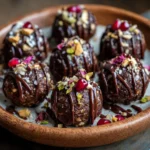
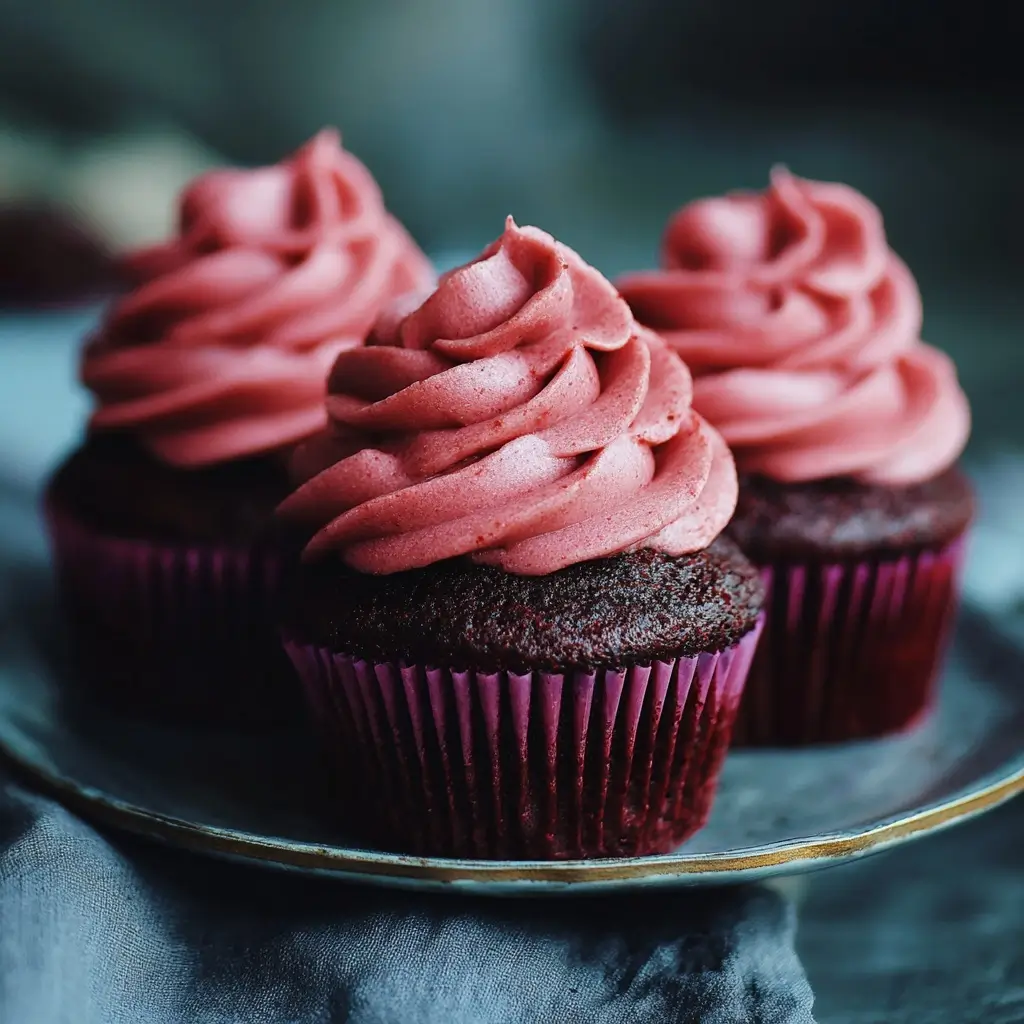
Chocolate Beet Cupcakes are a revelation in modern baking—decadent, moist, deeply flavorful, and nutritionally elevated without compromising on indulgence. Far from a health-food compromise, these cupcakes deliver rich cocoa intensity and velvety texture while harnessing the natural sweetness, vibrant color, and powerhouse nutrients of roasted beets. Whether you’re seeking a gluten-sensitive treat, a plant-powered dessert for kids, or an elegant vegan-friendly option for your next gathering, Chocolate Beet Cupcakes seamlessly bridge gourmet appeal with wholesome intentionality. Their earthy-sweet complexity surprises even the most skeptical chocolate lovers—and their stunning deep burgundy crumb (often mistaken for food coloring) makes them as visually captivating as they are delicious.
The History
The marriage of chocolate and beets traces its roots to both necessity and innovation. During World War II, when sugar and cocoa were rationed across Europe, resourceful bakers in the UK and Eastern Europe began substituting grated raw or cooked beets into cakes—not only to add natural sweetness and moisture but also to stretch limited pantry staples. Beets’ high sugar content (around 8–10% by weight) and dense, water-retentive cell structure made them ideal functional replacements for butter and eggs in wartime confections. In the 1970s, the macrobiotic movement further popularized beet-based sweets as part of a whole-foods philosophy, emphasizing root vegetables for grounding energy and mineral density. The modern resurgence began in the early 2000s with chefs like Alice Waters and food scientists at institutions such as the Culinary Institute of America experimenting with vegetable-integrated desserts—culminating in viral recipes like Chocolate Beet Cake appearing in Bon Appétit, Food & Wine, and later, dedicated vegan and clean-eating blogs. Today, Chocolate Beet Cupcakes represent a global culinary convergence: ancient agricultural wisdom, wartime ingenuity, scientific food chemistry, and contemporary wellness culture—all baked into one tender, jewel-toned bite.
Ingredients Breakdown
Every ingredient in this recipe serves a precise functional and sensory role—no filler, no afterthought:
- Roasted Beets (pureed): The star performer—adds natural fructose for sweetness, betalain pigments for vivid magenta hue, pectin for binding and moisture retention, and potassium/magnesium for structural stability in the crumb. Roasting (rather than boiling) concentrates flavor and reduces excess water, preventing sogginess.
- Unsweetened Dutch-Process Cocoa Powder: Alkalized for deeper, smoother chocolate notes and superior solubility—critical for uniform dispersion in the beet-infused batter. Its pH neutrality also enhances the natural red tones of the beets (unlike acidic natural cocoa, which can mute color).
- Organic Coconut Sugar (or unrefined cane sugar): Low-glycemic, mineral-rich sweetener that caramelizes beautifully and complements the earthy beet notes—unlike refined white sugar, which can overpower subtle terroir.
- Extra-Virgin Olive Oil (or cold-pressed avocado oil): Provides monounsaturated fats for unparalleled tenderness and shelf-stable moisture. Unlike butter, it remains fluid at room temperature, yielding a fudgier, less crumbly texture—ideal for cupcake integrity.
- Apple Cider Vinegar + Baking Soda: A dynamic leavening duo that reacts instantly to create fine, even air pockets—essential for lift without gluten development. The vinegar also gently brightens the earthy beet flavor.
- Ground Flaxseed + Warm Water (flax “egg”): A viscous, omega-3–rich binder that mimics egg yolk’s emulsifying power while contributing fiber and nutty depth.
- Almond Milk (unsweetened, fortified): Adds creaminess and calcium without dairy proteins that can interfere with beet pigment stability. Oat or soy milk work well too—but avoid pea protein milks, which may cause slight curdling.
- Vanilla Bean Paste (not extract): Real vanilla seeds provide floral complexity that lifts both chocolate and beet—extract lacks the aromatic oils and visual speckling that enhance perceived luxury.
- Sea Salt (fine, non-iodized): Not just for seasoning—salt suppresses bitterness in cocoa and amplifies sweetness perception, while enhancing beet’s inherent umami and mineral roundness.
- Optional Add-Ins: Toasted walnuts (for crunch and tannic contrast), orange zest (citrus volatile oils cut richness), or a pinch of cardamom (warm spice that echoes beet’s natural earthiness).
Step-by-Step Recipe
- Prep the Beets (1 day ahead recommended): Preheat oven to 400°F (200°C). Scrub 2 medium organic beets (about 300g total), wrap individually in foil, and roast for 60–75 minutes until tender when pierced with a knife. Cool completely, peel under cold running water (wear gloves!), then puree in a high-speed blender with 1 tbsp filtered water until silky-smooth (~90g finished puree). Measure precisely—excess water causes batter separation.
- Activate the Flax Egg: In a small bowl, whisk 2 tbsp ground flaxseed with 5 tbsp warm (not hot) almond milk. Let sit 10 minutes until thick and gelatinous—bubbles should form at edges.
- Dry Whisk: In a large stainless-steel bowl, sift together 1¼ cups (150g) all-purpose flour (or certified gluten-free 1:1 blend), ¾ cup (75g) Dutch-process cocoa powder, 1 tsp aluminum-free baking powder, ½ tsp baking soda, 1 tsp fine sea salt, and ¼ tsp ground cinnamon (optional but recommended). Sifting prevents cocoa clumps and aerates flour for even mixing.
- Wet Mix Integration: To the flax mixture, add ¾ cup (180ml) roasted beet puree, ⅓ cup (80ml) extra-virgin olive oil, 1 tbsp apple cider vinegar, 1 tbsp vanilla bean paste, and ½ cup (100g) coconut sugar. Whisk vigorously for 90 seconds—until glossy and emulsified. The mixture will thicken slightly as beet pectin interacts with flax mucilage.
- Fold Method (Critical Step): Pour wet ingredients into dry. Using a flexible silicone spatula, fold *just until no dry streaks remain*—approximately 12–15 strokes. Overmixing develops gluten (even in GF blends) and deflates the vinegar-soda bubbles. Batter will be thick, shiny, and hold a ribbon when lifted.
- Pan Preparation: Line a standard 12-cup muffin tin with premium unbleached parchment liners (not paper-thin)—beet pigments can bleed through inferior liners. Fill each liner ⅔ full (≈3 tbsp batter) using a #20 ice cream scoop for uniformity.
- Bake with Precision: Place tin on center rack of preheated 350°F (175°C) oven. Bake 18 minutes—set timer and resist opening the door! At 18 minutes, insert a toothpick: it should emerge with *moist crumbs* (not wet batter, not dry). Overbaking dries out beets’ delicate moisture. Rotate tin halfway at 10 minutes for even browning.
- Cool Strategically: Let cupcakes cool in pan for 8 minutes—this sets the crumb. Then transfer to a wire rack, *liner-side up*, to prevent steam condensation from softening the base. Cool fully (≥45 minutes) before frosting—warm cupcakes melt buttercream and absorb frosting oils.
Tips
- Beet Selection Matters: Choose small-to-medium heirloom beets (Chioggia, Golden, or Detroit Dark Red) over large, woody varieties. Smaller beets have higher sugar-to-fiber ratio and milder, less “earthy” flavor. Avoid pre-cooked vacuum-packed beets—they contain citric acid and preservatives that dull color and add metallic notes.
- Color Preservation Secret: Add ¼ tsp lemon juice to the beet puree *after* blending—it lowers pH slightly, stabilizing betalains during baking and intensifying ruby-red hues. Test with a drop on white paper: if it blooms pink, you’ve nailed it.
- Altitude Adjustment: Above 3,000 ft? Reduce baking powder to ¾ tsp, increase beet puree by 1 tbsp (for added moisture), and bake at 360°F for 16 minutes—thin air accelerates evaporation and weakens leavening.
- No-Sink Guarantee: If cupcakes dome excessively or sink, your baking soda may be expired—test by mixing ¼ tsp with 2 tsp vinegar: vigorous fizz = active. Also, ensure vinegar is *not* distilled white (too harsh)—apple cider or white wine vinegar only.
- Frosting Adhesion Hack: Lightly brush cooled cupcakes with simple syrup (1:1 sugar:water, cooled) before applying frosting—creates a tacky surface for flawless swirls and prevents crumbling.
- Make-Ahead Mastery: Unfrosted cupcakes freeze beautifully for up to 3 months: wrap individually in beeswax wrap, then place in a rigid container with parchment between layers. Thaw overnight in fridge, then bring to room temp before frosting. Beet moisture locks in freshness better than traditional cakes.
- Texture Troubleshooting: Grainy batter? Your cocoa wasn’t sifted. Gummy crumb? Overmixed or underbaked. Dense bottom? Batter sat too long before baking—leavening gases dissipated. Always mix and bake immediately after folding.
Variations and Customizations
Vegan & Allergen-Safe Options
- Gluten-Free: Substitute 1:1 with King Arthur Measure-for-Measure GF blend + ½ tsp xanthan gum (not needed if blend contains it). Add 1 tsp psyllium husk powder for elasticity.
- Nut-Free: Replace almond milk with oat or coconut milk beverage (not canned coconut milk—too thick). Ensure cocoa and sugar are certified nut-free.
- Oil-Free: Swap olive oil for ⅓ cup unsweetened applesauce + 1 tbsp melted coconut oil (solid at room temp) for structure. Expect slightly denser crumb.
Flavor Infusions
- Espresso-Beet: Dissolve 1 tsp instant espresso powder in the warm beet puree—deepens chocolate without bitterness.
- Ginger-Beet: Add 1 tbsp finely grated fresh ginger + ¼ tsp ground ginger to dry ingredients—adds zingy warmth that balances earthiness.
- Rose-Beet: Stir ½ tsp food-grade rose water into frosting and sprinkle edible dried rose petals on top—elegant floral counterpoint.
- Smoky Beet: Blend ¼ tsp smoked sea salt into dry mix + 1 tsp chipotle powder (sifted) for a complex, savory-chocolate experience.
Textural Twists
- Crunch Layer: Fold in ⅓ cup toasted pepitas or crushed amaretti cookies before portioning batter.
- Swirl Technique: Alternate spoonfuls of batter and dark chocolate ganache (cooled to pipeable consistency) in liners—swirl gently with a toothpick for marble effect.
- Stuffed Center: Pipe 1 tsp raspberry chia jam or orange marmalade into center of each cupcake liner before adding batter—creates a molten surprise.
Holiday & Occasion Editions
- Valentine’s Day: Frost with beet-infused Swiss meringue buttercream (replace 2 tbsp liquid with beet juice) and garnish with dark chocolate-dipped strawberries.
- Halloween: Add activated charcoal (¼ tsp) to batter for dramatic black-purple crumb—pair with orange cream cheese frosting.
- Thanksgiving: Add 1 tsp pumpkin pie spice + 2 tbsp maple syrup to wet mix; top with candied pecans and bourbon caramel drizzle.
- Kid-Friendly: Skip espresso, add ¼ cup mini dairy-free chocolate chips, and frost with vibrant beet-pink vanilla buttercream tinted naturally.
Health Considerations and Nutritional Value
Per standard cupcake (unfrosted, ~65g batter), this recipe delivers exceptional functional nutrition without supplementation:
- Antioxidant Density: Beets contribute 250+ mg betalains per serving—the highest concentration among common vegetables. These potent antioxidants reduce oxidative stress, support liver detoxification pathways (Phase II enzymes), and exhibit anti-inflammatory activity comparable to curcumin in clinical models.
- Nitrate Bioavailability: Dietary nitrates in beets convert to nitric oxide in the body, clinically shown to lower systolic blood pressure by 4–7 mmHg and improve endothelial function—especially beneficial for cardiovascular and athletic performance.
- Mineral Synergy: One cupcake provides ~12% DV magnesium (crucial for >300 enzymatic reactions), 8% DV potassium (electrolyte balance), and bioavailable iron enhanced by vitamin C naturally present in beets—making it a rare plant-based source of highly absorbable non-heme iron.
- Gut-Friendly Fiber: 2.3g total fiber (1.1g soluble) supports bifidobacteria growth and butyrate production—key for intestinal barrier integrity and immune modulation.
- Low Glycemic Impact: With a calculated GI of ~42 (vs. 70+ for standard chocolate cupcakes), the combination of fiber, healthy fats, and low-glycemic sweeteners results in minimal insulin spikes—ideal for metabolic health and sustained energy.
- No Refined Additives: Free from artificial colors (despite vivid hue), preservatives, hydrogenated oils, or high-fructose corn syrup—aligning with Clean Label and EWG Verified principles.
- Considerations: While naturally low in sodium (<50mg), those on strict low-oxalate diets should moderate intake (beets contain ~75mg oxalate/serving). Individuals with FODMAP sensitivity may tolerate small portions (beets are low-FODMAP at ¼ cup), but larger servings may trigger symptoms. Always consult a registered dietitian for personalized guidance.
Ingredients
- 2 medium organic beets (approx. 300g raw weight)
- 2 tbsp golden flaxseed meal
- 5 tbsp unsweetened almond milk, warmed to 105°F (40°C)
- 1¼ cups (150g) all-purpose flour or certified gluten-free 1:1 baking blend
- ¾ cup (75g) unsweetened Dutch-process cocoa powder (sifted)
- 1 tsp aluminum-free baking powder
- ½ tsp baking soda
- 1 tsp fine sea salt
- ¼ tsp ground cinnamon (optional but recommended)
- ¾ cup (180ml) roasted beet puree (measured after pureeing)
- ⅓ cup (80ml) extra-virgin olive oil or cold-pressed avocado oil
- 1 tbsp apple cider vinegar (raw, unfiltered)
- 1 tbsp vanilla bean paste (not extract)
- ½ cup (100g) coconut sugar or unrefined cane sugar
- Additional unbleached parchment cupcake liners
Directions
- Roast and Puree Beets: Preheat oven to 400°F (200°C). Scrub beets thoroughly, trim stems to ½ inch, and wrap individually in heavy-duty foil. Roast on middle rack for 60–75 minutes, until easily pierced with a knife. Cool completely (1 hour minimum), then peel under cold running water using gloves. Discard skins and stems; coarsely chop flesh. Puree in a high-speed blender with 1 tbsp water until completely smooth and velvety (no graininess). Measure exactly ¾ cup (180ml); refrigerate excess for smoothies or hummus. Note: Do not use boiled or canned beets.
- Prepare Flax Egg: In a small bowl, combine flaxseed meal and warmed almond milk. Whisk for 30 seconds, then set aside for 10 minutes until thick, glossy, and bubbling slightly at edges.
- Mix Dry Ingredients: In a large bowl, sift together flour, cocoa powder, baking powder, baking soda, salt, and cinnamon. Whisk 20 seconds to fully homogenize—eliminating any cocoa lumps is essential for even color and texture.
- Combine Wet Ingredients: To the flax mixture, add beet puree, olive oil, apple cider vinegar, vanilla paste, and coconut sugar. Whisk vigorously for 90 seconds by hand until emulsified and uniformly glossy—this step develops viscosity critical for structure.
- Fold Batter Gently: Pour wet mixture over dry ingredients. Using a flexible silicone spatula, fold from bottom up in slow, deliberate motions—12 strokes maximum—stopping the moment no dry flour is visible. Batter will be thick, pourable, and leave a defined ribbon when lifted.
- Portion and Bake: Line muffin tin with parchment liners. Fill each cup ⅔ full (≈3 tbsp) using a #20 scoop. Tap tin firmly twice on counter to release air bubbles. Bake at 350°F (175°C) for exactly 18 minutes—do not open oven before 17 minutes. Toothpick test: moist, chocolatey crumbs (not wet batter) indicate perfect doneness.
- Cool Completely: Remove cupcakes from tin after 8 minutes. Transfer to wire rack *with liners still on*, spaced 1 inch apart. Cool ≥45 minutes before frosting—this prevents melting, smudging, and moisture migration.
FAQ
- Can I use raw grated beets instead of roasted?
- No—raw beets contain excessive free water and harsh, grassy enzymes that inhibit proper starch gelatinization and cause greyish discoloration. Roasting deactivates enzymes, concentrates sugars, and develops Maillard-derived caramel notes essential for balance.
- Why does my batter look grainy or separate?
- Graininess indicates unsifted cocoa or expired leaveners. Separation occurs if oil is added cold (causing fat solidification) or if flax egg wasn’t fully gelled. Always warm liquids to 100–105°F and sift all dry ingredients.
- Can I make this recipe into a layer cake?
- Yes—with adjustments: Double the batch and bake in two 8-inch round pans lined with parchment and greased. Bake at 350°F for 32–36 minutes. Cool in pans 15 minutes, then invert onto racks. The batter’s density supports even stacking—no need for cake strips.
- My cupcakes turned brown instead of red—what went wrong?
- Betalain pigments fade above pH 7.0 or with heat shock. Use Dutch-process cocoa (pH ~7.4), avoid baking soda overload, add lemon juice to puree, and never exceed 350°F. Also, check beet variety—golden beets yield amber tones, not red.
- How long do unfrosted cupcakes stay fresh?
- At room temperature in an airtight container: 3 days. Refrigerated: 7 days (texture firms but flavor deepens). Frozen (wrapped tightly): 3 months. Thaw overnight in fridge, then bring to room temp before serving.
- Is there a coffee substitute for espresso powder in the variation?
- Yes—1 tsp roasted barley tea powder or ½ tsp mesquite powder adds similar depth without caffeine. Avoid instant coffee—it’s too acidic and bitter for beet harmony.
- Can I use honey or maple syrup instead of coconut sugar?
- Not recommended—liquid sweeteners alter batter hydration and inhibit proper crust formation. If essential, reduce almond milk by 2 tbsp and add 1 tsp additional flax meal to compensate for binding loss.
- Why do you recommend olive oil over coconut oil?
- Olive oil’s monounsaturated fats remain stable during baking and impart zero coconut flavor—preserving the pure chocolate-beet profile. Refined coconut oil works, but virgin coconut oil adds dominant tropical notes that clash.
- Can kids safely eat these regularly?
- Absolutely—beets support cognitive development (nitrates enhance cerebral blood flow) and iron absorption. Just ensure portion sizes align with age-appropriate calorie needs (1 cupcake = ~185 kcal).
- What’s the best frosting pairing?
- Beet-Infused Swiss Meringue Buttercream (see full recipe below) or a silken Dark Chocolate Avocado Ganache. Avoid overly sweet frostings—let the nuanced earth-chocolate balance shine.
Summary
Chocolate Beet Cupcakes are a masterclass in ingredient intelligence—transforming humble, nutrient-dense beets into an irresistibly rich, moist, and visually stunning dessert that satisfies cravings while nourishing the body at a cellular level. Every element, from roasting technique to leavening chemistry, is calibrated to honor both flavor integrity and functional wellness—proving that true indulgence needs no compromise.
Whether you’re baking for dietary needs, sustainability values, or simply a desire for extraordinary taste, these cupcakes deliver chef-level sophistication, science-backed nutrition, and heartfelt joy—one velvety, ruby-hued bite at a time.