Introduction
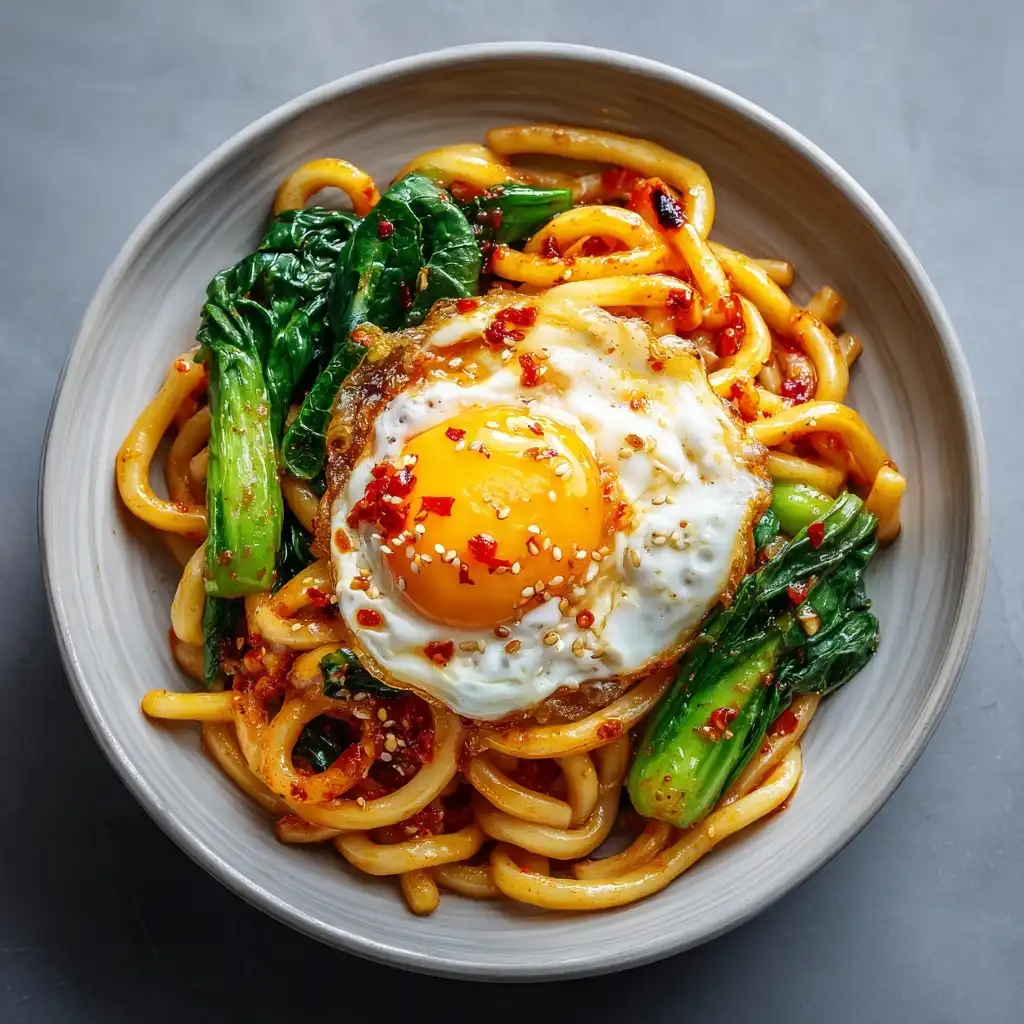
Chili Garlic Udon Noodles are a bold, soul-warming fusion dish that marries the comforting chew of Japanese udon with the fiery, aromatic depth of Southeast Asian chili-garlic condiments. This vibrant, restaurant-worthy bowl is more than just a quick weeknight dinner—it’s a celebration of texture, heat, umami, and balance. Whether you’re craving something spicy enough to awaken your senses or seeking a deeply satisfying, customizable noodle experience, Chili Garlic Udon delivers on every front: slippery noodles slicked in glossy, garlicky-sweet-chili oil, topped with crisp vegetables, tender protein, and fresh herbal brightness. It’s adaptable, pantry-friendly, and endlessly expressive—equally at home as a solo lunch, a crowd-pleasing dinner party centerpiece, or a meal-prep hero that reheats beautifully.
The History
While udon noodles trace their origins back over 1,200 years to Japan—where they evolved from early wheat-based pastas introduced via Chinese and Korean trade routes—the Chili Garlic Udon Noodle as we know it today is a modern culinary hybrid born from global flavor migration and home-cook ingenuity. The iconic chili-garlic sauce—often inspired by Thai nam prik pao, Vietnamese tương ớt, or Korean gochujang-infused blends—gained widespread popularity in Western kitchens through the rise of pan-Asian grocery stores, viral food blogs, and social media chefs who championed “spice-forward” comfort food. Chefs in Los Angeles, Toronto, and Melbourne began riffing on traditional udon soups and stir-fries in the early 2010s, swapping dashi broths for vibrant, oil-based sauces and adding fermented chilies, roasted garlic, and toasted sesame. By the mid-2010s, food publications like Bon Appétit and Serious Eats featured variations under names like “Spicy Miso-Garlic Udon” and “Sichuan-Chili Udon Bowls,” cementing its status as a global street-food-inspired staple. Today, Chili Garlic Udon exists at the intersection of tradition and innovation: honoring the integrity of handmade udon while fearlessly embracing bold, multicultural heat profiles—making it a true emblem of contemporary Asian fusion cuisine.
Ingredients Breakdown
Understanding each component empowers customization and elevates flavor authenticity:
- Udon Noodles: Thick, chewy, wheat-based Japanese noodles—available fresh (refrigerated), frozen, or dried. Fresh or semi-dried udon offers superior texture and absorbs sauce best; dried udon is convenient but requires careful cooking to avoid gumminess. Look for “Sanuki udon” or “Kake udon” varieties for optimal springiness.
- Chili-Garlic Sauce Base: A layered foundation built from multiple heat sources: a primary chili paste (e.g., sambal oelek for clean heat, gochujang for fermented sweetness and depth, or chili crisp for crunch and umami), fresh minced garlic (raw for sharpness, roasted for mellowness), ginger (grated for citrusy warmth), and aromatics like shallots or lemongrass for complexity.
- Umami Enhancers: Soy sauce (low-sodium tamari for gluten-free), dark soy for color and caramel notes, miso paste (white or red) for savory richness, fish sauce (for authentic Southeast Asian nuance), or vegetarian “fish” sauce alternatives. These deepen the sauce without overpowering.
- Sweetness & Acidity: Unrefined sweeteners like brown sugar, palm sugar, or maple syrup balance heat and round out flavor; rice vinegar, lime juice, or tamarind paste add bright acidity essential for cutting richness and lifting the entire profile.
- Oil Medium: Neutral high-smoke-point oils (peanut, grapeseed, avocado) for stir-frying; toasted sesame oil (added at the end) for nutty aroma; chili oil or infused garlic-chili oil for extra dimension and visual appeal.
- Proteins: Tofu (extra-firm, pressed and pan-seared or baked), tempeh, seitan, shredded rotisserie chicken, thinly sliced flank steak, shrimp, or ground pork—each requiring tailored marinades and cook times.
- Veggies & Textures: Cruciferous crunch (bok choy, napa cabbage, broccoli slaw), alliums (scallions, red onion, pickled shallots), mushrooms (shiitake, oyster, king trumpet), bean sprouts, snow peas, carrots (julienned or spiralized), and nori strips for oceanic salinity.
- Garnishes & Finishing Touches: Fresh cilantro, Thai basil, mint, lime wedges, crushed roasted peanuts or cashews, toasted sesame seeds, furikake, crispy fried shallots, nori flakes, and a final drizzle of chili oil or yuzu kosho for aromatic finish.
Step-by-Step Recipe
- Prep All Ingredients (Mise en Place): Slice proteins uniformly; julienne vegetables; mince garlic and ginger; whisk together sauce components (except sesame oil and lime juice); press and cube tofu if using; cook udon according to package instructions (al dente), then rinse under cold water and toss with 1 tsp neutral oil to prevent sticking. This step is non-negotiable for seamless execution.
- Toast Aromatics & Build Flavor Base: Heat 1 tbsp neutral oil in a wide wok or stainless steel skillet over medium-low heat. Add minced garlic, ginger, and optional shallots. Stir constantly for 60–90 seconds until fragrant but not browned—this unlocks volatile oils without bitterness.
- Bloom the Chili Paste: Push aromatics to the side; add chili paste (sambal, gochujang, etc.) to the center of the pan. Cook 1–2 minutes, stirring frequently, until oil begins to separate and deepen in color—this “blooming” intensifies flavor and reduces raw heat.
- Combine Sauce & Simmer: Whisk in soy sauces, sweetener, rice vinegar, and 2–3 tbsp water or broth. Bring to a gentle simmer, stirring to dissolve solids. Reduce heat to low and let thicken slightly (2–3 minutes). Taste and adjust: more acid? More heat? More umami? This is your flavor control point.
- Protein Sear (if applicable): Remove sauce temporarily. Increase heat to medium-high; add 1 tbsp oil. Sear protein in batches until golden and cooked through (chicken: 165°F internal; shrimp: opaque and curled; tofu: deeply caramelized). Return to pan or set aside.
- Wok-Hei Vegetable Sauté: In same hot pan, add hearty vegetables first (broccoli, carrots, shiitakes) and stir-fry 2–3 minutes until slightly tender-crisp. Add delicate greens (bok choy stems, snow peas) and cook 1 minute more. Avoid overcrowding—work in batches if needed.
- Noodle Integration: Reduce heat to medium. Add drained udon noodles and sauce. Using tongs or chopsticks, gently toss and fold—never stir vigorously—to evenly coat without breaking noodles. Cook 2–3 minutes, allowing noodles to absorb sauce and develop subtle wok-char. If too dry, splash in 1 tsp warm broth or water; if too wet, cook 30 seconds longer.
- Final Seasoning & Garnish: Remove from heat. Stir in lime juice, toasted sesame oil, and half the garnishes (scallions, herbs, nuts). Transfer to bowls immediately. Top with remaining garnishes, extra chili oil, and lime wedges. Serve steaming hot.
Tips
- Never Overcook Udon: Even 30 seconds past al dente turns chewy noodles gummy. Set a timer—and rinse immediately in cold water to halt cooking and remove surface starch.
- Control Heat with Layering: Use milder chili pastes (sambal) as base, then finish with hotter elements (fresh bird’s eye chilies, chili crisp, or Sichuan peppercorn oil) to tailor spice level per serving.
- Embrace “Cold-Start” Garlic: For intense, pungent garlic flavor, add minced raw garlic *after* the sauce has reduced and just before tossing with noodles—this preserves its bite without burning.
- Texture Is King: Combine at least three contrasting textures: soft (noodles), crunchy (peanuts, bean sprouts), and chewy (shiitakes, seaweed). Toasting nuts/seeds separately in a dry pan amplifies their impact.
- Sauce Consistency Matters: Ideal sauce coats the back of a spoon but remains fluid enough to glide—not pool or congeal. Thicken with a cornstarch slurry (1 tsp cornstarch + 1 tbsp water) if too thin; loosen with warm broth if too thick.
- Make-Ahead Mastery: Sauce keeps refrigerated for 10 days; cooked proteins and prepped veggies last 4 days; cooked udon (tossed in oil) stays fresh 2 days. Assemble bowls fresh—but everything else is ready to grab-and-go.
- Wok Not Required: A heavy-bottomed stainless skillet or cast-iron pan works beautifully. Key is high, even heat and constant motion—not equipment exclusivity.
- Taste, Then Taste Again: Adjust seasoning in stages: after blooming chili, after simmering sauce, after adding noodles, and finally off-heat. Your palate changes as temperature and fat content shift.
Variations and Customizations
This recipe thrives on personalization—here are 12 globally inspired riffs, each with distinct flavor logic and technique notes:
- Korean-Inspired Gochujang Udon: Swap sambal for 2 tbsp gochujang + 1 tsp gochugaru; add 1 tsp doenjang (fermented soybean paste); top with kimchi, pickled radish, and toasted sesame oil. Marinate beef in gochujang, soy, pear juice, and black pepper before searing.
- Thai Nam Prik Pao Udon: Use Thai chili jam (nam prik pao) as base; add kaffir lime leaves (bruised and simmered), lemongrass paste, and palm sugar; garnish with Thai basil, crushed peanuts, and lime leaf ribbons.
- Sichuan Dan Dan Udon: Infuse sauce with ½ tsp Sichuan peppercorns (toasted & ground); add 1 tsp doubanjiang (fermented broad bean paste); top with chili oil, preserved mustard greens, and minced Sichuan-style pork.
- Vegan Miso-Chili Udon: Replace fish sauce with coconut aminos; use white miso + toasted sesame oil + rice vinegar base; add rehydrated wood ear mushrooms and yuba (tofu skin) for meaty texture.
- Yuzu-Kosho Citrus Udon: Stir in 1 tsp yuzu-kosho (Japanese citrus-chili paste) at the end; finish with yuzu zest, micro shiso, and grilled maitake mushrooms.
- Smoky Chipotle Udon: Blend chipotle in adobo with garlic and smoked paprika; add a pinch of cumin and cocoa powder; top with charred corn, avocado, and crumbled cotija.
- Coconut-Curry Udon: Replace half the liquid with light coconut milk; add 1 tsp curry powder and ¼ tsp turmeric; garnish with mango, cilantro, and crispy shallots.
- Shio Koji Fermented Udon: Marinate tofu or chicken in shio koji (fermented rice malt) for 30+ minutes before cooking; use minimal soy—let koji’s natural umami shine.
- Okonomiyaki-Style Udon: Fold in shredded cabbage, tenkasu (tempura bits), and okonomi sauce; top with bonito flakes, nori, and Japanese mayo.
- Black Garlic Umami Bomb Udon: Substitute roasted black garlic purée for raw garlic; add dried shiitake soaking liquid and nutritional yeast for deep, complex savoriness.
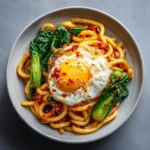
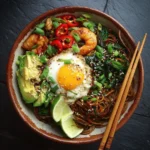
- Breakfast Udon Bowl: Top with jammy soft-boiled egg, nori, scallions, furikake, and a drizzle of chili oil—swap soy for tamari and add a pinch of white pepper.
- Dessert-Adjacent Udon (Yes, Really!): For a playful twist: use matcha-infused udon, black sesame sauce with maple and toasted sesame, and garnish with black sesame ice cream and candied ginger.
Health Considerations and Nutritional Value
A single well-balanced serving (approx. 550–650 calories) of Chili Garlic Udon Noodles can be a nutrient-dense, gut-supportive, anti-inflammatory meal—when prepared mindfully. Let’s break it down:
- Carbohydrates: Udon provides complex, slow-digesting carbs—especially when made from whole-grain or buckwheat-blend udon (higher in fiber and B vitamins). Opting for brown rice udon adds magnesium and antioxidants. Portion awareness matters: 2–2.5 oz (dry weight) per serving provides sustained energy without spiking blood sugar.
- Protein Power: With 20–30g protein per bowl (depending on topping), this dish supports muscle repair and satiety. Plant-based options like tofu and tempeh offer complete amino acid profiles plus isoflavones; lean animal proteins deliver heme iron and B12. Marinating in acidic liquids (vinegar, citrus) enhances mineral absorption.
- Functional Fats: Toasted sesame oil contains sesamin and sesamolin—lignans shown to support healthy cholesterol and liver detox pathways. Chili oils rich in capsaicin may boost metabolism and reduce inflammation. Limit added refined oils; prioritize cold-pressed, unrefined options.
- Phytonutrient Density: Garlic and ginger contain allicin and gingerols—potent anti-inflammatory, antimicrobial, and circulation-enhancing compounds. Chilies supply capsaicin and vitamin C; cruciferous veggies deliver sulforaphane; seaweed contributes iodine and fucoidan.
- Gut Health Synergy: Fermented ingredients (gochujang, miso, kimchi garnish) introduce beneficial microbes and postbiotic metabolites. Pairing with fiber-rich vegetables and resistant starch (from cooled, then reheated udon) feeds beneficial gut bacteria.
- Considerations & Swaps: For lower sodium: use low-sodium tamari, skip added salt, and rely on fermented seasonings for depth. For gluten-free: choose certified GF buckwheat or rice udon—and verify chili pastes/sauces are GF (many contain wheat). For low-FODMAP: omit garlic/onion (use garlic-infused oil only), limit high-FODMAP veggies (cabbage, mushrooms), and choose firm tofu over edamame.
- Balance Tip: Serve alongside a small side of miso soup or pickled daikon to aid digestion—or finish with a cup of barley tea (mugicha) to cool residual heat and support hydration.
Ingredients
Makes 4 generous servings
- 1 lb (450g) fresh or semi-dried udon noodles (or 12 oz dried)
- 3 tbsp neutral high-heat oil (peanut, grapeseed, or avocado), divided
- 6 cloves garlic, finely minced (3 raw, 3 roasted—optional for depth)
- 1 tbsp fresh ginger, grated
- ¼ cup sambal oelek (or 3 tbsp gochujang + 1 tsp rice vinegar)
- ¼ cup low-sodium tamari or soy sauce
- 2 tbsp dark soy sauce (for color and molasses notes)
- 2 tbsp brown sugar or coconut sugar
- 2 tbsp rice vinegar
- 1 tbsp lime juice (freshly squeezed)
- 1 tsp fish sauce (or coconut aminos for vegan)
- 2 tbsp water or unsalted vegetable broth
- 1 tbsp toasted sesame oil (added at end)
- 1½ cups shredded cooked chicken, pan-seared tofu, or tempeh (about 8 oz)
- 2 cups thinly sliced napa cabbage
- 1 cup julienned carrots
- 1 cup shiitake mushrooms, stemmed and sliced
- ½ cup bean sprouts
- ¼ cup sliced scallions (green and white parts)
- ⅓ cup roasted unsalted peanuts or cashews
- 2 tbsp toasted white sesame seeds
- ¼ cup fresh cilantro leaves
- 2 tbsp fresh Thai basil leaves
- Lime wedges, for serving
- Chili crisp or extra chili oil, for drizzling
Directions
- Bring a large pot of generously salted water to a rolling boil. Cook udon noodles according to package directions—usually 1–2 minutes for fresh, 8–10 for dried—until just tender with a slight chew. Drain immediately and rinse thoroughly under cold running water. Shake off excess water, return to pot, and toss with 1 tsp neutral oil. Set aside.
- In a small bowl, whisk together tamari, dark soy sauce, brown sugar, rice vinegar, lime juice, fish sauce, and water. Set sauce aside.
- Heat 1½ tbsp neutral oil in a 14-inch flat-bottomed wok or heavy stainless skillet over medium-low heat. Add minced garlic and grated ginger. Stir constantly for 60–75 seconds until fragrant and shimmering—but do not let brown.
- Add sambal oelek (or gochujang mixture) to the center of the pan. Cook, stirring continuously, for 1½–2 minutes until oil separates and deepens to brick-red. This blooms the chilies’ essential oils.
- Pour in the prepared sauce mixture. Increase heat to medium and bring to a gentle simmer. Stir well, scraping up any browned bits. Simmer uncovered for 2–3 minutes until slightly reduced and glossy. Taste and adjust: more lime for brightness, more sugar for balance, more sambal for heat.
- Increase heat to medium-high. Add remaining 1½ tbsp neutral oil. When shimmering, add chicken or tofu in a single layer. Sear undisturbed for 2 minutes, then flip and cook until golden and cooked through (chicken: 165°F internal temp; tofu: deeply caramelized on all sides). Remove from pan and set aside.
- In same hot pan, add napa cabbage, carrots, and shiitakes. Stir-fry 3–4 minutes until cabbage wilts slightly and mushrooms release moisture and begin to brown at edges. Add bean sprouts and cook 1 more minute until crisp-tender.
- Reduce heat to medium. Add drained udon noodles and reserved protein to the pan. Pour sauce over top. Using long chopsticks or tongs, gently lift and fold noodles into sauce—coating evenly without breaking. Cook 2–3 minutes, tossing frequently, until noodles are heated through and sauce clings silkily.
- Remove from heat. Stir in toasted sesame oil, half the scallions, half the cilantro, half the Thai basil, and half the peanuts. Gently toss once more.
- Divide among four deep bowls. Top each with remaining scallions, herbs, peanuts, sesame seeds, and a generous sprinkle of cilantro. Serve immediately with lime wedges, extra chili crisp, and a small dish of chili oil for those who crave extra fire.
FAQ
- Can I use spaghetti or ramen instead of udon?
- Yes—with caveats. Spaghetti lacks udon’s chew and sauce-adherence; cook al dente and rinse well. Ramen works better (especially fresh or dried alkaline ramen), but expect a thinner, springier bite. For closest texture, try thick soba or buckwheat udon blends.
- How do I store leftovers—and will the noodles get soggy?
- Store components separately in airtight containers: noodles (tossed in 1 tsp oil), sauce, protein, and veggies. Refrigerate up to 4 days. To reheat: warm sauce and protein in a pan, add noodles and stir-fry 2 minutes—avoid microwaving noodles alone, which steams them into mush.
- Is this dish naturally gluten-free?
- No—traditional udon is wheat-based, and many soy sauces and chili pastes contain wheat. Use certified gluten-free buckwheat udon or rice udon, tamari labeled GF, and verify all condiments (some sambals contain wheat starch).
- My sauce turned out too spicy—how can I fix it?
- Don’t panic! Stir in 1–2 tsp coconut milk, plain yogurt (dairy or coconut), or a spoonful of mashed avocado. A pinch of sugar and extra lime juice also rebalance heat. Next time, bloom milder chili first, then layer heat at the end.
- What’s the best chili paste to use for beginners?
- Sambal oelek—pure chilies, garlic, vinegar, salt—is clean, controllable, and widely available. Avoid “chili garlic sauce” brands with excessive sugar or preservatives. For deeper complexity later, graduate to gochujang or nam prik pao.
- Can I make this entirely oil-free?
- You can—but texture and flavor suffer. Replace stir-fry oil with ¼ cup low-sodium vegetable broth and use non-stick cookware. Skip toasted sesame oil (it’s irreplaceable for aroma) or use ½ tsp toasted sesame seed butter whisked into sauce at the end.
- Why do you rinse udon—and is it necessary for dried noodles?
- Rinsing removes surface starch that causes clumping and gumminess—critical for oil-based sauces. Yes, rinse *all* udon types—even dried—after cooking. Cold rinse also stops carryover cooking, preserving perfect chew.
- Can I freeze this dish?
- Not recommended. Noodles become brittle and waterlogged upon thawing; herbs wilt; sesame oil turns bitter. Freeze *only* the sauce (up to 3 months) and fresh components separately—then assemble fresh.
- What makes this different from regular spicy udon or dan dan noodles?
- Chili Garlic Udon emphasizes *garlic-forward* heat and *oil-based cling*, rather than broth-based (udon soup) or sesame-paste-heavy (dan dan) profiles. It’s intentionally minimalist in umami layers—letting chili, garlic, and texture shine—unlike dan dan’s complex Sichuan spice stack or udon soup’s layered dashi depth.
- Can kids eat this—and how do I tone it down?
- Absolutely—with smart adjustments: omit raw garlic, use mild gochujang or tomato-based chili paste, skip chili crisp, double the carrots and peanuts, and serve with cooling cucumber ribbons and plain yogurt on the side. Let them customize heat at the table.
Summary
Chili Garlic Udon Noodles are a dynamic, globally resonant dish where chewy Japanese udon becomes the perfect canvas for layered, aromatic heat—from bloomed chilies and slow-cooked garlic to bright lime and nutty sesame.
Infinitely adaptable, nutritionally robust, and restaurant-worthy yet approachable, it transforms pantry staples into a soul-satisfying, customizable bowl that honors tradition while boldly embracing the world’s most vibrant flavors.