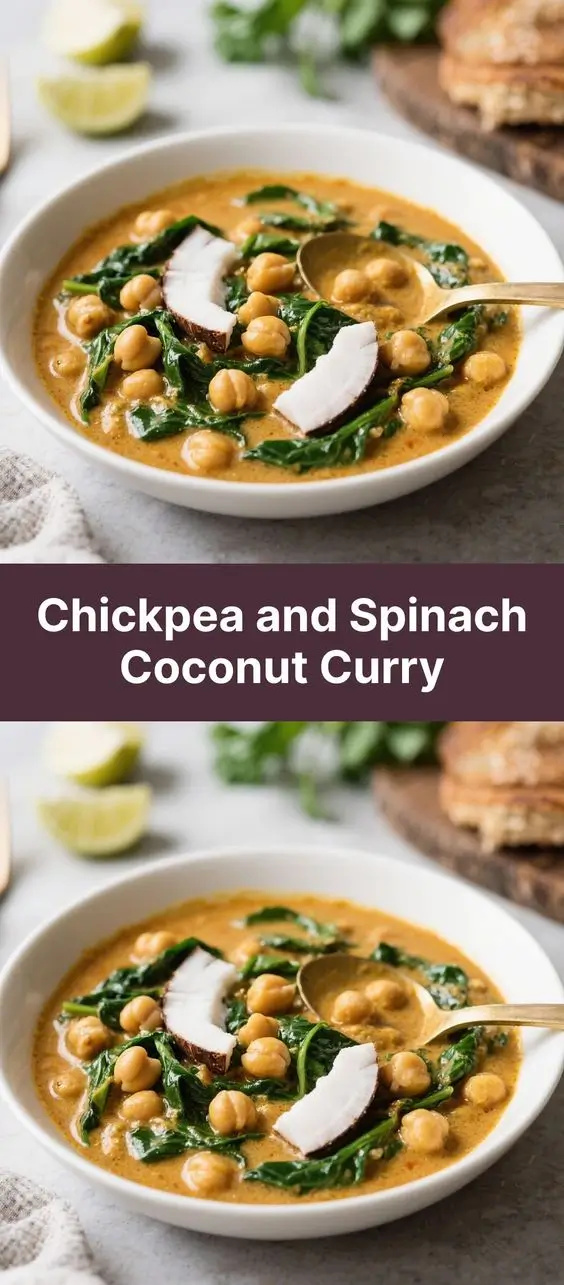
Chickpea and Spinach Coconut Curry: A Creamy, Flavorful Plant-Based Delight
The History
The roots of chickpea and spinach coconut curry can be traced back to the rich culinary traditions of South Asia, particularly India and Sri Lanka, where legumes, leafy greens, and coconut milk have been staples for centuries. Chickpeas, also known as garbanzo beans, have been cultivated in the Indian subcontinent since ancient times and are mentioned in Ayurvedic texts for their nourishing properties. Spinach, or palak, has long been valued for its nutritional density and versatility in curries, dals, and stir-fries.
Coconut, especially in coastal regions like Kerala, Goa, and Tamil Nadu, is a cornerstone ingredient that lends richness and creaminess to vegetarian dishes. The combination of chickpeas, spinach, and coconut milk likely evolved from traditional saag (leafy green) preparations and chana (chickpea) curries, with regional adaptations incorporating local spices and cooking techniques.
As global trade expanded, this flavor profile traveled across continents. In the Caribbean, particularly in Trinidad and Guyana, descendants of Indian indentured laborers adapted these recipes using available ingredients, resulting in variations like “channa and saag” with a tropical twist. Today, chickpea and spinach coconut curry has become a beloved dish among vegetarians and vegans worldwide, celebrated for its hearty texture, bold flavors, and health benefits. It represents a beautiful fusion of tradition, nutrition, and culinary innovation.
Ingredients Breakdown
Understanding each component of this dish helps elevate your cooking experience and allows for thoughtful substitutions based on dietary needs or availability. Here’s a detailed look at the key ingredients:
- Chickpeas (15 oz canned or 1.5 cups cooked): Packed with plant-based protein and fiber, chickpeas provide a meaty texture and mild nuttiness that absorbs the surrounding spices beautifully. Opt for low-sodium canned versions or cook dried chickpeas overnight for maximum control over texture and salt content.
- Fresh spinach (4–5 cups, packed): Rich in iron, vitamins A, C, and K, and antioxidants, fresh baby spinach wilts easily into the sauce, adding color, nutrients, and a slight earthiness. You can substitute frozen spinach (thawed and drained), but fresh offers superior texture and brightness.
- Coconut milk (1 can, 13.5–14 oz): Full-fat coconut milk delivers luxurious creaminess and a subtle sweetness that balances spicy and tangy notes. Light coconut milk can be used for a lower-calorie version, though it results in a thinner consistency.
- Onion (1 medium, diced): Yellow onions form the aromatic base, caramelizing slightly to add depth. Red or white onions work too, depending on preference.
- Garlic (3–4 cloves, minced): Essential for building flavor, garlic adds pungency and warmth when sautéed early in the cooking process.
- Fresh ginger (1 tbsp grated): Raw ginger brings zesty heat and complexity, enhancing digestion and complementing turmeric and cumin.
- Tomato (1 medium, chopped) or canned diced tomatoes (½ cup): Adds acidity and body to the sauce. Fresh tomatoes contribute juiciness; canned ones offer consistent flavor year-round.
- Curry powder (2 tsp): A blend typically containing turmeric, coriander, cumin, fenugreek, mustard, and chili. Choose high-quality, freshly ground blends for best results—homemade versions allow customization.
- Ground cumin (1 tsp): Earthy and warm, cumin enhances savory depth and pairs well with legumes.
- Ground turmeric (1 tsp): Provides golden color and anti-inflammatory benefits. Always pair with black pepper to increase curcumin absorption.
- Paprika or smoked paprika (1 tsp): Adds mild sweetness and smokiness. Smoked paprika deepens flavor complexity.
- Cayenne pepper (¼–½ tsp, optional): For heat lovers—adjust according to spice tolerance.
- Olive oil or coconut oil (2 tbsp): Used for sautéing aromatics. Coconut oil reinforces coconut flavor subtly.
- Vegetable broth (1 cup): Thins the curry to desired consistency while adding umami depth. Use low-sodium if monitoring salt intake.
- Lime juice (1–2 tbsp): Brightens the dish at the end, cutting through richness and balancing flavors.
- Salt and black pepper (to taste): Crucial for seasoning balance.
- Fresh cilantro (¼ cup chopped, for garnish): Adds herbal freshness and visual appeal.
- Optional additions: Bell peppers, carrots, sweet potatoes, cauliflower, or peas can be added for extra vegetables and texture.
Step-by-Step Recipe
- Prepare Ingredients: Drain and rinse chickpeas thoroughly. Wash and roughly chop spinach. Dice onion, mince garlic, grate ginger, and chop tomato. Measure out all spices and keep them near the stove.
- Sauté Aromatics: Heat oil in a large skillet or Dutch oven over medium heat. Add diced onion and cook for 4–5 minutes until translucent and beginning to brown. Stir occasionally to prevent burning.
- Add Garlic and Ginger: Stir in minced garlic and grated ginger. Cook for 1 minute until fragrant—be careful not to let garlic burn, as it turns bitter.
- Bloom the Spices: Reduce heat to low. Add curry powder, cumin, turmeric, paprika, and cayenne (if using). Stir constantly for 30–60 seconds to toast the spices, releasing their essential oils and intensifying flavor.
- Incorporate Tomato: Add chopped tomato (or canned diced tomatoes) and cook for 3–4 minutes, allowing it to break down and meld with the spice mixture, forming a thick paste-like base.
- Add Liquids: Pour in coconut milk and vegetable broth. Whisk gently to combine, scraping any bits from the bottom of the pan. Bring the mixture to a gentle simmer.
- Add Chickpeas: Stir in the rinsed chickpeas. Let the curry simmer uncovered for 10–15 minutes, stirring occasionally, to allow flavors to develop and the sauce to thicken slightly.
- Wilt in Spinach: Gradually add fresh spinach in batches, stirring until each addition is wilted before adding more. This ensures even distribution and prevents sogginess. Cook for 2–3 minutes total.
- Season and Finish: Remove from heat. Stir in lime juice, then season with salt and freshly ground black pepper to taste. Adjust curry powder or cayenne if needed. For extra richness, stir in a teaspoon of maple syrup or agave to balance acidity.
- Garnish and Serve: Sprinkle with fresh cilantro. Optionally, drizzle with a bit of extra coconut milk or top with toasted coconut flakes, sliced almonds, or a dollop of vegan yogurt.
Tips
- Toast Your Spices: Blooming spices in oil unlocks their full flavor potential. Never skip this step—it transforms flat-tasting curries into aromatic masterpieces.
- Use Full-Fat Coconut Milk: Shake the can well before opening, or refrigerate it overnight and skim the solid cream from the top for an ultra-rich sauce.
- Don’t Overcook Spinach: Add it at the very end to preserve its vibrant green color, texture, and nutrient content.
- Balancing Flavors: Taste before serving. If too spicy, add a splash of coconut milk or a pinch of sugar. If too bland, boost with more lime juice, salt, or spices.
- Make It Ahead: This curry tastes even better the next day as flavors continue to meld. Store in the fridge for up to 4 days or freeze for up to 3 months.
- Thicken the Sauce: If the curry is too thin after reheating, simmer gently for a few minutes to reduce. Alternatively, mash a few chickpeas against the side of the pot to naturally thicken the stew.
- Prevent Curdling: Coconut milk rarely curdles, but rapid temperature changes can cause separation. Avoid boiling vigorously—keep the heat moderate.
- Layered Seasoning: Season throughout the cooking process—not just at the end—for balanced, rounded flavor.
Variations and Customizations
This versatile recipe welcomes endless creativity. Try these delicious twists:
- Protein Boost: Add tofu, tempeh, lentils, or white beans for additional protein. Pan-sear tofu cubes before adding for crispier texture.
- Root Vegetables: Toss in diced sweet potatoes, carrots, or butternut squash during step 7 and extend simmer time by 10–15 minutes until tender.
- Green Varieties: Swap spinach with kale, Swiss chard, collard greens, or arugula. Heartier greens may require longer cooking times.
- Creamier Texture: Blend half the curry with an immersion blender or in a food processor, then mix back in for a velvety consistency.
- Thai-Inspired Version: Replace curry powder with red or green curry paste (1–2 tbsp), add lemongrass, kaffir lime leaves, and fish sauce (or soy sauce for vegan option).
- Indian Palak Chole Style: Use garam masala instead of curry powder and finish with a splash of cream or cashew cream for authenticity.
- Gluten-Free & Allergen-Friendly: Naturally gluten-free, dairy-free, and nut-free (unless using nut-based toppings). Ensure all packaged ingredients (like broth) are certified GF.
- Instant Pot Method: Sauté aromatics using the “Sauté” function. Add all ingredients except spinach and lime juice. Seal and cook on High Pressure for 5 minutes, then quick release. Stir in spinach and finish as directed.
- Slow Cooker Option: Combine everything except spinach and lime juice in the slow cooker. Cook on Low for 6–8 hours or High for 3–4 hours. Stir in spinach 15 minutes before serving.
- Spice Level Control: Omit cayenne for mildness, or add fresh chopped green chilies, serranos, or a dash of hot sauce for extra kick.
Health Considerations and Nutritional Value
Chickpea and spinach coconut curry isn’t just delicious—it’s a powerhouse of nutrition. Here’s a breakdown of its health benefits per serving (approx. 1.5 cups):
| Nutrient | Amount (Approx.) | Benefits |
|---|---|---|
| Calories | 320–380 | Energy-sustaining, especially when served with rice or quinoa. |
| Protein | 12–15g | Supports muscle repair and satiety; excellent plant-based source. |
| Dietary Fiber | 10–12g | Promotes digestive health, regulates blood sugar, supports gut microbiome. |
| Healthy Fats | 20–25g | Mainly saturated fats from coconut milk, which include medium-chain triglycerides (MCTs) linked to improved metabolism. |
| Iron | 6–8mg (~40% DV) | Spinach and chickpeas are rich in non-heme iron—pair with vitamin C (lime juice!) to enhance absorption. |
| Vitamin A | Over 100% DV | From spinach and beta-carotene in tomatoes and spices; vital for vision and immune function. |
| Vitamin C | 30–40mg | Boosts immunity and aids iron absorption; primarily from lime juice and fresh veggies. |
| Vitamin K | Over 200% DV | Essential for blood clotting and bone health—abundant in leafy greens. |
| Folate | ~100mcg | Important for cell division and DNA synthesis; crucial during pregnancy. |
| Phosphorus & Magnesium | Good sources | Support bone health, nerve function, and energy production. |
Considerations:
- Saturated Fat Content: Coconut milk contains saturated fat, so those managing cholesterol should consume in moderation. However, emerging research suggests that MCTs in coconut may have neutral or beneficial metabolic effects compared to animal-based saturated fats.
- Sodium Levels: Use low-sodium broth and canned chickpeas, and control added salt to maintain heart health.
- Anti-Nutrients: Chickpeas contain phytates and lectins, which can interfere with mineral absorption. Soaking, rinsing, and cooking significantly reduce these compounds.
- Weight Management: High in fiber and protein, this curry promotes fullness and reduces snacking. Portion size matters due to calorie density from coconut milk.
- Diabetes-Friendly: The fiber-protein-fat combo helps stabilize blood sugar. Pair with cauliflower rice instead of basmati for lower glycemic impact.
Ingredients
- 2 tablespoons olive oil or coconut oil
- 1 medium yellow onion, finely diced
- 3–4 garlic cloves, minced
- 1 tablespoon fresh ginger, grated
- 1 medium tomato, chopped (or ½ cup canned diced tomatoes)
- 2 teaspoons curry powder (preferably organic and fresh)
- 1 teaspoon ground cumin
- 1 teaspoon ground turmeric
- 1 teaspoon paprika (smoked or regular)
- ¼–½ teaspoon cayenne pepper (optional, adjust to taste)
- 1 can (15 oz) chickpeas, drained and rinsed
- 1 can (13.5–14 oz) full-fat coconut milk
- 1 cup vegetable broth (low-sodium preferred)
- 4–5 cups fresh baby spinach, packed
- 1–2 tablespoons fresh lime juice
- Salt and freshly ground black pepper, to taste
- ¼ cup fresh cilantro, chopped (for garnish)
Directions
- Heat oil in a large, deep skillet or saucepan over medium heat. Add the diced onion and sauté for 4–5 minutes until soft and translucent.
- Stir in the minced garlic and grated ginger. Cook for 1 minute, stirring frequently, until fragrant.
- Add the chopped tomato and cook for another 3–4 minutes, mashing slightly with a spoon, until it breaks down and begins to thicken.
- Reduce heat to low. Add curry powder, cumin, turmeric, paprika, and cayenne. Stir continuously for 30–60 seconds to toast the spices and deepen their flavor.
- Pour in the coconut milk and vegetable broth. Stir well to combine, scraping the bottom of the pan. Increase heat to bring the mixture to a gentle simmer.
- Add the drained chickpeas. Simmer uncovered for 10–15 minutes, stirring occasionally, to allow the flavors to meld and the sauce to reduce slightly.
- Gradually add the fresh spinach, a handful at a time, stirring until fully wilted—about 2–3 minutes total.
- Remove from heat. Stir in lime juice. Season generously with salt and black pepper to taste. For enhanced flavor, let sit for 5 minutes before serving.
- Garnish with chopped cilantro. Serve hot over basmati rice, quinoa, naan bread, or millet.
FAQ
Can I make this curry ahead of time?
Yes! This dish reheats beautifully and often tastes better the next day. Store in an airtight container in the refrigerator for up to 4 days.
Can I freeze chickpea and spinach coconut curry?
Absolutely. Freeze in portion-sized containers for up to 3 months. Thaw overnight in the fridge and reheat gently on the stove. Stir well, as separation may occur.
Is this recipe gluten-free?
Yes, provided all ingredients (especially broth and curry powder) are certified gluten-free. Most commercial curry powders are GF, but always check labels.
Why did my coconut milk separate?
Coconut milk can separate when heated too quickly or boiled vigorously. To avoid this, maintain a gentle simmer and stir frequently. Separation doesn’t affect taste—just whisk back together.
Can I use frozen spinach?
Yes, but thaw completely and squeeze out excess water to prevent diluting the curry. Use about 1.5 cups thawed and drained.
What can I serve with this curry?
Excellent pairings include basmati rice, jasmine rice, quinoa, couscous, roti, naan, or cauliflower rice for a low-carb option.
How can I make it spicier or milder?
For more heat, add fresh chilies, extra cayenne, or a dash of hot sauce. For milder flavor, omit cayenne and use sweet paprika instead of smoked.
Can I make it oil-free?
Yes! Sauté aromatics in water, vegetable broth, or use a non-stick pan. The texture will be slightly less rich but still flavorful.
Are there any nut allergies to consider?
This recipe is naturally nut-free, but always verify that your coconut milk and spices are processed in nut-free facilities if severe allergies are a concern.
Can I use canned coconut milk alternatives?
Stick to real coconut milk for best texture and flavor. Coconut cream works too (diluted with water). Avoid coconut beverage (carton milk), as it’s too thin.
Summary
Chickpea and Spinach Coconut Curry is a nourishing, aromatic one-pot meal that combines protein-rich chickpeas, nutrient-dense spinach, and creamy coconut milk in a fragrant blend of warming spices.
Easily customizable, naturally vegan and gluten-free, this comforting dish delivers bold flavors, impressive nutrition, and culinary satisfaction in every spoonful—perfect for weeknights, meal prep, or sharing with loved ones.