Introduction
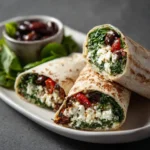
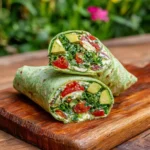
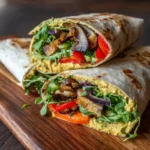
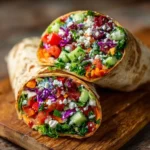
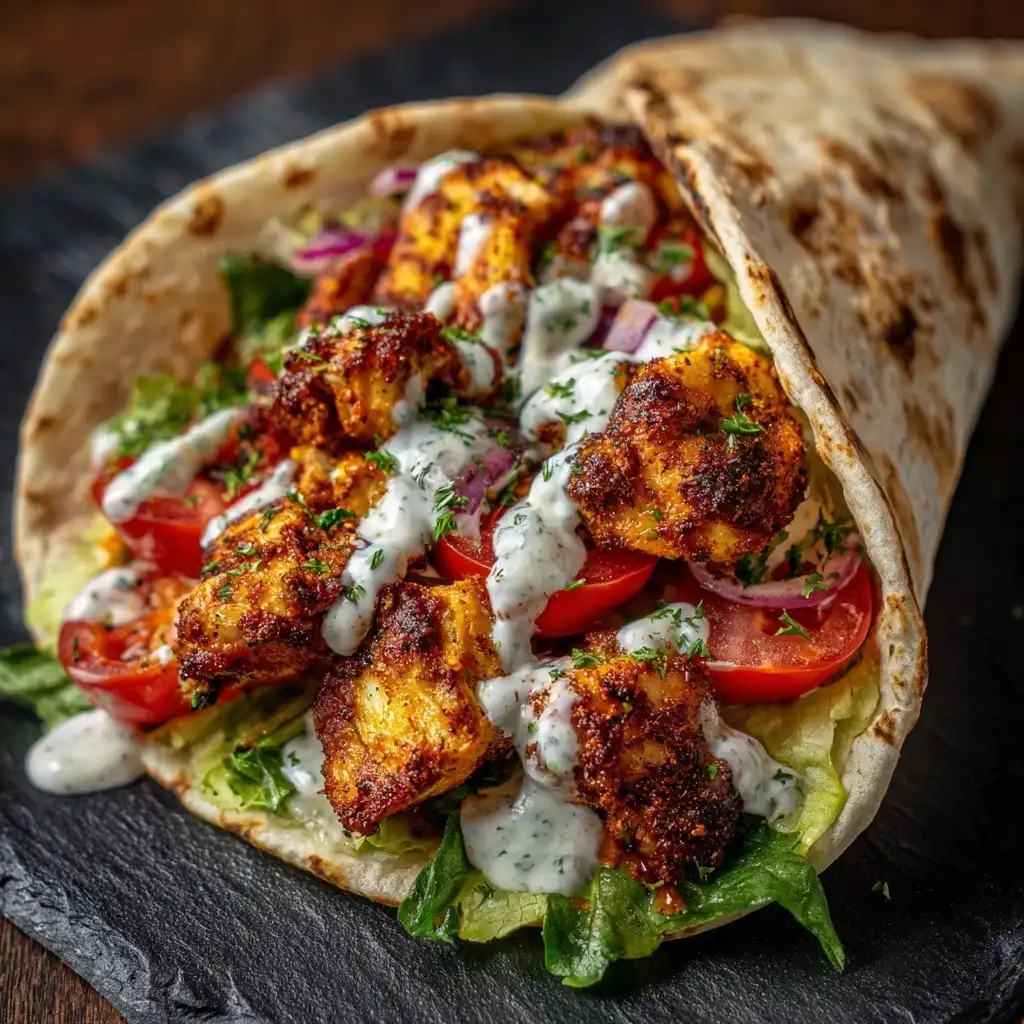
The Chicken Tikka Wrap is a vibrant, flavorful fusion of traditional Indian grilling techniques and modern, on-the-go convenience—a handheld celebration of bold spices, tender marinated chicken, and fresh, zesty accompaniments. Born from the beloved legacy of Chicken Tikka—a centuries-old North Indian delicacy traditionally cooked in a tandoor (clay oven)—this wrap reimagines the dish for contemporary lifestyles without compromising authenticity. It’s more than just lunch or dinner; it’s a portable feast that balances smoky char, creamy tang, aromatic herbs, and gentle heat—all wrapped snugly in warm, pliable flatbread. Whether you’re packing it for work, serving it at a casual gathering, or craving something deeply satisfying yet surprisingly light, the Chicken Tikka Wrap delivers restaurant-quality depth with home-kitchen accessibility.
The History
Tracing its roots to the Mughal-era culinary traditions of the Punjab region, Chicken Tikka emerged as a refined method of marinating boneless chicken chunks in yogurt and spice blends—most notably garam masala, ginger-garlic paste, and Kashmiri red chili—then skewering and roasting them over live charcoal or in a tandoor. The word “tikka” itself derives from the Urdu/Hindi term meaning “small pieces” or “chunks,” reflecting both its form and function: bite-sized, shareable, and intensely flavorful. As Indian cuisine evolved globally—especially post-1960s diaspora expansion in the UK, US, Canada, and Australia—the concept of “deconstructing” classic dishes gained momentum. Chefs and home cooks alike began adapting tikka into sandwiches, pizzas, salads, and wraps—transforming street-food energy into gourmet convenience. The Chicken Tikka Wrap, in particular, rose to prominence in the early 2000s through London’s South Asian food trucks and Toronto’s Desi bistros, where it became a signature “fusion fast-casual” item. Its popularity soared further with the rise of health-conscious dining trends—offering high-protein, low-carb, and customizable options—making it not only culturally resonant but also nutritionally adaptive across generations.
Ingredients Breakdown
Every exceptional Chicken Tikka Wrap rests on three foundational pillars: the marinated & grilled chicken, the wrap vessel & base layer, and the fresh, cooling, textural enhancements. Understanding each component unlocks infinite customization:
- Chicken: Boneless, skinless chicken breast or thigh (thigh preferred for superior moisture retention and richer flavor absorption). Cut into uniform 1–1.5 inch cubes ensures even marination and consistent charring.
- Yogurt Marinade Base: Full-fat plain Greek or hung curd (desi dahi) provides essential acidity, tenderness, and creamy binding. Low-fat versions may yield drier results due to reduced fat content needed for spice adhesion and moisture locking.
- Core Spices: Kashmiri red chili powder (for vivid color and mild warmth), ground coriander (earthy citrus), cumin (nutty earthiness), garam masala (warm, complex finish), turmeric (earthy depth + golden hue), and amchur (dry mango powder) for bright, tangy lift—often overlooked but critical for balancing richness.
- Aromatics: Freshly grated ginger and crushed garlic—never powdered—deliver volatile oils that penetrate meat deeply. Finely chopped green chilies (like serrano or jalapeño) add controlled heat; remove seeds for milder profiles.
- Acid & Brightness: A splash of lemon juice added *after* marinating (not during) preserves brightness and prevents premature protein breakdown. Also used in raita and finishing drizzle.
- Wrap Medium: Whole wheat roti, multigrain tortillas, spinach paratha, or gluten-free brown rice wraps—each offering distinct texture, fiber content, and structural integrity. Warmed gently before filling prevents cracking and enhances pliability.
- Cooling Elements: Cucumber ribbons, red onion slivers, shredded romaine or butter lettuce, fresh cilantro, and mint leaves provide crunch, freshness, and palate-cleansing contrast to the spiced chicken.
- Signature Sauces: House-made mint-coriander chutney (blended with green chilies, cumin, and lime), spiced yogurt raita (with roasted cumin, chaat masala, and finely diced cucumber), or a smoky tamarind-date ketchup for sweet-sour complexity.
- Optional Umami & Texture Boosters: Crumbled paneer, pickled red onions, toasted cumin seeds, crushed roasted peanuts, pomegranate arils, or a light dusting of smoked paprika or black salt (kala namak) for mineral depth.
Step-by-Step Recipe
- Prepare the Chicken: Trim excess fat from 1 lb (450g) boneless, skinless chicken thighs. Cut into 1-inch cubes. Pat thoroughly dry with paper towels—moisture inhibits marinade adhesion and proper charring.
- Make the Marinade: In a large non-reactive bowl, whisk together ¾ cup full-fat plain yogurt, 1 tbsp ginger-garlic paste, 1½ tsp Kashmiri red chili powder, 1 tsp ground coriander, 1 tsp garam masala, ½ tsp turmeric, ½ tsp amchur, 1 tsp salt, and ¼ tsp freshly ground black pepper. Add 1 tbsp lemon juice *only after* spices are fully incorporated into yogurt—this preserves enzymatic activity and prevents curdling.
- Marinate: Add chicken to marinade, ensuring every piece is fully coated. Cover and refrigerate for *minimum 4 hours*, ideally 12–24 hours. Avoid marinating longer than 36 hours—yogurt’s lactic acid can begin to “cook” the surface, resulting in mushy texture.
- Skewer & Rest: Thread marinated chicken onto metal or pre-soaked bamboo skewers (leave ¼” space between pieces for airflow). Let rest at room temperature for 20 minutes before cooking—cold meat steams rather than sears.
- Grill or Broil: Heat grill to medium-high (400°F/200°C) or broiler on high. Cook skewers 8–10 minutes total, turning every 2–3 minutes, until charred at edges and internal temperature reaches 165°F (74°C). For oven roasting: place on parchment-lined baking sheet under broiler 6–8 inches from heat source, rotating halfway.
- Rest & De-Skewer: Transfer chicken to a cutting board; tent loosely with foil and rest 5 minutes. This allows juices to redistribute. Remove from skewers and roughly chop or leave whole based on preference.
- Warm the Wrap: Lightly toast or heat 2 large whole wheat wraps (8–10 inches) in a dry skillet over medium heat for 20 seconds per side until soft and pliable. Keep covered with a clean kitchen towel to retain steam and flexibility.
- Layer Strategically: Spread 2 tbsp mint-coriander chutney down center third of wrap. Top with ¼ cup spiced raita in a thin stripe. Arrange ½ of grilled chicken evenly over raita. Layer with ¼ cup shredded romaine, 2 tbsp thinly sliced red onion, ¼ cup cucumber ribbons, and a generous pinch of fresh cilantro and mint.
- Roll with Precision: Fold bottom flap up over filling, then fold left and right flaps inward. Roll tightly away from you, applying gentle pressure to seal. Optional: lightly pan-sear seam-side down for 30 seconds to lock in fillings and add subtle crispness.
- Rest & Serve: Let wrap rest seam-side down for 2 minutes—this sets the shape and prevents spillage. Slice diagonally in half for presentation, or serve whole wrapped in parchment paper for easy handling.
Tips
- Yogurt Consistency is Key: If using regular plain yogurt (not Greek), strain it in a cheesecloth-lined sieve over a bowl for 1–2 hours to remove excess whey—too much liquid dilutes flavor and causes sogginess in the wrap.
- Char Without Burn: To maximize smoky flavor without bitter ash, brush grill grates with oil *before* heating, and wipe excess with a folded paper towel dipped in oil using tongs. Alternatively, use a cast-iron grill pan indoors.
- No Grill? No Problem: A smoking-hot cast-iron skillet works beautifully—sear chicken in batches over medium-high heat, adding ½ tsp ghee or mustard oil between batches for authentic tandoori aroma.
- Prevent Soggy Wraps: Always layer wet ingredients (raita, chutney) *under* drier ones (chicken, veggies). Never add tomatoes or raw sprouts directly—they release water. If using, pat extremely dry or substitute with sun-dried tomato pesto.
- Meal Prep Friendly: Marinate chicken up to 2 days ahead. Cook and chill separately; assemble wraps fresh. Pre-chop vegetables and store in airtight containers with a damp paper towel to maintain crispness for up to 3 days.
- Wrap Integrity Hack: For picnics or packed lunches, roll wrap in parchment paper first, then foil—or use reusable beeswax wraps. Place seam-side down in a bento box lined with lettuce to absorb any incidental moisture.
- Flavor Amplification: Toast whole cumin and coriander seeds in a dry pan until fragrant (30–45 seconds), then grind fresh. Adds unparalleled depth versus pre-ground spices.
- Spice Control: Kashmiri chili is mild—but if heat sensitivity is a concern, replace ½ tsp with sweet paprika and add heat via a finely minced green chili *in the chutney only*, keeping chicken milder for broader appeal.
- Leftover Magic: Repurpose extra chicken into tikka fried rice, tikka-stuffed omelets, or blend into a spiced chicken pâté with roasted garlic and cream cheese.
- Authentic Touch: Finish assembled wrap with a light sprinkle of dried fenugreek leaves (kasuri methi)—crushed between palms—to release its maple-like, slightly bitter aroma that defines true North Indian grilling.
Variations and Customizations
Vegetarian & Vegan Options
Swap chicken for paneer tikka (cubed, extra-firm cottage cheese), tofu tikka (pressed extra-firm tofu, marinated 1 hour), or chickpea tikka (boiled, drained, and roasted garbanzo beans). Use coconut or almond yogurt for marinade and vegan raita (cashew-based with lime and roasted cumin).
Gluten-Free Adaptation
Use certified gluten-free brown rice wraps, collard green leaves, or large butter lettuce cups. Ensure all spice blends and sauces are GF-certified (many commercial garam masalas contain wheat fillers).
Low-Carb/Keto-Friendly
Replace wraps with large, grilled nori sheets, butter lettuce cups, or jicama “tortillas” (thinly sliced and lightly sautéed). Increase healthy fats with avocado slices, tahini drizzle, or roasted almond slivers.
Regional Twists
- Punjabi Style: Add 1 tsp mustard oil to marinade and finish with a drizzle of raw mustard oil + pinch of black salt.
- Hyderabadi Influence: Incorporate ½ tsp rose water and 1 tbsp fried onions (birista) into raita; garnish with edible rose petals.
- Goan Fusion: Replace yogurt with coconut milk marinade, add 1 tsp vinegar and ½ tsp Goan curry powder; serve with fiery kokum chutney.
- British-Asian Pub Version: Add crispy bacon bits, sharp cheddar shreds, and a dash of Worcestershire sauce to marinade.
- Middle Eastern Crossover: Swap garam masala for baharat, add sumac to raita, and garnish with pomegranate molasses drizzle and toasted pine nuts.
Dietary & Lifestyle Alignments
For Weight Watchers: Use non-fat Greek yogurt, skip oil in marinade, and opt for lettuce cups. For Whole30: Eliminate dairy (use coconut milk + avocado-based “raita”), omit sugar-containing chutneys, and choose compliant wraps (plantain or cassava). For Diabetic-Friendly: Focus on high-fiber wraps, increase non-starchy veg ratio, and pair with apple cider vinegar-based chutney to support glycemic response.
Health Considerations and Nutritional Value
A thoughtfully prepared Chicken Tikka Wrap is a nutrient-dense, balanced meal rich in high-biological-value protein, gut-friendly probiotics, anti-inflammatory spices, and phytonutrient-packed vegetables. A standard wrap (using 1 lb chicken, 2 whole wheat wraps, ½ cup raita, and 1 cup mixed vegetables) delivers approximately 520–580 calories, 42–48g protein, 28–32g complex carbohydrates, and 22–26g healthy fats (primarily monounsaturated from yogurt, spices, and optional nuts/oils). Notably, it offers over 100% DV of Vitamin B12, ~85% DV of Zinc, ~75% DV of Vitamin C (from lemon, cucumber, cilantro), and significant amounts of iron, magnesium, and potassium.
Key Health Highlights:
- Anti-Inflammatory Powerhouse: Turmeric (curcumin), ginger (gingerols), garlic (allicin), and cilantro (quercetin) synergistically reduce systemic inflammation and support immune modulation.
- Gut Microbiome Support: Live-culture yogurt and fermented chutneys introduce beneficial bacteria, while fiber-rich whole grains and vegetables feed existing microbiota—enhancing digestion and nutrient absorption.
- Metabolic Benefits: Spices like cumin and cinnamon improve insulin sensitivity; amchur and lemon juice aid gastric enzyme activation; capsaicin in chilies mildly boosts thermogenesis.
- Cardiovascular Protection: Omega-3 friendly fats (if using mustard or flaxseed oil), potassium from vegetables, and nitrate-rich spinach or lettuce contribute to blood pressure regulation and arterial health.
Cautions & Modifications: Those with lactose intolerance should use lactose-free yogurt or coconut alternatives. Individuals managing hypertension should monitor sodium—opt for low-sodium spice blends and limit added salt, relying instead on lemon, amchur, and herbs for brightness. For histamine sensitivity, avoid prolonged marination (>24 hrs) and fermented sauces; use fresh chutneys and raita made same-day.
Ingredients
- 1 lb (450g) boneless, skinless chicken thighs, cut into 1-inch cubes
- ¾ cup full-fat plain Greek yogurt (or hung curd)
- 1 tbsp ginger-garlic paste (freshly made preferred)
- 1½ tsp Kashmiri red chili powder (plus extra for garnish)
- 1 tsp ground coriander
- 1 tsp garam masala (homemade recommended)
- ½ tsp turmeric powder
- ½ tsp amchur (dry mango powder)
- 1 tsp fine sea salt (adjust to taste)
- ¼ tsp freshly ground black pepper
- 1 tbsp fresh lemon juice (added after marinade mixing)
- 2 large whole wheat wraps (8–10 inches), or preferred gluten-free/low-carb alternative
- ½ cup mint-coriander chutney (see note)
- ½ cup spiced cucumber raita (see note)
- 1 cup shredded romaine or butter lettuce
- ½ medium English cucumber, cut into thin ribbons (peeled if waxed)
- ¼ medium red onion, very thinly sliced
- ¼ cup fresh cilantro leaves
- 2 tbsp fresh mint leaves
- 1 tsp toasted cumin seeds (optional, for garnish)
- 1 tsp kasuri methi (dried fenugreek leaves), crushed (optional, for authenticity)
Notes:
– Mint-Coriander Chutney: Blend 1 cup fresh mint, 1 cup fresh cilantro, 1 small green chili, ½ inch ginger, 1 tsp cumin seeds, 1 tbsp lemon juice, ¼ tsp salt, and 2 tbsp water until smooth. Adjust heat and acidity to taste.
– Spiced Cucumber Raita: Whisk ½ cup full-fat yogurt, ¼ cup finely diced cucumber (salted and squeezed dry), ¼ tsp roasted cumin powder, ⅛ tsp chaat masala, pinch of black salt, and 1 tsp lemon juice.
Directions
- In a large non-reactive bowl, combine yogurt, ginger-garlic paste, Kashmiri chili, coriander, garam masala, turmeric, amchur, salt, and black pepper. Whisk vigorously until completely smooth and no spice clumps remain.
- Add lemon juice and whisk again for 15 seconds. Immediately add chicken cubes and massage marinade into each piece using hands. Cover bowl tightly and refrigerate for 12–24 hours.
- Preheat grill, broiler, or cast-iron skillet to medium-high heat. Thread marinated chicken onto skewers, leaving space between pieces.
- Grill or broil skewers for 8–10 minutes, turning every 2–3 minutes, until deeply charred at edges and chicken reaches 165°F internally. Avoid pressing down—this squeezes out juices.
- Transfer chicken to cutting board, tent with foil, and rest 5 minutes. Remove from skewers. Chop coarsely if desired.
- Warm wraps individually in a dry skillet over medium heat for 20 seconds per side until soft and pliable. Stack and cover with a clean towel.
- Spread 2 tbsp chutney horizontally across center third of each wrap. Top with 2 tbsp raita in a parallel line.
- Evenly distribute half the chicken over raita. Layer with lettuce, cucumber, red onion, cilantro, and mint.
- Fold bottom edge up over filling, then fold left and right edges inward. Roll tightly away from you, applying gentle, even pressure.
- Place seam-side down and rest 2 minutes. Slice diagonally or serve whole, wrapped in parchment for portability.
FAQ
- Can I make this entirely on the stovetop?
- Absolutely. Use a heavy-bottomed cast-iron skillet or grill pan. Heat over medium-high with 1 tsp ghee or mustard oil. Sear chicken in batches—do not overcrowd—to ensure caramelization. Deglaze pan with 1 tsp water and a squeeze of lemon to capture fond for extra flavor.
- Why does my chicken sometimes turn rubbery?
- Rubbery texture usually stems from either overcooking (especially with lean breast meat), insufficient marination time (<4 hours), or using low-fat yogurt that lacks tenderizing enzymes and fat. Thigh meat is far more forgiving—its higher fat content retains moisture and withstands longer cooking.
- How do I keep the wrap from falling apart?
- Three keys: (1) Warm the wrap properly—it becomes elastic when heated; cold wraps crack. (2) Don’t overfill—aim for ¾ cup total filling per 10-inch wrap. (3) Roll tightly and let rest seam-down for 2+ minutes before cutting or handling.
- Is there a shortcut for homemade chutney?
- Yes—but with caveats. High-quality store-bought mint chutney (check labels for preservatives and added sugar) can be enhanced by stirring in 1 tsp fresh lemon juice, ¼ tsp roasted cumin, and a pinch of chaat masala. Avoid overly sweet or artificially colored versions.
- Can I freeze Chicken Tikka for later use in wraps?
- Yes—cooked, cooled chicken tikka freezes exceptionally well for up to 3 months. Portion into airtight containers or freezer bags, removing excess air. Thaw overnight in fridge and refresh by warming in a skillet with 1 tsp ghee for 2–3 minutes before assembling wraps.
- What’s the best way to reheat leftovers without drying them out?
- Steam or microwave with a damp paper towel covering the chicken—this traps steam and preserves moisture. For wraps, unwrap parchment/foil, sprinkle ½ tsp water over filling, re-cover with damp towel, and microwave 20–30 seconds on medium power. Never reheat wrapped in foil in microwave.
- Are store-bought tandoori spice mixes okay to use?
- They’re convenient but often high in sodium and contain anti-caking agents or MSG. If using, reduce added salt in marinade by 50%, and boost freshness with extra ginger-garlic paste and lemon juice. Better yet—make your own garam masala monthly for peak aroma and potency.
- Can kids enjoy this wrap?
- Yes—with thoughtful adjustments: omit green chilies, reduce Kashmiri chili to ½ tsp, increase yogurt to 1 cup for milder marinade, and add mild sweetness via grated apple or pear in raita. Serve with fun dips like mango-lime yogurt or roasted carrot hummus on the side.
- What wine or beverage pairs well?
- For non-alcoholic: chilled mint-lemonade, lassi (sweet or salty), or masala chai. For wine: off-dry Riesling (balances heat), Gewürztraminer (complements spices), or sparkling rosé (cleanses palate). Beer lovers: a citrusy witbier or unfiltered Hefeweizen works beautifully.
- How can I make this lower in sodium?
- Eliminate added salt entirely—rely on lemon, amchur, tamarind, and herbs for brightness. Use unsalted nuts/seeds, low-sodium yogurt, and prepare all spice blends from scratch. Flavor compounds like roasted cumin, smoked paprika, and toasted sesame oil add umami depth without sodium.
Summary
The Chicken Tikka Wrap is a masterclass in balance—where ancient tandoori tradition meets modern culinary agility, delivering bold, layered flavors, vibrant textures, and adaptable nutrition in one satisfying, portable package. With meticulous marination, smart layering, and mindful customization, it transforms everyday ingredients into an unforgettable experience that honors heritage while embracing lifestyle diversity.
Whether you’re meal-prepping for wellness, hosting friends with dietary diversity, or simply craving deeply comforting yet light fare, this wrap proves that authenticity, nourishment, and joy need never be compromised—only thoughtfully wrapped, rolled, and shared.