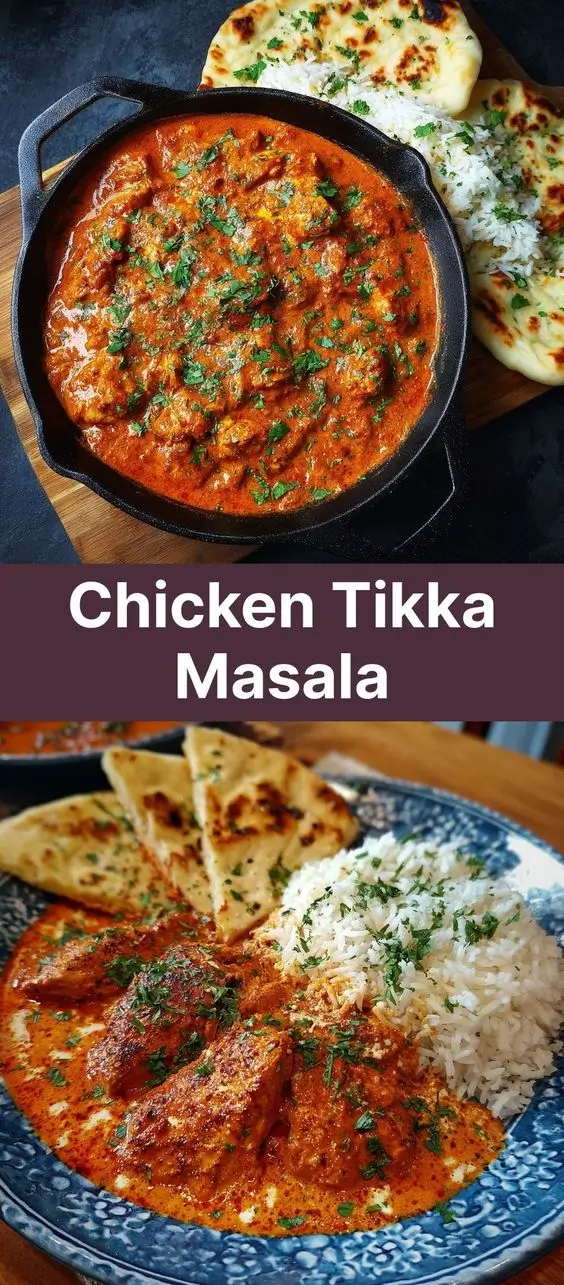
Chicken Tikka Masala: The Ultimate Comfort Dish with Global Appeal
The History: A Culinary Journey of Fusion and Flavor
Chicken Tikka Masala is a dish shrouded in both mystery and national pride, often hailed as Britain’s true national dish despite its South Asian roots. While its exact origin remains hotly debated, the prevailing theory traces its beginnings to the 1960s or 1970s in either Glasgow, Scotland, or Birmingham, England. One popular tale tells of a British diner returning a dry chicken tikka to a restaurant, only for the resourceful chef to improvise by simmering the grilled chicken in a spiced tomato-cream sauce, thus creating an instant classic.
However, others argue that versions of this dish existed earlier in Indian and Pakistani kitchens, where tandoori chicken was sometimes served with rich gravies. Regardless of its precise birthplace, Chicken Tikka Masala represents a beautiful fusion of Indian culinary techniques and British tastes—balancing bold spices with creamy, tangy elements that appeal to a wide audience. Today, it enjoys global popularity, appearing on menus from fine-dining restaurants to fast-casual chains, and has become emblematic of multicultural cuisine at its finest.
Ingredients Breakdown: Building Layers of Flavor
The magic of Chicken Tikka Masala lies in its complex layering of ingredients, each contributing to the dish’s signature aroma, texture, and taste. Here’s a detailed breakdown of what goes into crafting the perfect bowl:
- Chicken (Boneless, Skinless Thighs or Breast): Thighs are preferred for their juiciness and ability to withstand grilling without drying out. Cut into bite-sized cubes for even cooking.
- Yogurt (Full-Fat Plain): Acts as a marinade base, tenderizing the chicken while adding richness and slight tang.
- Lemon Juice: Enhances the yogurt’s tenderizing properties and adds brightness to the marinade.
- Ginger-Garlic Paste: A foundational flavor in Indian cooking; fresh is best but bottled paste works in a pinch.
- Spices (Paprika, Turmeric, Garam Masala, Cumin, Coriander, Cayenne): These provide depth, warmth, color, and complexity. Smoked paprika can add a subtle smokiness reminiscent of tandoor-cooked chicken.
- Onions (Finely Chopped or Pureed): Sautéed until golden, they form the body of the sauce, lending sweetness and structure.
- Tomatoes (Crushed or Pureed Canned Tomatoes Preferred): Provide acidity, body, and vibrant red hue. Fresh tomatoes may be used but require longer cooking to reduce.
- Cream (Heavy Cream or Coconut Milk): Adds luxurious silkiness and tempers the heat. Coconut milk offers a dairy-free alternative with tropical undertones.
- Ghee or Vegetable Oil: Ghee enhances flavor with its nutty richness, while oil keeps it vegetarian-friendly.
- Fresh Herbs (Cilantro/Corriander Leaves): Used as garnish for freshness and visual appeal.
- Salt and Sugar: Salt enhances all flavors; a small amount of sugar balances the tomatoes’ acidity.
Step-by-Step Recipe: Crafting Chicken Tikka Masala at Home
With patience and attention to detail, you can recreate this beloved dish in your own kitchen. Follow these steps for authentic, restaurant-quality results:
- Marinate the Chicken: In a large bowl, combine 500g boneless chicken thighs cut into 1.5-inch pieces with ½ cup full-fat plain yogurt, 1 tbsp lemon juice, 1 tbsp ginger-garlic paste, 1 tsp ground cumin, 1 tsp ground coriander, 1 tsp paprika, ½ tsp turmeric, ½ tsp cayenne (adjust for heat), and 1 tsp salt. Mix thoroughly, cover, and refrigerate for at least 4 hours—ideally overnight—for maximum flavor penetration.
- Grill or Broil the Chicken: Preheat oven broiler or grill. Thread marinated chicken onto metal or soaked wooden skewers. Place under broiler or on grill for 8–10 minutes, turning occasionally, until charred at edges and cooked through. Set aside. (Alternatively, pan-sear in a hot skillet.)
- Prepare the Sauce Base: In a heavy-bottomed pot or Dutch oven, heat 3 tbsp ghee or oil over medium heat. Add 2 finely chopped onions and sauté for 8–10 minutes until soft and golden brown. Stir frequently to prevent burning.
- Bloom the Spices: Add 1 tbsp ginger-garlic paste and cook for 1 minute until fragrant. Then stir in 1 tsp cumin, 1 tsp coriander, 1½ tsp garam masala, ½ tsp turmeric, and ½ tsp paprika. Cook for 30 seconds to release essential oils—do not burn.
- Add Tomatoes: Pour in 1 can (400g) crushed tomatoes. Season with salt and a teaspoon of sugar. Simmer uncovered for 15–20 minutes, stirring occasionally, until sauce thickens and oil begins to separate from the mixture—a sign of proper reduction.
- Puree the Sauce (Optional): For a silky-smooth texture, use an immersion blender directly in the pot or carefully transfer to a countertop blender. Blend until smooth, then return to heat.
- Incorporate Cream: Stir in ½ cup heavy cream or coconut milk. Bring to a gentle simmer—do not boil vigorously, or the cream may curdle.
- Add Chicken: Gently fold in the grilled chicken pieces along with any accumulated juices. Simmer for another 8–10 minutes to allow the chicken to absorb the sauce.
- Finish and Garnish: Adjust seasoning with salt, sugar, or additional garam masala. Stir in 1 tbsp butter for extra gloss (optional). Sprinkle generously with chopped fresh cilantro before serving.
Tips for Perfect Chicken Tikka Masala Every Time
- Use Boneless Thighs: They stay moist during high-heat cooking and absorb marinade better than breast meat.
- Don’t Skip the Marinade Time: At least 4 hours is crucial; overnight yields superior tenderness and flavor.
- Achieve Proper Char: High heat is key when grilling or broiling. Authentic tandoor ovens reach extreme temperatures—get as close as possible using your oven’s broiler.
- Reduce the Tomato Sauce Well: Undercooked sauce lacks depth. Cooking until oil separates ensures concentrated flavor and stable emulsion when cream is added.
- Balance Flavors Thoughtfully: Taste throughout the process. If too acidic, add a pinch more sugar. If too spicy, increase cream. If flat, boost with extra garam masala or lemon juice.
- Rest Before Serving: Let the dish sit for 10–15 minutes off heat before serving. This allows flavors to meld beautifully.
- Make Ahead Friendly: Chicken Tikka Masala tastes even better the next day. Store cooled leftovers in an airtight container for up to 3 days or freeze for up to 3 months.
Variations and Customizations: Make It Your Own
While traditional Chicken Tikka Masala follows a well-established blueprint, countless variations exist across regions and households. Embrace creativity with these customizable twists:
- Dairy-Free/Vegan Version: Replace yogurt in the marinade with coconut yogurt, use coconut milk instead of cream, and opt for plant-based oil instead of ghee.
- Smoky Flavor Without a Grill: Add ¼ tsp smoked paprika or a few drops of liquid smoke to the sauce. Alternatively, char the chicken in a cast-iron skillet for grill-like notes.
- Keto/Low-Carb Adaptation: Omit sugar, use full-fat cream, and serve over cauliflower rice or zucchini noodles.
- Extra Protein Boost: Stir in paneer cubes or chickpeas alongside the chicken for added heartiness.
- Regional Twists: In some Caribbean adaptations, Scotch bonnet peppers are used for fiery heat. Others incorporate fenugreek leaves (kasuri methi) crumbled into the sauce for earthy bitterness.
- Gluten-Free Option: Naturally gluten-free if all spice blends are certified GF. Always check labels on pre-made garam masala or tomato products.
- Slow Cooker Method: After marinating and searing chicken, add everything to a slow cooker and cook on low for 6–8 hours for deeply infused flavors.
- Instant Pot Shortcut: Use the sauté function for onions and spices, then pressure cook with tomatoes and raw marinated chicken for 8 minutes followed by natural release.
Health Considerations and Nutritional Value
Chicken Tikka Masala can be part of a balanced diet when prepared mindfully. Here’s a nutritional overview per typical serving (approx. 1 cup with chicken, without rice):
| Nutrient | Amount |
|---|---|
| Calories | 380–450 kcal |
| Protein | 28–32g |
| Total Fat | 22–28g |
| Saturated Fat | 10–14g |
| Carbohydrates | 12–18g |
| Sugars | 6–8g |
| Dietary Fiber | 2–3g |
| Sodium | 600–900mg |
Health Benefits:
- High-quality protein supports muscle repair and satiety.
- Spices like turmeric contain curcumin, known for anti-inflammatory properties.
- Garlic and ginger offer immune-boosting and digestive benefits.
- Tomatoes provide lycopene, a powerful antioxidant linked to heart health.
Considerations:
- Can be high in saturated fat depending on cream and ghee usage—opt for low-fat dairy or substitutes to reduce.
- Sodium levels may be elevated due to salt and canned tomatoes—use no-salt-added tomatoes and season to taste.
- Portion control is important when served with rice or naan, which increases carbohydrate load.
Complete Ingredients List
Makes 4 servings
For the Chicken Marinade:
- 500g (1.1 lbs) boneless, skinless chicken thighs, cubed
- ½ cup plain full-fat yogurt
- 1 tbsp lemon juice
- 1 tbsp ginger-garlic paste
- 1 tsp ground cumin
- 1 tsp ground coriander
- 1 tsp paprika (sweet or smoked)
- ½ tsp turmeric powder
- ½ tsp cayenne pepper (adjust to taste)
- 1 tsp salt
For the Sauce:
- 3 tbsp ghee or vegetable oil
- 2 medium onions, finely chopped
- 1 tbsp ginger-garlic paste
- 1 tsp ground cumin
- 1 tsp ground coriander
- 1½ tsp garam masala
- ½ tsp turmeric powder
- ½ tsp paprika
- 1 can (400g / 14 oz) crushed tomatoes
- 1 tsp salt (or to taste)
- 1 tsp sugar (optional, to balance acidity)
- ½ cup heavy cream or coconut milk
- 1 tbsp butter (optional, for finishing)
- Fresh cilantro, chopped (for garnish)
Directions Recap
- Marinate chicken in yogurt, lemon juice, spices, and ginger-garlic paste for 4–24 hours.
- Grill or broil chicken until fully cooked and slightly charred. Set aside.
- In a deep pot, heat oil and sauté onions until golden brown.
- Add ginger-garlic paste and toast spices for 30 seconds.
- Stir in crushed tomatoes, salt, and sugar. Simmer 15–20 minutes until thickened and oily.
- Blend sauce until smooth (optional).
- Stir in cream and bring to a gentle simmer.
- Add grilled chicken and simmer 8–10 minutes.
- Adjust seasoning, stir in butter (if using), and garnish with cilantro.
- Serve hot with basmati rice, naan, or roti.
FAQ: Frequently Asked Questions About Chicken Tikka Masala
Is Chicken Tikka Masala Indian?
Despite common belief, Chicken Tikka Masala is widely considered a British invention inspired by Indian cuisine. It does not appear in traditional Indian cookbooks but reflects the ingenuity of South Asian chefs adapting to local palates in the UK.
Can I make it without a grill?
Absolutely! Pan-sear the marinated chicken in a hot skillet with a little oil until browned and cooked through. You’ll miss some smokiness but can compensate with smoked paprika.
What’s the difference between Chicken Tikka and Chicken Tikka Masala?
Chicken Tikka refers only to the marinated, grilled chicken pieces. Chicken Tikka Masala includes those same pieces served in a creamy, spiced tomato sauce.
Can I freeze Chicken Tikka Masala?
Yes, it freezes well for up to 3 months. Cool completely, store in airtight containers, and thaw overnight in the fridge before reheating gently on the stove.
Why did my sauce split?
Cream can curdle if exposed to high heat. Always simmer gently after adding dairy. If sauce splits, blend briefly with an immersion blender or whisk in a spoonful of yogurt to re-emulsify.
How spicy is Chicken Tikka Masala?
Traditionally medium-hot, but easily adjustable. Reduce cayenne and chili content for milder versions, or increase for extra fire.
Can I use chicken breast?
Yes, though thighs are recommended for juiciness. If using breast, avoid overcooking and consider brining briefly in saltwater for moisture retention.
What to serve with Chicken Tikka Masala?
Classic pairings include steamed basmati rice, garlic naan, roti, cucumber raita, pickled onions, mango chutney, and a crisp salad.
Summary
Chicken Tikka Masala is a globally cherished dish born from cultural fusion, featuring succulent grilled chicken in a velvety, aromatic tomato-based curry.
Elegant yet approachable, it brings together bold spices, creamy textures, and smoky depth—perfect for weeknight dinners or impressing guests alike.