Introduction
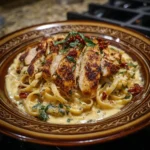
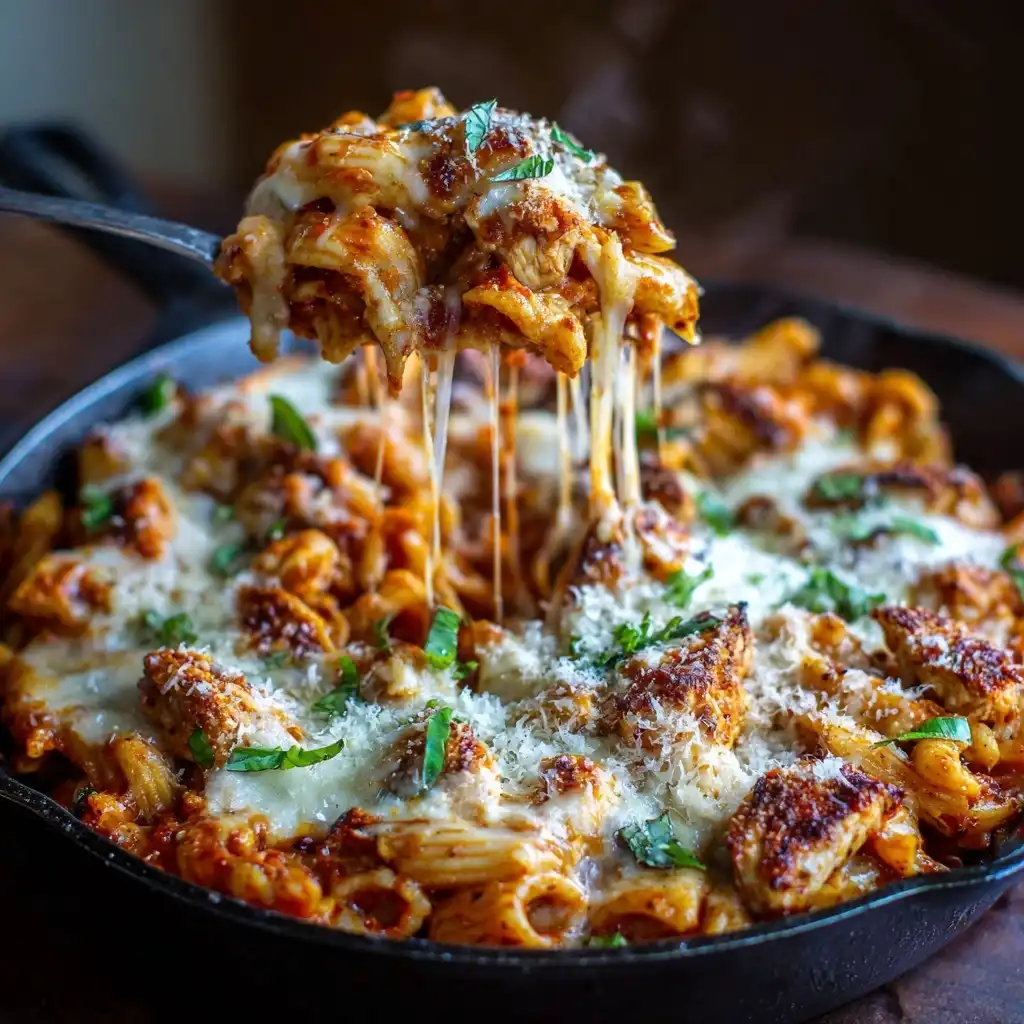
Chicken Parmesan Pasta Skillet is a modern, weeknight-friendly twist on the beloved Italian-American classic—combining tender pan-seared chicken cutlets, rich tomato sauce, melted mozzarella and Parmesan cheeses, and al dente pasta—all cooked together in one versatile skillet for maximum flavor, minimal cleanup, and effortless elegance. Unlike traditional baked Chicken Parmesan served over separate spaghetti, this skillet version unifies every component into a cohesive, bubbling, golden-brown masterpiece where pasta absorbs the savory-sweet essence of the sauce while chicken stays juicy beneath a crisp, cheesy crust. It’s comfort food reimagined: hearty enough for family dinners, impressive enough for casual entertaining, and adaptable to dietary preferences without sacrificing authenticity or satisfaction.
The History
Chicken Parmesan itself traces its roots to early 20th-century Italian-American immigrant communities, particularly in New York and New Jersey, where resourceful home cooks adapted the Southern Italian dish melanzane alla parmigiana (eggplant Parmesan) by substituting more accessible and affordable chicken breast—a protein that resonated with American palates and grocery availability. The “Parmesan” in the name refers not to the cheese alone but to the cooking style originating from Parma, characterized by layered frying, saucing, and baking with regional cheeses. Over decades, the dish evolved through diner menus, frozen food aisles, and TV dinner trays—gaining iconic status by the 1950s. The skillet variation, however, is a relatively recent innovation born from the 2010s’ culinary movement toward one-pot meals, meal-prep efficiency, and social-media-driven “dump-and-stir” recipes. Chefs and home cooks alike began experimenting with simultaneous cooking techniques—searing chicken, deglazing with wine, simmering sauce, and finishing pasta directly in the same vessel—to intensify flavor development through fond incorporation and reduce dishwashing fatigue. Today, Chicken Parmesan Pasta Skillet stands as both a nostalgic homage and a practical evolution—honoring tradition while embracing contemporary kitchen realities.
Ingredients Breakdown
Every ingredient in this recipe plays a deliberate, synergistic role—no filler, no afterthought. Let’s explore them in depth:
- Chicken Breast Cutlets: Thinly pounded (¼-inch thick) boneless, skinless chicken breasts ensure even, fast cooking and optimal sauce absorption. Using cutlets prevents dryness and allows the breading to crisp uniformly. Organic, air-chilled, or pasture-raised options offer superior texture and flavor depth.
- All-Purpose Flour: Serves as the foundational coating layer—helping egg adhere and creating a light, golden crust when pan-fried. Gluten-free flour blends (like rice-tapioca or certified GF all-purpose) work seamlessly for sensitive diets.
- Eggs & Dijon Mustard: A lightly whisked egg wash—enhanced with ½ tsp Dijon mustard—not only binds breading but adds subtle tang and emulsifying power, yielding a more cohesive, non-slipping crust.
- Panko Breadcrumbs: Japanese-style coarse breadcrumbs deliver exceptional crunch and airy lift compared to fine traditional crumbs. Toasted panko (pan-fried in olive oil until golden) deepens nuttiness and improves structural integrity against sauce saturation.
- Freshly Grated Parmigiano-Reggiano: Not pre-grated! True Parmigiano-Reggiano—aged 24+ months—provides umami intensity, crystalline texture, and complex caramelized notes that pre-shredded “Parmesan-style” cheeses simply cannot replicate. Reserve a portion for finishing.
- Whole-Milk Mozzarella: Low-moisture, part-skim mozzarella melts smoothly without excessive oil separation; however, fresh mozzarella di bufala (drained and torn) adds luxurious creaminess and delicate sweetness—ideal for gourmet iterations.
- San Marzano–Style Crushed Tomatoes: Grown in volcanic soil near Naples, authentic San Marzano DOP tomatoes boast low acidity, high sugar content, and velvety texture. In their absence, high-quality imported Italian plum tomatoes (like Cento or Bianco DiNapoli), crushed by hand or pulsed briefly, are preferred over generic “spaghetti sauce” laden with sugar, gums, or citric acid.
- Fresh Garlic & Yellow Onion: Finely minced garlic and finely diced yellow onion form the aromatic base—sautéed slowly in olive oil until translucent and sweet (not browned), unlocking sulfur compounds that mellow into savory depth.
- Dry White Wine (e.g., Pinot Grigio or Sauvignon Blanc): Used for deglazing, it lifts fond, balances acidity, and imparts brightness without alcohol harshness (most evaporates during simmering). Substitute with low-sodium vegetable broth if avoiding alcohol.
- Fresh Basil & Oregano: Fresh basil leaves added at the end preserve volatile oils and floral aroma; dried oregano (preferably Greek or Italian) contributes earthy backbone during sauce simmering. Avoid “Italian seasoning” blends with fillers or stale herbs.
- Extra-Virgin Olive Oil: A robust, peppery, cold-pressed EVOO (like Sicilian Nocellara or Tuscan Frantoio) is used for searing and finishing—contributing polyphenols, antioxidants, and nuanced fruitiness. Reserve a drizzle for garnish.
- Spaghetti or Linguine: Long, sturdy pastas hold up best—spaghetti offers classic twirlability; linguine provides slightly broader surface area for sauce adhesion. For gluten-free needs, brown rice or lentil-based pastas (like Barilla GF or Banza) perform admirably when cooked to *al dente* separately and added late to prevent mush.
- Salt & Black Pepper: Diamond Crystal kosher salt ensures precise seasoning control; freshly cracked Tellicherry black pepper delivers citrusy heat and aromatic complexity far beyond pre-ground alternatives.
Step-by-Step Recipe
- Prep & Season Chicken: Place chicken breasts between two sheets of parchment or plastic wrap. Pound gently with a meat mallet or heavy skillet to uniform ¼-inch thickness. Pat *extremely* dry with paper towels—moisture is the enemy of crisp breading. Season both sides generously with 1 tsp kosher salt and ½ tsp black pepper.
- Set Up Breading Station: Prepare three shallow dishes: (1) flour + ½ tsp salt + ¼ tsp pepper; (2) eggs + Dijon mustard + 1 tbsp water (for fluidity); (3) panko + ¼ cup grated Parmigiano-Reggiano + 1 tsp dried oregano + ½ tsp garlic powder + pinch of red pepper flakes (optional).
- Bread Chicken Methodically: Dredge each cutlet in flour (shake off excess), dip fully into egg mixture (let excess drip), then press firmly into panko mixture—coating both sides evenly. Place breaded cutlets on a wire rack set over parchment; refrigerate 15 minutes (critical for breading adhesion).
- Heat & Sear: Heat 3 tbsp extra-virgin olive oil in a large, heavy-bottomed 12-inch stainless steel or enameled cast-iron skillet over medium-high heat until shimmering (~375°F). Carefully place 2 cutlets in skillet without crowding. Cook 3–4 minutes per side until deeply golden and internal temperature reaches 160°F. Transfer to a clean plate; tent loosely with foil. Repeat with remaining cutlets, wiping skillet clean and adding fresh oil as needed.
- Build Flavor Base: Reduce heat to medium. Add 1 tbsp olive oil, then sauté diced onion 4–5 minutes until soft and translucent. Add minced garlic and cook 60 seconds—just until fragrant (do not brown). Stir in 1 tsp tomato paste; cook 1 minute to caramelize and deepen flavor.
- Deglaze & Simmer Sauce: Pour in ½ cup dry white wine, scraping vigorously with a wooden spoon to release all browned bits (fond). Simmer 2 minutes until nearly evaporated. Add crushed tomatoes, 1 tsp salt, ½ tsp black pepper, and 1 tsp dried oregano. Bring to gentle simmer; reduce heat to low, cover partially, and cook 12–15 minutes, stirring occasionally. Sauce should thicken slightly and develop brick-red hue.
- Incorporate Pasta: While sauce simmers, cook 12 oz spaghetti in well-salted boiling water until *al dente* (1 minute less than package time). Reserve 1 cup starchy pasta water, then drain pasta thoroughly.
- Combine & Finish: Nestle seared chicken cutlets into simmering sauce. Spoon sauce over tops. Sprinkle evenly with 1 cup shredded mozzarella and ⅓ cup grated Parmigiano-Reggiano. Cover skillet and cook on low 4–5 minutes until cheese melts luxuriously. Uncover, scatter ¼ cup fresh basil leaves, and gently fold in drained pasta using tongs—adding reserved pasta water 2 tbsp at a time until sauce clings silkily to noodles (typically 6–8 tbsp needed). Adjust seasoning with salt, pepper, or a splash of balsamic vinegar for brightness.
- Rest & Serve: Remove from heat. Let rest 3 minutes—this allows starches to relax and flavors to harmonize. Garnish with additional basil, extra grated Parmigiano-Reggiano, and a final drizzle of high-quality extra-virgin olive oil.
Tips
- Dry Chicken Is Non-Negotiable: Even a trace of surface moisture causes breading to slide off during searing. Pat aggressively—and consider salting chicken 30 minutes ahead, then re-patting before breading for deeper seasoning and improved texture.
- Chill Before Cooking: Refrigerating breaded cutlets for 15–30 minutes firms the coating, preventing slippage and promoting a shatteringly crisp exterior.
- Don’t Crowd the Pan: Overloading drops skillet temperature, causing steaming instead of searing. Cook in batches—even if it takes longer—and keep finished cutlets warm in a 200°F oven.
- Use a Splatter Screen: Especially when searing at high heat, a mesh splatter screen protects your stovetop and reduces oil mist inhalation.
- Reserve Pasta Water Wisely: That starchy liquid is liquid gold—its amylose content acts as a natural emulsifier, binding sauce and pasta into glossy, cohesive unity. Always reserve *before* draining.
- Low & Slow on Sauce: Rushing the sauce simmers leads to raw garlic, sharp acidity, and underdeveloped sweetness. Gentle reduction concentrates flavor without scorching.
- Add Cheese Off-Heat When Possible: To avoid rubbery or greasy mozzarella, add half the cheese while covered (to melt gently), then finish with remaining cheese *after* removing from burner—allowing residual heat to melt it just so.
- Finish with Fresh Herbs Last: Adding basil at the very end preserves its volatile oils, vibrant green color, and bright, anise-like perfume—heat destroys these delicate compounds within seconds.
- Skillet Material Matters: Stainless steel or enameled cast iron retains heat steadily for even searing and sauce reduction. Avoid nonstick for high-heat searing—it degrades coatings and prevents proper fond formation.
- Taste & Adjust Relentlessly: After combining pasta, taste sauce for balance: too acidic? Add ¼ tsp sugar or pinch of baking soda. Too flat? A splash of lemon juice or red wine vinegar wakes it up. Too salty? A pat of unsalted butter tempers harshness.
Variations and Customizations
This recipe is a canvas—not a cage. Here are thoughtfully tested adaptations for diverse preferences and pantry realities:
- Vegetarian Skillet: Replace chicken with 2 large, sliced portobello caps or 1 block extra-firm tofu (pressed, cubed, marinated in soy-tamari-garlic blend, then pan-fried). Add 1 cup cooked lentils or white beans for protein heft.
- Gluten-Free Version: Use certified GF panko (like Ian’s or Schar), GF all-purpose flour, and GF pasta. Ensure tomato sauce contains no wheat-derived thickeners (check labels for modified food starch).
- Low-Carb/Keto Adaptation: Skip pasta entirely. Serve over zucchini noodles (zoodles) sautéed 90 seconds, roasted spaghetti squash, or shirataki noodles rinsed and dry-sautéed. Increase cheese ratio slightly to compensate for missing starch.
- Spicy Arrabbiata Style: Add 1–2 tsp crushed Calabrian chiles or ½ tsp crushed red pepper flakes with garlic. Stir in 1 tbsp pickled cherry peppers (chopped) with fresh basil for tangy heat.
- Creamy Pesto Swirl: After folding in pasta, swirl in 3 tbsp fresh basil pesto (without pine nuts for nut-free) just before serving—adds herbaceous richness and vibrant green contrast.
- Meatball Parmesan Skillet: Substitute 16–20 homemade or high-quality frozen Italian turkey or pork meatballs (browned first) for chicken. Simmer in sauce 10 minutes before adding pasta.
- Seafood Infusion: Replace chicken with 1 lb peeled, deveined large shrimp. Sear 1–2 minutes per side just until pink and curled, then remove. Add back during final 2 minutes of pasta folding to prevent overcooking.
- “Everything But the Kitchen Sink” Veggie Boost: Stir in 1 cup chopped spinach (wilted at end), ½ cup roasted red peppers (diced), ¼ cup kalamata olives (pitted), or ½ cup artichoke hearts (marinated, drained) with the basil.
- Make-Ahead & Freezer-Friendly: Prepare sauce and bread chicken up to 2 days ahead; store separately chilled. Freeze unbaked breaded cutlets (on parchment-lined tray, then bagged) up to 3 months. Thaw overnight before cooking. Fully assembled skillet freezes poorly due to pasta texture degradation.
- Meal-Prep Lunch Bowls: Portion into containers with extra sauce and a sprinkle of cheese. Reheat covered in microwave with damp paper towel to retain moisture. Top with fresh basil and lemon zest before eating.
Health Considerations and Nutritional Value
A single 1¾-cup serving (approx. 1/4 of recipe) delivers approximately 580 calories, with balanced macronutrients: 42g protein (chicken + cheese), 54g carbohydrates (pasta + tomatoes), and 22g total fat (mostly unsaturated from olive oil and cheese). Key health highlights include:
- High-Quality Protein: Chicken breast supplies all nine essential amino acids for muscle maintenance, satiety, and metabolic support. Pairing with dairy cheese enhances leucine content—critical for muscle protein synthesis.
- Lycopene Powerhouse: Cooked tomatoes provide significantly more bioavailable lycopene (a potent antioxidant linked to reduced inflammation and cardiovascular protection) than raw—especially when enhanced with olive oil (fat-soluble absorption).
- Heart-Healthy Fats: Extra-virgin olive oil contributes oleic acid and polyphenols shown to improve LDL cholesterol profiles and endothelial function in clinical studies (e.g., PREDIMED trial).
- Fiber & Gut Support: Whole-grain pasta (substituted 1:1) adds ~5g fiber per serving—feeding beneficial gut microbiota and supporting digestive regularity and blood sugar stability.
- Low Added Sugar: Using pure crushed tomatoes (no added sugar) keeps net carbs in check—critical for prediabetic or insulin-resistant individuals. Most commercial sauces contain 8–12g added sugar per ½-cup serving.
- Sodium Awareness: This recipe contains approx. 720mg sodium (primarily from cheese and added salt)—well within ADA/AHA guidelines (<2,300mg/day). Reduce by 25% using low-sodium broth instead of wine, omitting added salt in sauce, and choosing lower-sodium mozzarella.
- Considerations for Special Diets: Naturally lactose-reduced due to aged Parmigiano-Reggiano (nearly lactose-free) and low-moisture mozzarella (minimal lactose). For dairy-free, use nutritional yeast + cashew cream blend and vegan mozzarella shreds (Miyoko’s or Daiya cutting board line performs best under heat).
- Portion Control Tip: Serve with a large side salad (mixed greens, lemon-tahini dressing, cherry tomatoes) to increase volume, fiber, and micronutrient density without significant caloric addition—promoting satiety and balanced blood glucose response.
Ingredients
- 1¼ lbs boneless, skinless chicken breasts, pounded to ¼-inch thickness
- ½ cup all-purpose flour (or certified gluten-free 1:1 blend)
- 1 tsp Diamond Crystal kosher salt, divided
- 1 tsp freshly ground black pepper, divided
- 2 large eggs
- 1 tbsp Dijon mustard
- 1 tbsp water
- 1½ cups panko breadcrumbs (use gluten-free if needed)
- ½ cup freshly grated Parmigiano-Reggiano cheese, divided
- 1 tsp dried oregano
- ¼ tsp garlic powder
- Pinch of red pepper flakes (optional)
- ¼ cup extra-virgin olive oil, divided (plus more for finishing)
- 1 medium yellow onion, finely diced
- 4 cloves garlic, finely minced
- 1 tbsp tomato paste
- ½ cup dry white wine (e.g., Pinot Grigio)
- 28 oz can San Marzano–style crushed tomatoes (preferably DOP-certified)
- 1 tsp dried oregano
- 12 oz spaghetti or linguine (regular or gluten-free)
- 1 cup whole-milk shredded mozzarella cheese
- ¼ cup fresh basil leaves, torn (plus extra for garnish)
- Flaky sea salt (such as Maldon) for finishing
Directions
- Prepare chicken cutlets: Place chicken between parchment; pound evenly to ¼-inch thickness. Pat *very* dry. Season both sides with ½ tsp salt and ½ tsp pepper.
- Set up breading station: In shallow dish 1, combine flour, ½ tsp salt, ¼ tsp pepper. In dish 2, whisk eggs, Dijon, and water. In dish 3, mix panko, ¼ cup Parmigiano-Reggiano, 1 tsp oregano, garlic powder, and red pepper flakes.
- Bread chicken: Dredge each cutlet in flour (shake off excess), dip in egg, then press firmly into panko mixture. Place on wire rack; refrigerate 15–30 minutes.
- Heat 3 tbsp olive oil in 12-inch skillet over medium-high heat until shimmering. Sear 2 cutlets 3–4 min per side until golden and 160°F internally. Transfer to plate; tent with foil. Repeat with remaining cutlets, adding oil as needed.
- Reduce heat to medium. Add 1 tbsp olive oil; sauté onion 4–5 min until soft. Add garlic; cook 60 sec. Stir in tomato paste; cook 1 min.
- Pour in wine; scrape up browned bits. Simmer 2 min until nearly evaporated. Add crushed tomatoes, 1 tsp salt, ½ tsp pepper, and 1 tsp oregano. Simmer covered on low 12–15 min, stirring occasionally.
- Cook pasta in salted boiling water until *al dente*. Reserve 1 cup starchy water; drain pasta.
- Nestle chicken into sauce. Top with mozzarella and remaining ¼ cup Parmigiano-Reggiano. Cover; cook on low 4–5 min until cheese melts.
- Uncover. Scatter basil over top. Gently fold in pasta using tongs, adding reserved pasta water 2 tbsp at a time until sauce coats noodles luxuriously (6–8 tbsp typical). Adjust seasoning.
- Rest 3 minutes off heat. Garnish with extra basil, flaky salt, and final drizzle of high-quality olive oil. Serve immediately.
FAQ
- Can I use chicken thighs instead of breasts?
- Absolutely—and deliciously so. Boneless, skinless thighs offer richer flavor, higher moisture retention, and forgiving cook times. Pound gently to ½-inch thickness (not as thin as breasts), and increase sear time to 5–6 minutes per side. They pair beautifully with heartier sauces and resist drying out even with slight overcooking.
- Why does my breading fall off?
- Three main culprits: (1) Wet chicken surface—pat *aggressively* with paper towels; (2) Skipping the chill step—refrigeration sets the crust; (3) Moving chicken too soon in the pan—let it sear undisturbed for full 3 minutes before flipping. Also, ensure oil is hot enough (shimmering, not smoking) to instantly “set” the breading.
- Can I make this ahead and reheat?
- Yes—with caveats. Assemble completely, cool completely, then refrigerate up to 3 days. Reheat *gently* in skillet over low heat with 1–2 tbsp water or broth, covered, stirring occasionally—avoid boiling, which makes pasta gummy. For best texture, reheat chicken and sauce separately, then combine with freshly cooked pasta.
- What’s the best cheese substitute for someone with a dairy allergy?
- For melting capability, try a high-fat, fermented coconut milk–based mozzarella alternative (e.g., Violife Just Like Mozzarella Shreds) combined with nutritional yeast (2 tbsp) and lemon juice (¼ tsp) for umami and tang. Note: No dairy-free cheese replicates true stretch, but this combo delivers satisfying richness and saltiness.
- My sauce tastes too acidic—how do I fix it?
- Gently balance with ¼ tsp pure maple syrup, 1 pinch baking soda (neutralizes acid chemically), or ½ tsp unsalted butter stirred in off-heat. Never add sugar blindly—taste first. A splash of dry red wine (like Chianti) also adds roundness without sweetness.
- Can I bake this instead of stovetop?
- You can—but you’ll lose the hallmark skillet depth. For oven method: Assemble in a large oven-safe skillet or 13×9 baking dish. Top with cheese. Bake at 375°F for 20–25 minutes until bubbly and golden. Broil 1–2 minutes for browning. Texture will be softer; fond won’t develop. Stovetop remains superior for flavor concentration.
- Is there a way to make this lower in calories?
- Yes—reduce olive oil to 2 tbsp total; use part-skim mozzarella; swap half the pasta for spiralized zucchini or shirataki; increase non-starchy vegetables (spinach, mushrooms, bell peppers) by 1 cup; and boost herbs/spices instead of salt for flavor impact without calories.
- How do I prevent the pasta from getting mushy?
- Cook pasta to *true* al dente—1 minute less than box instructions. Drain *immediately* and rinse briefly with cold water only if not using right away (though skipping rinse preserves starch for better sauce adhesion). Fold in *off heat*, using reserved starchy water sparingly—never dump all at once.
- Can I freeze leftovers?
- Freeze *uncombined* components for best results: Sauce (up to 4 months), cooked chicken (3 months), and cooked pasta (2 months, tossed with 1 tsp oil to prevent sticking). Thaw overnight, then reheat sauce and chicken, and toss with fresh or thawed pasta. Fully assembled skillet develops off-textures upon freezing/thawing.
- What wine pairs best with this dish?
- An Italian red with bright acidity and moderate tannins cuts richness beautifully: Chianti Classico, Montepulciano d’Abruzzo, or Barbera d’Alba. For white lovers, a crisp, mineral-driven Vermentino or unoaked Soave complements the tomatoes and herbs without overwhelming.
Summary
Chicken Parmesan Pasta Skillet is a masterclass in efficient, flavorful home cooking—melding the soul-satisfying richness of crispy, cheesy chicken with vibrant, slow-simmered tomato sauce and perfectly al dente pasta, all unified in one radiant, shareable skillet. It honors Italian-American tradition while embracing modern priorities: minimal cleanup, maximal taste, and endless adaptability for dietary needs, seasonal ingredients, and spontaneous creativity.
Whether you’re feeding a busy family, impressing guests with rustic elegance, or meal-prepping for nourishing lunches, this recipe delivers restaurant-worthy depth, comforting warmth, and the quiet pride of a dish that looks—and tastes—far more labor-intensive than it truly is.