Introduction
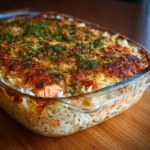
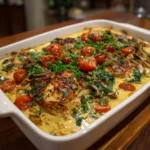
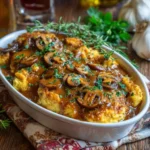
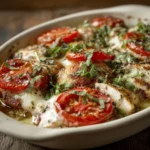
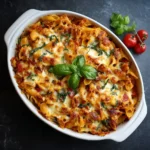
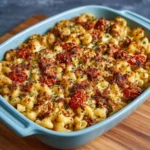
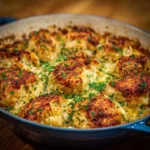
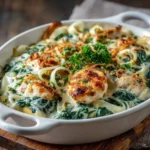
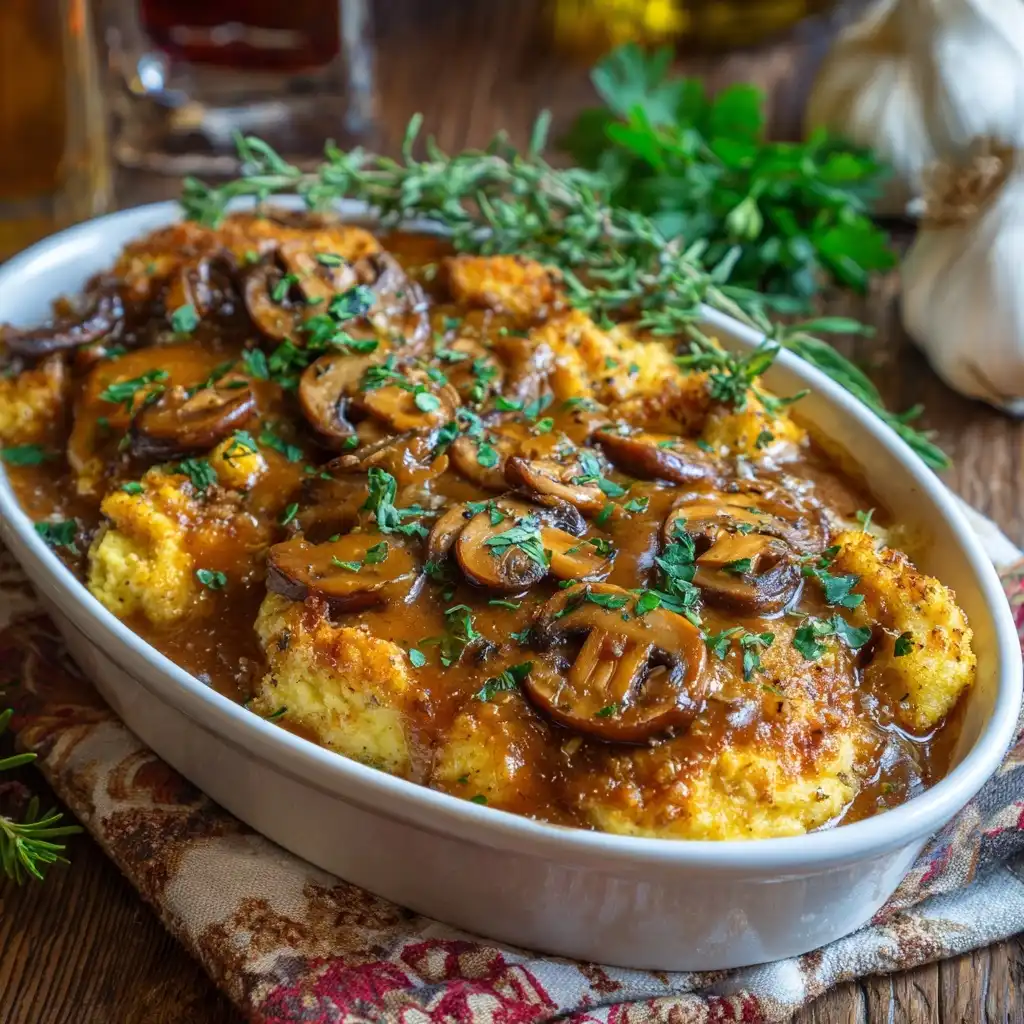
Chicken Marsala Casserole is a comforting, restaurant-worthy dish reimagined for home cooks who crave depth of flavor, tender textures, and effortless weeknight elegance. This hearty casserole transforms the classic Italian-American sauté—traditionally made with pan-seared chicken cutlets, earthy mushrooms, and rich Marsala wine reduction—into a hands-off, oven-baked masterpiece. Layered with creamy béchamel or velvety cheese sauce, tender roasted chicken, caramelized cremini or porcini mushrooms, and aromatic herbs, it delivers luxurious mouthfeel without constant stovetop attention. Whether served at a Sunday family dinner, a cozy date-night meal, or as a make-ahead centerpiece for holiday gatherings, Chicken Marsala Casserole bridges rustic charm and refined sophistication—proving that slow-simmered soul food can thrive in a single baking dish.
The History
The origins of Chicken Marsala trace back to Sicily, where Marsala wine—a fortified, amber-hued dessert wine from the western coast—has been produced since the late 18th century. Though the exact genesis remains debated among culinary historians, most agree that the dish evolved in the mid-20th century as Italian immigrants adapted regional techniques to American pantries and palates. Traditional “pollo alla marsala” featured thin chicken scaloppine quickly cooked in a hot pan with shallots, mushrooms, and a generous splash of Marsala, finished with butter and parsley. As American home kitchens embraced casseroles in the postwar era—driven by convenience, affordability, and communal dining culture—cooks began layering similar flavors into baked formats. The casserole adaptation emerged organically: replacing quick searing with gentle roasting, swapping delicate pan sauces for stable, oven-safe cream-and-cheese gravies, and incorporating ingredients like mozzarella, fontina, or Gruyère to add structural integrity and melty richness. Over time, food magazines, church cookbooks, and regional Italian-American communities helped codify variations—some leaning into Pennsylvania Dutch dairy traditions, others embracing California’s mushroom farms and Napa Valley wine culture. Today, Chicken Marsala Casserole stands as a delicious testament to culinary migration, innovation, and the enduring love affair between wine, fungi, and fowl.
Ingredients Breakdown
Every element in Chicken Marsala Casserole plays a purposeful role—not just in flavor, but in texture, moisture retention, and structural harmony during baking. Below is a meticulous breakdown of each component and why it matters:
- Chicken Breast or Thighs: Boneless, skinless chicken breasts offer lean tenderness; thighs provide superior juiciness and forgiving texture under prolonged baking. Uniform dicing (¾-inch cubes) ensures even cooking and prevents dryness. Brining (30 minutes in ¼ cup salt + 4 cups cold water) is highly recommended for maximum succulence.
- Marsala Wine: Authentic dry or semi-dry Marsala (not “cooking wine”) contributes deep nuttiness, subtle figgy sweetness, and acidity that balances richness. Avoid sweet dessert-style Marsala unless specifically aiming for a dessert-adjacent variation. Substitute options include dry sherry or Madeira—but never vinegar-based “marsala-style” products.
- Mushrooms: Cremini (baby bella) are ideal for their meaty texture and umami depth; white button mushrooms work in a pinch, while dried porcini (rehydrated in warm Marsala or broth) add profound savoriness. Slicing thickness (~¼ inch) prevents mushiness and promotes golden edges.
- Aromatics: Yellow onions and garlic form the foundational soffritto. Shallots may replace part of the onion for refined sweetness. Fresh thyme and rosemary (stems removed, leaves finely chopped) lend herbal brightness without bitterness.
- Thickening Agents: A roux (butter + all-purpose flour) creates a stable, glossy base; cornstarch slurry offers gluten-free clarity; beurre manié (kneaded butter-flour paste) allows last-minute thickening without lumps. Each affects mouthfeel differently—roux adds body, cornstarch yields silkiness, beurre manié imparts buttery sheen.
- Cream & Cheese: Heavy cream or full-fat coconut milk (for dairy-free) provides unctuousness; mascarpone or crème fraîche adds tang and luxury. Cheeses range from mild (mozzarella, provolone) to sharp (aged provolone, Asiago) or nutty (Gruyère, fontina). Parmigiano-Reggiano is non-negotiable for finishing—its crystalline crunch and salty punch cuts through fat.
- Liquid Base: Low-sodium chicken stock (preferably homemade or high-quality boxed) hydrates the casserole without oversalting. Mushroom soaking liquid (if using dried varieties) intensifies umami exponentially.
- Herbs & Seasonings: Fresh flat-leaf parsley adds color and freshness; black pepper must be freshly cracked for volatile oils; a whisper of grated nutmeg enhances creaminess. Optional additions: a splash of balsamic glaze for acidity, a pinch of red pepper flakes for warmth, or lemon zest for lift.
Step-by-Step Recipe
- Prep & Brine (30–60 min ahead): Cube 1.5 lbs boneless, skinless chicken (breast or thigh). Dissolve ¼ cup kosher salt in 4 cups cold water; submerge chicken, refrigerate 30–60 min. Drain, pat *extremely* dry with paper towels—this is critical for browning.
- Rehydrate Dried Mushrooms (if using): Soak ½ oz dried porcini in 1 cup warm Marsala or low-sodium broth for 20 min. Strain liquid through cheesecloth (reserve both mushrooms and liquid); chop mushrooms finely.
- Sauté Aromatics & Mushrooms: In a large Dutch oven or heavy-bottomed skillet over medium heat, melt 3 tbsp unsalted butter. Add 1 diced yellow onion and 3 minced garlic cloves; sweat 5 min until translucent. Add 12 oz sliced cremini mushrooms and rehydrated porcinis; cook 12–15 min, stirring occasionally, until deeply browned and liquid evaporates. Season with 1 tsp fresh thyme, ½ tsp rosemary, salt, and pepper.
- Build the Roux & Deglaze: Push mixture to sides. Add 3 tbsp butter to center; once melted, whisk in 3 tbsp all-purpose flour. Cook 2 min until golden and nutty. Gradually whisk in reserved mushroom liquid, then 1 cup dry Marsala. Simmer 3–4 min until reduced by half and slightly thickened.
- Incorporate Stock & Cream: Whisk in 2 cups low-sodium chicken stock, 1 cup heavy cream, and ¼ cup mascarpone. Bring to gentle simmer. Reduce heat to low; stir constantly 5 min until sauce coats the back of a spoon. Taste and adjust seasoning—remember cheese will add salt later.
- Combine Chicken & Sauce: Gently fold in brined, dried chicken cubes. Simmer uncovered 6–8 min until chicken reaches 160°F internally (it will finish in oven). Remove from heat; stir in 1 cup shredded fontina and ½ cup grated Parmigiano-Reggiano. Let cool slightly (10 min) to prevent cheese separation.
- Layer & Bake: Transfer mixture to a 9×13-inch ovenproof casserole dish (buttered or lined with parchment). Top evenly with 1 cup shredded mozzarella and remaining ½ cup Parmigiano-Reggiano. Dot with 1 tbsp cold butter pieces for golden crust. Bake at 375°F for 25–30 min until bubbly at edges and internal temp hits 165°F. Rest 10 min before serving.
- Finish & Serve: Garnish generously with fresh flat-leaf parsley, extra cracked black pepper, and lemon zest. Serve alongside garlic mashed potatoes, buttered egg noodles, or roasted seasonal vegetables.
Tips
- Dry Chicken is Non-Negotiable: Moisture is the enemy of browning—and browning = flavor. Pat chicken *twice*: once after brining, again after cubing. Use lint-free towels.
- Don’t Crowd the Pan: When sautéing mushrooms, cook in batches if needed. Overcrowding steams instead of sears, yielding gray, rubbery results.
- Roux Patience Pays Off: Cook the flour-butter mixture long enough to eliminate raw taste—but not so long it turns brown (which would clash with Marsala’s subtlety). 90 seconds to 2 minutes on medium-low is ideal.
- Acid Balance Matters: If sauce tastes flat after reduction, add ½ tsp lemon juice or 1 tsp balsamic vinegar—not to make it sour, but to brighten and harmonize.
- Cheese Timing is Key: Stir in melty cheeses (fontina, mozzarella) *off heat* to avoid graininess. Reserve hard, salty cheeses (Parmigiano, Pecorino) for topping—they caramelize beautifully under broil.
- Rest Before Cutting: Let casserole rest 8–12 minutes post-bake. This allows starches to set, fats to redistribute, and sauce to thicken naturally—no runny puddles on the plate.
- Oven Thermometer Essential: Home ovens often run hot or cold. An accurate oven thermometer ensures consistent browning and prevents dried-out edges.
- Make-Ahead Magic: Assemble up to 24 hours ahead (without cheese topping), refrigerate covered. Add cheese and bake straight from fridge—add 5–8 min to bake time.
- Freezer-Friendly Format: Cool completely, wrap tightly in foil + freezer bag. Freeze up to 3 months. Thaw overnight in fridge, then bake as directed (add 10–15 min).
- Crust Control: For extra-crispy topping, broil 1–2 min at end—watch closely! For softer top, cover loosely with foil first 20 min, then uncover.
Variations and Customizations
This casserole is a canvas—not a cage. Here are thoughtfully tested adaptations for dietary needs, seasonal shifts, pantry constraints, and adventurous palates:
- Gluten-Free: Replace all-purpose flour with 3 tbsp brown rice flour or certified GF all-purpose blend. Use tamari instead of soy sauce (if adding umami boosters). Ensure Marsala is certified GF (most are, but verify).
- Dairy-Free/Vegan Option: Swap butter for refined coconut oil or vegan butter; use full-fat coconut milk + cashew cream instead of heavy cream; replace cheese with nutritional yeast + blended silken tofu + lemon juice + miso for “cheesy” umami. Marinated tempeh or king oyster mushrooms stand in for chicken.
- Low-Carb/Keto: Omit flour; thicken with 1 tsp xanthan gum whisked into cold stock before adding. Use full-fat dairy, increase mushrooms, add cauliflower rice (pre-roasted to remove moisture) as a subtle base extender.
- Poultry Swap: Turkey cutlets, duck breast (sliced thin), or even boneless pork loin (brined and cubed) deliver distinct richness. Ground chicken or turkey works too—brown thoroughly, drain fat, then proceed.
- Mushroom Medley: Combine shiitake (earthy), oyster (delicate), maitake (meaty), and enoki (textural contrast). Roast some separately for garnish.
- Wine Alternatives: Dry vermouth (bright, herbal), Pinot Noir (fruity, acidic), or even non-alcoholic Marsala-style reduction (simmer grape juice + vanilla + brown sugar + sherry vinegar) for family-friendly versions.
- Global Twists: Add 1 tsp smoked paprika + chorizo crumbles (Spanish); stir in 1 tbsp gochujang + sesame oil (Korean-inspired); fold in sun-dried tomatoes + basil + pine nuts (Mediterranean); top with crispy prosciutto + balsamic drizzle (Italian-American fusion).
- Breakfast Casserole: Add 6 whisked eggs + ¼ cup cream to cooled mixture; bake at 350°F for 45–55 min until set. Top with chives and fried eggs.
- Stuffed Vegetable Version: Hollow out large portobello caps or bell peppers; fill with casserole mixture; bake 35–40 min until tender. Perfect for portion control and presentation.
- Sheet Pan Simplified: Toss chicken cubes, mushrooms, onions, and garlic with olive oil, herbs, and Marsala; roast at 425°F for 20 min. Whisk in cream, cheese, and stock; return to oven 10 min. Faster, less cleanup, same soul.
Health Considerations and Nutritional Value
Chicken Marsala Casserole, when prepared mindfully, aligns surprisingly well with balanced nutrition principles—offering high-quality protein, bioactive compounds, and modifiable fat profiles. A standard 1-cup serving (made with lean chicken breast, moderate cheese, and minimal added salt) contains approximately:
- Calories: 380–420 kcal
- Protein: 32–36 g (65–75% of daily value)—supports muscle maintenance, satiety, and metabolic health.
- Fat: 20–24 g total (7–9 g saturated); primarily from dairy and chicken skin (if used). Swapping heavy cream for Greek yogurt (½ cup) reduces saturated fat by ~6 g without sacrificing creaminess.
- Carbohydrates: 8–12 g (mostly from mushrooms, onions, and residual Marsala sugars); fiber content ~2 g from mushrooms and aromatics—supporting gut microbiome diversity.
- Vitamins & Minerals: Rich in B6 and B12 (chicken), selenium (mushrooms), potassium (onions, stock), vitamin D (fortified dairy), and ergothioneine (a potent antioxidant unique to mushrooms).
- Sodium: 480–620 mg per serving (varies with stock/cheese choice). Using low-sodium stock, omitting added salt during prep, and relying on herb/acid balance keeps this within heart-healthy guidelines (<2,300 mg/day).
- Considerations: Those managing hypertension should monitor cheese and stock sodium; individuals with lactose intolerance may tolerate aged cheeses (Parmigiano, Gruyère) better than fresh mozzarella—lactase enzyme supplements also help. For blood sugar stability, pair with non-starchy sides (roasted broccoli, zucchini noodles) rather than pasta or potatoes.
Notably, mushrooms contribute beta-glucans—immune-modulating polysaccharides—and Marsala wine contains resveratrol and flavonoids linked to cardiovascular protection (though amounts in cooking are modest). The dish’s inherent umami also promotes mindful eating by enhancing satisfaction signals, potentially reducing overall caloric intake at meals.
Ingredients
- 1.5 lbs boneless, skinless chicken breast or thighs, brined (see Tips)
- ¼ cup kosher salt (for brine)
- 4 cups cold water (for brine)
- 3 tbsp unsalted butter (plus extra for dish)
- 1 medium yellow onion, finely diced
- 3 garlic cloves, minced
- 12 oz cremini mushrooms, wiped clean and sliced ¼-inch thick
- ½ oz dried porcini mushrooms (optional but recommended)
- 1 cup dry Marsala wine (authentic, not cooking wine)
- 3 tbsp all-purpose flour (or GF alternative)
- 2 cups low-sodium chicken stock
- 1 cup heavy cream (or full-fat coconut milk)
- ¼ cup mascarpone or crème fraîche
- 1 tsp fresh thyme leaves, finely chopped
- ½ tsp fresh rosemary, finely chopped
- Freshly ground black pepper
- 1 cup shredded fontina cheese
- 1 cup shredded low-moisture mozzarella
- 1 cup grated Parmigiano-Reggiano (plus extra for garnish)
- ¼ cup fresh flat-leaf parsley, finely chopped
- Zest of 1 lemon (optional, for brightness)
Directions
- Brine chicken: Dissolve salt in cold water. Submerge chicken, refrigerate 30–60 min. Drain, pat *thoroughly* dry.
- Rehydrate porcinis: Soak in 1 cup warm Marsala or broth 20 min. Strain liquid through cheesecloth; chop mushrooms.
- Heat Dutch oven over medium. Melt 3 tbsp butter. Add onion and garlic; sweat 5 min.
- Add cremini and porcini mushrooms; cook 12–15 min until deeply browned and dry.
- Push mixture aside. Add 3 tbsp butter to center; melt. Whisk in flour; cook 2 min until golden.
- Gradually whisk in reserved porcini liquid, then Marsala. Simmer 3–4 min until reduced by half.
- Whisk in stock, cream, and mascarpone. Simmer 5 min until thickened. Season with thyme, rosemary, pepper.
- Gently fold in brined chicken. Simmer 6–8 min until chicken reaches 160°F. Remove from heat.
- Stir in fontina and ½ cup Parmigiano. Cool 10 min.
- Transfer to buttered 9×13-inch casserole. Top with mozzarella and remaining ½ cup Parmigiano. Dot with 1 tbsp butter.
- Bake at 375°F for 25–30 min until bubbling and internal temp reaches 165°F.
- Rest 10 min. Garnish with parsley, lemon zest, extra pepper, and more Parmigiano.
FAQ
- Can I use frozen chicken?
- Yes—but thaw completely in refrigerator first. Never bake partially frozen chicken in casserole; uneven cooking risks foodborne illness and dry texture. Pat *extra* dry to compensate for ice crystal moisture.
- Why does my sauce break or look greasy?
- Overheating dairy (especially cream + cheese) causes fat separation. Always add cheese off heat or at low simmer. Stir gently—not vigorously. If broken, whisk in 1 tsp cold cream or ½ tsp Dijon mustard to re-emulsify.
- Can I skip the Marsala? Is there a non-alcoholic substitute?
- Technically yes—but flavor suffers significantly. Best non-alcoholic alternatives: reduce ½ cup grape juice + 1 tsp apple cider vinegar + ¼ tsp vanilla + pinch of brown sugar until syrupy; or use mushroom-soaking liquid + 1 tsp sherry vinegar. Flavor won’t be identical, but umami remains.
- How do I prevent soggy mushrooms?
- High heat, dry pan, and no stirring for first 4–5 minutes. Let them sear undisturbed to develop fond. Salt only *after* browning begins—early salting draws out water.
- Can I prepare this entirely in a slow cooker?
- Yes—with adjustments: Sear chicken/mushrooms first. Combine all ingredients *except* cream, cheese, and parsley in crockpot. Cook on LOW 4 hours. Stir in cream and cheeses in last 30 min. Broil topping separately.
- What sides pair best with Chicken Marsala Casserole?
- Traditional pairings include garlic mashed potatoes, buttered wide egg noodles, or creamy polenta. For lighter options: roasted asparagus, sautéed spinach with lemon, herbed couscous, or grilled zucchini ribbons. A crisp green salad with balsamic vinaigrette cuts richness perfectly.
- My casserole turned out bland—what went wrong?
- Most common culprits: undersalted (especially pre-brine), low-quality Marsala, skipping mushroom browning, or using skim milk instead of full-fat dairy. Taste sauce *before* adding cheese—it should be boldly seasoned, as cheese mellows salt and acid.
- Can I double this recipe?
- Absolutely—use a 9×13-inch dish for single batch; for double, use two 9×13 dishes or a 12×17-inch roaster. Increase bake time by 5–7 min. Do not double the roux proportionally—stick to 3 tbsp flour per 1.5 lbs chicken to avoid pastiness.
- Is leftover casserole good reheated?
- Excellent! Reheat covered at 325°F until warmed through (20–25 min). For best texture, add 1–2 tbsp broth or cream before reheating to refresh moisture. Microwaving works but may toughen chicken—stir halfway.
- Can kids eat Chicken Marsala Casserole?
- Yes—the alcohol in Marsala fully cooks off during simmering and baking (ethanol evaporates at 173°F; dish exceeds 212°F). Pediatric dietitians confirm negligible residual alcohol (<0.5%) in properly prepared dishes.
Summary
Chicken Marsala Casserole is a masterclass in layered umami, marrying tender brined chicken, deeply caramelized mushrooms, and the complex nuttiness of authentic Marsala wine—all enveloped in a luxuriously creamy, cheese-laced sauce and baked to golden perfection. It honors its Sicilian roots while embracing modern convenience, offering customizable nutrition, make-ahead ease, and endless culinary creativity—all from one humble baking dish.