Introduction
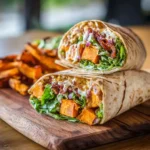
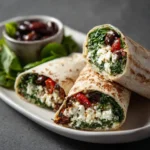
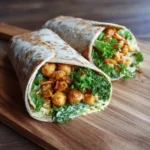
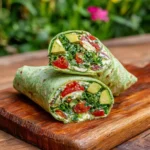
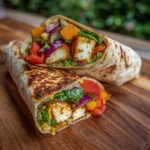
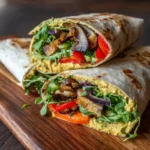
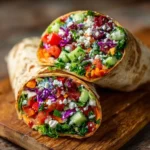
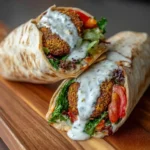
The Chicken Hummus Veggie Wrap is a vibrant, nutrient-dense fusion dish that marries the creamy richness of hummus with lean protein and an abundance of crisp, colorful vegetables—all elegantly enfolded in a soft, pliable whole-grain or spinach tortilla. Designed for modern eaters who crave convenience without compromise, this wrap delivers bold flavor, satisfying texture, and balanced macros in every bite. Whether you’re packing lunch for work, fueling up before a workout, prepping meals for the week, or seeking a light yet hearty dinner option, this recipe rises to the occasion—offering versatility, adaptability, and gourmet appeal without demanding gourmet effort.
The History
While no single origin story defines the Chicken Hummus Veggie Wrap, its evolution reflects decades of culinary cross-pollination. Hummus itself traces back over 1,000 years to medieval Egypt and the Levant, where chickpeas, tahini, lemon, and garlic were first blended into a smooth, savory dip. Wraps as portable handheld meals gained traction in the United States during the 1980s and ’90s, popularized by Mexican-inspired burritos and Middle Eastern-style shawarma wraps—both emphasizing portability, layered textures, and bold seasoning. The intentional fusion of grilled chicken (a globally adopted lean protein staple since the poultry boom of the mid-20th century) with traditional hummus emerged organically in health-conscious cafes, meal-prep blogs, and boutique salad chains around the early 2010s. As consumers increasingly sought gluten-light, high-protein, plant-forward alternatives to sandwiches and burgers, the Chicken Hummus Veggie Wrap became a signature menu item—symbolizing the convergence of Mediterranean tradition, American practicality, and wellness-oriented eating. Its rise mirrors broader cultural shifts: the normalization of plant-based fats (tahini), the mainstreaming of global pantry staples (sumac, za’atar, harissa), and the growing demand for meals that are both Instagram-worthy and nutritionally intelligent.
Ingredients Breakdown
Every component of this wrap serves a functional and flavorful purpose—no ingredient is arbitrary. Let’s explore each layer in detail:
- Chicken Breast: Boneless, skinless, and preferably organic or air-chilled for tenderness and clean flavor. Rich in complete protein (about 31g per 100g), B vitamins (especially B6 and niacin), selenium, and phosphorus. Marinating enhances moisture retention and allows spices to penetrate deeply.
- Hummus: The creamy heart of the wrap. Traditional hummus contains chickpeas (fiber-rich legumes with resistant starch), tahini (sesame seed paste loaded with calcium, copper, magnesium, and heart-healthy monounsaturated fats), extra-virgin olive oil (polyphenol-rich anti-inflammatory agent), fresh lemon juice (vitamin C booster and natural preservative), and garlic (allicin-containing immune support). Opt for low-sodium, no-oil-added, or house-made versions to maximize nutritional integrity.
- Tortilla: A foundational canvas—not just filler. Whole-wheat wraps provide 4–6g of fiber per serving and complex carbohydrates for sustained energy; spinach or tomato-infused varieties add phytonutrients (lutein, beta-carotene); low-carb almond-flour or coconut-flour wraps cater to keto or gluten-sensitive diets. Look for wraps with <5g added sugar and >3g fiber per serving.
- Vegetables: A rainbow-powered ensemble: shredded romaine (vitamin K & folate), thinly sliced cucumber (hydrating and crunchy), red bell pepper (vitamin C powerhouse—1 cup delivers >160% DV), shredded purple cabbage (anthocyanin-rich antioxidants), grated carrots (beta-carotene and natural sweetness), and microgreens or sprouts (enzymatically active, vitamin-dense “living food” with concentrated sulforaphane).
- Flavor Enhancers: Crumbled feta cheese (tangy, salty, calcium-rich—use sparingly or sub with vegan feta); fresh herbs like chopped parsley, dill, or mint (volatile oils aid digestion and brighten flavor); a drizzle of lemon-tahini sauce or harissa-spiked yogurt; toasted pine nuts or slivered almonds (healthy fats + crunch); and optional pickled red onions (probiotic potential + acidity to cut richness).
Step-by-Step Recipe
- Prep the Chicken (20 minutes prep + 15–20 minutes cook): In a medium bowl, combine 1 lb boneless, skinless chicken breast (sliced into ½-inch strips), 2 tbsp olive oil, 2 tsp ground cumin, 1½ tsp smoked paprika, 1 tsp garlic powder, 1 tsp onion powder, ½ tsp turmeric, ½ tsp dried oregano, 1 tbsp fresh lemon juice, ½ tsp sea salt, and ¼ tsp black pepper. Massage thoroughly and marinate at room temperature for 15 minutes (or refrigerate up to 2 hours). Heat a cast-iron skillet or grill pan over medium-high heat. Cook chicken 5–7 minutes per side until internal temperature reaches 165°F and edges develop a caramelized crust. Transfer to a cutting board, let rest 5 minutes, then slice into thin, bite-sized pieces.
- Prepare the Vegetables (10 minutes): While chicken cooks, wash and thoroughly dry all produce. Shred 2 cups romaine lettuce using a sharp knife or salad chopper. Julienne ½ medium cucumber (unpeeled for nutrients), 1 small red bell pepper, and ½ cup purple cabbage. Grate 1 large carrot using a box grater’s large holes. Thinly slice ¼ red onion and quick-pickle it in ¼ cup apple cider vinegar, 1 tsp maple syrup, and a pinch of salt for 10+ minutes. Rinse and pat dry if using raw onion instead.
- Warm & Soften Tortillas (2 minutes): Place 4 (10-inch) whole-grain or spinach tortillas on a dry skillet over medium heat for ~30 seconds per side until pliable and slightly puffed. Alternatively, wrap stacked tortillas in damp paper towels and microwave for 20 seconds. This prevents tearing during rolling.
- Assemble Each Wrap (3 minutes per wrap): Lay a warm tortilla flat on a clean surface. Spread ⅓ cup (about 3 oz) of hummus evenly across the center, leaving a 1.5-inch border. Layer ¼ of the cooked chicken strips lengthwise down the middle. Top with ½ cup romaine, ¼ cup cucumber, ¼ cup bell pepper, 2 tbsp cabbage, 2 tbsp carrots, 1 tbsp pickled onions, and 1 tbsp crumbled feta. Finish with 1 tsp fresh parsley and a light squeeze of lemon juice.
- Roll with Precision (1 minute per wrap): Fold the bottom third of the tortilla up over the filling. Fold in both sides snugly toward the center. Then, roll forward tightly from the bottom, applying gentle but firm pressure to compact layers. If desired, wrap each finished wrap in parchment paper, then foil or reusable beeswax wrap for clean, portable storage.
- Serve or Store: Serve immediately at room temperature—or chill for up to 24 hours (best consumed within 12 hours for optimal texture). For meal prep: place seam-side down in an airtight container with parchment between wraps to prevent sticking.
Tips
- Prevent Sogginess: Always pat vegetables completely dry after washing—especially cucumbers and tomatoes (which aren’t used here but often tempt substitutions). Use hummus as a moisture barrier *under* the chicken, not over it, to shield greens from direct contact with warm protein.
- Maximize Flavor Penetration: Brine chicken lightly before marinating—½ tsp salt per ½ cup water for 15 minutes—then rinse and pat dry. This improves juiciness and seasoning absorption far beyond surface-level marinades alone.
- Tortilla Hack: If your tortillas crack when rolling, they’re too cold or too dry. Steam them briefly (hold over boiling kettle steam for 5 seconds) or brush lightly with olive oil and warm in a pan for extra flexibility.
- Meal-Prep Smart: Store components separately for up to 4 days: cooked chicken (refrigerated), chopped veggies (in separate airtight containers lined with paper towels), hummus (covered surface with olive oil to prevent drying), and tortillas (wrapped in cloth or stored in bread bag). Assemble day-of for peak freshness.
- Grill or Air-Fry Option: For smoky depth, grill chicken over charcoal or use an air fryer at 375°F for 12–14 minutes, flipping halfway. Both methods yield superior texture vs. pan-searing alone.
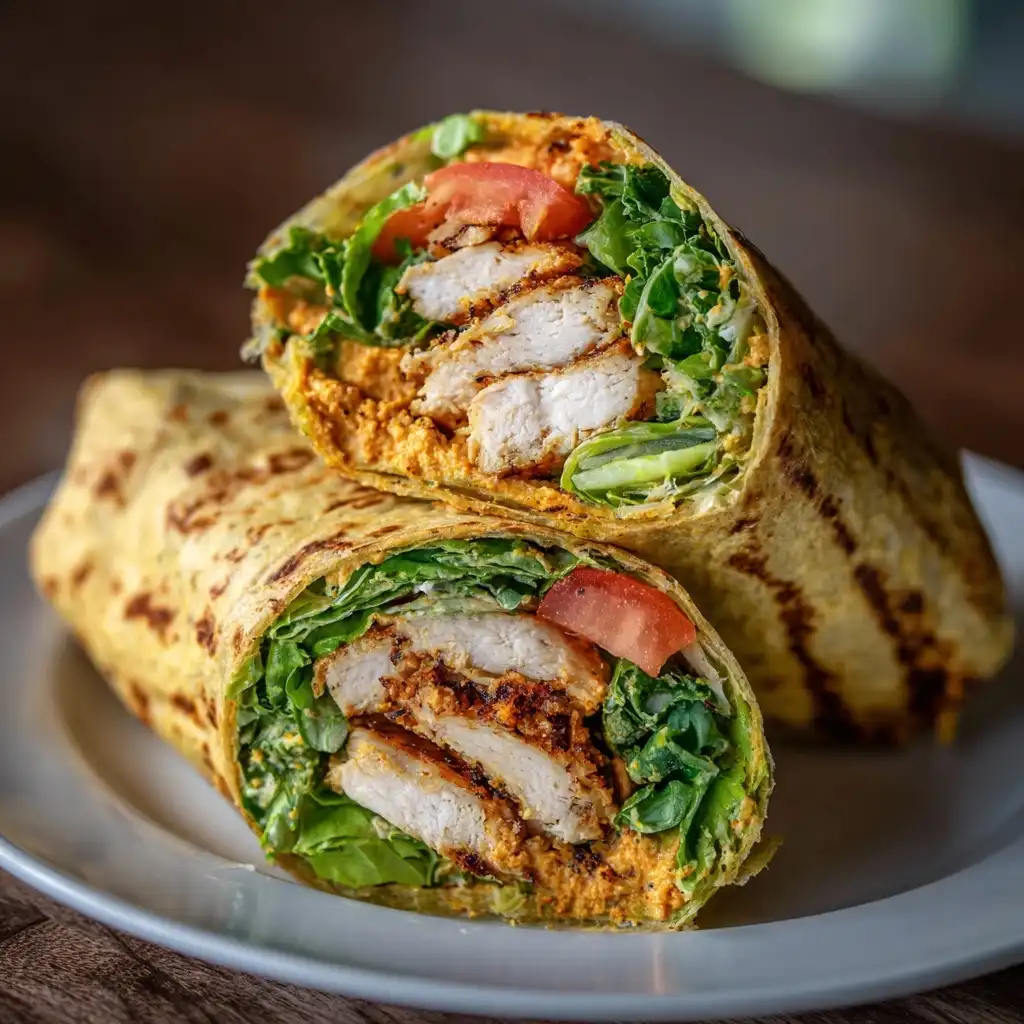
- Cutting Technique: Slice assembled wraps diagonally with a serrated knife dipped in hot water—this prevents squishing and yields photogenic halves with visible layers.
- Make-Ahead Sauce: Whisk together ½ cup plain Greek yogurt, 1 tbsp lemon juice, 1 tsp za’atar, ½ tsp garlic powder, and a pinch of sumac for a cooling, zesty drizzle that complements both chicken and hummus beautifully.
Variations and Customizations
This wrap is inherently modular—ideal for dietary preferences, seasonal produce, pantry availability, or adventurous flavor exploration. Here’s how to tailor it thoughtfully:
- Vegan/Vegetarian: Omit chicken and replace with ½ cup marinated & baked tofu cubes, ⅔ cup spiced lentils, or ½ cup crumbled tempeh bacon. Boost umami with tamari-marinated shiitake mushrooms or sun-dried tomato tapenade.
- Keto/Low-Carb: Skip the tortilla entirely and serve as a deconstructed “hummus bowl”: layer hummus in a shallow bowl, top with chicken, veggies, olives, avocado slices, and hemp seeds. Or use large butter lettuce or collard green leaves as sturdy, low-carb wrappers.
- Gluten-Free: Choose certified GF tortillas (brown rice, cassava, or almond flour blends) and verify hummus labels—some brands use wheat-based thickeners or shared equipment. Always check spice blends for hidden gluten.
- Spice-Lover’s Edition: Add ½ tsp harissa paste to the chicken marinade; swap standard hummus for roasted red pepper or chipotle hummus; top with jalapeño ribbons and a cilantro-lime crema.
- Mediterranean Twist: Replace feta with crumbled goat cheese or labneh; add kalamata olives, artichoke hearts, and roasted cherry tomatoes; finish with oregano and a drizzle of high-quality Greek olive oil.
- Asian-Inspired Fusion: Marinate chicken in ginger-soy-sesame blend; use edamame hummus or miso-tahini spread; load with shredded napa cabbage, daikon radish, scallions, and quick-pickled ginger; garnish with sesame seeds and chili crisp.
- Kid-Friendly Version: Use mild hummus (skip garlic or roast it first), omit onions and strong herbs, add thinly sliced apple or pear for sweetness, and shape wraps into pinwheels (slice into rounds after rolling) for playful presentation.
- High-Protein Power Wrap: Add 1 hard-boiled egg (sliced), 1 tbsp hemp hearts, and 1 oz grilled shrimp alongside chicken. Increase hummus to ½ cup and include a spoonful of white bean mash for extra fiber and protein synergy.
- Herb Garden Wrap: Feature an herb-forward profile—substitute half the romaine with baby spinach and arugula, add basil ribbons, mint leaves, and dill fronds, and whisk fresh tarragon into the hummus.
Health Considerations and Nutritional Value
A single standard Chicken Hummus Veggie Wrap (made with 10-inch whole-wheat tortilla, 4 oz grilled chicken, ⅓ cup classic hummus, and 1.5 cups mixed raw vegetables) delivers approximately:
- Calories: 480–540 kcal
- Protein: 38–42g (75–85% of average adult daily needs)
- Fiber: 12–15g (50–60% DV—supporting gut motility, satiety, and microbiome diversity)
- Healthy Fats: 18–22g (primarily monounsaturated from olive oil, tahini, and avocado if added—linked to reduced LDL cholesterol and improved endothelial function)
- Vitamins & Minerals: Exceptionally high in Vitamin A (from carrots & peppers), Vitamin C (bell peppers, lemon, parsley), Vitamin K (romaine, cabbage), Folate (chickpeas, greens), Iron (chicken + vitamin C for enhanced absorption), Magnesium (spinach tortilla, tahini), and Potassium (cucumber, tomato-free balance).
Dietary Notes & Considerations:
- Sodium Awareness: Store-bought hummus and seasoned chicken blends can be sodium-heavy. Make hummus from scratch or choose brands with <200mg sodium per ¼ cup. Limit added salt in marinade if using pre-salted spices.
- FODMAP Sensitivity: Traditional hummus contains chickpeas and garlic—high-FODMAP triggers. Use canned, well-rinsed chickpeas (reduces oligosaccharides) and swap garlic for garlic-infused oil (FODMAP-safe) or asafoetida (hing). Omit onion and use chives sparingly.
- Allergen Transparency: Contains sesame (tahini), gluten (in most tortillas), and optionally dairy (feta/yogurt). Clearly label wraps if serving guests or in shared kitchens.
- Blood Sugar Balance: Low glycemic impact due to high protein/fiber/fat ratio and absence of refined grains or added sugars—ideal for insulin resistance, prediabetes, or metabolic syndrome management.
- Pregnancy & Immunity: Pasteurized ingredients recommended; avoid raw sprouts unless home-grown and sanitized. Includes folate-rich foods critical for neural tube development and zinc- and selenium-rich chicken supporting immune resilience.
- Heart Health Alignment: Meets American Heart Association criteria for heart-healthy meals: low saturated fat (<10% calories), zero trans fat, high in potassium & unsaturated fats, and rich in antioxidant phytochemicals from colorful vegetables.
Ingredients
- 1 lb boneless, skinless chicken breast, sliced into ½-inch strips
- 2 tbsp extra-virgin olive oil (divided)
- 2 tsp ground cumin
- 1½ tsp smoked paprika
- 1 tsp garlic powder
- 1 tsp onion powder
- ½ tsp ground turmeric
- ½ tsp dried oregano
- 1 tbsp fresh lemon juice
- ½ tsp fine sea salt
- ¼ tsp freshly ground black pepper
- 4 (10-inch) whole-grain or spinach tortillas (certified gluten-free if needed)
- 1⅓ cups (about 12 oz) plain or roasted garlic hummus (homemade preferred)
- 2 cups shredded romaine lettuce
- ½ medium English cucumber, julienned (unpeeled)
- 1 small red bell pepper, thinly sliced
- ½ cup shredded purple cabbage
- 1 large carrot, coarsely grated
- ¼ red onion, very thinly sliced (for quick-pickling)
- ¼ cup apple cider vinegar
- 1 tsp pure maple syrup or honey
- Pinch of sea salt (for pickling)
- ¼ cup crumbled feta cheese (optional; omit for vegan)
- 2 tbsp fresh flat-leaf parsley, chopped
- Additional lemon wedges for serving
Directions
- In a medium mixing bowl, combine chicken strips with 1 tbsp olive oil, cumin, smoked paprika, garlic powder, onion powder, turmeric, oregano, lemon juice, salt, and pepper. Gently massage spices into meat until evenly coated. Let marinate at room temperature for 15 minutes (or refrigerate up to 2 hours).
- Heat remaining 1 tbsp olive oil in a large nonstick or cast-iron skillet over medium-high heat. Add marinated chicken in a single layer (work in batches if needed to avoid steaming). Cook undisturbed for 5–6 minutes, until golden brown and slightly caramelized on the bottom. Flip and cook another 5–6 minutes, or until internal temperature reaches 165°F. Transfer to a cutting board, tent loosely with foil, and rest for 5 minutes. Slice into thin, even pieces.
- While chicken rests, prepare quick-pickled onions: In a small bowl, combine sliced red onion, apple cider vinegar, maple syrup, and pinch of salt. Stir and set aside for at least 10 minutes (up to 1 hour for deeper tang).
- Warm tortillas one at a time in a dry skillet over medium heat for 25–30 seconds per side until soft and pliable. Stack wrapped in a clean kitchen towel to keep warm and moist.
- Assemble wraps: Lay one warm tortilla flat. Spread ⅓ cup hummus in a 5-inch horizontal stripe across the center. Arrange ¼ of the sliced chicken in a line directly over hummus. Top evenly with ½ cup romaine, ¼ cup cucumber, ¼ cup bell pepper, 2 tbsp cabbage, 2 tbsp grated carrot, 1 tbsp pickled onions, 1 tbsp feta (if using), and ½ tsp parsley.
- To roll: Fold bottom edge up over filling, covering about one-third. Fold left and right edges inward toward center, overlapping slightly. Then, roll tightly upward from the bottom, pressing gently to compact layers. Seal seam by dabbing with a bit of hummus or water if needed.
- Repeat with remaining tortillas and fillings. Serve immediately, or wrap each tightly in parchment paper followed by aluminum foil or reusable wrap. Refrigerate up to 24 hours—but for best texture and crunch, consume within 12 hours.
- Optional finishing touch: Drizzle with lemon-tahini sauce, sprinkle with sumac or za’atar, or serve with a side of chilled tzatziki or harissa aioli.
FAQ
- Can I make this wrap ahead of time?
- Yes—with caveats. Fully assembled wraps hold well refrigerated for up to 12 hours if tightly wrapped in parchment + foil. Beyond that, vegetables soften and tortillas may become gummy. For true make-ahead success, prep and store components separately: cooked chicken (4 days), chopped veggies (3–4 days in sealed containers with paper towel), hummus (5 days), and tortillas (room temp 5–7 days or fridge 10 days). Assemble same-day.
- What’s the best hummus to use?
- Homemade is ideal for control over ingredients and sodium. If purchasing, look for brands with short, recognizable ingredients—chickpeas, tahini, lemon juice, garlic, olive oil, salt—and avoid added sugars, stabilizers (xanthan gum is okay in moderation), or excessive preservatives. Recommended brands include Cedar’s Classic, Hope Foods, or Sabra Organic. For lower-fat options, try hummus made with white beans or edamame—but note flavor and texture shift significantly.
- Can I freeze Chicken Hummus Veggie Wraps?
- Not recommended. Freezing causes tortillas to become brittle and chewy upon thawing, and vegetables release excess water, resulting in sogginess and compromised structural integrity. Instead, freeze cooked, seasoned chicken separately for up to 3 months—thaw overnight in fridge and assemble fresh.
- Why does my wrap fall apart when I cut or bite into it?
- Common causes include overfilling, insufficient compression while rolling, cold or stiff tortillas, or using a wrap with low elasticity (e.g., some low-carb brands). Solution: Reduce filling volume by 10%, press firmly as you roll, always warm tortillas first, and choose wraps labeled “flexible,” “soft,” or “burrito-style.” Also, slice with a sharp serrated knife—not a chef’s knife—to minimize pressure-induced unraveling.
- Is this wrap suitable for weight loss?
- Absolutely—when portioned mindfully. It’s naturally high in satiating protein and fiber, low in added sugar, and rich in volume-inducing, low-calorie vegetables. At ~500 calories, it fits comfortably within most balanced weight-loss plans. To further reduce calories: use ¾ cup hummus instead of 1⅓ cups, opt for lettuce wrap, skip feta, and increase non-starchy veggie volume (add zucchini ribbons or jicama matchsticks).
- How do I add more healthy fats?
- Boost monounsaturated and omega-3 fats by adding ¼ avocado (sliced or mashed into hummus), 1 tbsp toasted walnuts or flaxseed, 1 tsp chia seeds sprinkled inside, or a drizzle of high-phenolic EVOO post-assembly. Avoid frying or heavy cheese additions—prioritize whole-food fat sources for maximal benefit.
- Can I use canned chicken?
- Yes—in a pinch—but quality varies widely. Choose low-sodium, water-packed chicken breast (not in broth or oil), drain and rinse thoroughly, then gently pat dry. For best texture and flavor, sauté rinsed canned chicken in 1 tsp olive oil with spices for 2–3 minutes to revive aroma and remove excess moisture. Homemade or rotisserie chicken remains superior for taste and moisture control.
- What dipping sauces pair well?
- Complementary options include: Lemon-Tahini Drizzle (whisk ¼ cup tahini, 3 tbsp lemon juice, 2 tbsp water, 1 minced garlic clove, pinch salt), Greek Yogurt Dill Sauce (½ cup plain Greek yogurt, 1 tbsp fresh dill, 1 tsp lemon zest, 1 tsp lemon juice), Roasted Red Pepper Aioli (½ cup vegan mayo + 2 tbsp roasted red pepper purée + ½ tsp smoked paprika), or Spicy Harissa Mayo (3 tbsp mayo + 1 tsp harissa + ½ tsp lime juice).
- Are there grain-free tortilla alternatives?
- Yes—though texture differs. Try coconut flour tortillas (soft but delicate), almond flour wraps (nutty, sturdy), cassava flour tortillas (chewy, neutral), or large butter lettuce or collard green leaves (crisp, refreshing, zero-carb). Note: Grain-free wraps often require extra moisture (light oil brushing) and gentle handling during warming and rolling.
- How can I make this kid-friendly without sacrificing nutrition?
- Keep flavors mild (omit garlic/onion in marinade, use roasted garlic hummus), add naturally sweet elements (thin apple or pear slices, roasted sweet potato ribbons), use fun shapes (pinwheels, mini wraps), involve kids in assembly (let them choose toppings), and serve with a side of hummus for dipping raw veggies. Sneak in nutrients with spinach-infused hummus or finely grated zucchini folded into chicken mixture before cooking.
Summary
The Chicken Hummus Veggie Wrap is a masterclass in balanced, flavorful, and functional nutrition—uniting lean protein, creamy plant-based fat, vibrant phytonutrient-dense vegetables, and fiber-rich complex carbs into one supremely satisfying handheld meal.
Infinitely adaptable for dietary needs, seasonal produce, and flavor preferences, it’s equally at home in a busy weekday lunchbox, a post-yoga recovery snack, a picnic basket centerpiece, or a stress-free weeknight dinner—proving that wholesome eating need never mean compromising on taste, texture, or joy.