Introduction
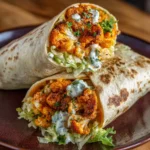
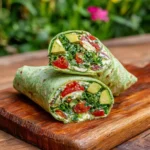
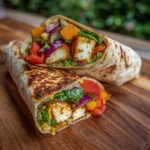
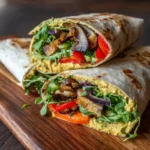
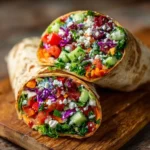
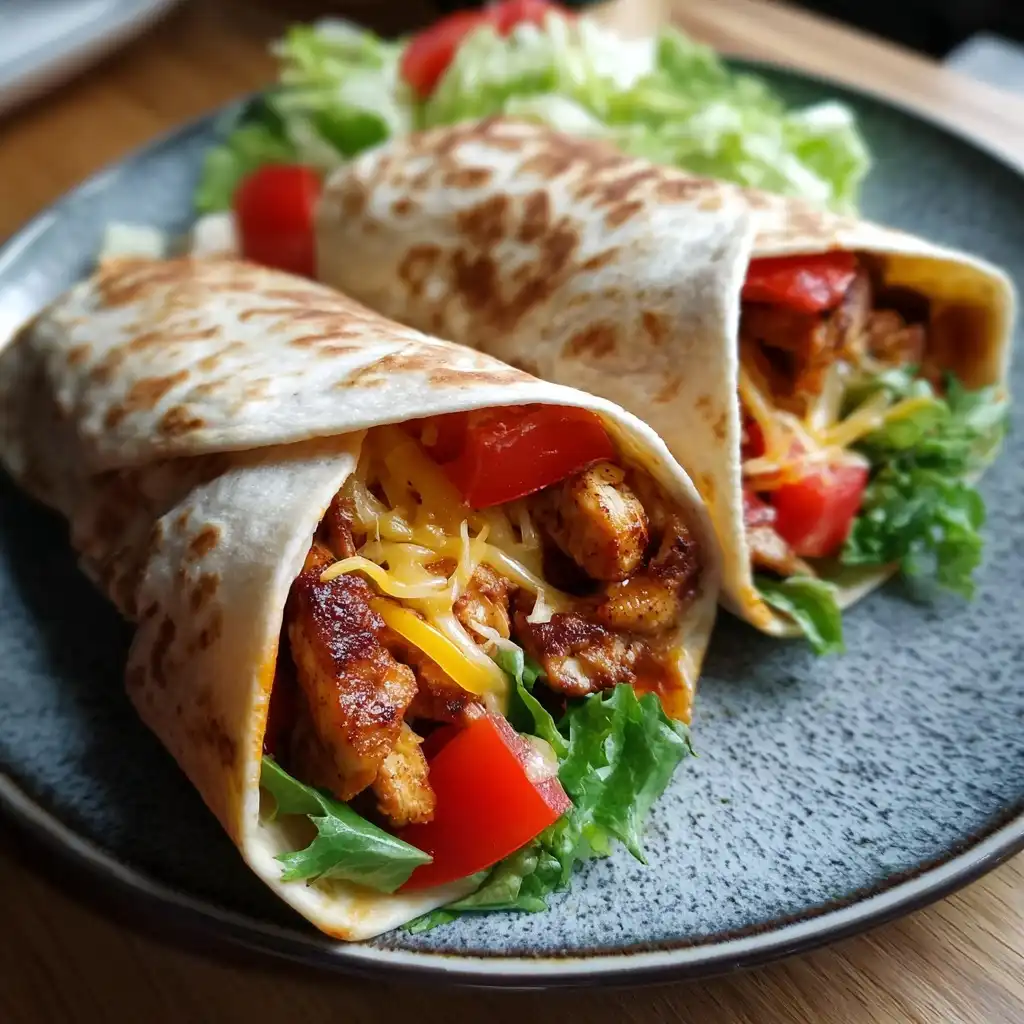
The Chicken Fajita Wrap is a vibrant, flavor-packed fusion dish that bridges the bold traditions of Tex-Mex cuisine with the modern convenience and portability of a handheld meal. More than just a quick lunch option, it’s a symphony of sizzling spices, tender grilled chicken, colorful sautéed vegetables, and creamy, zesty toppings—all elegantly encased in a warm, pliable tortilla. Whether you’re prepping for weekday lunches, hosting a casual get-together, packing school or work meals, or simply craving something satisfying yet balanced, the Chicken Fajita Wrap delivers on taste, texture, nutrition, and versatility. Its adaptability makes it endlessly customizable—suitable for keto, gluten-free, dairy-free, vegetarian (with protein swaps), or even Whole30-compliant diets when prepared mindfully. This guide dives deep into every dimension of the dish: its cultural roots, ingredient science, foolproof cooking methodology, pro tips honed from decades of fajita mastery, creative riffs for every palate and pantry, comprehensive nutritional analysis, and answers to the questions home cooks ask most.
The History
The Chicken Fajita Wrap is a delicious evolution—not an origin—but one rooted in rich culinary lineage. Traditional fajitas trace their origins to the ranch lands of South Texas in the early 19th century, where Mexican vaqueros (cowboys) were often paid in less-prized cuts of meat—including skirt steak—and cooked them over open flames with simple seasonings and available produce. The word “fajita” comes from the Spanish faja, meaning “belt” or “girdle,” referring to the cut’s long, flat shape. By the 1930s–40s, these griddled meats with onions and peppers became staples at cookouts and roadside stands, eventually gaining wider popularity after being featured at the 1969 Texas State Fair by restaurateur Sonny Falcon. The term “fajita” was formally coined in the 1970s by Austin-based chef Ninfa Laurenzo of Ninfa’s Restaurant, who introduced “tacos al carbón” (grilled tacos) featuring marinated skirt steak—a menu item that exploded across the U.S.
The “wrap” iteration emerged later—likely in the late 1980s and 1990s—as American fast-casual dining surged and consumers demanded portable, deconstructed meals. Restaurants like Qdoba, Chipotle, and local taquerías began offering fajita fillings rolled into flour or whole-wheat tortillas, often with added cheese, sour cream, and guacamole—transforming the traditional plate-and-side format into a self-contained, handheld experience. Unlike classic fajitas served sizzling on cast iron with warm tortillas on the side for DIY assembly, the wrap version prioritizes cohesion, portability, and layered textures. It reflects broader food trends: globalization of flavors, demand for meal prep-friendly formats, and the rise of “build-your-own” customization culture. Today, the Chicken Fajita Wrap stands as a testament to culinary innovation—honoring tradition while embracing practicality, nutrition consciousness, and global ingredient accessibility.
Ingredients Breakdown
Understanding each component’s role elevates your wrap from good to extraordinary. Here’s a detailed functional and sensory breakdown:
- Chicken Breast or Thighs (1 lb / 450g): Boneless, skinless chicken breast offers lean protein and a clean canvas, while thighs provide superior tenderness, juiciness, and richer flavor due to higher fat content—ideal for forgiving grilling and marinade absorption. Brining (30 min in 1 tsp salt + 1 cup water) before marinating enhances moisture retention.
- Yellow, Red & Green Bell Peppers (2 large each): A tri-color blend adds visual appeal, varied sweetness levels (red = sweetest, green = grassiest), and distinct phytonutrient profiles (lutein, zeaxanthin, vitamin C). Slicing uniformly (¼-inch strips) ensures even charring and bite consistency.
- Medium Yellow or White Onion (1 large): Provides savory depth and natural sugars that caramelize beautifully when seared. Red onions offer sharper bite and anthocyanin antioxidants; sweet onions (Vidalia, Walla Walla) yield milder, buttery notes.
- Avocado Oil or High-Heat Avocado/Grapeseed Oil (3 tbsp): Critical for high-temp searing without smoke or bitterness. Avocado oil’s neutral flavor and smoke point (~520°F/271°C) outperforms olive oil (375°F), preventing burnt marinade residue and enabling authentic char.
- Chipotle Powder (1 tsp) + Smoked Paprika (1½ tsp): Chipotle (smoked, dried jalapeño) delivers low-heat smokiness and earthy heat; smoked paprika contributes deep, sweet smoke without burn. Together, they create complex “barbecue-like” warmth absent in plain chili powder.
- Ground Cumin (1½ tsp) + Dried Oregano (1 tsp, preferably Mexican): Cumin’s nutty, warm aroma binds savory elements; Mexican oregano (more citrusy and floral than Mediterranean) adds herbal brightness essential to authentic Tex-Mex balance.
- Fresh Lime Juice (3 tbsp, plus zest of 1 lime): Acid brightens all components, cuts richness, and helps tenderize chicken. Lime zest introduces volatile citrus oils—intensifying aroma and adding aromatic lift no juice alone can match.
- Fresh Garlic (4 cloves, minced) + Fresh Ginger (1 tsp grated, optional but recommended): Garlic provides pungent umami backbone; ginger adds subtle warmth and anti-inflammatory compounds, enhancing digestion and balancing richness.
- Plain Greek Yogurt (½ cup, full-fat preferred): Acts as a healthier, high-protein alternative to sour cream—thick, tangy, and packed with probiotics. Its acidity and fat content help emulsify the marinade and carry fat-soluble spices.
- Warm Tortillas (6–8 count): Flour tortillas (8-inch) offer pliability and mild sweetness; sprouted grain, spinach, or almond-flour wraps add nutrients and dietary accommodations. For best results, heat tortillas on a dry skillet (30 sec/side) to activate gluten elasticity—preventing cracks during rolling.
- Optional Enhancements: Crumbled cotija (salty, crumbly), pickled red onions (vinegar tang + crunch), roasted corn kernels (sweetness + char), fresh cilantro (linalool-rich aroma), sliced jalapeños (fresh heat), black beans (fiber + plant protein), or chipotle-lime crema (blended yogurt + chipotle + lime).
Step-by-Step Recipe
- Marinate the Chicken (30 min–24 hrs): In a non-reactive bowl, whisk together 3 tbsp avocado oil, 3 tbsp lime juice, 1 tbsp lime zest, 4 minced garlic cloves, 1 tsp grated ginger, 1 tsp chipotle powder, 1½ tsp smoked paprika, 1½ tsp ground cumin, 1 tsp dried Mexican oregano, 1½ tsp kosher salt, and ½ tsp black pepper. Add 1 lb thinly sliced (½-inch strips) chicken breast or thighs. Toss thoroughly, cover, and refrigerate. For deeper flavor and tenderness, marinate 4–8 hours (overnight optimal). Do not exceed 24 hours—citrus can begin to “cook” the surface, yielding mushy texture.
- Prep Vegetables: Core and slice 2 red, 2 yellow, and 2 green bell peppers into uniform ¼-inch-wide strips. Halve and thinly slice 1 large yellow onion. Pat both chicken and veggies *very dry* with paper towels—critical for achieving caramelization, not steaming.
- Grill or Sear Chicken: Heat a heavy-bottomed skillet (cast iron preferred) or grill pan over medium-high heat until smoking lightly (~400°F). Add 1 tbsp avocado oil. Place chicken in a single layer—do not crowd. Cook 4–5 minutes per side until deeply browned and internal temp reaches 165°F (74°C). Transfer to a clean plate, tent loosely with foil, and rest 5 minutes to retain juices. Slice against the grain into ½-inch pieces.
- Sauté Vegetables: Wipe skillet clean. Heat remaining 2 tbsp avocado oil over medium-high. Add onions and peppers in batches if needed. Stir-fry 6–8 minutes, stirring occasionally, until edges blacken slightly and vegetables soften but retain crunch (al dente). Season with ½ tsp salt mid-cook. Remove from heat.
- Prepare Lime-Cilantro Crema: In a small bowl, combine ½ cup full-fat plain Greek yogurt, 2 tbsp lime juice, 1 tbsp finely chopped fresh cilantro, 1 small minced garlic clove, ¼ tsp salt, and a pinch of cayenne. Whisk until smooth. Chill until ready to use.
- Warm Tortillas: Heat a dry comal, skillet, or griddle over medium heat. Warm each 8-inch tortilla 15–20 seconds per side until pliable and lightly speckled. Stack wrapped in a clean kitchen towel inside a covered basket or thermos to retain steam and flexibility.
- Assemble Wraps: Lay a warm tortilla flat. Spread 2 tbsp lime-cilantro crema in center, leaving 1.5-inch border. Layer ⅓ cup sautéed peppers/onions, ¼ cup sliced chicken, 2 tbsp crumbled cotija (optional), 1 tbsp pickled red onions, 2 tbsp roasted corn (optional), and a generous sprinkle of fresh cilantro. Drizzle with extra lime juice.
- Roll with Precision: Fold bottom edge up over filling, then fold left and right sides inward. Roll tightly away from you, applying gentle downward pressure to compact layers. If serving immediately, serve seam-side down. For meal prep, wrap tightly in parchment paper, then aluminum foil or beeswax wrap—keeps moist and prevents sogginess for up to 24 hours.
Tips
- Dry Everything: Excess moisture is the #1 cause of soggy, slipping wraps. Pat chicken, peppers, onions, and even tortillas (if damp from storage) bone-dry before cooking or assembling.
- High Heat, Low Crowd: Never overload the pan. Crowding drops temperature, causing veggies to steam instead of sear and chicken to boil in its juices. Cook in batches if necessary—quality over speed.
- Rest the Chicken: Skipping the 5-minute rest causes up to 30% juice loss. Resting lets muscle fibers relax and reabsorb moisture—yielding succulent, not stringy, chicken.
- Tortilla Temperature Matters: Cold tortillas crack. Overheated ones become brittle. Ideal temp: warm to the touch (120–130°F), soft and pliable—not hot enough to burn fingers.
- Layer Smartly: Spread wet ingredients (crema, salsa) first as a “glue.” Place heaviest items (chicken, beans) next, then lighter toppings (cilantro, lime) on top to prevent sliding. Keep fillings centered and compact—not piled high near edges.
- Acid Last: Always add fresh lime juice *after* heating components. Heat dulls volatile citrus oils; finishing with a bright squeeze lifts the entire flavor profile.
- Meal Prep Hack: Store components separately: cooked chicken (up to 4 days), roasted veggies (up to 3 days), crema (up to 5 days), and warmed tortillas (wrap in damp towel, refrigerate, reheat 10 sec in microwave before use). Assemble day-of for peak texture.
- Grill Flavor Indoors: No outdoor grill? Use a cast-iron skillet + 1 tsp smoked paprika in marinade + broiler finish (2 min, 6 inches from element) for convincing char.
- Prevent Soggy Bottoms: Lightly toast tortillas in dry pan before spreading crema—or brush crema-thinned with 1 tsp lime juice to reduce saturation.
- Taste & Adjust Before Serving: Dip a corner of tortilla in crema, then sample filling. Adjust salt, lime, or heat now—flavors meld once wrapped and are hard to correct later.
Variations and Customizations
The Chicken Fajita Wrap is inherently modular—designed for personalization. Below are thoughtfully curated variations spanning dietary needs, global flavors, seasonal ingredients, and culinary creativity:
Dietary Adaptations
- Keto/Low-Carb: Swap flour tortillas for large butter lettuce cups, grilled portobello caps, or almond-flour wraps. Boost fats with sliced avocado, pepitas, and extra-virgin olive oil drizzle. Skip corn and beans.
- Gluten-Free: Use certified GF corn tortillas (warmed well to prevent breakage) or cassava flour wraps. Ensure all spices and yogurt are GF-certified (some blends contain wheat fillers).
- Dairy-Free/Vegan: Replace Greek yogurt with cashew crema (soaked cashews + lime + garlic + salt, blended smooth) or coconut yogurt. Use tofu “chicken” (extra-firm, pressed, marinated, pan-seared) or seitan. Top with vegan queso or nutritional yeast.
- Paleo/Whole30: Serve in collard green wraps (blanched 10 sec in boiling water to soften) or nori sheets. Use compliant spices only (no sugar, sulfites, or additives); skip cheese, beans, and yogurt—opt for mashed avocado and fermented jalapeño relish.
Protein Swaps
- Shrimp Fajita Wrap: Use 1 lb peeled, deveined shrimp. Marinate 15 min max (citrus toughens shellfish). Sear 1–2 min per side—pink and curled. Adds briny sweetness and faster cook time.
- Steak Fajita Wrap: Skirt or flank steak, thinly sliced against grain. Marinate 2–4 hours. High-heat sear 2–3 min per side for medium-rare. Richer, beefier depth—pair with chimichurri instead of crema.
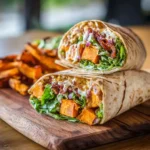
- Black Bean & Sweet Potato: Roast 1½ cups cubed sweet potato (tossed in oil, cumin, smoked paprika) at 425°F for 25 min. Mix with 1 can rinsed black beans, lime, and cilantro. Vegan, fiber-rich, and naturally sweet-savory balance.
Global Twists
- Korean-Inspired: Marinate chicken in gochujang, rice vinegar, toasted sesame oil, ginger, and pear purée. Swap peppers for napa cabbage and scallions. Top with kimchi slaw and toasted sesame seeds.
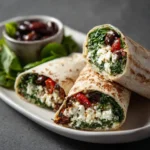
- Mediterranean Fajita: Use lemon zest + sumac + za’atar in marinade. Fill with grilled zucchini, eggplant, red onion, and kalamata olives. Top with tzatziki and crumbled feta.
- Indian-Spiced: Marinate chicken in garam masala, turmeric, ginger-garlic paste, and yogurt. Sauté with cauliflower “rice” and peas. Finish with mango chutney and cilantro-mint chutney.
Seasonal & Pantry Variations
- Summer Garden: Add heirloom cherry tomatoes, fresh corn off the cob, grilled zucchini ribbons, and basil ribbons. Lighter, brighter, and ultra-fresh.
- Winter Root Veg: Roast parsnips, carrots, and red cabbage with cumin and orange zest. Pair with shredded chicken and apple-cider crema.
- Pantry-Staple Version: No fresh peppers? Use jarred roasted red peppers (drained) + frozen stir-fry veggie blend (thawed & patted dry). No lime? Lemon or white vinegar works in a pinch—add ¼ tsp sugar to balance.
Health Considerations and Nutritional Value
A standard Chicken Fajita Wrap (made with 1 large whole-wheat tortilla, 4 oz grilled chicken breast, 1 cup mixed peppers/onions, 2 tbsp Greek yogurt crema, 1 tbsp cotija, and lime) delivers approximately:
- Calories: 420–480 kcal
- Protein: 34–38 g (65–75% RDA for average adult) — supports muscle synthesis, satiety, and metabolic health.
- Fat: 14–18 g (mostly unsaturated from avocado oil, chicken, and cheese) — includes heart-healthy monounsaturated fats and conjugated linoleic acid (CLA) from grass-fed options.
- Carbohydrates: 38–44 g (primarily complex from whole grains and vegetables; ~8 g fiber) — promotes gut microbiome diversity and stable blood glucose.
- Vitamins & Minerals: Exceptionally high in Vitamin C (350% DV from peppers), Vitamin A (120% DV from red peppers + onions), Folate (45% DV), Potassium (25% DV), and B6 (40% DV). Lime zest adds bioflavonoids that enhance vitamin C absorption.
Key Health Highlights:
- Anti-Inflammatory Powerhouse: Garlic, ginger, onions, peppers, and lime contain allicin, gingerol, quercetin, capsaicin, and limonene—compounds clinically shown to reduce systemic inflammation markers (CRP, IL-6).
- Blood Sugar Friendly: Low glycemic load (<10), high protein/fiber ratio, and vinegar/lime acid slow gastric emptying—minimizing insulin spikes. Ideal for prediabetes or metabolic syndrome management.
- Gut Health Support: Fermented crema (if using live-culture yogurt) supplies probiotics; fiber from vegetables and whole-grain tortillas feeds beneficial Bifidobacteria and Lactobacillus strains.
- Heart Health Conscious: Zero trans fats, negligible sodium if low-salt seasoning is used (recipe contains ~480 mg sodium vs. 1,200+ mg in restaurant versions), and potassium-rich veggies counterbalance sodium effects.
- Weight Management Ally: High thermic effect of protein (20–30% calories burned digesting it), combined with volume from non-starchy vegetables, promotes prolonged fullness and reduces between-meal snacking.
Cautions & Modifications:
- Sodium Watch: Pre-made spice blends, cotija, and store-bought crema can be sodium bombs. Make your own marinade and crema, and opt for low-sodium cheese or omit entirely.
- Acid Sensitivity: Those with GERD or ulcers may reduce lime juice by half and add 1 tsp honey to buffer acidity—without sacrificing brightness.
- Food Safety: Always cook chicken to 165°F (use instant-read thermometer). Refrigerate components within 2 hours. Discard wraps left at room temperature >2 hours.
- Allergen Note: Contains dairy (yogurt, cheese). Substitutions noted in Variations section. Always verify tortilla ingredients for soy, wheat, or tree nut allergens.
Ingredients
- 1 pound boneless, skinless chicken breasts or thighs, sliced into ½-inch strips
- 2 large red bell peppers, cored and sliced into ¼-inch strips
- 2 large yellow bell peppers, cored and sliced into ¼-inch strips
- 2 large green bell peppers, cored and sliced into ¼-inch strips
- 1 large yellow or white onion, halved and thinly sliced
- 3 tablespoons avocado oil (or high-smoke-point oil), divided
- 3 tablespoons fresh lime juice (plus zest of 1 lime)
- 4 cloves garlic, minced
- 1 teaspoon fresh ginger, grated (optional but recommended)
- 1 teaspoon chipotle powder
- 1½ teaspoons smoked paprika
- 1½ teaspoons ground cumin
- 1 teaspoon dried Mexican oregano
- 1½ teaspoons kosher salt (adjust to taste)
- ½ teaspoon freshly ground black pepper
- ½ cup full-fat plain Greek yogurt
- 1 tablespoon finely chopped fresh cilantro
- 1 small garlic clove, minced (for crema)
- ¼ teaspoon cayenne pepper (optional, for heat)
- 6–8 (8-inch) flour tortillas (whole wheat, spinach, or GF alternatives as needed)
- ¼ cup crumbled cotija cheese (or feta for saltiness, or omit for dairy-free)
- 2 tablespoons pickled red onions (homemade or store-bought)
- 2 tablespoons roasted corn kernels (fresh, frozen & thawed, or canned & drained)
- Additional fresh cilantro leaves, for garnish
- Lime wedges, for serving
Directions
- In a large non-reactive bowl, whisk together 2 tablespoons of the avocado oil, 3 tablespoons lime juice, lime zest, minced garlic, grated ginger, chipotle powder, smoked paprika, cumin, oregano, salt, and black pepper. Add chicken strips and toss to coat evenly. Cover and refrigerate for at least 30 minutes—or ideally 4 to 8 hours—for maximum tenderness and flavor infusion.
- While chicken marinates, prepare vegetables: core and slice all bell peppers uniformly into ¼-inch-wide strips. Halve and thinly slice the onion. Place on a clean kitchen towel and pat *very dry* with additional paper towels.
- Heat a large cast-iron skillet or heavy-bottomed grill pan over medium-high heat until shimmering (~400°F). Add remaining 1 tablespoon avocado oil. Once oil shimmers, add marinated chicken in a single layer—do not overcrowd. Sear undisturbed for 4–5 minutes until deeply browned and caramelized on the bottom. Flip and cook another 4–5 minutes, or until internal temperature reaches 165°F. Transfer to a clean plate, tent with foil, and rest for 5 minutes. Slice against the grain into ½-inch pieces.
- Wipe skillet clean with a paper towel. Return to medium-high heat and add 1 tablespoon of oil if needed. Add onions and peppers in batches if pan is crowded. Stir-fry 6–8 minutes, tossing frequently, until vegetables are tender-crisp with charred edges. Season with ½ teaspoon salt midway through cooking. Remove from heat and set aside.
- In a small bowl, whisk together Greek yogurt, 2 tablespoons lime juice, chopped cilantro, minced garlic, cayenne (if using), and ¼ teaspoon salt until smooth and creamy. Refrigerate until ready to use.
- Warm tortillas: Heat a dry skillet over medium heat. Warm each tortilla 15–20 seconds per side until soft, pliable, and lightly speckled. Stack in a clean kitchen towel inside a covered basket or insulated wrap to retain heat and moisture.
- To assemble: Lay a warm tortilla flat. Spread 2 tablespoons lime-cilantro crema in the center, leaving a 1.5-inch border. Top with ⅓ cup vegetable mixture, ¼ cup sliced chicken, 1 tablespoon pickled red onions, 2 tablespoons roasted corn, 1 tablespoon crumbled cotija, and a small handful of fresh cilantro. Finish with a generous squeeze of fresh lime juice.
- Roll tightly: Fold bottom edge up over filling, fold left and right sides inward, then roll away from you, pressing gently to compact. Serve immediately seam-side down—or wrap in parchment + foil for portable meals. Best enjoyed within 1 hour of assembly for optimal texture.
FAQ
- Can I make this ahead of time?
- Absolutely—but for best quality, keep components separate. Cook and chill chicken (up to 4 days), roasted veggies (up to 3 days), and crema (up to 5 days) in airtight containers. Warm tortillas day-of and assemble just before eating. Fully assembled wraps hold well for up to 24 hours refrigerated—if tightly wrapped in parchment + foil—but expect softer texture.
- Why does my wrap fall apart?
- Three main culprits: (1) Tortillas too cold or dry—always warm and steam-soften them; (2) Overfilling—stick to 1 cup total filling per 8-inch tortilla; (3) Skipping the “glue” layer—crema or sauce must be applied first and spread fully to bind ingredients.
- Can I freeze Chicken Fajita Wraps?
- Yes—with caveats. Freeze *unwrapped*, fully assembled wraps on a parchment-lined tray for 2 hours, then transfer to freezer bags (remove air). Thaw overnight in fridge, then reheat *unwrapped* in a dry skillet over medium-low heat for 2–3 minutes per side until warmed through and tortilla regains pliability. Avoid microwaving frozen wraps—they steam and become gummy.
- What’s the best substitute for Greek yogurt?
- For similar texture and tang: full-fat sour cream (not low-fat), vegan cashew cre