Introduction
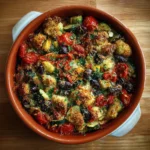
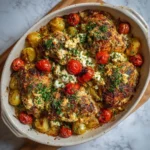
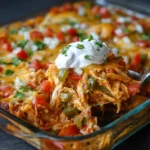
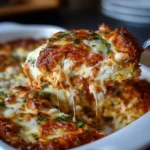
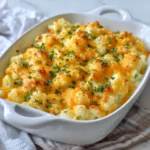
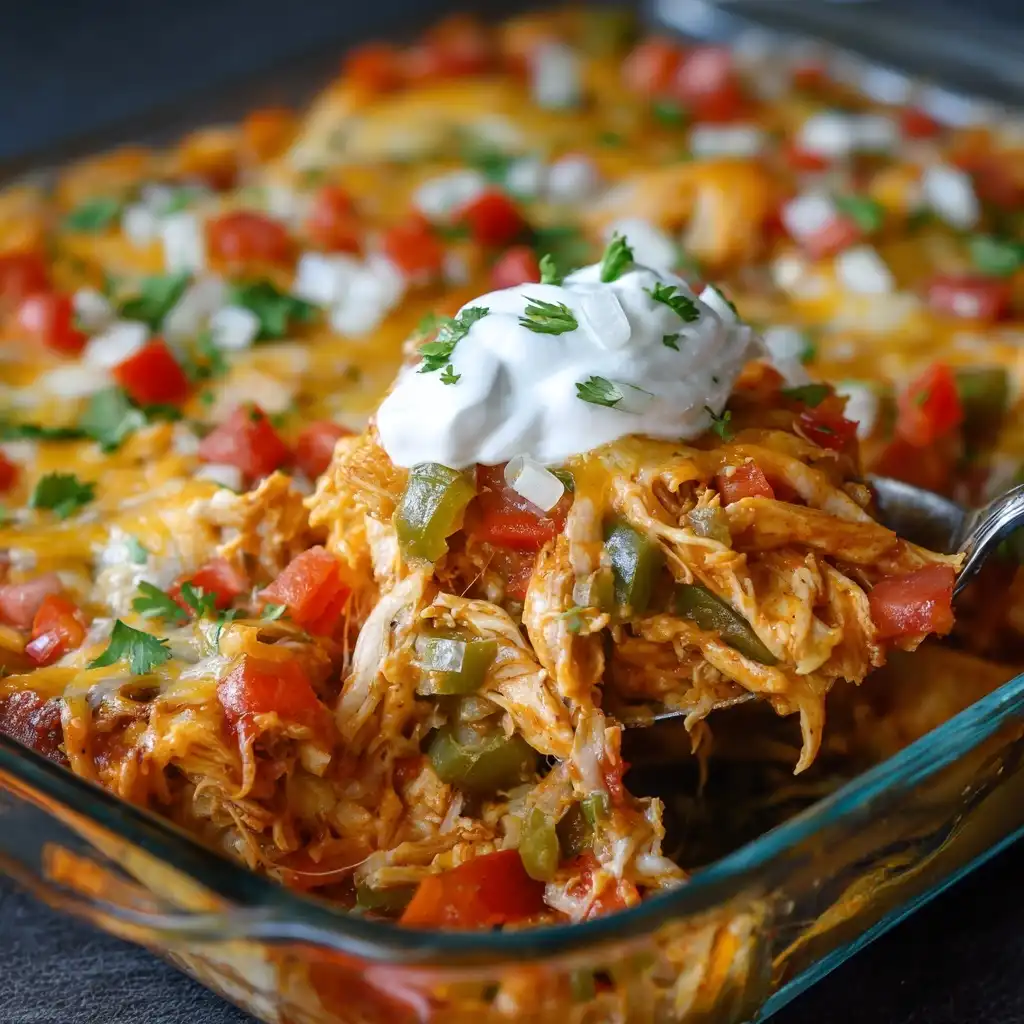
Welcome to the ultimate comfort-food fusion: Chicken Fajita Casserole — a hearty, flavor-packed, one-dish marvel that marries the bold, sizzling essence of traditional Tex-Mex fajitas with the cozy, oven-baked convenience of a classic casserole. This dish transforms tender strips of marinated chicken, crisp bell peppers, and sweet onions into a layered, cheesy, golden-browned masterpiece—no flipping, no last-minute assembly, and no need for individual tortillas. Whether you’re feeding a hungry family after a long day, prepping meals for the week, or hosting casual game-day guests, this casserole delivers restaurant-quality taste with minimal hands-on time and maximum crowd-pleasing appeal. It’s not just dinner—it’s a celebration of smoky spices, melty cheese, and savory satisfaction, all baked to bubbly perfection in a single dish.
The History
Chicken Fajita Casserole is a delicious example of American culinary adaptation—a modern, home-kitchen evolution born from the beloved Tex-Mex staple, fajitas. While authentic fajitas trace their roots to early 20th-century Mexican ranch workers in South Texas who grilled skirt steak over open flames (hence “faja,” meaning “belt” or “girdle,” referring to the cut), the concept didn’t enter mainstream U.S. restaurants until the 1970s, popularized by establishments like Ninfa’s in Houston. As home cooks embraced the vibrant flavors—cumin, chili powder, lime, garlic, and charred vegetables—they began reimagining the format for efficiency and family-friendly practicality. The casserole version emerged in the 1990s and early 2000s alongside the rise of “deconstructed” and “bake-and-serve” recipes in women’s magazines, church cookbooks, and early food blogs. By replacing sizzling skillets with baking dishes, flour tortillas with layers of melted cheese or cornbread topping, and individual plating with communal scooping, Chicken Fajita Casserole became a symbol of pragmatic creativity—honoring tradition while embracing convenience without sacrificing authenticity. Today, it stands as a testament to how regional flavors evolve across generations, geography, and kitchen tools—always retaining its soul: bold, balanced, and unapologetically flavorful.
Ingredients Breakdown
Every exceptional Chicken Fajita Casserole begins with intentional, high-quality ingredients—each playing a distinct role in building depth, texture, and harmony:
- Chicken Breast or Thighs: Boneless, skinless chicken breasts offer lean tenderness, while thighs provide richer flavor and juicier texture—especially ideal for longer baking times. Uniform dicing (½-inch cubes) ensures even cooking and seamless integration into the casserole layers.
- Bell Peppers (Red, Green, Yellow, Orange): A rainbow blend adds visual vibrancy, varying sweetness levels, and nuanced phytonutrients. Red peppers are naturally sweeter and higher in lycopene and vitamin C; green peppers contribute grassy bitterness that balances richness.
- Yellow or White Onion: Provides foundational aromatic depth and natural sugars that caramelize beautifully during sautéing and baking—enhancing umami and rounding out spice heat.
- Chipotle in Adobo Sauce: A cornerstone ingredient—not just for heat, but for complex smokiness and tangy-sweet depth. Even ½ teaspoon imparts an unmistakable “grill-kissed” character that defines authentic fajita flavor.
- Garlic & Fresh Lime Juice: Garlic delivers pungent warmth that mellows into nuttiness when cooked, while fresh lime juice (never bottled) adds essential brightness and acidity—cutting through fat, lifting spices, and preserving freshness post-baking.
- Spice Blend (Cumin, Chili Powder, Smoked Paprika, Oregano, Cayenne): This carefully calibrated mix mirrors traditional fajita seasoning—ground cumin for earthiness, chili powder for mild fruit-forward heat, smoked paprika for subtle barbecue nuance, Mexican oregano (more citrusy than Mediterranean) for herbal lift, and cayenne for adjustable kick.
- Heavy Cream or Evaporated Milk: Adds luxurious creaminess and moisture retention—preventing dryness during baking while enriching mouthfeel. Evaporated milk offers a slightly caramelized note and is dairy-free friendly when using unsweetened versions.
- Cheeses (Sharp Cheddar, Monterey Jack, Queso Fresco): Cheddar brings bold, tangy depth; Monterey Jack melts smoothly and adds mild buttery notes; crumbled queso fresco sprinkled on top before baking lends a salty, milky finish and delicate texture contrast.
- Optional Enhancements: A splash of tequila or orange juice for brightness; pickled jalapeños for vinegary heat; roasted corn kernels for sweetness and crunch; fresh cilantro stems (finely chopped and added to the base) for herbal backbone; and a final drizzle of crema or avocado crema for cooling contrast.
Crucially, this casserole avoids common pitfalls: no canned soup (preserving clean, pronounceable ingredients), no pre-shredded cheese (which contains anti-caking starches that inhibit melting), and no generic “taco seasoning” packets (which often contain excess sodium, MSG, and artificial additives). Every component is chosen for purpose, purity, and synergy.
Step-by-Step Recipe
- Prep & Marinate (30 min–2 hrs): Dice chicken into uniform ½-inch pieces. In a large bowl, combine olive oil, lime juice, minced garlic, chipotle in adobo (finely minced), cumin, chili powder, smoked paprika, dried oregano, cayenne, salt, and black pepper. Add chicken and toss thoroughly. Cover and refrigerate for at least 30 minutes—or ideally 2 hours—to allow spices to penetrate and acid to gently tenderize.
- Sauté Aromatics (8–10 min): Heat 2 tbsp olive oil in a large, deep skillet or Dutch oven over medium-high heat. Add sliced onions and bell peppers. Sauté 6–7 minutes, stirring occasionally, until softened and lightly caramelized at the edges—but still retaining slight crunch. Season with a pinch of salt and a dash of smoked paprika. Transfer to a bowl and set aside.
- Seal the Chicken (5–6 min): In the same skillet (no need to wash), increase heat to high. Add marinated chicken in a single layer—avoid overcrowding. Cook undisturbed for 2 minutes to develop fond, then stir and continue cooking until chicken is no longer pink (about 4–5 more minutes). Do not overcook—chicken will bake further. Remove from heat and let cool slightly.
- Build the Base (3 min): In a mixing bowl, whisk together heavy cream (or evaporated milk), 1 cup shredded cheddar, 1 cup shredded Monterey Jack, ½ tsp lime zest, and 1 tbsp fresh lime juice. Stir in the cooled sautéed vegetables and cooked chicken until evenly coated. Fold in ¼ cup chopped fresh cilantro (stems included for flavor).
- Layer & Top (2 min): Transfer mixture to a generously greased 9×13-inch baking dish. Smooth the top. Sprinkle evenly with remaining 1 cup shredded cheddar-Monterey Jack blend. Scatter ½ cup crumbled queso fresco over the top. Optional: dot with 1 tbsp cold butter for extra browning and richness.
- Bake to Perfection (25–30 min): Preheat oven to 375°F (190°C). Bake uncovered for 25 minutes, or until edges bubble vigorously and center is hot (internal temp ≥165°F). For optimal browning, switch to broil for the final 2–3 minutes—watch closely to prevent scorching. Let rest 10 minutes before serving—this allows flavors to marry and texture to set for clean slicing or scooping.
Tips
- Uniform Cutting is Non-Negotiable: Dice chicken and slice peppers/onions to identical thickness—this ensures even cooking and prevents some components from turning mushy while others remain raw.
- Don’t Skip the Rest: Allowing the casserole to rest 10 minutes post-bake isn’t optional—it stabilizes the creamy sauce, firms the structure, and prevents a runny, separated mess on the plate.
- Control Moisture Like a Pro: If your peppers release excess liquid during sautéing, tilt the pan and spoon off excess water before combining with chicken—too much liquid = steamed, not baked, texture.
- Toast Your Spices (Optional but Recommended): Dry-toast whole cumin seeds and dried oregano in a small pan over low heat for 1–2 minutes until fragrant, then grind. This intensifies aroma and removes raw, dusty notes.
- Use Room-Temperature Dairy: Cold cream can cause separation or curdling when mixed with warm chicken and veggies. Let it sit out 15 minutes before adding.
- Upgrade Your Cheese Game: Grate your own cheese from blocks—pre-shredded varieties contain cellulose and natamycin, which hinder meltability and create grainy textures.
- Broil Strategically: Always use the oven’s lower broiler setting (not high), position rack 6 inches from heating element, and set a timer—golden crust forms fast, but burnt cheese ruins everything.
- Make-Ahead Magic: Assemble the casserole (without cheese topping) up to 24 hours ahead. Refrigerate covered. Add cheese just before baking—and add 5–7 extra minutes to baking time if going straight from fridge to oven.
- Freeze for Future Wins: Fully baked and cooled casseroles freeze beautifully for up to 3 months. Thaw overnight in fridge, cover with foil, bake at 350°F for 25 minutes, uncover, add fresh cheese, and broil 2 minutes.
- Rescue a Dry Casserole: If yours bakes too long or seems tight, stir in 2–3 tbsp warm chicken broth or lime-infused crema before serving—it revives moisture without diluting flavor.
Variations and Customizations
This casserole is gloriously adaptable—designed not for rigidity, but for personal expression, dietary needs, and seasonal inspiration:
- Vegetarian Fajita Casserole: Replace chicken with 2 cups roasted cauliflower florets, 1 can (15 oz) black beans (rinsed), and 1 cup crumbled paneer or firm tofu (pressed and pan-seared). Boost umami with 1 tbsp nutritional yeast and 1 tsp soy sauce in the cream mixture.
- Shrimp & Pepper Fiesta Casserole: Swap chicken for 1 lb peeled, deveined shrimp (tossed in same marinade, cooked just 2–3 minutes until pink). Add ½ cup fire-roasted tomatoes and reduce baking time to 20 minutes to avoid rubbery shrimp.
- Breakfast Fajita Casserole: Layer cooked chorizo or turkey sausage, scrambled eggs mixed with cream and cheese, roasted peppers/onions, and top with pepper jack. Bake at 350°F for 22 minutes—ideal for weekend brunch or holiday mornings.
- Low-Carb/Keto Version: Omit corn (if used), skip any starchy thickeners, and replace heavy cream with full-fat coconut milk (unsweetened). Use almond flour–based “tortilla chips” as garnish instead of flour tortillas.
- Gluten-Free Assurance: Naturally GF—just verify all spices, broths, and cheeses are certified gluten-free (some blends contain wheat-based fillers or shared equipment risks).
- Southwest Sweet Potato Twist: Fold in 1½ cups roasted sweet potato cubes (½-inch dice, tossed in smoked paprika and cinnamon) for natural sweetness and fiber-rich complexity.
- Green Chile & Hatch Variation: Substitute ½ cup chopped roasted Hatch green chiles (mild or hot) for half the bell peppers, and add ¼ cup crumbled cotija cheese for a New Mexico–inspired profile.
- “Everything But the Skillet” Sheet Pan Version: Spread mixture onto a parchment-lined sheet pan, top with cheese, and bake at 425°F for 20 minutes—creates a crispier, airier edge and faster cook time.
- Meal-Prep Mason Jar Layers: Portion into 4–6 wide-mouth mason jars: bottom layer = ¼ cup cooked brown rice or quinoa, middle = chicken-veggie mixture, top = cheese + lime wedge. Refrigerate up to 4 days; microwave 90 seconds, stir, and top with fresh herbs.
- Global Fusion Spin: Swap cumin and oregano for 1 tbsp garam masala and 1 tsp ground coriander; use Greek yogurt instead of cream; top with mango chutney and toasted cashews for an Indian-Mexican crossover.
Health Considerations and Nutritional Value
A well-crafted Chicken Fajita Casserole can be both deeply satisfying and nutritionally intelligent—far surpassing typical “casserole” stereotypes of heaviness and hidden calories. Here’s how it supports wellness when prepared mindfully:
- High-Quality Protein Powerhouse: A 1¼-cup serving provides ~32g of complete protein—from lean chicken breast and dairy-based cheeses—supporting muscle maintenance, satiety, and steady blood sugar response.
- Antioxidant-Rich Vegetables: Bell peppers supply more than 300% DV of vitamin C per cup (red), plus vitamin A, folate, and lutein for eye health. Onions contribute quercetin—a potent anti-inflammatory flavonoid linked to reduced cardiovascular risk.
- Smart Fat Profile: Olive oil provides heart-healthy monounsaturated fats (MUFAs); cheese contributes conjugated linoleic acid (CLA), associated with metabolic benefits; and chipotle’s capsaicin may support thermogenesis and appetite regulation.
- Fiber-Fueled Digestion: When enhanced with black beans, roasted corn, or sautéed zucchini, fiber content jumps to 6–8g per serving—promoting gut microbiome diversity and prolonged fullness.
- Limited Added Sugar: Unlike many casseroles laden with condensed soups or sweet glazes, this version contains zero added sugars—relying solely on natural vegetable sweetness and spice complexity.
- Sodium Savvy Options: Using low-sodium broth (if adding), reducing added salt by ⅓, and balancing with potassium-rich ingredients (tomatoes, spinach, avocado garnish) helps maintain healthy blood pressure.
- Dietitian-Approved Modifications: For weight management: substitute ½ the cheese with puréed white beans or silken tofu for creaminess without saturated fat. For dairy sensitivity: use lactose-free cream and aged Gouda (naturally low-lactose) or nutritional yeast “cheese” blend. For low-FODMAP: omit onion/garlic, use garlic-infused oil and green onion tops, and choose lactose-free dairy.
- Portion Mindfulness: Serve with a large side salad (mixed greens, radish, jicama, lime vinaigrette) to increase volume, nutrients, and fiber—naturally moderating portion size without deprivation.
- Nutrition Snapshot (per 1¼-cup serving, standard recipe): Approx. 425 kcal | 32g protein | 24g fat (12g saturated) | 18g carbohydrates | 4g fiber | 680mg sodium | 110mg cholesterol | Rich in Vitamins A, C, B6, B12, Calcium, Zinc, Selenium.
Note: Values vary based on cheese type, dairy choice, and vegetable ratios—consider using a tool like Cronometer or MyFitnessPal for personalized tracking.
Ingredients
- 1½ lbs boneless, skinless chicken breasts or thighs, cut into ½-inch cubes
- 3 tbsp extra-virgin olive oil, divided
- 1 large yellow onion, thinly sliced
- 2 red bell peppers, cored and thinly sliced
- 1 green bell pepper, cored and thinly sliced
- 4 cloves garlic, minced
- 2 tbsp fresh lime juice (about 1 large lime)
- 1–2 tsp lime zest
- 1–2 tbsp chipotle peppers in adobo sauce, finely minced (start with 1 tsp for mild heat)
- 2 tsp ground cumin
- 1½ tsp chili powder (ancho or New Mexico preferred)
- 1 tsp smoked paprika
- 1 tsp dried Mexican oregano
- ¼–½ tsp cayenne pepper (to taste)
- 1½ tsp kosher salt, plus more to taste
- ½ tsp freshly ground black pepper
- 1 cup full-fat heavy cream or unsweetened evaporated milk
- 3 cups shredded sharp cheddar cheese, divided
- 3 cups shredded Monterey Jack cheese, divided
- ½ cup crumbled queso fresco
- ¼ cup finely chopped fresh cilantro (including tender stems)
- Optional garnishes: sliced avocado, extra lime wedges, sour cream or Mexican crema, pickled red onions, hot sauce, micro cilantro
Directions
- In a large non-reactive bowl, combine 2 tbsp olive oil, lime juice, lime zest, minced chipotle, garlic, cumin, chili powder, smoked paprika, oregano, cayenne, salt, and black pepper. Add chicken and toss to coat evenly. Cover and refrigerate for 30 minutes to 2 hours.
- Preheat oven to 375°F (190°C). Lightly grease a 9×13-inch ceramic or metal baking dish with remaining 1 tbsp olive oil or non-stick spray.
- In a large skillet or Dutch oven over medium-high heat, warm 1 tbsp olive oil. Add sliced onions and bell peppers. Sauté for 6–7 minutes, stirring occasionally, until softened and beginning to caramelize at the edges. Season with a pinch of salt and ¼ tsp smoked paprika. Transfer to a large mixing bowl and let cool slightly.
- In the same skillet over high heat, add marinated chicken in a single layer (work in batches if needed). Cook undisturbed for 2 minutes to sear, then stir and cook 4–5 more minutes until just cooked through. Transfer to the bowl with vegetables.
- To the chicken-vegetable mixture, add heavy cream (or evaporated milk), 2 cups each of cheddar and Monterey Jack, lime zest, and chopped cilantro. Gently fold until fully combined and creamy. Taste and adjust salt, lime, or heat as needed.
- Transfer mixture to prepared baking dish. Smooth top with a spatula. Sprinkle evenly with remaining 1 cup cheddar, 1 cup Monterey Jack, and queso fresco. Optional: dot with 1 tbsp cold butter.
- Bake uncovered for 25 minutes, or until edges bubble vigorously and internal temperature reaches 165°F. For golden finish, switch to broil for 2–3 minutes—watch closely.
- Remove from oven and let rest for 10 minutes before serving. Garnish generously with avocado slices, lime wedges, crema, and extra cilantro.
- Serve warm with warm flour or corn tortillas, cilantro-lime rice, or a simple arugula salad with grapefruit segments.
FAQ
- Can I use frozen chicken?
- Yes—but thaw completely in the refrigerator first (never bake from frozen). Pat dry before marinating to ensure spice adherence and prevent steaming.
- Why does my casserole look watery after baking?
- Excess moisture usually comes from under-sautéed peppers/onions or using cold dairy. Always sauté veggies until most liquid evaporates, and let cream come to room temperature. If it happens, let it rest 15 minutes—the starches and proteins will reabsorb.
- Can I make this dairy-free?
- Absolutely. Replace heavy cream with full-fat canned coconut milk (unsweetened), use dairy-free cheddar and Monterey Jack shreds (like Daiya or Violife), and skip queso fresco or substitute with crumbled tofu “feta” marinated in lime and salt.
- What’s the best cheese for melting?
- Monterey Jack is the gold standard—high moisture, low acidity, superior stretch. Combine with sharp cheddar for flavor depth. Avoid pre-shredded bags—they contain potato starch and cellulose that inhibit smooth melting.
- How do I reheat leftovers without drying them out?
- For best results: Place portions in an oven-safe dish, sprinkle with 1 tsp water or broth and a pinch of cheese, cover with foil, and bake at 325°F for 12–15 minutes. Microwave only as a last resort—add ½ tsp lime juice and cover with damp paper towel.
- Can I add rice or beans to make it heartier?
- You can—but adjust liquid and baking time. Fold in 1½ cups cooked brown rice or rinsed black beans and increase cream by ¼ cup. Add 5 minutes to baking time and check internal temp.
- Is there a way to make it spicier without overwhelming heat?
- Add complexity, not just capsaicin: include 1 tsp toasted cumin seeds, 1 tbsp pickled jalapeño brine, or a pinch of chipotle powder. Finish with fresh serrano slices—heat builds gradually, not all at once.
- Can I use store-bought fajita seasoning?
- You can—but read labels carefully. Many contain 400+ mg sodium per tablespoon, MSG, and anti-caking agents. Our homemade blend uses ⅓ less salt and delivers cleaner, brighter flavor. Save the packet for emergencies—not excellence.
- What sides pair best with this casserole?
- Keep it balanced: a light, acidic side cuts richness—think cucumber-jicama slaw with lime and mint; charred street corn (elote); or black bean and mango salsa. For carbs, go for cilantro-lime cauliflower rice or warm blue corn tortillas.
- How long will leftovers keep?
- Refrigerated in an airtight container: up to 4 days. Frozen (portioned and wrapped tightly): up to 3 months. Thaw overnight before reheating.
Summary
Chicken Fajita Casserole is a vibrant, versatile, and deeply comforting Tex-Mex inspired baked dish that transforms marinated chicken, colorful bell peppers, and sweet onions into a rich, cheesy, golden-browned centerpiece—effortlessly blending bold fajita flavors with the ease of one-dish cooking.
With smart substitutions, mindful prep, and customizable heat and texture, it satisfies diverse palates and dietary needs—making it a timeless, nourishing, and endlessly adaptable addition to any home cook’s repertoire.