Introduction
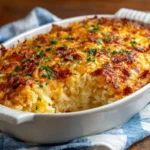
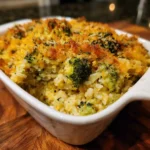
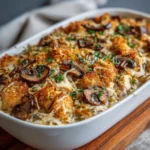
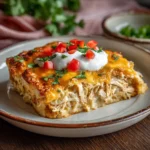
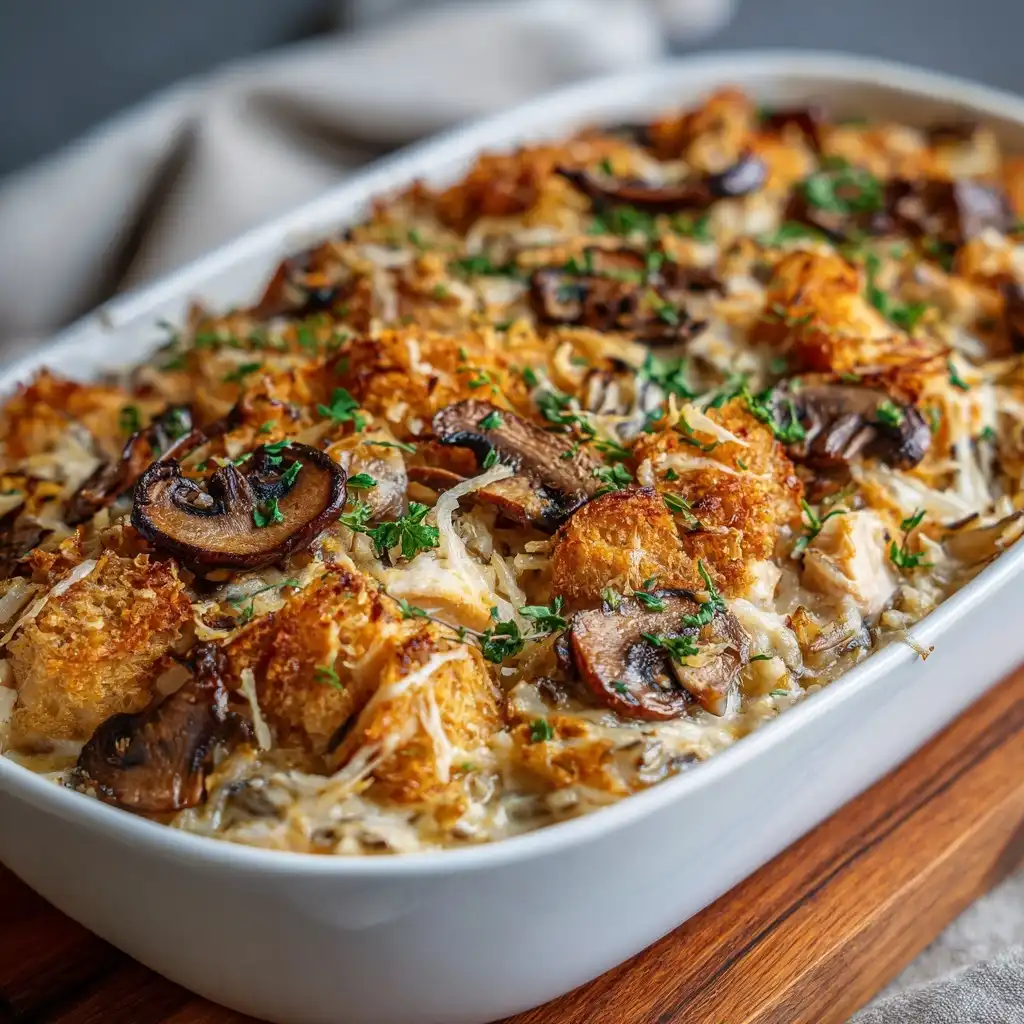
Chicken and Wild Rice Casserole is a beloved American comfort food classic—creamy, hearty, deeply flavorful, and endlessly adaptable. This soul-warming dish combines tender shredded or diced chicken with nutty, chewy wild rice, rich creamy sauce, savory herbs, and often a golden, crispy topping of buttered breadcrumbs, toasted almonds, or crispy fried onions. It’s the kind of casserole that graces holiday tables, potluck spreads, and weeknight dinners alike—offering both elegance and ease in one baking dish. Whether you’re feeding a crowd or prepping freezer-friendly meals for busy days, this casserole delivers robust taste, satisfying texture, and nostalgic warmth in every bite.
The History
The origins of Chicken and Wild Rice Casserole trace back to mid-20th-century America, emerging alongside the golden age of the casserole—a culinary movement fueled by postwar innovation, convenience foods, and home economics culture. While wild rice itself is indigenous to North America—harvested for centuries by Anishinaabe and other Great Lakes tribes—the incorporation of cultivated wild rice (often blended with brown or long-grain rice) into baked dishes gained popularity in the 1950s and ’60s. Brands like Uncle Ben’s and Near East introduced packaged wild rice blends, making it accessible to mainstream home cooks. Simultaneously, canned soups—particularly cream of mushroom—became pantry staples, serving as quick, creamy binders. Early versions appeared in church cookbooks, women’s magazines like Good Housekeeping and Ladies’ Home Journal, and regional Minnesota and Wisconsin publications, where wild rice grows natively. Over time, chefs and home cooks elevated the dish beyond its “cream-of-soup” roots, incorporating fresh herbs, sautéed aromatics, artisanal cheeses, roasted vegetables, and even gluten-free or dairy-free adaptations—transforming it from humble midcentury staple into a versatile, gourmet-worthy centerpiece.
Ingredients Breakdown
Understanding each component deepens both appreciation and mastery of this casserole:
- Chicken: Boneless, skinless breasts or thighs—thighs offer richer flavor and moisture; breasts provide leaner texture. Poaching, roasting, or slow-cooking yields the most tender, shred-ready results.
- Wild Rice: Technically an aquatic grass seed (not true rice), native to the Great Lakes region. Its earthy, slightly smoky, chewy texture adds complexity and fiber. Most commercial “wild rice” is a blend—including cultivated Zizania palustris and sometimes brown or black rice—to improve consistency and reduce cooking time.
- Aromatics & Vegetables: Onion, celery, and carrots (a classic mirepoix) form the savory base. Garlic, leeks, mushrooms (especially cremini or shiitake), and spinach or kale add umami depth and nutritional density.
- Creamy Binder: Traditionally built with roux-thickened milk/cream or condensed soup—but modern versions use béchamel, Greek yogurt, sour cream, evaporated milk, or cashew cream for richness without excess sodium.
- Cheese: Gruyère, Swiss, fontina, sharp cheddar, or smoked gouda lend meltability and depth. Parmesan or asiago often appear in the topping for salty, nutty finish.
- Herbs & Seasonings: Thyme, sage, rosemary, parsley, and tarragon are quintessential. Fresh herbs added at the end preserve brightness; dried herbs benefit from early incorporation to bloom in fat.
- Topping: Buttered panko or whole-wheat breadcrumbs, crushed crackers, toasted slivered almonds, walnuts, or even crumbled cooked bacon deliver contrasting crunch and visual appeal.
- Liquid & Acid: Low-sodium chicken broth enhances savoriness; a splash of dry white wine (like Sauvignon Blanc or Pinot Grigio) deglazes the pan and lifts flavors; lemon zest or apple cider vinegar adds brightness to cut through richness.
Step-by-Step Recipe
- Prepare the Wild Rice: Rinse 1 cup uncooked wild rice blend under cold water. Cook according to package directions (typically 45–60 minutes simmering in 3 cups low-sodium broth or water), then drain excess liquid and fluff with a fork. Let cool slightly—warm (not hot) rice prevents curdling when mixed with dairy.
- Cook & Shred the Chicken: Place 1.5 lbs boneless, skinless chicken thighs or breasts in a pot with 4 cups low-sodium broth, 1 bay leaf, 2 sprigs thyme, 1 tsp black peppercorns, and 1 small onion quartered. Simmer gently for 20–25 minutes (breasts) or 30–35 minutes (thighs) until internal temp reaches 165°F. Remove, cool slightly, then shred using two forks or pulse briefly in a food processor. Reserve 1 cup of poaching liquid for the sauce.
- Sauté the Aromatics: In a large Dutch oven or deep skillet, melt 3 tbsp unsalted butter over medium heat. Add 1 finely diced yellow onion, 2 ribs finely diced celery, and 1 large grated carrot. Sauté 6–8 minutes until softened. Stir in 3 minced garlic cloves and 8 oz sliced cremini mushrooms; cook 5 more minutes until mushrooms release moisture and begin to brown.
- Build the Roux & Sauce: Sprinkle in ¼ cup all-purpose flour (or gluten-free 1:1 blend) and stir constantly for 1–2 minutes to cook out raw taste. Gradually whisk in 2 cups warmed reserved poaching liquid or low-sodium broth, followed by 1 cup whole milk or half-and-half. Whisk vigorously to prevent lumps. Bring to a gentle simmer, stirring frequently, until thickened (5–7 minutes). Reduce heat to low.
- Enrich & Flavor: Stir in ½ cup full-fat sour cream, ½ cup grated Gruyère, ¼ cup grated Parmesan, 1 tbsp Dijon mustard, 1 tsp fresh thyme leaves, ½ tsp rubbed sage, ¼ tsp freshly grated nutmeg, salt to taste (start with ½ tsp), and freshly ground black pepper (½ tsp). Simmer gently 2 more minutes—do not boil vigorously, or dairy may separate.
- Combine Everything: In a large mixing bowl, combine cooled wild rice, shredded chicken, sautéed vegetables, and creamy sauce. Gently fold until evenly coated. Fold in 2 cups baby spinach (optional, for color and nutrients) and ¼ cup chopped fresh parsley. Taste and adjust seasoning—add lemon zest or a splash of vinegar if needed for balance.
- Transfer & Top: Pour mixture into a generously greased 9×13-inch baking dish (or two 8×8-inch dishes for portion control). Smooth top evenly. For topping: melt 3 tbsp butter, mix with 1 cup panko breadcrumbs, ¼ cup grated Parmesan, 2 tbsp chopped fresh parsley, and a pinch of smoked paprika. Sprinkle evenly over casserole.
- Bake: Cover with parchment-lined foil and bake at 375°F for 25 minutes. Uncover and bake 15–20 more minutes until bubbling at edges and topping is deep golden and crisp. Let rest 10–15 minutes before serving—this allows sauce to settle and slices to hold shape.
Tips
- Prevent Soggy Topping: Always bake covered for the first half—this traps steam to heat the casserole through without drying the top. Uncover only for final crisping.
- Wild Rice Texture Matters: Overcooked wild rice turns mushy. Check 5 minutes before package time—and rinse well after cooking to halt residual heat.
- Shred Chicken While Warm (Not Hot): Warm chicken shreds effortlessly; scalding-hot chicken can cause dairy to curdle when combined.
- Make-Ahead Friendly: Assemble up to 24 hours ahead—refrigerate covered. Add 5–10 extra minutes to covered bake time if going straight from fridge to oven.
- Freezer Instructions: Cool completely, wrap tightly in parchment + foil, label, and freeze up to 3 months. Thaw overnight in fridge; bake covered at 350°F for 40 minutes, uncover, bake 15–20 more minutes.
- Boost Umami: Add 1 tsp soy sauce or tamari, 1 tbsp tomato paste (sautéed with veggies), or a handful of dried porcini mushrooms (soaked, chopped, liquid reserved for broth).
- Thicken Without Flour: For gluten-free, use 2 tbsp cornstarch or arrowroot slurry (mixed with cold broth) added at the end of sauce-building—simmer 1 minute to activate.
- Rest Before Serving: Critical! Cutting too soon releases steam and causes runny pooling. Resting firms up the structure and melds flavors.
- Batch Cooking Hack: Double the recipe and bake in disposable aluminum pans—perfect for gifting, meal trains, or freezing individual portions.
- Perfect Pairings: Serve with a bright arugula salad dressed in lemon vinaigrette, roasted Brussels sprouts with balsamic glaze, or honey-glazed carrots to contrast the casserole’s richness.
Variations and Customizations
This casserole is a canvas—not a constraint. Here’s how to make it your own:
- Dairy-Free/Vegan: Swap butter for olive oil or vegan butter; use unsweetened almond or oat milk; replace cheese with nutritional yeast + cashew cream (soaked cashews + lemon juice + garlic); top with toasted pepitas and coconut flakes.
- Gluten-Free: Use GF flour or cornstarch for roux; ensure broth and condiments are certified GF; choose GF breadcrumbs or crushed gluten-free crackers.
- Low-Carb/Keto: Replace wild rice with riced cauliflower (roasted first to remove moisture) or shirataki rice; increase chicken and mushrooms; use heavy cream and full-fat cheese; top with crushed pork rinds.
- Southwest Style: Add black beans, roasted corn, diced green chiles, cumin, chili powder, and cotija cheese; top with crushed tortilla chips and pickled red onions.
- Mediterranean Twist: Stir in kalamata olives, sun-dried tomatoes, artichoke hearts, feta, oregano, and lemon zest; top with toasted pine nuts and fresh dill.
- Breakfast Casserole Version: Add 4 beaten eggs and ½ cup cottage cheese to sauce; mix in cooked breakfast sausage or turkey; top with cheddar and scallions—bake until set (like a frittata).
- Seafood Upgrade: Substitute cooked lobster, shrimp, or scallops for half the chicken; add tarragon and a splash of Pernod or pastis to the sauce.
- Herb Garden Edition: Infuse the poaching liquid with lemon verbena, lavender, or basil stems; fold in chopped chives, dill, and mint at the end.
- Smoky & Spicy: Use chipotle peppers in adobo (minced), smoked paprika, and a dash of liquid smoke; garnish with pickled jalapeños.
- Kid-Friendly: Skip strong herbs; add mild Monterey Jack; mix in finely grated zucchini or carrots; shape into fun muffin-tin portions for easy handling.
Health Considerations and Nutritional Value
A well-balanced Chicken and Wild Rice Casserole offers notable nutritional benefits—especially when prepared mindfully. A standard serving (about 1.5 cups) typically provides approximately 420–520 calories, 32–40g protein, 25–35g complex carbohydrates, and 18–24g total fat (with 9–12g saturated, depending on cheese/butter choices). Wild rice contributes B vitamins (especially B6 and folate), magnesium, zinc, and 3g of fiber per cooked cup—more than brown rice. Chicken supplies high-quality complete protein and selenium, supporting immune function and muscle repair. Adding vegetables like mushrooms, spinach, carrots, and celery boosts antioxidants (vitamin A, C, K), potassium, and phytonutrients.
Key Health Notes:
- Sodium Control: Canned soups and store-bought broths can contain >800mg sodium per serving. Opt for low-sodium or no-salt-added versions—or make homemade broth. Rinsing canned ingredients (e.g., mushrooms) further reduces sodium.
- Fat Quality: Prioritize unsaturated fats—swap half the butter for olive oil in sautéing; use part-skim ricotta or reduced-fat Swiss instead of full-fat cheddar.
- Digestive Wellness: Wild rice’s fiber supports gut motility and microbiome diversity. Soaking or sprouting wild rice (if using whole grain) enhances mineral absorption and digestibility.
- Allergen Awareness: Naturally gluten-free (if using GF thickener), dairy-free adaptable, and nut-free—ideal for many dietary restrictions. Always verify labels on pre-mixed rice blends and broths.
- Portion Mindfulness: The richness makes this satiating—even modest servings (1¼ cups) promote fullness. Pair with a large side salad to increase volume and nutrient density without excess calories.
- Food Safety Reminder: Cook chicken to 165°F; refrigerate leftovers within 2 hours; consume within 4 days or freeze promptly. Reheat thoroughly to 165°F throughout.
For those managing specific conditions: consult a registered dietitian for tailored modifications—e.g., lower-phosphorus versions for kidney health (limit dairy/cheese, use rice milk), modified textures for dysphagia (blend sauce smooth, soften rice longer), or insulin-resistant adjustments (reduce starchy additions, emphasize non-starchy veg volume).
Ingredients
- 1 cup uncooked wild rice blend (rinsed)
- 3 cups low-sodium chicken broth (divided)
- 1.5 lbs boneless, skinless chicken thighs or breasts
- 3 tbsp unsalted butter (or olive oil)
- 1 medium yellow onion, finely diced
- 2 ribs celery, finely diced
- 1 large carrot, grated
- 8 oz cremini mushrooms, sliced
- 3 garlic cloves, minced
- ¼ cup all-purpose flour (or gluten-free 1:1 blend)
- 1 cup whole milk or half-and-half (warmed)
- ½ cup full-fat sour cream
- ½ cup grated Gruyère cheese
- ¼ cup grated Parmesan cheese
- 1 tbsp Dijon mustard
- 1 tbsp fresh thyme leaves (or 1 tsp dried)
- ½ tsp rubbed sage
- ¼ tsp freshly grated nutmeg
- 1 tsp kosher salt (adjust to taste)
- ½ tsp freshly ground black pepper
- 2 cups baby spinach (optional)
- ¼ cup chopped fresh flat-leaf parsley (plus more for garnish)
- For Topping: 3 tbsp unsalted butter, 1 cup panko breadcrumbs, ¼ cup grated Parmesan, 2 tbsp chopped parsley, pinch of smoked paprika
Directions
- In a medium saucepan, combine rinsed wild rice and 2 cups low-sodium chicken broth. Bring to a boil, reduce heat to low, cover, and simmer for 45–60 minutes until grains are tender and liquid absorbed. Fluff with a fork, spread on a tray to cool slightly, and set aside.
- Meanwhile, place chicken in a large pot with remaining 1 cup broth, bay leaf, thyme sprigs, peppercorns, and onion quarter. Bring to gentle simmer and cook 20–35 minutes until chicken reaches 165°F internally. Remove chicken, reserve 1 cup broth, shred meat, and set aside.
- In a Dutch oven or large skillet, melt butter over medium heat. Add onion, celery, and carrot; sauté 6–8 minutes until soft. Add mushrooms and garlic; cook 5 more minutes until mushrooms brown and moisture evaporates.
- Sprinkle flour over vegetables and stir constantly 1–2 minutes. Gradually whisk in reserved 1 cup broth, then warm milk—whisking vigorously to prevent lumps. Simmer 5–7 minutes until thickened to coat the back of a spoon.
- Reduce heat to low. Stir in sour cream, Gruyère, Parmesan, Dijon, thyme, sage, nutmeg, salt, and pepper. Simmer gently 2 minutes—do not boil.
- In a large bowl, combine cooled wild rice, shredded chicken, sauce, spinach (if using), and ¼ cup parsley. Fold gently until fully incorporated. Taste and adjust seasoning.
- Transfer to a greased 9×13-inch baking dish. In a small bowl, melt butter and mix with panko, Parmesan, parsley, and paprika. Sprinkle evenly over casserole.
- Cover with parchment-lined foil. Bake at 375°F for 25 minutes. Remove foil and bake 15–20 minutes more until golden and bubbling.
- Let rest 10–15 minutes before serving. Garnish with extra parsley and lemon wedges.
FAQ
- Can I use leftover rotisserie chicken?
- Absolutely—and highly recommended! Use 3–4 cups shredded meat. Skip the poaching step, but still reserve 1 cup low-sodium broth (or use store-bought) for the sauce. Be mindful of added sodium and seasoning in pre-cooked chicken.
- Why is my casserole watery?
- Common causes: wild rice not drained well, sauce under-thickened, dairy added while too hot, or insufficient baking time. To fix: simmer sauce longer before combining; let rice cool fully; avoid boiling dairy-heavy sauce; bake uncovered longer if needed.
- Can I make this in a slow cooker?
- Yes—with modifications. Combine cooked rice, chicken, sautéed veggies, sauce (thickened separately), and seasonings in the slow cooker. Cook on LOW 3–4 hours. Stir in sour cream and cheeses last 30 minutes. Top with breadcrumbs and broil 2–3 minutes to crisp.
- What’s the best wild rice blend to buy?
- Look for “whole grain wild rice blend” with minimal additives—Near East Traditional or Roland Foods are widely available and reliable. For purity, seek single-origin, hand-harvested wild rice from Ojibwe cooperatives (e.g., White Earth Nation) for superior flavor and ethical sourcing.
- How do I reheat leftovers without drying them out?
- Individual portions: microwave covered with damp paper towel at 50% power in 60-second intervals. Full dish: add 2 tbsp broth or cream, cover with foil, and bake at 325°F for 20–25 minutes until heated through.
- Is wild rice actually rice?
- No—it’s the seed of Zizania aquatica, a tall aquatic grass native to North America. True wild rice is hand-harvested by Indigenous peoples using traditional techniques; cultivated versions are machine-harvested and more uniform. All varieties are gluten-free and nutritionally distinct from Asian rice species.
- Can I omit the mushrooms?
- Yes—substitute ½ cup finely diced fennel bulb, roasted red peppers, or additional celery and carrot for similar texture and depth. Or add 2 tbsp tomato paste sautéed with aromatics for umami.
- What wine pairs best with this casserole?
- A medium-bodied, slightly oaky Chardonnay complements the creaminess and herbs beautifully. For red lovers, try a lighter Pinot Noir with earthy notes. Non-alcoholic: sparkling apple cider with lemon twist.
- Can I use brown rice instead of wild rice?
- You can—but texture and flavor change significantly. Brown rice is softer and milder. If substituting, use a 50/50 blend with wild rice for balance, or toast brown rice first to enhance nuttiness. Adjust liquid and cook time per package directions.
- How do I make it spicier?
- Add ¼–½ tsp cayenne with the spices, 1–2 minced jalapeños with the aromatics, or a swirl of harissa or sriracha into the sauce before combining. Garnish with pickled chiles.
Summary
Chicken and Wild Rice Casserole is a timeless, nutrient-rich comfort dish rooted in American culinary tradition yet endlessly customizable for modern kitchens, dietary needs, and global flavor palettes.
With its harmonious balance of tender chicken, chewy wild rice, velvety herb-infused sauce, and crunchy golden topping, it satisfies deeply—whether served at a festive gathering or enjoyed as a nourishing solo dinner.