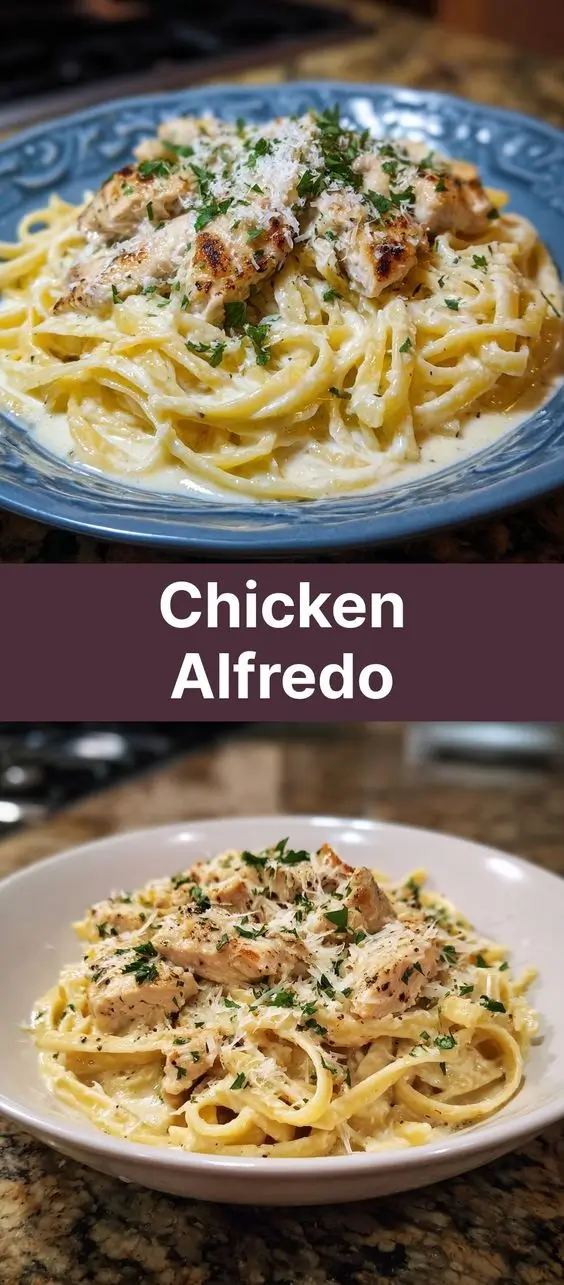
Chicken Alfredo: A Creamy, Comforting Classic
The History of Chicken Alfredo
Chicken Alfredo, as we know it today, is a beloved American-Italian dish that evolved from the original Italian pasta recipe known simply as “Fettuccine Alfredo.” The origins trace back to early 20th century Rome, where chef Alfredo di Lelio first created the dish around 1908. Tired of watching his pregnant wife struggle with morning sickness and loss of appetite, he sought to make a simple yet rich and satisfying meal using fresh fettuccine tossed in copious amounts of butter and Parmesan cheese. This minimalist combination created a luxuriously creamy sauce without the use of cream—something that would later become a hallmark of authentic Roman preparation.
The dish gained international fame when Hollywood stars Mary Pickford and Douglas Fairbanks visited Alfredo’s restaurant, Il Vero Alfredo, during their European honeymoon in 1927. Enchanted by the flavor and texture, they gifted him golden cutlery with an inscription praising his culinary artistry. Their endorsement catapulted the dish into global popularity, especially among American tourists visiting Italy.
However, the version served widely across the United States—Chicken Alfredo—is not traditionally Italian. In fact, adding chicken to Alfredo sauce is an American innovation. Authentic Roman cuisine rarely includes meat in this particular dish, focusing instead on the harmony between handmade pasta, high-quality butter, and aged Parmigiano-Reggiano. Over time, American chefs adapted the recipe for broader palates, incorporating heavy cream, garlic, and grilled chicken to create a heartier entrée suitable for family dinners and restaurant menus alike.
Today, Chicken Alfredo stands as a staple of Italian-American cuisine, featured prominently in chain restaurants like Olive Garden and Cheesecake Factory, while also being recreated in home kitchens across the country. Despite its divergence from tradition, it remains a symbol of comfort, indulgence, and culinary fusion—a testament to how food evolves through cultural exchange and personal taste.
Ingredients Breakdown
Creating the perfect Chicken Alfredo requires attention to ingredient quality and balance. While variations exist, a classic recipe typically includes the following components:
- Fettuccine Pasta: Traditionally flat, thick noodles made from durum wheat semolina. Fresh or dried both work, but fresh offers a silkier bite.
- Chicken Breast: Boneless, skinless chicken breasts are preferred for their lean texture and ability to absorb seasonings. Some recipes call for thigh meat for added juiciness.
- Heavy Cream: Forms the base of the modern Alfredo sauce, providing richness and body. It allows the cheese to emulsify smoothly without breaking.
- Butter: Unsalted butter adds depth and silkiness. High-fat European-style butter enhances the mouthfeel even further.
- Parmesan Cheese: Freshly grated Parmigiano-Reggiano is essential. Pre-grated versions often contain anti-caking agents that hinder smooth melting.
- Garlic: Minced or pressed garlic introduces aromatic complexity. Though not part of the original Roman recipe, it’s now standard in American interpretations.
- Salt and Black Pepper: For seasoning layers—from boiling the pasta to finishing the sauce.
- Nutmeg (optional): A pinch can elevate the warmth of the sauce subtly, complementing the dairy notes.
- Olive Oil: Used for searing the chicken and preventing sticking.
- Fresh Herbs (parsley or basil): Chopped parsley is commonly used for garnish, adding color and a slight freshness to cut through the richness.
Some upscale or gourmet versions may include ingredients such as white wine (to deglaze the pan), sun-dried tomatoes, spinach, mushrooms, or even lobster for a luxurious twist. However, purists argue that simplicity should reign supreme.
Step-by-Step Recipe
- Prepare the Chicken: Season two boneless, skinless chicken breasts with salt, black pepper, garlic powder, and a touch of paprika if desired. Heat 1–2 tablespoons of olive oil in a large skillet over medium-high heat. Sear the chicken for 5–6 minutes per side until golden brown and cooked through (internal temperature reaching 165°F). Remove from pan, let rest for 5 minutes, then slice into thin strips or bite-sized pieces. Set aside.
- Cook the Pasta: Bring a large pot of salted water to a boil (roughly 4 quarts of water with 2 tablespoons of salt). Add 12 ounces of fettuccine and cook according to package instructions until al dente—usually 8–10 minutes. Reserve 1 cup of pasta water before draining. Do not rinse the pasta; the starch helps bind the sauce.
- Make the Alfredo Sauce: In the same skillet used for chicken (or a clean one if preferred), melt ½ cup (1 stick) of unsalted butter over medium heat. Add 4 cloves of minced garlic and sauté gently for about 30 seconds until fragrant—do not brown. Pour in 1 ½ cups of heavy cream, stirring continuously. Allow the mixture to simmer lightly for 2–3 minutes to reduce slightly and thicken.
- Incorporate Cheese: Gradually whisk in 1 ½ cups of freshly grated Parmesan cheese, a little at a time, ensuring each addition melts completely before adding more. Stir constantly to prevent clumping. The sauce should become glossy and velvety. If needed, add a splash of reserved pasta water to adjust consistency.
- Season and Finish: Add freshly ground black pepper, a pinch of nutmeg (optional), and additional salt only if necessary—the cheese contributes significant sodium. Taste and adjust seasoning.
- Combine Everything: Add the drained fettuccine directly into the sauce. Toss well using tongs to coat every strand. Fold in the sliced chicken and continue tossing over low heat for 1–2 minutes so flavors meld together. Add more pasta water as needed to loosen the sauce.
- Serve Immediately: Plate the Chicken Alfredo hot, garnished with extra Parmesan shavings, chopped parsley, and a crack of black pepper. Serve with garlic bread and a crisp green salad for a complete meal.
Tips for the Perfect Chicken Alfredo
- Use Freshly Grated Cheese: Pre-shredded cheeses contain cellulose or cornstarch to prevent clumping, which can cause graininess in sauces. Always grate your own Parmigiano-Reggiano for optimal melting.
- Don’t Boil the Sauce After Adding Cheese: High heat can cause the proteins in cheese to seize up, leading to a curdled or greasy sauce. Keep the heat low and gentle once the cheese is incorporated.
- Reserve Pasta Water: The starchy liquid acts as a natural emulsifier, helping the sauce cling to the noodles and improving overall texture.
- Cook Chicken Ahead: To save time, grill or bake the chicken earlier in the day and slice it just before assembling the dish.
- Avoid Overcooking the Pasta: Al dente texture ensures the noodles hold up when mixed with the rich sauce. Mushy pasta ruins the experience.
- Add Flavor Depth: Sauté shallots with the garlic, or deglaze the chicken pan with a splash of dry white wine before making the sauce to build complex layers.
- Embrace Room Temperature Dairy: Letting cream and butter come close to room temperature before cooking prevents shocking the sauce and promotes smoother blending.
- Stir Constantly: When combining cheese and cream, continuous stirring prevents scorching and ensures uniformity.
Variations and Customizations
While traditional Chicken Alfredo is decadent on its own, countless adaptations allow for creativity based on dietary needs, flavor preferences, or seasonal ingredients:
- Vegetarian Alfredo: Omit the chicken and add sautéed vegetables like broccoli, peas, roasted red peppers, zucchini, or asparagus. Spinach wilts beautifully into the warm sauce.
- Seafood Alfredo: Substitute chicken with shrimp, scallops, or chunks of cooked lobster. Sear seafood separately and fold in at the end.
- Bacon Alfredo: Crispy bacon bits add smokiness and crunch. Cook until golden, crumble, and sprinkle on top before serving.
- Dairy-Free/Vegan Alfredo: Use cashew cream (blended soaked cashews with nutritional yeast, lemon juice, and garlic) or store-bought plant-based cream alternatives. Vegan Parmesan substitutes work here too.
- Gluten-Free Alfredo: Replace regular fettuccine with gluten-free pasta made from rice, corn, quinoa, or chickpeas. Ensure all other ingredients are certified GF.
- Skinny or Lightened-Up Version: Swap heavy cream for half-and-half, whole milk, or evaporated milk. Increase garlic and herbs to maintain flavor impact despite reduced fat.
- Spicy Alfredo: Add crushed red pepper flakes, cayenne pepper, or diced jalapeños to introduce heat. Drizzle with sriracha or chili oil upon plating.
- Mushroom Alfredo: Sauté cremini or wild mushrooms in butter and thyme, then mix into the sauce for an earthy umami boost.
- One-Pan Chicken Alfredo: Combine everything in a single skillet: cook chicken, remove, sauté garlic, pour in cream, add broken uncooked pasta and enough broth/water to cover. Simmer covered until pasta is done, stir in cheese. Great for easy cleanup.
- Baked Alfredo Casserole: Mix prepared Alfredo with cooked pasta and chicken, transfer to a baking dish, top with mozzarella or breadcrumbs, and broil briefly for a golden crust.
Health Considerations and Nutritional Value
Chicken Alfredo is undeniably rich and calorie-dense, primarily due to its high-fat dairy content. A typical restaurant-serving portion (about 1.5 cups with chicken) can range from 800 to 1,200 calories, with significant contributions from saturated fat and sodium.
Nutritional Profile (approximate per homemade serving – serves 4):
- Calories: ~650–750
- Total Fat: 40–50g (Saturated Fat: 25–30g)
- Cholesterol: 150–180mg
- Sodium: 800–1,200mg
- Carbohydrates: 45–55g (Dietary Fiber: 2–3g)
- Protein: 35–40g
The dish provides high-quality protein from chicken and dairy, along with calcium and vitamin A from the cheese and cream. However, frequent consumption may contribute to elevated cholesterol levels and cardiovascular concerns, particularly in individuals sensitive to saturated fats.
To make healthier choices:
- Use skinless chicken breast and trim visible fat.
- Reduce butter quantity and substitute some cream with low-sodium chicken broth.
- Leverage pureed cauliflower or blended white beans to partially replace cream, boosting fiber and lowering fat.
- Choose whole grain pasta for increased fiber and improved glycemic response.
- Limit portion sizes—serve with a large side salad to increase volume without excess calories.
- Monitor sodium by using low-salt cheese and omitting added salt where possible.
For those managing lactose intolerance, aged cheeses like Parmigiano-Reggiano are naturally lower in lactose and may be tolerated in small amounts. Alternatively, lactose-free cream and butter products are commercially available.
Full Ingredient List
- 12 oz (340g) fettuccine pasta
- 2 boneless, skinless chicken breasts (about 1 lb / 450g)
- ½ cup (1 stick / 113g) unsalted butter
- 1 ½ cups (360ml) heavy cream
- 1 ½ cups (150g) freshly grated Parmigiano-Reggiano cheese
- 4 cloves garlic, minced
- 2 tbsp olive oil
- 1 tsp salt (plus more for pasta water)
- ½ tsp black pepper (freshly ground preferred)
- Pinch of ground nutmeg (optional)
- Fresh parsley, chopped (for garnish)
Directions
- Season chicken breasts with salt, pepper, and a dash of garlic powder. Heat olive oil in a large skillet over medium-high heat. Cook chicken for 5–6 minutes per side until internal temperature reaches 165°F. Transfer to a plate, rest for 5 minutes, then slice thinly.
- Bring a large pot of generously salted water to a rolling boil. Add fettuccine and cook until al dente. Before draining, reserve 1 cup of pasta water. Drain pasta and set aside.
- In the same skillet (or a clean one), melt butter over medium heat. Add minced garlic and cook for 30 seconds until aromatic. Pour in heavy cream, whisking gently. Simmer for 2–3 minutes to slightly thicken—do not boil vigorously.
- Gradually add grated Parmesan cheese, stirring constantly until fully melted and smooth. Adjust consistency with reserved pasta water if too thick.
- Season sauce with black pepper and nutmeg. Taste and adjust seasoning carefully, remembering the cheese is salty.
- Add cooked fettuccine to the sauce. Toss thoroughly to coat. Gently fold in sliced chicken and heat through for 1–2 minutes over low heat.
- If sauce appears too thick, add additional pasta water one tablespoon at a time until desired creaminess is achieved.
- Transfer to serving plates. Garnish with extra Parmesan, chopped parsley, and a grind of black pepper. Serve immediately.
FAQ
Can I make Chicken Alfredo ahead of time?
Yes, but it’s best enjoyed fresh. Reheated Alfredo tends to thicken significantly. To revive leftovers, reheat gently on the stove with a splash of milk or cream to restore creaminess.
Why did my Alfredo sauce break or become oily?
This usually happens due to excessive heat after adding cheese, or using pre-grated cheese with additives. Always keep the flame low and use freshly grated Parmesan.
Can I freeze Chicken Alfredo?
Not recommended. Dairy-based sauces tend to separate upon freezing and thawing, resulting in a grainy or watery texture. Best consumed within 3–4 days refrigerated.
Is Chicken Alfredo Italian?
Not exactly. While inspired by Fettuccine Alfredo from Rome, the addition of chicken and cream is distinctly American. Italians typically eat the original version plain or with just butter and cheese.
How do I store leftovers?
Cool completely and place in an airtight container. Refrigerate for up to 3–4 days. Reheat slowly on the stovetop with added liquid.
Can I use milk instead of heavy cream?
You can, but the sauce will be much thinner and less rich. Consider thickening with a roux (butter + flour) first, or blending in cream cheese for stability.
What pairs well with Chicken Alfredo?
Goes excellently with garlic bread, Caesar salad, steamed green beans, or roasted vegetables. A light Pinot Grigio or Chardonnay complements the creaminess.
Summary
Chicken Alfredo is a luxurious fusion of tender chicken, silky fettuccine, and a rich, creamy Parmesan sauce that has won hearts worldwide. Born from Roman roots but reimagined in America, it embodies comfort and indulgence in every bite.
With endless variations and customization options—from vegetarian twists to lighter versions—it remains a versatile favorite for weeknight dinners, date nights, or special occasions, always bringing warmth and satisfaction to the table.