Introduction
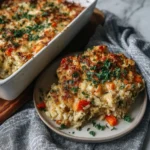
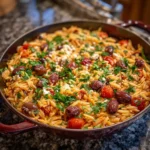
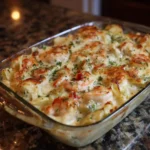
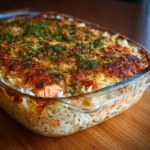
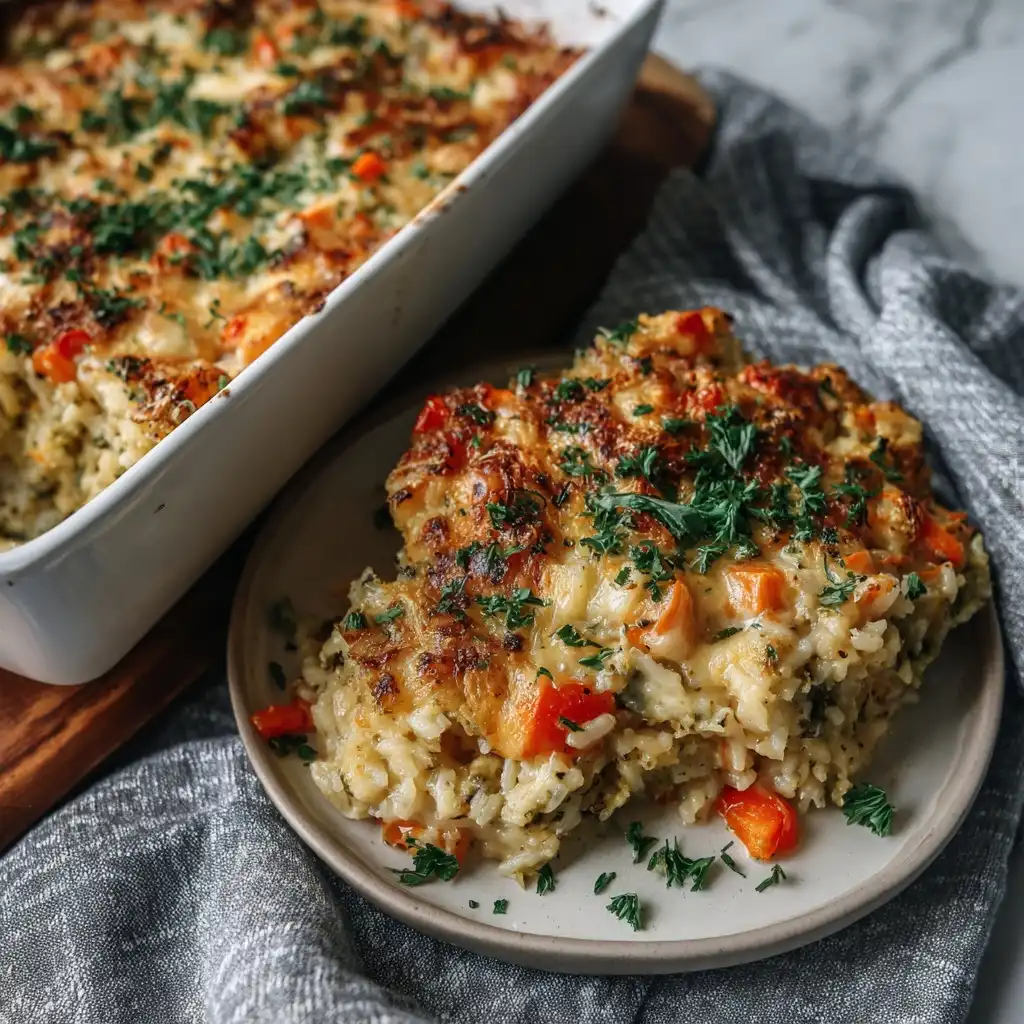
Welcome to the ultimate comfort food experience—Cheesy Vegetable Rice Bake! This hearty, soul-warming casserole is more than just a weeknight dinner; it’s a culinary embrace of simplicity, flavor, and nourishment. Imagine tender grains of rice mingling with vibrant, seasonal vegetables, all enveloped in a luxuriously creamy, golden-brown cheese sauce that bubbles and crisps at the edges. Whether you’re feeding a hungry family after soccer practice, prepping meals for busy workdays, or seeking a vegetarian centerpiece for your holiday table, this dish delivers satisfaction in every forkful. It’s versatile enough for pantry improvisation yet elegant enough to impress guests—and best of all, it reheats beautifully, making leftovers feel like a second celebration.
The History
The Cheesy Vegetable Rice Bake is a modern American casserole born from mid-20th-century ingenuity—rooted in the post-war “convenience cooking” movement that championed one-dish meals using accessible, shelf-stable ingredients. Early iterations appeared in community cookbooks, church bulletins, and women’s magazines like Good Housekeeping and Ladies’ Home Journal, often featuring canned cream soups, frozen peas, and processed cheese slices. As home cooks sought healthier alternatives in the 1970s and ’80s, recipes evolved to include brown rice, fresh vegetables, and real cheddar. The dish gained renewed popularity in the 2010s with the rise of food blogs and meal-prep culture, where its make-ahead nature, freezer-friendliness, and plant-forward flexibility resonated with health-conscious and time-strapped cooks alike. Today, it stands as a beloved hybrid—a nostalgic nod to retro baking traditions, elevated by contemporary nutrition science and global flavor influences.
Ingredients Breakdown
Every exceptional Cheesy Vegetable Rice Bake begins with intentionality—not just in measurement, but in ingredient selection and synergy. Below is a detailed, chef-informed analysis of each component and why it matters:
- Long-Grain White or Brown Rice: Serves as the structural backbone. White rice offers fluffy, separate grains and quicker absorption; brown rice adds fiber, nuttiness, and chew—but requires longer cooking or pre-cooking to avoid gumminess. Parboiled (converted) rice is an excellent middle-ground choice for consistent texture and reduced starch release.
- Fresh Vegetables (e.g., bell peppers, zucchini, carrots, broccoli, spinach, corn, peas): Provide color, texture contrast, vitamins, and natural sweetness. Cruciferous veggies like broccoli benefit from brief blanching to preserve crunch and prevent sulfur odors; leafy greens like spinach should be finely chopped and thoroughly squeezed to eliminate excess water that could dilute the sauce.
- Aromatics (onion, garlic, celery): Form the foundational “mirepoix” base—sautéed slowly to build depth and umami. Yellow onions offer balanced sweetness; red onions add subtle sharpness; shallots lend elegance. Garlic must be added late in sautéing to avoid bitterness.
- Cheeses: A carefully layered blend is key. Sharp cheddar provides tang and meltability; Gruyère adds nutty complexity and superior browning; Monterey Jack contributes stretch and mild creaminess; Parmesan or Pecorino Romano lends salty, savory depth when sprinkled on top. Avoid pre-shredded cheeses—they contain anti-caking agents (like cellulose) that inhibit smooth melting.
- Creamy Base (whole milk, half-and-half, evaporated milk, or béchamel): Evaporated milk is a pro secret—it’s concentrated, ultra-rich, and stabilizes the sauce without curdling. Béchamel (a roux-thickened white sauce) offers unparalleled silkiness and control over consistency. Heavy cream adds luxury but risks greasiness if overused.
- Binding & Flavor Enhancers: A light roux (butter + flour) prevents sauce separation. Dijon mustard and Worcestershire sauce—often overlooked—add bright acidity and fermented depth that balance richness. A splash of dry sherry or white wine (cooked off) lifts the entire profile.
- Herbs & Spices: Fresh thyme and parsley complement earthy notes; smoked paprika or a pinch of cayenne introduces gentle warmth. Black pepper should be freshly ground for volatile oils; nutmeg (just a whisper) enhances dairy richness without tasting “spicy.”
- Optional Umami Boosters: Sautéed mushrooms, sun-dried tomatoes, miso paste (½ tsp whisked into warm milk), or nutritional yeast (for vegan versions) deepen savoriness without overwhelming.
Step-by-Step Recipe
- Preheat & Prep: Position oven rack in the center. Preheat oven to 375°F (190°C). Lightly grease a 9×13-inch (3-quart) baking dish with butter or nonstick spray. Gather and measure all ingredients—mise en place is essential for seamless assembly.
- Cook the Rice: Prepare 3 cups cooked rice (about 1 cup uncooked). For optimal texture: rinse white rice until water runs clear; use a 1:1.75 rice-to-water ratio; simmer covered 18 minutes, then rest 10 minutes off heat. For brown rice: use 1:2.25 ratio and simmer 40–45 minutes. Let rice cool slightly—warm (not hot) rice integrates best without cooking the cheese prematurely.
- Sauté the Aromatics & Veggies: In a large skillet or Dutch oven, melt 2 tbsp unsalted butter over medium heat. Add 1 finely diced yellow onion, 2 minced garlic cloves, and 1 diced celery stalk. Sauté 5–6 minutes until softened but not browned. Stir in 1 diced red bell pepper, 1 grated carrot, and 1 small diced zucchini. Cook 6–7 minutes until vegetables are tender-crisp. Add 1½ cups small broccoli florets and ½ cup fresh or thawed frozen peas—cook 2 more minutes. Remove from heat; stir in 2 cups packed, finely chopped fresh spinach (pre-squeezed) until wilted. Season with salt, pepper, 1 tsp dried thyme, and ¼ tsp smoked paprika.
- Make the Cheese Sauce: In a saucepan, melt 4 tbsp butter. Whisk in ¼ cup all-purpose flour; cook 1–2 minutes until fragrant and pale blonde (do not brown). Gradually whisk in 2½ cups warm whole milk (or evaporated milk), ensuring no lumps form. Bring to a gentle simmer, stirring constantly, until thickened enough to coat the back of a spoon (~5–7 minutes). Reduce heat to low. Whisk in 1 tsp Dijon mustard, 1 tsp Worcestershire sauce, ¼ tsp freshly grated nutmeg, and a pinch of cayenne. Remove from heat. Gradually whisk in 2 cups shredded sharp cheddar, 1 cup shredded Gruyère, and ½ cup grated Parmesan—stirring until fully melted and glossy. Taste and adjust seasoning—remember cheese is salty, so go easy on added salt.
- Combine & Layer: In a large mixing bowl, gently fold the cooled rice into the vegetable mixture. Pour the warm cheese sauce over top. Using a silicone spatula, fold gently but thoroughly until every grain and vegetable is evenly coated. Avoid overmixing to prevent mushiness. Transfer mixture to the prepared baking dish, spreading evenly. Smooth the top with a damp spatula.
- Top & Bake: Sprinkle remaining ½ cup shredded cheddar and ¼ cup grated Parmesan over the surface. For extra crunch and golden color, mix 2 tbsp panko breadcrumbs with 1 tbsp melted butter and 1 tsp chopped fresh parsley—scatter evenly on top. Bake uncovered for 30–35 minutes, until bubbly around the edges and the top is deeply golden with crisp, lacy cheese edges.
- Rest & Serve: Remove from oven and let rest for 15 minutes before serving. This critical step allows the sauce to reabsorb, the rice to settle, and the casserole to slice cleanly. Garnish with additional fresh parsley, chives, or microgreens for brightness.
Tips
- Rice Temperature Matters: Adding piping-hot rice can cause cheese to seize and separate. Let rice cool to lukewarm (about 100°F/38°C) before combining.
- Vegetable Moisture Control: Excess water = soggy bake. Always pat dry thawed frozen vegetables, blanch dense veggies like carrots or broccoli, and squeeze spinach *aggressively*—use cheesecloth or a clean kitchen towel.
- Sauce Consistency Check: Your cheese sauce should be thick enough to mound slightly on a spoon—not runny, not stiff. If too thin, simmer 1–2 minutes longer. If too thick, whisk in warm milk, 1 tbsp at a time.
- Cheese Melting Science: Shred cheese yourself from a block. Pre-shredded contains cellulose and won’t melt smoothly. Let cheese sit at room temperature 15 minutes before adding to warm (not boiling) sauce.
- Baking Dish Choice: Glass or ceramic retains heat longer and promotes even browning. Avoid dark nonstick metal pans—they can over-brown the bottom. If using metal, reduce temp to 350°F and extend time by 5 minutes.
- Don’t Skip the Rest: Cutting too soon releases steam and causes structural collapse. Set a timer—it makes all the difference in texture.
- Freezer-Friendly Assembly: Assemble unbaked casserole, cover tightly with foil, and freeze up to 3 months. Thaw overnight in fridge, then bake as directed—adding 5–10 extra minutes if still chilled.
- Reheating Like a Pro: For individual portions: microwave covered with a damp paper towel (1 min on high, stir, then 30 sec more). For full dish: cover with foil and bake at 325°F for 25–30 minutes until heated through.
Variations and Customizations
This recipe is a canvas—adapt it to seasons, dietary needs, pantries, and palates. Here are inspired, tested variations:
- Mediterranean Twist: Swap rice for cooked orzo or farro. Use feta, kalamata olives, roasted red peppers, artichoke hearts, sun-dried tomatoes, oregano, and lemon zest. Top with crumbled feta and toasted pine nuts.
- Tex-Mex Fiesta Bake: Add 1 cup black beans (rinsed), 1 cup corn, 1 diced jalapeño (seeded), and 1 tsp cumin + 1 tsp chili powder. Use Pepper Jack and cotija cheese. Garnish with avocado, cilantro, and lime crema.
- Asian-Inspired Umami Bake: Replace cheese with ½ cup creamy peanut sauce + 2 tbsp soy sauce + 1 tbsp sesame oil + 1 tsp ginger. Use jasmine rice, shiitake mushrooms, snow peas, edamame, and scallions. Top with crushed peanuts and toasted sesame seeds.
- Vegan & Dairy-Free: Use cashew-based “cheese” sauce (soaked cashews, nutritional yeast, lemon juice, garlic, turmeric), coconut milk, and brown rice. Add roasted sweet potato and kale. Top with almond “parmesan” (blended almonds + nutritional yeast + garlic powder).
- Protein-Packed Power Bake: Fold in 1½ cups cooked lentils, shredded rotisserie chicken, flaked salmon, or crumbled tempeh bacon. Adjust seasonings accordingly—chicken pairs well with tarragon; salmon with dill and lemon.
- Gluten-Free Version: Use GF all-purpose flour or cornstarch slurry (2 tbsp cornstarch + 2 tbsp cold milk) for thickening. Ensure broth and condiments are certified GF. Serve with quinoa or cauliflower “rice” for lower-carb option.
- Kid-Friendly Mild Version: Omit strong cheeses and spices. Use mild cheddar, mozzarella, and a touch of cream cheese for extra creaminess. Hide finely grated zucchini and carrots in the sauce. Shape into fun molds before baking.
- Gourmet Mushroom & Truffle: Sauté mixed wild mushrooms (cremini, oyster, shiitake) in thyme-infused butter. Fold into rice with truffle oil (¼ tsp) and Gruyère. Top with shaved black truffle or truffle salt.
Health Considerations and Nutritional Value
A well-crafted Cheesy Vegetable Rice Bake can be both deeply satisfying and nutritionally robust—when thoughtfully composed. A standard serving (1⅓ cups, approx. 350g) of the base recipe (using brown rice, 2% milk, moderate cheese, and abundant vegetables) provides approximately:
- Calories: 420–480 kcal
- Protein: 22–26g (from cheese, milk, and optional legumes/meat)
- Fiber: 6–9g (especially with brown rice, broccoli, carrots, and spinach—meeting ~25–35% of daily needs)
- Vitamins & Minerals: Excellent source of Vitamin A (carrots, spinach), Vitamin C (bell peppers, broccoli), Calcium (dairy), Folate (leafy greens), Potassium (zucchini, spinach), and antioxidants like lutein and beta-carotene.
- Healthy Fats: Primarily unsaturated fats from olive oil (if used in sautéing) and dairy, plus omega-3s if including flax or walnuts in variations.
Dietary Notes:
- Sodium Management: Reduce salt by 50% and rely on herbs, citrus zest, garlic, and umami boosters. Choose low-sodium broth if using, and skip added salt in cheese sauce—many aged cheeses are naturally high in sodium.
- Saturated Fat Balance: Opt for 2% milk instead of whole; use part-skim ricotta or cottage cheese blended into sauce; replace ¼ of cheddar with puréed white beans for creaminess + fiber.
- Low-Carb Adaptation: Substitute riced cauliflower (sautéed and drained well) or shirataki rice. Boost protein and healthy fats to maintain satiety.
- Allergen Awareness: Naturally nut-free and egg-free. For dairy allergy, use fortified soy or oat milk + nutritional yeast + tapioca starch for stretch. Gluten-free if thickener is GF-certified.
- Diabetic-Friendly Tips: Prioritize high-fiber brown rice or quinoa; limit added sugars (avoid condensed soups); pair with a side salad rich in vinegar-based dressing to slow glucose absorption.
Consult a registered dietitian for personalized modifications—especially for renal, cardiac, or gastrointestinal conditions where potassium, phosphorus, or FODMAPs require adjustment.
Ingredients
- 1 cup long-grain white rice (or ¾ cup brown rice), rinsed
- 1¾–2¼ cups water (per rice type instructions)
- 2 tbsp unsalted butter
- 1 medium yellow onion, finely diced
- 2 garlic cloves, minced
- 1 celery stalk, finely diced
- 1 red bell pepper, diced
- 1 medium carrot, grated
- 1 small zucchini, diced
- 1½ cups small broccoli florets
- ½ cup fresh or frozen peas (thawed)
- 2 cups packed fresh spinach, finely chopped
- 4 tbsp unsalted butter (for sauce)
- ¼ cup all-purpose flour (or GF flour blend)
- 2½ cups warm whole milk or evaporated milk
- 1 tsp Dijon mustard
- 1 tsp Worcestershire sauce
- ¼ tsp freshly grated nutmeg
- Pinch of cayenne pepper
- 2 cups shredded sharp cheddar cheese
- 1 cup shredded Gruyère cheese
- ½ cup grated Parmesan cheese, plus extra for topping
- Salt and freshly ground black pepper, to taste
- 2 tbsp panko breadcrumbs (optional, for crunch)
- 1 tbsp fresh parsley, finely chopped (for garnish)
Directions
- Preheat oven to 375°F (190°C). Grease a 9×13-inch baking dish.
- Cook rice according to package directions using appropriate water ratio. Spread cooked rice on a tray to cool slightly (10–15 minutes).
- In a large skillet, melt 2 tbsp butter over medium heat. Sauté onion, garlic, and celery until soft (5–6 min). Add bell pepper, carrot, and zucchini; cook 6–7 min until tender-crisp. Stir in broccoli and peas; cook 2 min. Remove from heat; stir in spinach until wilted. Season with salt, pepper, thyme, and smoked paprika.
- In a saucepan, melt 4 tbsp butter. Whisk in flour; cook 1–2 min. Gradually whisk in warm milk until smooth. Simmer 5–7 min until thickened. Off heat, whisk in mustard, Worcestershire, nutmeg, and cayenne. Gradually whisk in cheeses until melted and smooth.
- In a large bowl, gently combine warm rice and vegetable mixture. Pour cheese sauce over top and fold gently until fully incorporated.
- Transfer to prepared dish. Top with remaining ½ cup cheddar, ¼ cup Parmesan, and (if using) buttered panko.
- Bake uncovered 30–35 minutes until golden, bubbly, and set at center.
- Let rest 15 minutes before serving. Garnish with fresh parsley.
FAQ
- Can I use leftover rice?
- Absolutely—and it’s ideal! Day-old rice is drier and less starchy, preventing clumping. Just ensure it’s not cold from the fridge; warm gently before mixing.
- Why did my bake turn out watery?
- Most commonly due to excess moisture from vegetables (especially spinach or zucchini), using un-drained canned goods, or undercooking the roux/sauce. Always squeeze greens, blanch dense veggies, and simmer sauce until it coats the spoon.
- Can I prepare this ahead of time?
- Yes! Assemble up to 24 hours in advance, cover tightly, and refrigerate. Add 5–8 minutes to bake time. For longer storage, freeze unbaked (up to 3 months) or baked (up to 2 months)—thaw overnight before reheating.
- What’s the best cheese for melting?
- High-moisture, medium-fat cheeses melt most reliably: young cheddar, Fontina, Monterey Jack, Gouda, and Muenster. Avoid very hard (Parmigiano-Reggiano alone) or very soft (brie, feta) cheeses unless blended with melt-friendly types.
- Can I make this without a roux?
- You can—but expect a looser, less cohesive texture. Alternatives: blend ½ cup cottage cheese or ricotta with milk for body; use a cornstarch slurry (2 tbsp cornstarch + 2 tbsp cold milk); or stir in 2 tbsp cream cheese at the end of sauce-making.
- Is this dish suitable for freezing?
- Yes—both baked and unbaked versions freeze well. For best results, under-bake by 5 minutes if freezing baked, then finish later. Freeze unbaked in parchment-lined dish for easy removal.
- How do I keep the top from burning before the center is done?
- Cover loosely with foil for the first 20 minutes, then remove to brown. Or lower oven temp to 350°F and extend time by 10 minutes. A light dusting of breadcrumbs helps shield cheese while adding texture.
- Can I use instant or converted rice?
- Converted (parboiled) rice works beautifully—its grains stay distinct and absorb sauce without turning mushy. Instant rice is not recommended—it breaks down easily and becomes gummy.
- My cheese sauce broke—what went wrong?
- Common causes: overheating the sauce after cheese is added, using cold cheese, adding cheese to boiling liquid, or using pre-shredded cheese. Fix it by removing from heat, whisking in 1 tsp lemon juice or hot milk, and gently warming while stirring constantly.
- What sides pair well with this bake?
- Keep it balanced: a crisp green salad with vinaigrette, roasted asparagus, garlicky sautéed greens, chilled cucumber-dill salad, or a light tomato soup. Avoid heavy, cheesy, or overly starchy sides.
Summary
Cheesy Vegetable Rice Bake is a timeless, adaptable, and deeply comforting casserole that harmonizes wholesome vegetables, creamy dairy, and savory cheese over tender rice—elevated by thoughtful technique and customizable flavors.
Whether you’re nourishing a family, meal-prepping with purpose, accommodating dietary needs, or simply craving something hearty and homemade, this dish delivers nutrition, nostalgia, and restaurant-worthy satisfaction—all from one pan.