Introduction
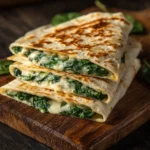
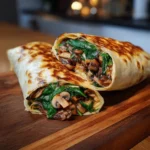
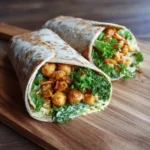
Welcome to a deliciously satisfying fusion of Mexican tradition and modern, nutrient-rich comfort food — the Cheesy Spinach Quesadilla Wrap. This isn’t your average lunchtime staple; it’s a thoughtfully crafted, handheld masterpiece that marries the creamy melt of premium cheese with the earthy, iron-rich depth of fresh spinach — all enrobed in a warm, pliable, golden-brown tortilla. Designed for busy professionals, health-conscious families, meal-prep enthusiasts, and even picky eaters (yes, kids love it too!), this recipe delivers bold flavor, restaurant-quality texture, and wholesome nourishment in under 20 minutes. Whether you’re packing it for school lunches, whipping up a quick weeknight dinner, or serving it at a casual brunch gathering, the Cheesy Spinach Quesadilla Wrap is as versatile as it is irresistible — a testament to how simple ingredients, when balanced with intention, can create something truly extraordinary.
The History
The quesadilla traces its roots back to 16th-century central Mexico, where indigenous cooks combined native corn tortillas with locally available cheeses like queso fresco or panela — often cooked on comales (clay griddles) over open flames. Originally a humble peasant dish, it evolved regionally: northern Mexico embraced flour tortillas and melted cheeses like asadero and chihuahua, while central regions maintained corn-based versions with crumbled fresh cheese. The concept of “folding” or “wrapping” the quesadilla — rather than serving it flat and cut into wedges — gained traction in the U.S. during the late 20th century, driven by the rise of Tex-Mex fast-casual chains and the demand for portable, mess-free meals. The incorporation of spinach reflects broader culinary shifts toward plant-forward eating, gaining momentum in the 1990s and 2000s as nutrition science emphasized leafy greens’ role in cardiovascular and cognitive health. Chefs and home cooks alike began experimenting with spinach not just as a garnish but as a functional, flavorful layer — its mild bitterness tempering rich cheeses, its moisture content carefully managed to prevent sogginess. Today’s Cheesy Spinach Quesadilla Wrap stands at the intersection of centuries-old technique, cross-cultural adaptation, and contemporary wellness awareness — a living evolution on a tortilla.
Ingredients Breakdown
Every element in this recipe has been selected for synergy — flavor balance, textural contrast, nutritional density, and functional performance during cooking:
- Flour Tortillas (10-inch, medium-thick): Not too thin (to avoid tearing) nor too thick (to ensure even heat penetration). Look for varieties with minimal additives — ideally made with enriched wheat flour, water, and a touch of oil or lard for pliability and browning capability.
- Fresh Baby Spinach: Preferred over mature spinach for its tender leaves, milder flavor, and reduced oxalic acid content — making nutrients like calcium and iron more bioavailable. Its high water content is carefully managed through wilting and gentle pressing.
- Shredded Monterey Jack: Chosen for its superb meltability, subtle buttery notes, and neutral pH — which helps prevent curdling when combined with acidic ingredients (like optional lime juice or tomatoes). Its low sodium content also allows flexibility in seasoning.
- Sharp White Cheddar: Adds tang, complexity, and structural integrity — its higher protein and fat content help bind the filling without excessive greasiness. Aged 6–9 months provides optimal depth without overwhelming sharpness.
- Garlic Powder & Onion Powder: Dehydrated forms offer consistent, evenly distributed savory umami without raw bite or moisture interference — critical for avoiding steam pockets and ensuring crisp exterior texture.
- Ground Cumin: A warm, earthy accent that enhances spinach’s natural minerality and bridges the flavor profile between cheese and tortilla. Toasted cumin would be overpowering here; ground offers subtlety and stability.
- Freshly Ground Black Pepper: Not pre-ground — freshly cracked pepper releases volatile oils (like piperine) that enhance both aroma and nutrient absorption (especially of turmeric or curcumin if added later).
- Unsalted Butter (or Avocado Oil for dairy-free): Butter imparts unmistakable richness and promotes Maillard browning on the tortilla surface. For dietary inclusivity, refined avocado oil (smoke point 520°F/271°C) ensures crispness without flavor competition.
- Optional Add-Ins (Detailed in Variations): Roasted red peppers (for sweetness and vitamin C), sun-dried tomatoes (umami + lycopene boost), toasted pine nuts (healthy fats + crunch), lemon zest (brightness to cut richness), or a splash of heavy cream (for ultra-creamy texture).
Crucially, this recipe avoids pre-shredded cheese (which contains anti-caking cellulose that inhibits melting), canned spinach (excess sodium and degraded texture), and low-moisture mozzarella alone (lacks flavor complexity and can become rubbery).
Step-by-Step Recipe
- Prep the Spinach: Rinse 4 cups fresh baby spinach thoroughly under cold running water. Pat *very* dry using a clean kitchen towel or salad spinner — residual moisture is the #1 cause of soggy, steamed tortillas instead of crisp ones. Heat a nonstick skillet over medium heat. Add spinach in batches, stirring constantly until just wilted (about 60–90 seconds total). Transfer immediately to a fine-mesh strainer set over a bowl; press firmly with the back of a spoon to extract every drop of liquid. Let cool completely — warm spinach will melt cheese prematurely and create condensation.
- Build the Cheese Blend: In a medium bowl, combine 1 cup shredded Monterey Jack and ½ cup shredded sharp white cheddar. Add ½ tsp garlic powder, ½ tsp onion powder, ¼ tsp ground cumin, and ¼ tsp freshly ground black pepper. Stir vigorously with a fork to evenly distribute spices and prevent clumping. Taste a tiny pinch — adjust pepper or cumin if desired, but hold off on salt until after tasting the final blend (cheeses vary widely in sodium).
- Assemble with Precision: Lay one 10-inch flour tortilla on a clean, dry work surface. Sprinkle half of the cheese mixture (about ¾ cup) in an even layer over the bottom half of the tortilla, leaving a ½-inch border. Distribute half of the cooled, pressed spinach evenly over the cheese. Optional: add 1 tbsp finely diced roasted red pepper or 1 tsp lemon zest at this stage. Fold the empty top half of the tortilla over the filling to create a half-moon shape. Gently press edges to seal — do *not* crimp or press too hard, as this may force filling out during cooking.
- Heat the Skillet: Place a 10- or 12-inch heavy-bottomed stainless steel or cast-iron skillet over medium-low heat (325°F/163°C). Allow to preheat for 2 minutes — too hot, and the tortilla burns before cheese melts; too cool, and it steams instead of crisping. Test heat by flicking a few drops of water — they should skitter and evaporate within 2 seconds.
- First-Side Cook: Lightly butter the *outside* of the folded tortilla (top surface only). Place butter-side down in the hot skillet. Cook undisturbed for 2 minutes 30 seconds — resist lifting! You’ll hear a gentle sizzle and see golden-brown speckling develop around the edges. Check doneness by gently lifting a corner with a thin spatula — it should release easily and show deep amber color.
- Flip & Finish: Carefully slide the spatula fully underneath and flip in one confident motion. Butter the newly exposed top surface. Cook for another 2 minutes — the second side often cooks slightly faster due to residual heat from the first side. Press *gently* with the spatula once halfway through to encourage even contact and full cheese melt. When deeply golden and fragrant, transfer to a wire rack (not a plate!) to prevent steam buildup on the bottom.
- Rest & Slice: Let rest for 90 seconds — this allows molten cheese to re-set slightly, preventing spillage when cut. Use a serrated knife to slice diagonally into two triangles. Serve immediately while the interior is luxuriously gooey and the exterior shatters delicately.
Tips
- Dry Spinach Relentlessly: Even a teaspoon of excess water creates steam → soggy tortilla → broken quesadilla. After wilting, lay spinach on triple-layered paper towels, cover with more towels, and stand on it for 30 seconds. Repeat if needed.
- Grate Your Own Cheese: Pre-shredded cheese contains potato starch or cellulose — it won’t melt smoothly and yields a grainy, separated texture. A box grater or food processor (with shredding disc) takes 90 seconds and makes all the difference.
- Control the Heat Like a Pro: Medium-low is non-negotiable. If the tortilla browns in under 2 minutes, reduce heat. If no color develops after 3 minutes, increase slightly. An infrared thermometer is ideal for consistency.
- Butter the Outside, Not the Pan: Applying butter directly to the tortilla ensures even coverage, prevents pooling, and gives superior browning versus greasing the skillet (which leads to uneven color and potential burning).
- Use a Heavy Skillet: Thin pans create hot spots — one edge burns while the center stays pale. Cast iron or clad stainless retains heat evenly and recovers quickly when the cold quesadilla hits the surface.
- Don’t Overstuff: More than ¾ cup filling per 10-inch tortilla causes bulging, uneven cooking, and leakage. Less is more — quality over quantity.
- Rest Before Cutting: Skipping the 90-second rest guarantees a cheese waterfall. That brief pause lets proteins re-bond and fats re-emulsify for perfect sliceability.
- Reheat Without Ruining: To revive leftovers: wrap loosely in parchment, then foil, and bake at 325°F for 12–15 minutes. Never microwave — it turns tortillas leathery and cheese rubbery.
- Season Late, Taste Often: Add salt only *after* mixing cheese and spices — many cheeses are already salted. Taste the blend before assembling to avoid over-seasoning.
- Double-Batch Smart: Prepare spinach and cheese blend up to 2 days ahead. Store separately in airtight containers in the fridge. Assemble and cook fresh — never refrigerate assembled, uncooked quesadillas (moisture migrates and softens tortillas).
Variations and Customizations
This recipe is designed as a vibrant foundation — endlessly adaptable to dietary needs, seasonal produce, global flavors, and personal cravings:
Plant-Powered Vegan Version
- Swap cheeses for ¾ cup cashew-based “queso blanco” (soaked raw cashews, lemon juice, nutritional yeast, garlic, and 2 tbsp coconut oil, blended until silky) + 2 tbsp crumbled tofu feta.
- Use avocado oil instead of butter and add 1 tsp smoked paprika to the spinach for depth.
- Boost omega-3s with 1 tbsp ground flaxseed stirred into the “cheese” blend.
Mediterranean Twist
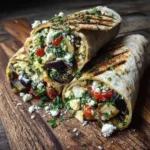
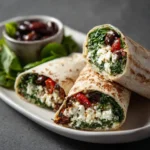
- Add 2 tbsp chopped kalamata olives, 1 tbsp crumbled feta, and 1 tsp dried oregano to the cheese mixture.
- Substitute baby kale for half the spinach for extra texture and vitamin K.
- Finish with a drizzle of high-quality Greek olive oil and a sprinkle of lemon zest.
Southwest Spice Boost
- Incorporate 1 tbsp finely minced pickled jalapeño (well-drained) and ¼ tsp chipotle powder into the spice blend.
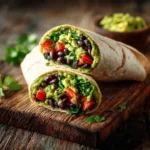
- Add 2 tbsp black beans (rinsed, patted dry) and 1 tbsp roasted corn kernels.
- Serve with a side of avocado crema (blended ripe avocado, lime juice, cilantro, garlic, and a splash of coconut milk).
Kid-Friendly Mild Edition
- Omit all spices except black pepper. Use only Monterey Jack (no cheddar) for maximum melt and zero sharpness.
- Hide 2 tbsp finely grated zucchini (squeezed dry) or carrot for extra veggie power — undetectable to young palates.
- Shape into mini 6-inch “pinwheels”: spread filling on a full tortilla, roll tightly, slice into 1-inch rounds, and pan-sear cut sides until golden.
Breakfast Quesadilla Wrap
- Replace half the cheese with 2 scrambled eggs (cooled and broken into small curds).
- Add 1 tbsp crumbled cooked bacon or turkey sausage and 1 tsp chopped fresh chives.
- Serve with a side of warm salsa or maple-sriracha drizzle.
Gourmet Restaurant Style
- Use house-made spinach-herb tortillas (blend 1 cup spinach purée into dough before rolling).
- Substitute aged Gouda and fontina for complex nuttiness and unparalleled stretch.
- Top with microgreens, edible flowers, and a delicate truffle oil mist just before serving.
Health Considerations and Nutritional Value
A single Cheesy Spinach Quesadilla Wrap (using whole-wheat tortilla, reduced-fat cheeses, and mindful portions) delivers approximately 425 calories, 22g protein, 18g fat (7g saturated), 42g carbohydrates (6g fiber, 2g sugars), and 480mg sodium. Let’s break down the science-backed benefits and smart adaptations:
Nutrient Highlights
- Spinach: One cup cooked provides >300% DV of vitamin K (essential for bone mineralization and blood clotting), 100% DV of vitamin A (as beta-carotene for eye health), and significant folate (critical for DNA synthesis and prenatal health). Its nitrates support healthy blood pressure via nitric oxide production.
- Calcium & Vitamin D Synergy: While cheese supplies highly bioavailable calcium, pairing with spinach’s magnesium and vitamin K ensures proper calcium utilization in bones — not arteries. For enhanced absorption, serve with a source of vitamin D (e.g., a sunny-side-up egg variation or fortified plant milk on the side).
- Probiotic Potential: Using naturally fermented, artisanal cheeses (like raw-milk cheddar) introduces beneficial bacteria — though pasteurized versions still provide immune-supportive peptides released during digestion.
- Fiber Foundation: Opting for a 100% whole-wheat or sprouted-grain tortilla adds resistant starch and prebiotic fiber, feeding gut microbiota linked to reduced inflammation and improved mood regulation.
Dietary Adaptations
- Gluten-Free? Use certified GF tortillas made from brown rice, teff, or cassava flour — avoid corn-only versions, which lack elasticity and tear easily. Add 1 tsp xanthan gum to homemade blends for binding.
- Lactose Intolerant? Aged cheeses (like sharp cheddar) contain minimal lactose (<0.1g per ounce). Alternatively, use lactose-free Monterey Jack or vegan cheese cultured with bacterial enzymes.
- Low-Sodium Needs? Choose low-sodium cheeses, omit added salt, and amplify flavor with citrus zest, herbs, smoked salt (used sparingly), or nutritional yeast.
- Diabetic-Friendly? Prioritize high-fiber tortillas, add 1 tsp ground flax or chia to the cheese blend for viscosity and slowed glucose absorption, and pair with a side of vinegar-based slaw (acetic acid improves insulin sensitivity).
- Pregnancy-Safe? Pasteurized cheeses are essential. Avoid raw sprouts or unpasteurized dairy. Spinach’s folate supports neural tube development — aim for 600mcg/day (this wrap provides ~130mcg).
What to Watch
- Sodium Awareness: Pre-shredded cheeses and seasoned tortillas can spike sodium. Always check labels — aim for <300mg per serving if managing hypertension.
- Saturated Fat Balance: While cheese fat supports hormone health and satiety, pairing with antioxidant-rich veggies (spinach) mitigates oxidative stress. No need to fear full-fat cheese in moderation.
- Oxalate Note: Spinach contains oxalates, which can contribute to kidney stones in susceptible individuals. For those with recurrent calcium-oxalate stones, rotate with lower-oxalate greens like romaine, cabbage, or bok choy.
- Portion Mindfulness: This is nutrient-dense — not low-calorie. Pair with a large side salad or vegetable soup to increase volume and fiber without excess energy.
Ingredients
- 4 cups fresh baby spinach, rinsed and thoroughly dried
- 1 cup shredded Monterey Jack cheese (full-fat, block-grated)
- ½ cup shredded sharp white cheddar cheese (aged 6–9 months, block-grated)
- ½ teaspoon garlic powder
- ½ teaspoon onion powder
- ¼ teaspoon ground cumin
- ¼ teaspoon freshly ground black pepper
- 2 (10-inch) medium-thick flour tortillas (whole-wheat preferred for fiber)
- 2 tablespoons unsalted butter, softened (or refined avocado oil for dairy-free)
- Pinch of flaky sea salt (optional, to taste after assembly)
Directions
- Rinse spinach and spin or pat *extremely* dry. Heat a nonstick skillet over medium heat. Add spinach in two batches; stir constantly until just wilted (60–90 seconds total). Immediately transfer to a fine-mesh strainer over a bowl. Press firmly with the back of a spoon to remove all liquid. Spread on paper towels to cool completely.
- In a bowl, combine Monterey Jack, cheddar, garlic powder, onion powder, cumin, and black pepper. Stir with a fork until spices are evenly distributed and no clumps remain.
- Place one tortilla on a clean surface. Sprinkle half the cheese mixture (¾ cup) over the bottom half, leaving a ½-inch border. Top evenly with half the cooled, pressed spinach. Fold tortilla in half to enclose filling. Gently press edges to seal.
- Heat a 10- or 12-inch heavy skillet over medium-low heat (325°F) for 2 minutes. Lightly butter the outer surface of the folded tortilla.
- Place butter-side down in the hot skillet. Cook undisturbed for 2 minutes 30 seconds, until golden-brown and crisp at the edges.
- Flip carefully using a thin, flexible spatula. Butter the new top surface. Cook for 2 more minutes, pressing gently once halfway through, until deeply golden and cheese is fully melted.
- Transfer to a wire rack. Rest for 90 seconds. Slice diagonally into two triangles. Serve immediately.
FAQ
- Can I make these ahead and reheat?
- Absolutely — but with caveats. Assemble *uncooked* quesadillas can be refrigerated for up to 12 hours (wrap individually in parchment + foil). For best results, freeze *cooked and cooled* wraps: wrap tightly in parchment, then foil, and freeze for up to 3 weeks. Reheat from frozen in a 325°F oven for 18–22 minutes, or air fry at 350°F for 8–10 minutes. Never microwave — it destroys texture.
- Why does my quesadilla always get soggy?
- Sogginess almost always stems from one culprit: moisture. Ensure spinach is *completely* dry after wilting and cooling. Also, avoid adding wet ingredients (like fresh tomato or un-drained peppers) directly to the filling — roast or sauté them first and pat dry. And never skip the wire rack rest — trapping steam = limp tortilla.
- Can I use frozen spinach?
- You *can*, but it’s not recommended. Frozen spinach contains significantly more water and often has a muted flavor and softer texture. If you must: thaw completely, squeeze in a clean kitchen towel *until no water drips*, then wilt briefly in a dry pan to drive off residual steam. Expect slightly less vibrant color and flavor.
- What’s the best cheese for maximum melt and flavor?
- Monterey Jack is the gold standard for melt — high moisture, low acidity, and neutral pH. Combine it with a flavorful, lower-moisture cheese like sharp cheddar, gouda, or havarti for complexity. Avoid mozzarella alone (too bland and stringy) or feta alone (doesn’t melt). A 2:1 ratio (Jack to flavored cheese) is ideal.
- My tortillas keep cracking when I fold them. What’s wrong?
- Two likely causes: (1) Tortillas are too cold or stale — warm them for 10 seconds per side in a dry skillet before assembling, or wrap in a damp paper towel and microwave for 5 seconds. (2) You’re using ultra-thin “street taco” tortillas — opt for “burrito” or “fajita” grade (8–10 inches, medium thickness) for pliability and strength.
- Can I cook these on a griddle or grill?
- Yes! A flat griddle works beautifully — maintain medium-low heat and monitor closely, as griddles retain more ambient heat. For outdoor grilling: use a grill pan or cast-iron griddle over indirect heat. Brush tortillas lightly with oil to prevent sticking. Grill marks add visual appeal but require precise timing — 1.5 minutes per side max.
- Is there a way to make this gluten-free without sacrificing texture?
- Yes — seek out GF tortillas made with a blend (e.g., brown rice + tapioca + sorghum), not just corn. Brands like Siete Almond Flour or BFree Multigrain perform exceptionally well. Warm them before folding, and consider brushing the *inside* lightly with oil before adding filling — this creates a moisture barrier and improves flexibility.
- How do I add protein without making it heavy?
- For lean protein: add 2 oz shredded rotisserie chicken (cooled, patted dry) or ¼ cup cooked lentils (rinsed and drained well). For plant-powered protein: 3 tbsp crumbled tempeh (pan-seared until golden) or 2 tbsp hemp hearts sprinkled over the cheese before folding. Always dry proteins thoroughly — excess moisture is the enemy.
- Can I make a large batch for meal prep?
- Yes — double or triple the spinach prep and cheese blend. Store separately in airtight containers: spinach (up to 3 days), cheese blend (up to 5 days). Assemble and cook fresh each day — tortillas soften rapidly when filled and refrigerated. For true meal prep, cook, cool completely, wrap individually in parchment + foil, and freeze. Reheat as directed above.
- What dipping sauces complement this without overwhelming it?
- Keep sauces light and bright to contrast the richness: cilantro-lime crema (Greek yogurt + lime zest + juice + chopped cilantro), roasted garlic hummus thinned with olive oil, or a simple apple cider vinaigrette (1 part vinegar, 3 parts oil, Dijon, touch of honey). Avoid heavy, sugary sauces — they mask the delicate spinach flavor.
Summary
The Cheesy Spinach Quesadilla Wrap is a masterclass in simplicity, nutrition, and crave-worthy comfort — where vibrant, iron-rich spinach meets velvety melted cheese inside a perfectly crisp, golden tortilla.
With customizable variations, smart health adaptations, and foolproof techniques rooted in culinary science, it’s not just a recipe — it’s a reliable, joyful ritual for nourishing yourself and others, one delicious, wholesome bite at a time.