Introduction
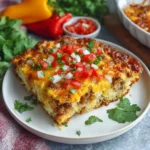
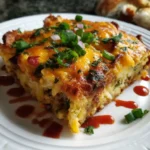
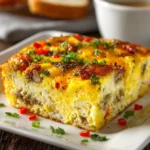
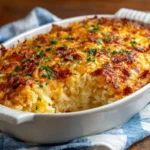
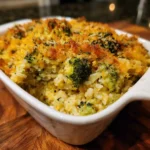
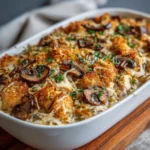
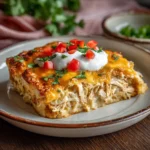
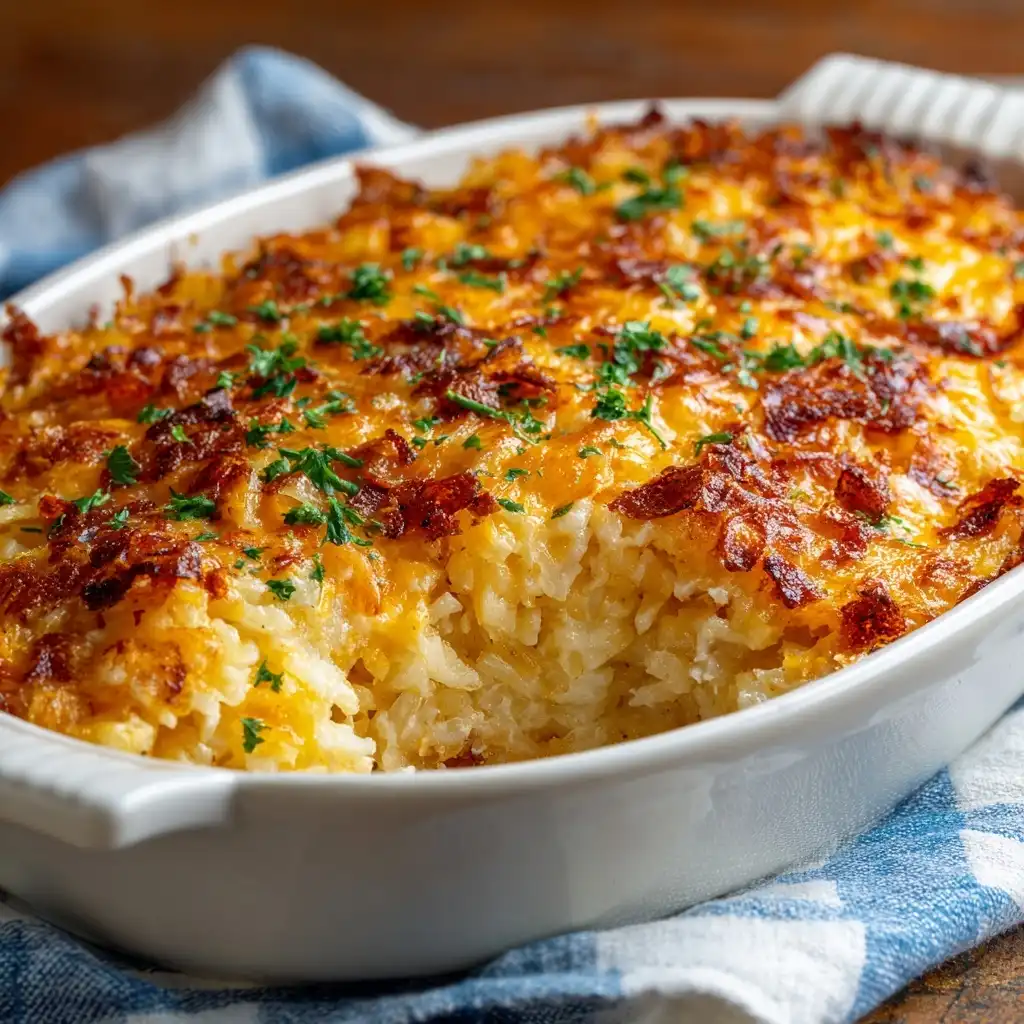
Cheesy Hash Brown Casserole is the ultimate comfort food — a rich, creamy, golden-brown baked dish that brings together crispy shredded potatoes, velvety cheese sauce, savory seasonings, and often a touch of crunch from toppings like buttery breadcrumbs or crushed crackers. Beloved across American potlucks, holiday brunches, and weeknight family dinners, this casserole is celebrated for its simplicity, adaptability, and deeply satisfying flavor profile. Whether served piping hot straight from the oven or reheated with renewed crispness the next day, it delivers nostalgic warmth in every forkful — making it more than just a side dish; it’s a centerpiece of care, tradition, and culinary generosity.
The History
The origins of Cheesy Hash Brown Casserole trace back to mid-20th-century America, flourishing alongside the rise of convenience cooking during the post-war era. With the widespread availability of frozen shredded hash browns (introduced commercially by Ore-Ida in 1953), home cooks began experimenting with ways to transform this pantry staple into hearty, oven-baked meals. Early versions appeared in community cookbooks, church bulletins, and newspaper food sections — often titled “Scalloped Potatoes,” “Potato Bake,” or “Breakfast Casserole.” The addition of canned cream of mushroom or chicken soup — a hallmark of 1950s “dump-and-bake” cuisine — provided an accessible thickener and umami depth. Over time, as home chefs sought richer textures and bolder flavors, real dairy (sour cream, heavy cream, melted cheddar), fresh aromatics (onions, garlic), and artisanal cheeses gained prominence. Today’s iterations honor that legacy while embracing modern sensibilities — including gluten-free adaptations, plant-based alternatives, and globally inspired seasonings — proving that this humble casserole continues to evolve without ever losing its soul.
Ingredients Breakdown
Understanding each ingredient’s role ensures consistent success and empowers confident customization:
- Frozen Shredded Hash Browns: The foundational element — choose plain (unseasoned) varieties with minimal additives. Thawing partially (but not fully) helps retain texture and prevents excess moisture. Avoid pre-cooked or caramelized versions unless intentionally seeking sweetness.
- Full-Fat Dairy Components: Sour cream adds tang and tenderness; whole milk or half-and-half contributes creaminess and balances richness; butter (both melted and for topping) delivers flavor and golden crust formation.
- Cheeses: A strategic blend is key: sharp cheddar for bold flavor and meltability, Monterey Jack for stretch and mild creaminess, and a small amount of Gruyère or fontina for nutty complexity and superior browning. Pre-shredded cheeses contain anti-caking agents that hinder melting — always grate your own for optimal results.
- Aromatics & Seasonings: Finely diced yellow onion and minced garlic build aromatic depth. Dry mustard powder enhances cheesiness without heat; smoked paprika adds subtle earthiness; freshly ground black pepper and kosher salt (adjusted carefully, especially if using salted butter or canned soup) balance all elements.
- Binders & Thickeners: While traditional recipes rely on condensed soups, modern versions use a roux (butter + flour) or cornstarch slurry for cleaner flavor and better control over consistency. Eggs can be added for structure in breakfast-forward variations.
- Toppings: Buttered panko breadcrumbs offer delicate crunch; crushed Ritz or potato chips bring salty-sweet contrast; crumbled cooked bacon or chopped chives lend visual appeal and layered flavor.
Step-by-Step Recipe
- Preheat & Prep: Position oven rack in the center and preheat to 375°F (190°C). Generously grease a 9×13-inch baking dish (glass or ceramic recommended for even heating) with butter or nonstick spray.
- Thaw & Drain Potatoes: Place frozen hash browns in a large colander lined with cheesecloth or a clean kitchen towel. Let sit for 10 minutes, then gently squeeze out as much liquid as possible — this step is critical to prevent sogginess and ensure proper binding.
- Sauté Aromatics: In a medium skillet over medium heat, melt 2 tablespoons butter. Add diced onion and cook until translucent (about 4–5 minutes). Stir in minced garlic and cook 30 seconds until fragrant. Remove from heat and let cool slightly.
- Build the Cheese Sauce: In a saucepan over medium-low heat, melt 4 tablespoons butter. Whisk in ¼ cup all-purpose flour and cook 1–2 minutes to form a smooth roux (do not brown). Gradually whisk in 1½ cups whole milk, ensuring no lumps remain. Bring to a gentle simmer, stirring constantly, until thickened enough to coat the back of a spoon (~5 minutes). Remove from heat; stir in 1 cup sour cream, 1 tsp dry mustard, ½ tsp smoked paprika, ½ tsp black pepper, and 1 tsp kosher salt (adjust later if needed).
- Combine Base Mixture: In a very large mixing bowl, combine drained hash browns, sautéed onion-garlic mixture, and the warm cheese sauce. Fold gently but thoroughly until evenly coated. Fold in 2 cups shredded cheddar, 1 cup Monterey Jack, and ½ cup grated Gruyère.
- Transfer & Smooth: Pour mixture into prepared baking dish. Use a spatula to spread evenly and press down lightly to eliminate air pockets.
- Add Topping: In a small bowl, mix ½ cup panko breadcrumbs with 2 tablespoons melted butter and a pinch of garlic powder. Sprinkle evenly over casserole surface.
- Bake: Cover dish tightly with aluminum foil and bake for 45 minutes. Carefully remove foil and continue baking uncovered for 25–35 minutes, or until top is deep golden, edges are bubbling vigorously, and center is set (a knife inserted 2 inches from edge should come out clean). For extra browning, broil on low for 1–2 minutes at the end — watch closely!
- Rest Before Serving: Let casserole rest for 15–20 minutes before slicing. This allows residual heat to finish cooking the center and enables the sauce to reabsorb and set properly — preventing a runny cut.
Tips
- Drain Like Your Casserole Depends On It: Excess water is the #1 cause of mushy or separated casseroles. Squeeze hash browns in batches — use two towels if necessary — and consider salting them lightly before squeezing to draw out additional moisture.
- Layer Flavors Strategically: Don’t skip sautéing onions — raw onion creates harsh bite and uneven texture. Likewise, blooming spices (paprika, mustard) in warm sauce amplifies their impact.
- Temperature Matters: Warm (not hot) cheese sauce prevents scrambling if eggs are used and encourages even distribution. Cold ingredients cause clumping and poor adhesion.
- Understand Your Pan: Dark metal pans bake faster and may require lowering temperature by 25°F and reducing time slightly. Glass retains heat longer — ideal for gentle, thorough cooking but may need extra resting time.
- Test for Doneness Correctly: Insert thermometer into center: internal temp should reach 165°F (74°C). Visual cues alone (bubbling edges, golden top) aren’t always reliable — especially at high altitudes or with dense layers.
- Make-Ahead Magic: Assemble up to 24 hours ahead, cover tightly, and refrigerate unbaked. Add 10–15 minutes to covered bake time. For freezer prep: assemble, wrap in double layers of plastic + foil, freeze up to 3 months. Thaw overnight in fridge before baking.
- Crisp Up Leftovers: Reheat individual portions in an air fryer (350°F for 5–7 minutes) or oven (375°F on parchment-lined sheet, 12–15 min) — avoid microwaving alone, which steams rather than crisps.
Variations and Customizations
This casserole is a canvas — here are beloved and innovative riffs tested across decades and kitchens:
- Breakfast Hash Brown Casserole: Add 6 whisked eggs, 1 cup diced ham or cooked sausage, and ¼ cup chopped fresh chives. Reduce milk to 1 cup and add ½ tsp ground nutmeg. Bake as directed — serves 12 for brunch.
- Southwest Style: Replace cheddar with pepper jack; stir in 1 cup roasted corn, ½ cup black beans (rinsed), 2 tbsp pickled jalapeños, and 1 tsp cumin. Top with crushed tortilla chips and fresh cilantro.
- Gourmet Mushroom & Herb: Sauté 2 cups mixed mushrooms (cremini, shiitake, oyster) with thyme and shallots before adding to base. Substitute Gruyère for half the cheddar and finish with truffle oil drizzle.
- Gluten-Free Version: Use GF all-purpose flour or cornstarch (2 tbsp) for roux; verify all cheeses and toppings are certified GF; swap panko for gluten-free breadcrumbs or crushed gluten-free crackers.
- Vegan Adaptation: Use cauliflower rice or parboiled Yukon Golds for “hash browns”; replace dairy with cashew cream sauce (soaked cashews + nutritional yeast + lemon + garlic); use vegan cheddar shreds and coconut oil for topping.
- Low-Carb/Keto Option: Substitute shredded raw russet potatoes (rinsed and squeezed extremely well) or cauliflower rice (steamed, cooled, and pressed dry). Increase cheese and heavy cream; omit flour; use xanthan gum (¼ tsp) as binder.
- Herb Garden Delight: Fold in ¼ cup chopped dill, 2 tbsp tarragon, and 3 tbsp flat-leaf parsley. Top with lemon zest and microgreens before serving.
- Loaded Baked Potato Style: Mix in ½ cup crumbled cooked bacon, ¼ cup diced green onions, and ½ cup extra-sharp cheddar. Serve with dollops of Greek yogurt instead of sour cream.
Health Considerations and Nutritional Value
A standard 12-serving batch (made with full-fat dairy and conventional cheeses) provides approximately:
- Calories: ~380 per 1-cup portion
- Protein: ~14g (primarily from dairy and eggs if included)
- Fat: ~22g (13g saturated — largely from cheese, butter, sour cream)
- Carbohydrates: ~30g (including 3g fiber from potatoes)
- Sodium: ~520mg (highly variable — reduce by omitting added salt, using low-sodium broth instead of soup, and selecting lower-sodium cheeses)
- Vitamins & Minerals: Notable sources of vitamin B6, potassium (from potatoes), calcium (dairy), and vitamin A (cheese, butter).
Health Notes:
- Potassium Power: Russet potatoes are naturally high in potassium — supporting healthy blood pressure and muscle function — though some is lost in freezing and draining. Leaving skins on (if using fresh potatoes) boosts fiber and micronutrients.
- Smart Swaps for Wellness: Replace half the cheese with cottage cheese or ricotta for added protein and reduced fat; use Greek yogurt instead of sour cream for higher protein and lower fat; infuse milk with garlic/herbs instead of relying solely on sodium-laden seasonings.
- Mindful Moderation: While indulgent, this dish fits into balanced eating when portioned mindfully (¾ cup max) and paired with leafy greens or roasted vegetables. Its satiating fat and protein content support appetite regulation.
- Allergen Awareness: Contains dairy (casein, whey), gluten (if using flour or certain soups/toppings), and sometimes egg. Always verify labels for hidden allergens like soy lecithin in cheeses or natural flavors in processed ingredients.
- Digestive Sensitivity: Lactose-intolerant individuals may tolerate aged cheeses (cheddar, Gruyère) better than fresh dairy; lactase enzyme supplements taken prior to eating can also help.
Ingredients
- 2 (32-oz) bags plain frozen shredded hash browns (thawed & thoroughly drained)
- 6 tbsp unsalted butter, divided (4 tbsp for sauce, 2 tbsp for sautéing, 2 tbsp for topping)
- 1 medium yellow onion, finely diced (about 1 cup)
- 3 garlic cloves, minced
- ¼ cup all-purpose flour (or gluten-free 1:1 blend)
- 1½ cups whole milk
- 1 cup full-fat sour cream
- 2 tsp Dijon mustard or dry mustard powder
- 1 tsp smoked paprika
- 1 tsp freshly ground black pepper
- 1½ tsp kosher salt (adjust to taste after tasting sauce)
- 2 cups sharp cheddar cheese, freshly grated
- 1 cup Monterey Jack cheese, freshly grated
- ½ cup Gruyère cheese, freshly grated
- ½ cup panko breadcrumbs
- 1 tbsp fresh chives or parsley, for garnish (optional)
Directions
- Preheat oven to 375°F (190°C). Grease a 9×13-inch baking dish with butter or nonstick spray.
- Place thawed hash browns in a large colander lined with cheesecloth or a clean kitchen towel. Let drain 10 minutes, then gather edges and squeeze firmly to extract as much liquid as possible. Repeat with second batch. Transfer to a large mixing bowl.
- In a medium skillet over medium heat, melt 2 tbsp butter. Add diced onion and cook 4–5 minutes until soft and translucent. Add garlic and cook 30 seconds until fragrant. Remove from heat and let cool 2 minutes.
- In a medium saucepan, melt 4 tbsp butter over medium-low heat. Whisk in flour and cook 1–2 minutes until smooth and bubbly (do not brown). Gradually whisk in milk, ensuring no lumps. Bring to a gentle simmer, stirring constantly, until thickened enough to coat the back of a spoon (~5 minutes). Remove from heat.
- Stir in sour cream, mustard, smoked paprika, black pepper, and salt. Taste and adjust seasoning — remember cheese will add saltiness later.
- Pour warm sauce over drained hash browns. Add sautéed onion-garlic mixture and 3½ cups total cheese (reserving ¼ cup cheddar for topping if desired). Gently fold until fully combined and evenly coated.
- Transfer mixture to prepared baking dish. Smooth top with a spatula and press down lightly.
- In a small bowl, combine panko and remaining 2 tbsp melted butter. Sprinkle evenly over casserole.
- Cover tightly with aluminum foil. Bake 45 minutes.
- Remove foil. Continue baking uncovered 25–35 minutes, until top is deep golden brown, edges bubble vigorously, and center is set (test with knife or thermometer: 165°F).
- Let rest 15–20 minutes before cutting into 12 squares. Garnish with fresh chives or parsley. Serve warm.
FAQ
- Can I use fresh potatoes instead of frozen?
- Yes — peel and shred 4–5 large russet potatoes (about 2 lbs). Immediately submerge in cold water to prevent browning, then rinse thoroughly in a colander. Squeeze *extremely* dry using a towel — fresh potatoes hold far more water than frozen. Expect slightly denser texture and longer bake time (add 5–10 min).
- Why did my casserole turn out watery?
- Most commonly due to insufficient draining of hash browns. Also check: using low-fat dairy (less stable emulsion), undercooking the roux (leading to thin sauce), or covering too tightly during final bake (trapping steam). Letting it rest fully before cutting also prevents perceived “wateriness” from released steam.
- Can I make this vegetarian or vegan?
- Absolutely. Omit meat additions, use vegetable broth if enhancing sauce, and verify cheese rennet sources (many cheddars now use microbial rennet). For vegan: see full variation above — focus on creamy bases (cashew, silken tofu), starch binders, and nutritional yeast for umami.
- How do I reheat leftovers without drying them out?
- For best results: place portion on parchment-lined baking sheet, sprinkle with 1 tsp water or milk, cover loosely with foil, and bake at 350°F for 12–15 minutes. For speed and crispness: air fryer at 350°F for 5–7 minutes. Avoid microwaving uncovered — it dehydrates quickly.
- Can I freeze Cheesy Hash Brown Casserole?
- Yes — both baked and unbaked. Unbaked freezes best: assemble, cover tightly with plastic wrap + heavy-duty foil, freeze up to 3 months. Thaw overnight in fridge before baking (add 10–15 min to covered time). Baked version freezes well for up to 2 months — thaw in fridge, then reheat covered at 325°F until warmed through (30–40 min), then uncover to crisp.
- What cheeses can I substitute?
- Swiss, provolone, muenster, and havarti melt beautifully. Avoid pre-shredded “salad” cheeses (high in cellulose) or very hard cheeses like Parmesan alone (use as accent only). For sharpness: aged gouda or asiago. For smokiness: chipotle cheddar or smoked mozzarella.
- Is there a way to reduce the sodium?
- Yes — omit added salt, use low-sodium butter, select cheeses labeled “reduced sodium” (note: flavor may differ), skip seasoned breadcrumbs, and enhance with herbs, citrus zest, garlic powder, and onion powder instead of salt-heavy seasonings.
- Can I prepare this the night before?
- Yes! Assemble completely (including topping), cover tightly, and refrigerate up to 24 hours. When ready to bake, let sit at room temperature 20 minutes, then bake as directed — adding 5–10 minutes to the covered bake time.
- What size pan should I use?
- A 9×13-inch (3-quart) baking dish is standard. Using a smaller pan (like 8×12) will increase depth and require longer baking; larger pans yield thinner, potentially drier results. Do not substitute a deep casserole dish — surface area affects browning and evaporation.
- My casserole didn’t brown on top — what went wrong?
- Possible causes: foil wasn’t removed for final bake, oven rack too low, topping applied too thinly or without enough butter, or insufficient bake time uncovered. Next time, broil briefly (1–2 min) at end — watching constantly — or brush top with melted butter before final uncovered bake.
Summary
Cheesy Hash Brown Casserole is a time-honored, endlessly adaptable baked dish built on perfectly drained potatoes, a luxuriously smooth cheese sauce, and a golden, crunchy topping — delivering unmatched comfort in every bite. From its mid-century American roots to today’s gourmet and dietary-inclusive interpretations, it remains a cherished symbol of home cooking ingenuity, warmth, and shared nourishment.