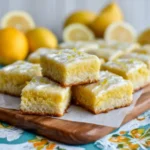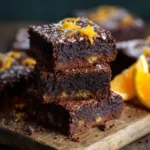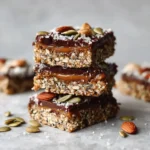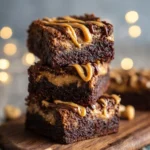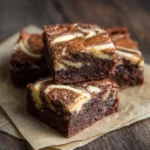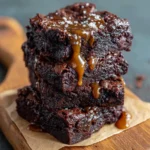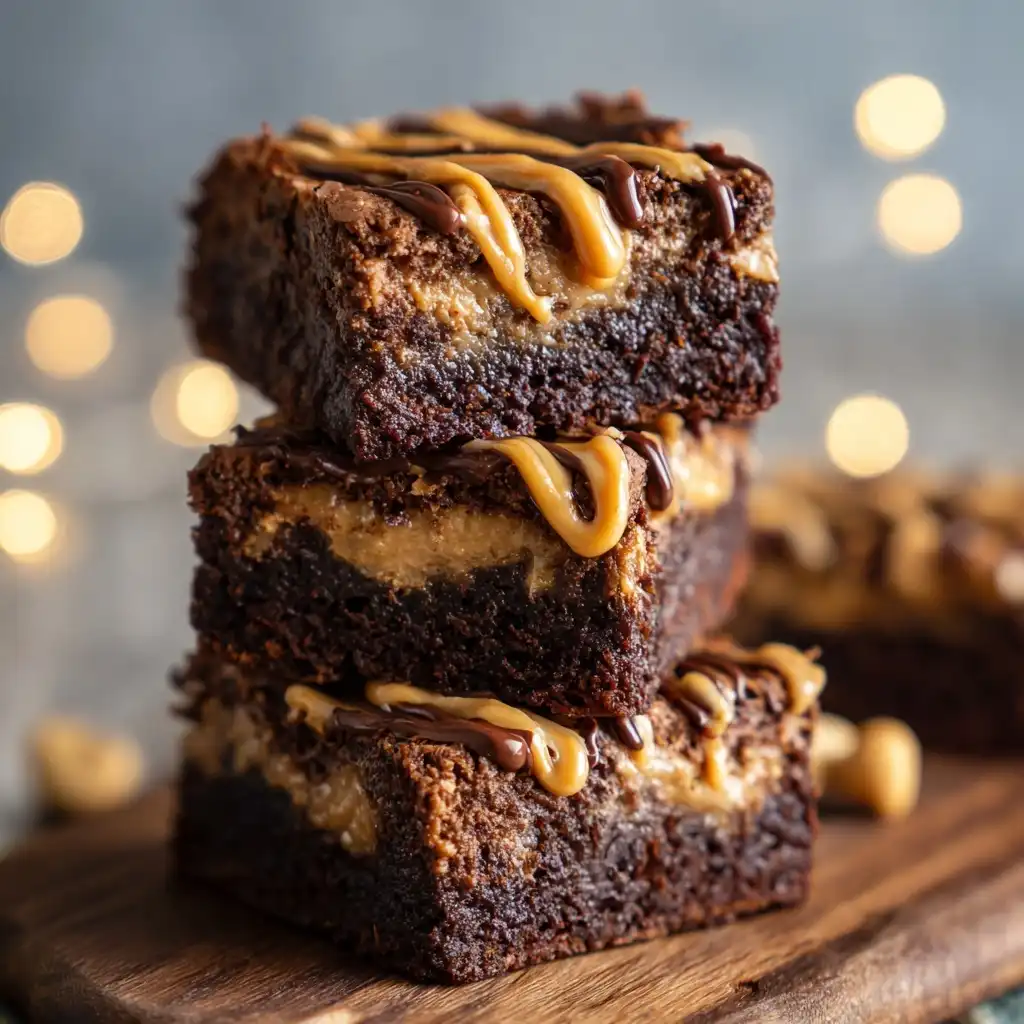
Introduction
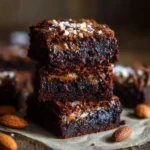
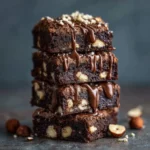
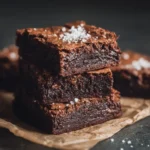
Cashew butter brownies represent the luxurious, velvety evolution of a beloved classic—melding the deep, fudgy richness of traditional brownies with the creamy, subtly sweet, and nutty sophistication of premium cashew butter. Unlike standard brownies that rely heavily on melted chocolate and butter (or oil), this version harnesses the natural fat content, emulsifying power, and inherent caramel-like notes of roasted cashew butter to deliver an ultra-moist, dense-yet-tender crumb with a sophisticated depth of flavor. These aren’t just “brownies with nut butter swirled in”—they’re thoughtfully engineered treats where cashew butter functions as both a primary fat source *and* a foundational flavor agent, reducing reliance on refined oils while amplifying complexity, creaminess, and nutritional integrity. Whether you’re a devoted home baker seeking elevated texture, a health-conscious dessert lover craving wholesome indulgence, or someone navigating dairy-free, egg-reduction, or refined-sugar-conscious lifestyles, cashew butter brownies offer a deeply satisfying, restaurant-quality experience you can recreate effortlessly in your own kitchen.
The History
While brownies themselves trace their origins to late 19th-century America—with early iterations appearing in cookbooks like the 1896 Boston Cooking-School Cook Book by Fannie Farmer—the integration of nut butters into brownie batter is a far more recent innovation, emerging alongside the broader artisanal food movement of the early 2000s. Initially, peanut butter found its way into brownie recipes as a playful twist (think “PB & Chocolate” bars), but as consumer demand grew for less dominant, more nuanced nut flavors—and as small-batch, stone-ground, no-oil-added nut butters became widely available—culinary experimentation expanded. Cashew butter, long prized in South Asian and Southeast Asian cuisines for its neutral yet lush mouthfeel and natural sweetness, gradually gained traction in Western baking circles. Its uniquely high monounsaturated fat content (up to 75% of total fat), low protein coagulation tendency (which prevents rubbery textures), and naturally low bitterness made it an ideal candidate for replacing conventional fats without sacrificing structure or moisture. By the mid-2010s, food bloggers and specialty bakeries began publishing refined cashew butter brownie formulas—often highlighting their compatibility with vegan adaptations (when paired with flax eggs) and gluten-free flour blends. Today, these brownies symbolize a conscious shift toward ingredient transparency, culinary minimalism, and sensory sophistication—honoring tradition while embracing modern nutritional awareness and global flavor sensibilities.
Ingredients Breakdown
Every component in this cashew butter brownie recipe has been selected for functional synergy, flavor harmony, and nutritional enhancement—not just convenience. Below is a detailed, chef-level analysis of each ingredient’s role:
- Cashew Butter (1 cup, smooth, unsweetened, no added oils): The cornerstone. Must be 100% roasted cashews, ground to a warm, pourable consistency (like thick honey). Avoid “natural” varieties that separate heavily—opt for ones with minimal settling (a light stir is fine). Provides fat, binding, emulsification, natural sweetness (~1–2g sugar per tbsp), magnesium, copper, and zinc. Its neutral base allows cocoa and vanilla to shine while contributing a subtle toasted, buttery undertone impossible to replicate with oil or shortening.
- Unsweetened Cocoa Powder (¾ cup, Dutch-processed preferred): Delivers intense chocolate depth without acidity. Dutch-processed cocoa is alkalized, yielding smoother, richer, less astringent chocolate notes that complement cashew’s mildness. It also improves batter pH for optimal leavening interaction and color development. Raw cacao powder may be used for higher antioxidant content but imparts sharper bitterness and requires slight sweetener adjustment.
- Pure Maple Syrup (½ cup, Grade A Dark Amber): A complex, mineral-rich liquid sweetener offering caramel, vanilla, and woody notes that harmonize beautifully with cashew. Its invert sugars enhance chewiness and moisture retention far beyond granulated sugar alone. Lower glycemic index than refined sugar and contributes potassium and manganese. Substituting with honey is possible but alters flavor profile (floral vs. earthy) and may impart unwanted acidity.
- Coconut Sugar (½ cup, finely ground): Adds granular structure, dry sweetness, and subtle molasses notes—balancing maple’s liquidity. Its lower fructose content and prebiotic inulin support digestive wellness. Grinding ensures seamless incorporation and prevents graininess. Brown sugar may substitute but introduces more moisture and stronger molasses dominance.
- Large Eggs (3, room temperature): Provide essential structure via protein coagulation, emulsification (binding fat and water), and leavening lift. Room temperature ensures uniform batter integration and prevents seizing of warm cashew butter. For vegan versions, 3 “flax eggs” (3 tbsp ground flaxseed + 9 tbsp warm water, rested 10 mins) replicate binding and moisture—but yield a slightly denser, more fudge-like texture.
- Vanilla Extract (2 tsp, pure, Madagascar Bourbon): Enhances all aromatic compounds—amplifying both chocolate’s roastiness and cashew’s nuttiness. Alcohol-based extraction ensures full volatile compound release. Imitation vanilla lacks nuance and can taste medicinal when baked at length.
- Sea Salt (1 tsp, fine, unrefined): Not merely for seasoning—it heightens sweetness perception, suppresses bitterness, and balances fat richness. Unrefined salt retains trace minerals (magnesium, calcium) absent in table salt. Flaky sea salt sprinkled atop before baking adds textural contrast and burst-of-salt moments.
- Baking Powder (1 tsp, aluminum-free): A gentle, single-acting leavener that lifts the dense batter just enough to prevent leaden heaviness—without over-aeration. Aluminum-free ensures clean flavor and avoids metallic aftertaste. Omitting yields ultra-fudgy, almost truffle-like bars; doubling risks cakey, dry results.
- Toastable Add-Ins (Optional but Recommended): ½ cup roasted cashew pieces (for crunch contrast), ⅓ cup dark chocolate chunks (70% cacao, chopped—not chips—to ensure gooey pockets), or a swirl of date-caramel sauce (blended Medjool dates + almond milk + pinch salt) for decadent marbling.
Step-by-Step Recipe
- Preheat & Prep (10 minutes): Position oven rack to center. Preheat to 350°F (175°C). Line an 8×8-inch metal baking pan with parchment paper, leaving 2-inch overhang on two opposite sides for easy lifting. Lightly grease parchment and pan sides with coconut oil or neutral oil. Measure and organize all ingredients—cashew butter should be warm (not hot) and fluid; if chilled, gently warm jar in warm water bath for 3–4 minutes and stir well.
- Whisk Dry Ingredients (3 minutes): In a medium bowl, sift together Dutch-process cocoa powder, coconut sugar, baking powder, and fine sea salt. Whisk vigorously for 45 seconds to fully aerate, break lumps, and evenly distribute leavener and salt. Set aside.
- Cream Wet Base (5 minutes): In a large heatproof bowl, combine warm (not hot—max 105°F/40°C) cashew butter, maple syrup, and vanilla. Using a silicone spatula or hand mixer on low, stir until fully homogenized—about 90 seconds. Mixture should be glossy and uniformly smooth with no streaks. Let cool slightly (2 minutes) to avoid cooking eggs upon addition.
- Incorporate Eggs (2 minutes): Add eggs one at a time, stirring vigorously with spatula (or mixer on medium-low) for 30 seconds after each addition until fully absorbed and batter thickens slightly. Do not overmix—just ensure no visible egg streaks. Batter will become glossy and ribbon-like.
- Fold in Dry Mix (2 minutes): Gradually add dry ingredients in three parts, folding gently with spatula using a figure-eight motion—just until no dry patches remain. Overmixing develops gluten (even in GF flours) and causes toughness. Scrape bowl bottom and sides thoroughly.
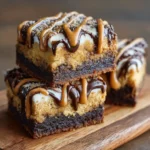
- Add Texture & Swirl (2 minutes): Fold in ½ cup roasted cashew pieces and ⅓ cup dark chocolate chunks. For marbled effect: reserve ¼ cup batter; stir 2 tbsp date-caramel sauce into reserved portion; dollop alternating spoonfuls of plain and caramel batter into pan; swirl once or twice with knife tip—no more than 4 passes to preserve distinct layers.
- Bake with Precision (25–28 minutes): Pour batter into prepared pan, smoothing top with offset spatula. Tap pan firmly on counter 3 times to release air bubbles. Bake 25 minutes, then rotate pan front-to-back. Continue baking 2–3 minutes more—until edges are set and pulling slightly from pan, top is matte (not shiny), and center jiggles *just slightly* when gently shaken (like firm Jell-O). A toothpick inserted 1 inch from edge should have moist crumbs; center insertion should show *damp* crumbs—not wet batter nor clean pick. Overbaking dries out cashew butter’s delicate fat structure.
- Cool Completely (Minimum 2 hours, ideally 4+): Remove pan from oven. Place on wire rack. Let cool *undisturbed* for 30 minutes—this allows residual heat to finish setting the crumb. Then lift brownies out using parchment overhang. Cool fully on rack—minimum 2 hours at room temp, or refrigerate 4 hours for cleanest cuts and intensified flavor meld. Cutting while warm causes crumbling and loss of fudgy integrity.
- Score & Serve (5 minutes): Using sharp chef’s knife wiped clean between cuts, slice into 16 even squares. For polished presentation, chill knife in freezer 2 minutes before cutting. Dust tops with flaky sea salt or cocoa nibs just before serving.
Tips
- Temperature Is Everything: Cashew butter must be warm enough to blend smoothly (like softened butter), but never hot—heat above 110°F denatures egg proteins prematurely, causing curdling. If butter cools too much during mixing, place bowl over simmering water (double boiler) for 15 seconds, stir, and proceed.
- Measure by Weight for Perfection: Volume measurements of nut butters vary wildly due to air pockets and density shifts. For reproducible results, use a digital scale: 1 cup smooth cashew butter = ~255g; ¾ cup cocoa = ~90g; ½ cup maple syrup = ~170g.
- Rest the Batter (Game-Changer): After folding, let batter rest 15 minutes at room temperature. This hydrates cocoa particles, relaxes starches, and allows flavors to marry—yielding deeper chocolate notes and improved texture cohesion.
- Oven Thermometer Required: Most home ovens run 25–50°F off calibration. An inexpensive oven thermometer placed on center rack ensures accurate baking temps—critical for cashew butter’s low smoke point and moisture sensitivity.
- Altitude Adjustments: Above 3,000 ft: Reduce baking powder to ¾ tsp, increase cocoa to ⅞ cup, and bake at 360°F for first 10 minutes, then reduce to 345°F. Higher elevations accelerate moisture loss—these tweaks retain fudginess.
- Storage Wisdom: Store cooled, uncut brownies in airtight container at room temp up to 3 days, refrigerated up to 10 days, or frozen up to 3 months (wrap tightly in parchment + foil). Refrigeration intensifies fudginess; thaw overnight in fridge before slicing.
- Cutting Clean Technique: Warm knife under hot water, dry thoroughly, then cut. Repeat for each slice. Or chill brownies solid, then use a heated knife (run under hot water, wipe, then hold flame 2 seconds for ultra-smooth glide).
Variations and Customizations
This foundational recipe serves as a versatile canvas—easily adapted for dietary needs, seasonal ingredients, or gourmet flair. All variations maintain structural integrity and flavor balance:
- Vegan Cashew Butter Brownies: Replace eggs with 3 flax eggs (3 tbsp ground golden flax + 9 tbsp warm water, rested 10 mins); ensure chocolate chunks are dairy-free; add 1 tsp apple cider vinegar to batter to activate baking powder’s lift.
- Gluten-Free Cashew Butter Brownies: Use certified GF oat flour (½ cup) + 2 tbsp tapioca starch instead of all-purpose—if adapting for GF, note: cashew butter’s viscosity compensates beautifully for GF flour’s lack of gluten elasticity, often yielding *more* tender results than wheat-based versions.
- Protein-Boosted Brownies: Stir in 2 scoops (60g) unflavored collagen peptides or brown rice protein powder with dry ingredients. Adds 12g protein/serving with zero grit or chalkiness—collagen also enhances moisture retention.
- Spiced Chai Cashew Brownies: Add 1½ tsp homemade chai spice blend (cinnamon, cardamom, ginger, clove, black pepper) to dry mix; garnish with candied ginger bits.
- Orange-Zest Cashew Brownies: Add 2 tsp finely grated organic orange zest + 1 tbsp orange liqueur (Cointreau) to wet mix; top with dark chocolate orange curls.
- Espresso-Cashew Swirl Brownies: Dissolve 2 tsp instant espresso powder in 1 tbsp hot water; fold into ⅓ of batter before swirling with plain portion for dramatic marbling and enhanced chocolate depth.
- Savory-Umami Brownies: Add 1 tsp white miso paste to wet mix + ¼ tsp smoked paprika; omit vanilla; top with flaky salt and toasted sesame seeds—unexpected, deeply satisfying, and perfect with coffee.
- Low-Sugar/Keto Adaptation: Replace maple and coconut sugar with ¾ cup granulated erythritol + 2 tbsp monk fruit blend; add 1 extra egg yolk for moisture; use sugar-free chocolate; expect slightly drier, more crumbly (but still delicious) texture.
Health Considerations and Nutritional Value
A single 2″x2″ square (1/16th of batch) delivers approximately 215 calories, 14g total fat (2.5g saturated), 20g carbohydrates (3g fiber, 12g natural sugars), 4g protein, and notable micronutrients—making these brownies nutritionally distinctive versus conventional versions. Key health insights:
- Fat Quality Advantage: Over 85% of fat comes from heart-healthy monounsaturated fats (oleic acid)—the same beneficial fat abundant in olive oil and avocados—linked to reduced LDL cholesterol and improved vascular function. Cashew butter contains zero trans fats and negligible sodium (unlike salted nut butters).
- Lower Glycemic Impact: Maple syrup (GI ~54) and coconut sugar (GI ~35) significantly lower the overall glycemic load compared to granulated sugar (GI ~65). Fiber from cocoa and optional add-ins further slows glucose absorption—ideal for sustained energy without crashes.
- Antioxidant Density: Dutch-process cocoa provides 15–20mg flavanols per serving—potent antioxidants supporting cognitive function and endothelial health. Cashews contribute proanthocyanidins and selenium, enhancing cellular defense systems.
- Mineral-Rich Profile: One square supplies ~18% DV copper (essential for iron metabolism and neurotransmitter synthesis), 15% DV magnesium (muscle/nerve function, blood sugar regulation), 10% DV zinc (immune support), and 8% DV iron (non-heme, enhanced by vitamin C-rich pairings like berries).
- Digestive Wellness: Prebiotic inulin from coconut sugar feeds beneficial gut bacteria. Cashew butter’s natural enzymes (lipase, amylase) aid fat and carb digestion—especially valuable for those with mild enzyme insufficiency.
- Considerations & Moderation Notes: While nutrient-dense, these remain calorie-concentrated. Those with tree nut allergies must avoid entirely (cashews are botanical relatives of poison ivy—cross-reactivity possible). For low-FODMAP diets, limit to 1 square (cashew butter is moderate-FODMAP at 1 tbsp; full serving exceeds threshold). Always choose unsweetened, oil-free cashew butter—many commercial brands add palm oil (high in saturated fat) or cane sugar, undermining health benefits.
Ingredients
- 1 cup (255g) smooth, unsalted, no-oil-added roasted cashew butter, warmed to 100–105°F (38–40°C)
- ¾ cup (90g) Dutch-process unsweetened cocoa powder
- ½ cup (100g) coconut sugar, finely ground
- ½ cup (170g) pure maple syrup (Grade A Dark Amber)
- 3 large eggs, room temperature
- 2 tsp pure vanilla extract
- 1 tsp fine unrefined sea salt
- 1 tsp aluminum-free baking powder
- ½ cup (65g) roasted unsalted cashew pieces
- ⅓ cup (60g) high-quality dark chocolate chunks (70% cacao), roughly chopped
- Flaky sea salt, for finishing (optional)
Directions
- Preheat oven to 350°F (175°C). Line an 8×8-inch metal baking pan with parchment paper, allowing 2-inch overhang on two opposite sides. Lightly grease parchment and pan sides with coconut oil.
- In a medium bowl, whisk together cocoa powder, ground coconut sugar, baking powder, and sea salt until fully combined and lump-free. Set aside.
- In a large heatproof bowl, combine warmed cashew butter, maple syrup, and vanilla. Stir with a silicone spatula until smooth and glossy (about 90 seconds).
- Add eggs one at a time, stirring vigorously for 30 seconds after each addition until fully incorporated and batter thickens. Do not overmix.
- Gradually add dry ingredients in three additions, folding gently with spatula just until no dry streaks remain. Scrape bowl thoroughly.
- Fold in roasted cashew pieces and dark chocolate chunks. For marbling, reserve ¼ cup batter, stir in 2 tbsp date-caramel sauce, then dollop and swirl minimally.
- Pour batter into prepared pan. Smooth top. Tap pan firmly on counter 3 times. Bake 25 minutes, rotate, then bake 2–3 more minutes until edges are set, top is matte, and center jiggles slightly.
- Cool in pan on wire rack 30 minutes. Lift out using parchment. Cool completely (minimum 2 hours, ideally 4+) before slicing.
- Using a sharp knife wiped between cuts, slice into 16 squares. Finish with flaky sea salt if desired. Store airtight.
FAQ
- Can I use raw cashew butter?
- No—raw cashew butter lacks the developed Maillard flavors and optimal fat solubility needed for fudgy texture. Roasted cashew butter provides essential nutty depth and emulsifying stability. Raw versions may yield greasy separation and bland flavor.
- Why does my batter look curdled after adding eggs?
- Most likely cause: cashew butter was too warm (>110°F) or eggs were cold. Always use room-temp eggs and verify butter is warm—not hot. If curdled, don’t panic: continue mixing gently for 30 more seconds; it usually re-emulsifies. Next time, cool butter 1 minute longer.
- Can I make these nut-free?
- Not while preserving authenticity—cashew butter is irreplaceable here. Sunflower seed butter creates a green tint and bitter aftertaste; tahini is too strong. For true nut-free, try our dedicated Sesame-Miso Fudge Bars recipe.
- My brownies sank in the center—what went wrong?
- Sinking indicates underbaking (center wasn’t set enough to hold structure) or excessive leavener. Ensure baking powder is fresh (test by mixing ½ tsp with ¼ cup hot water—if no vigorous fizz, replace). Also verify oven temp with thermometer.
- How do I prevent cracking on top?
- Cooling too quickly causes thermal shock. Always cool in pan 30 minutes before lifting. Never refrigerate immediately after baking—let come to room temp first, then chill if desired.
- Can I double the recipe?
- Yes—but bake in a 9×13-inch pan and increase time to 32–36 minutes. Rotate at 20 minutes. Do not bake in two 8×8 pans simultaneously unless oven has even convection—top/bottom heat variance causes uneven results.
- Are these safe for pregnancy?
- Yes—all ingredients are pregnancy-safe. Cashew butter offers folate and magnesium critical for fetal development. Just ensure eggs are pasteurized if concerned about salmonella (most U.S. cartons are).
- What’s the best way to reheat leftovers?
- For maximum gooeyness: microwave single square on medium power for 8–10 seconds. Or warm in toaster oven at 300°F for 3 minutes. Avoid prolonged heating—cashew fat can separate.
Summary
Cashew butter brownies redefine decadence through intelligent ingredient synergy—transforming humble roasted cashews into a luxuriously fudgy, nutrient-dense canvas where chocolate depth, caramel sweetness, and toasted nuttiness converge in every bite.
Baked with precision, cooled with patience, and customizable for virtually any dietary framework, they prove that extraordinary flavor and mindful nourishment need never be mutually exclusive.