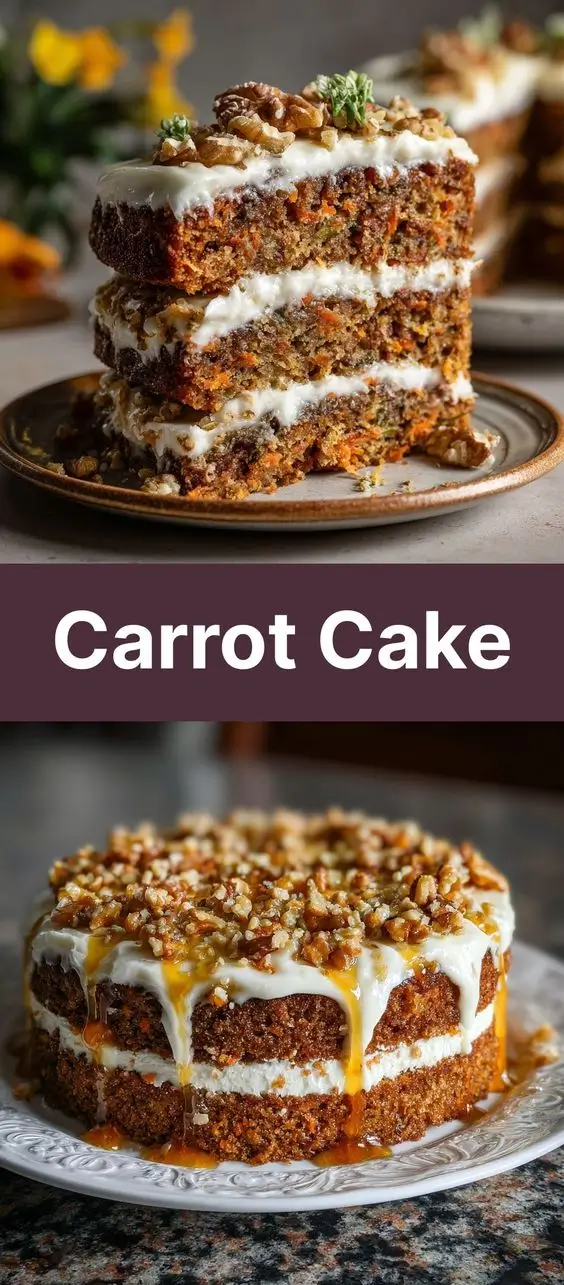
Carrot Cake: A Timeless Classic of Moist, Spiced Sweetness
There are desserts that come and go with the seasons, but then there’s carrot cake — a beloved staple that has stood the test of time. With its moist crumb, warm spices, and vibrant flecks of orange from freshly grated carrots, this cake is more than just a treat; it’s a celebration of texture and flavor. Often crowned with a luxurious layer of cream cheese frosting and studded with nuts or raisins, carrot cake strikes the perfect balance between health-conscious inspiration and indulgent satisfaction. Whether served at breakfast, brunch, afternoon tea, or as a show-stopping dessert, carrot cake continues to win hearts across generations and cultures.
The History of Carrot Cake
The origins of carrot cake trace back much further than many realize, with roots embedded in both necessity and innovation. While modern carrot cake is associated with American and British baking traditions, the use of carrots in sweet dishes dates to medieval Europe. During times of sugar scarcity — particularly in the Middle Ages and during World War II rationing — cooks turned to natural sweeteners like honey and vegetables such as carrots to stretch limited supplies. Carrots, being naturally sweet and readily available, were mashed or grated into cakes and puddings to enhance moisture and sweetness without relying heavily on expensive sugar.
One of the earliest known recipes resembling carrot cake comes from 19th-century France, where “tarte au pain” included grated carrots. However, the cake as we know it today began gaining popularity in the United States during the early 20th century, especially after the introduction of boxed cake mixes and the rise of home baking culture. The 1960s and 70s saw a surge in its popularity, partly due to the health food movement, which celebrated natural ingredients and whole foods. Carrot cake was marketed as a “healthier” dessert alternative because it contained vegetables, fiber, and often oil instead of butter.
Interestingly, the famous Waldorf-Astoria Hotel in New York City claims to have popularized a luxurious version of carrot cake, serving it to guests and later sparking rumors of an exclusive recipe that could be purchased for a hefty fee — a myth that only added to the cake’s allure. Today, carrot cake remains a favorite at bakeries, diners, and family gatherings worldwide, symbolizing comfort, nostalgia, and culinary ingenuity.
Ingredients Breakdown: What Makes Carrot Cake So Special?
The magic of carrot cake lies not only in its taste but also in the thoughtful combination of ingredients that contribute to its unique texture, moisture, and depth of flavor. Let’s break down each key component:
- Grated Carrots: The star ingredient! Freshly grated carrots not only add natural sweetness and moisture but also lend beta-carotene, giving the cake its signature golden-orange hue. They soften during baking, creating tender pockets throughout the crumb.
- Oil (Typically Vegetable or Canola): Unlike butter-based cakes, most carrot cakes use oil, which ensures a consistently moist texture that lasts for days. Oil coats the flour proteins less than butter, resulting in a more tender crumb.
- Flour (All-Purpose or Whole Wheat Blend): Provides structure. Some bakers use a mix of all-purpose and whole wheat flour for added nuttiness and fiber.
- Sugar (Brown and/or White): Granulated white sugar adds sweetness, while brown sugar contributes molasses notes and extra moisture. Many recipes use a blend for balanced flavor.
- Eggs: Bind the ingredients together and help leaven the cake. They also enrich the texture and contribute to browning.
- Leavening Agents (Baking Soda & Baking Powder): These work together to lift the dense batter. Baking soda reacts with acidic components (like brown sugar or pineapple), while baking powder provides additional rise.
- Warm Spices (Cinnamon, Nutmeg, Ginger, Allspice): These give carrot cake its cozy, aromatic profile. Cinnamon is essential, while others can be adjusted to taste.
- Salted Nuts (Pecans or Walnuts): Add crunch, richness, and a complementary earthy flavor. Toasted nuts elevate the taste even more.
- Raisins or Dates (Optional): Offer chewy texture and bursts of sweetness. Golden raisins or currants are common alternatives.
- Vanilla Extract: Enhances overall flavor complexity and rounds out the spiciness.
- Pineapple (Crushed, Drained): A surprising but popular addition that boosts moisture and adds subtle tanginess, balancing the sweetness.
- Cream Cheese Frosting: Made from cream cheese, butter, powdered sugar, and vanilla, this tangy-sweet topping contrasts beautifully with the warmly spiced cake.
Step-by-Step Recipe: How to Make the Perfect Carrot Cake
Making a flawless carrot cake requires attention to detail, proper technique, and quality ingredients. Follow this comprehensive guide for bakery-worthy results every time.
Ingredients
For the Cake:
- 2 cups (250g) all-purpose flour
- 2 teaspoons ground cinnamon
- 1 teaspoon baking soda
- 1/2 teaspoon baking powder
- 1/2 teaspoon salt
- 1/2 teaspoon ground nutmeg (optional)
- 1/4 teaspoon ground ginger (optional)
- 4 large eggs, room temperature
- 1 1/2 cups (300g) granulated sugar
- 1 cup (200g) packed light brown sugar
- 1 1/2 cups (360ml) vegetable oil or melted coconut oil
- 2 teaspoons pure vanilla extract
- 3 cups (about 300g) finely grated carrots (from 3–4 medium carrots)
- 1 cup (100g) chopped pecans or walnuts, toasted
- 1/2 cup (80g) crushed pineapple, well-drained (optional)
- 1/2 cup (75g) raisins or chopped dates (optional)
For the Cream Cheese Frosting:
- 8 oz (225g) full-fat cream cheese, softened
- 1/2 cup (115g) unsalted butter, softened
- 4 cups (480g) powdered sugar, sifted
- 2 teaspoons vanilla extract
- Pinch of salt
- 1–2 tablespoons heavy cream or milk (if needed for consistency)
Directions
- Preheat Oven & Prepare Pans: Preheat your oven to 350°F (175°C). Generously grease two 9-inch round cake pans or line them with parchment paper. For sheet cakes, use a 9×13-inch pan.
- Whisk Dry Ingredients: In a large bowl, sift together flour, cinnamon, baking soda, baking powder, salt, nutmeg, and ginger. Set aside.
- Cream Wet Ingredients: In a separate large mixing bowl, beat eggs, granulated sugar, brown sugar, oil, and vanilla extract until smooth and well combined. Use a hand mixer or stand mixer on medium speed for about 2 minutes.
- Combine Wet and Dry Mixtures: Gradually add the dry ingredients to the wet mixture, mixing on low speed just until incorporated. Do not overmix — stop as soon as no flour streaks remain.
- Add Carrots and Mix-ins: Fold in the grated carrots, toasted nuts, drained pineapple (if using), and raisins by hand using a spatula. This preserves texture and prevents overworking the batter.
- Pour Batter into Pans: Divide the batter evenly between the prepared pans. Smooth the tops with a spatula for even baking.
- Bake: Place in the center of the preheated oven and bake for 30–35 minutes for round layers (or 40–45 minutes for a 9×13 pan), or until a toothpick inserted into the center comes out clean or with a few moist crumbs.
- Cool Completely: Allow cakes to cool in the pans for 15 minutes, then run a knife around the edges and invert onto wire racks. Remove parchment paper and let cool completely before frosting — this step is crucial to prevent melting the frosting.
- Make the Frosting: In a large bowl, beat softened cream cheese and butter together until creamy and lump-free. Gradually add sifted powdered sugar one cup at a time, beating on low. Add vanilla and salt. If too thick, add cream one tablespoon at a time until spreadable.
- Frost the Cake: Once cooled, place one layer on a serving plate. Spread a generous amount of frosting on top. Add the second layer and frost the top and sides smoothly. For layered elegance, pipe rosettes or swirls around the edges.
- Garnish (Optional): Sprinkle chopped toasted nuts on top or decorate with carrot-shaped marzipan, edible flowers, or lemon zest for color contrast.
- Chill Before Serving: Refrigerate the cake for at least 30 minutes to set the frosting. Slice with a sharp knife dipped in hot water for clean cuts.
Tips for Baking the Best Carrot Cake
- Use Freshly Grated Carrots: Pre-shredded carrots from bags are drier and often coated with anti-caking agents. Freshly grated carrots release more moisture and integrate better into the batter.
- Squeeze Out Excess Moisture? No! Contrary to some advice, do not squeeze the liquid from grated carrots. That moisture is vital for a soft, tender crumb.
- Toast Your Nuts: Toasting pecans or walnuts in a dry skillet for 5–7 minutes enhances their flavor dramatically. Let them cool before adding to the batter.
- Don’t Overmix: Once you add the dry ingredients, mix only until combined. Overmixing develops gluten, leading to a tough cake.
- Room Temperature Ingredients: Especially important for the cream cheese and butter in the frosting — cold ingredients lead to lumpy frosting.
- Sift the Powdered Sugar: Prevents clumps in the frosting and ensures a silky texture.
- Let It Rest: Carrot cake tastes even better the next day! The flavors meld overnight, and the crumb becomes more moist. Store covered at room temperature or refrigerated.
- Avoid Overbaking: Check a few minutes before the timer ends. Overbaked carrot cake loses its signature juiciness.
- Use Full-Fat Dairy: Low-fat cream cheese makes runny frosting. Stick with full-fat for stability and richness.
- Adjust Spice Levels: Taste your spice blend before adding. Some cinnamon is stronger than others. You can increase warmth with cardamom or clove sparingly.
Variations and Customizations
One of the joys of carrot cake is its versatility. Here are creative ways to personalize your recipe:
- Gluten-Free Carrot Cake: Substitute all-purpose flour with a high-quality gluten-free flour blend containing xanthan gum. Almond flour can be used partially, but not entirely, due to density issues.
- Vegan Carrot Cake: Replace eggs with flax eggs (1 tbsp ground flax + 3 tbsp water per egg), use plant-based butter and dairy-free cream cheese for frosting, and ensure sugar is vegan-certified.
- Low-Sugar Version: Reduce sugars by 1/4 to 1/3 and use natural sweeteners like maple syrup or monk fruit blend. Note: texture may be slightly affected.
- Protein-Packed: Stir in a scoop of unflavored or vanilla protein powder and increase oats or almond flour slightly to absorb extra dryness.
- Mini Carrot Cupcakes: Bake in muffin tins for 20–25 minutes. Perfect for parties! Top with a swirl of cream cheese frosting and a walnut half.
- Spice Variations: Add cardamom, allspice, or a hint of black pepper for complexity. Orange zest adds brightness.
- Fruit Twists: Swap pineapple for applesauce, shredded zucchini (make sure to drain), or mashed banana for a different twist.
- Layered Desserts: Turn it into a trifle by cubing leftover cake and layering with whipped cream, yogurt, and fresh fruit.
- Carrot Cake Bars or Loaves: Bake in rectangular pans or loaf tins for easier slicing and portability. Great for gift-giving.
- Alcohol Infusion: Soak raisins in rum or bourbon before folding into the batter for a grown-up version.
- Nut-Free Option: Omit nuts or replace with sunflower seeds or crispy rice cereal for crunch.
- Decorative Themes: Perfect for Easter (decorate with pastel frosting and candy eggs), fall harvest (caramel drizzle and candied pecans), or birthdays (colorful sprinkles).
Health Considerations and Nutritional Value
While often perceived as a healthier dessert due to the inclusion of carrots and oil, traditional carrot cake is still a rich, calorie-dense treat. Understanding its nutritional profile helps in enjoying it mindfully.
Nutritional Breakdown (Per Slice, Approximate – 1/12 of a 9×13 cake with frosting):
- Calories: ~450–550 kcal
- Total Fat: 25–30g (including saturated fat from butter and cream cheese)
- Carbohydrates: 55–65g (with 40–50g sugars)
- Protein: 5–7g
- Dietary Fiber: 2–3g (from carrots, nuts, and optional whole grains)
- Vitamin A: High — thanks to beta-carotene in carrots, supporting eye and immune health
- Calcium & Phosphorus: Moderate — from dairy in frosting
- Iron & Potassium: Small amounts from flour and carrots
Health Tips:
- Portion Control: Serve smaller slices — this cake is rich, so a little goes a long way.
- Better Fats: Using heart-healthy oils like avocado or almond oil instead of vegetable oil can improve fat quality.
- Reduce Sugar: Experiment with less sugar or natural alternatives like date paste or applesauce to lower glycemic impact.
- Add Seeds: Chia, flax, or hemp seeds boost omega-3s and fiber.
- Frosting Light: Use a thinner layer of frosting or serve unfrosted with a dollop of Greek yogurt.
- Balance the Meal: Pair with a green salad, fruit, or lean protein to make it part of a balanced meal rather than a standalone indulgence.
While carrot cake shouldn’t be considered a health food, its inclusion of real vegetables, lack of artificial ingredients (in homemade versions), and potential for nutritious modifications make it a more wholesome choice compared to many other desserts — especially when enjoyed in moderation.
Frequently Asked Questions (FAQ)
Q: Why is my carrot cake dense or gummy?
A: Overmixing the batter or underbaking can cause density. Ensure you mix just until combined and check doneness with a toothpick.
Q: Can I freeze carrot cake?
A: Yes! Wrap unfrosted layers tightly in plastic wrap and foil, then freeze for up to 3 months. Thaw in the fridge before frosting. Frosted cakes can also be frozen — place in a sealed container.
Q: Can I make carrot cake ahead of time?
A: Absolutely. Bake and cool the cake layers up to 2 days in advance. Store wrapped at room temperature or refrigerate. Frost the day of serving for best appearance.
Q: Why does my frosting melt or slide off?
A: Warm cake or soft cream cheese causes this. Always ensure the cake is completely cool and use cold frosting. Chill the cake briefly before serving in warm environments.
Q: Can I omit eggs?
A: Yes, for vegan or allergy-friendly versions, use flax eggs, applesauce (1/4 cup per egg), or commercial egg replacers. Texture may be slightly denser.
Q: Is carrot cake healthy?
A: It contains beneficial ingredients like carrots and oil, but also significant sugar and fat. Homemade versions without preservatives are healthier than store-bought, but it should still be enjoyed in moderation.
Q: How long does carrot cake last?
A: At room temperature (covered), it lasts 2–3 days. In the refrigerator, up to 1 week. Freezing extends shelf life significantly.
Q: Can I use coconut flour or almond flour?
A: Not as a complete substitute. These flours absorb more liquid and lack gluten. Best used in combination with grain-based flours in tested recipes.
Q: Should I peel the carrots?
A: Peeling is optional. Organic carrots can be scrubbed and used unpeeled for extra fiber and nutrients. Non-organic should be peeled to remove wax and pesticide residue.
Q: Can I bake this in a bundt pan?
A: Yes, but monitor baking time — it may take 45–55 minutes. Ensure you grease the pan thoroughly to prevent sticking.
Summary
Carrot cake is a harmonious blend of moist texture, warm spices, and natural sweetness, elevated by creamy frosting and crunchy nuts. More than just a dessert, it’s a symbol of comfort, creativity, and culinary tradition.