Introduction
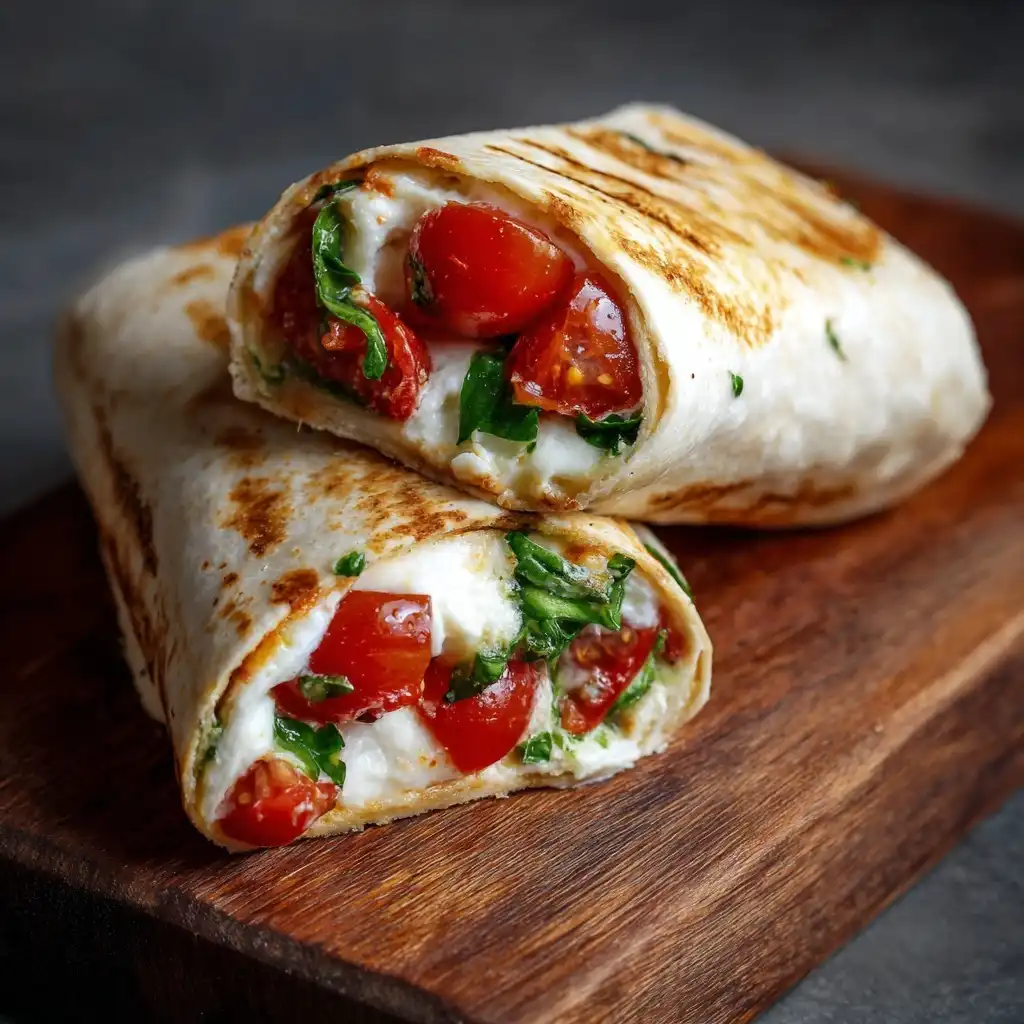
The Caprese Mozzarella Wrap is a vibrant, fresh, and effortlessly elegant fusion dish that marries the timeless Italian classic—the Caprese salad—with the modern convenience and portability of a handheld wrap. Born from the desire to elevate lunchtime beyond the ordinary, this wrap transforms ripe heirloom tomatoes, creamy fresh mozzarella, fragrant basil leaves, and rich balsamic glaze into a cohesive, satisfying, and visually stunning meal-in-one. It’s more than just a sandwich—it’s a celebration of seasonality, simplicity, and artisanal ingredients, designed for food lovers who crave bold flavor without complexity, freshness without fuss, and nutrition without compromise. Whether enjoyed as a light lunch, picnic centerpiece, post-workout refuel, or even an appetizer at a summer gathering, the Caprese Mozzarella Wrap delivers restaurant-quality taste with home-kitchen ease.
The History
While the Caprese Mozzarella Wrap is a contemporary culinary innovation, its soul lies deeply rooted in centuries-old Italian tradition. The original Insalata Caprese hails from the island of Capri in the Campania region of southern Italy, believed to have emerged in the early 20th century—though some food historians trace its conceptual origins to the late 1800s—as a patriotic tribute to the Italian flag: rosso (red tomatoes), bianco (white mozzarella), and verde (green basil). Traditionally served as a no-cook, room-temperature salad drizzled with extra virgin olive oil and sea salt, it honored the terroir of Campania, where water buffalo mozzarella (mozzarella di bufala) was—and still is—crafted using time-honored methods passed down through generations.
The “wrap” iteration evolved organically in the 2000s alongside the global rise of healthy fast-casual dining, meal-prep culture, and demand for gluten-conscious, low-carb, and portable alternatives to sandwiches. Chefs and home cooks alike began reimagining iconic salads as roll-ups—first with spinach or whole-grain tortillas, then progressing to lavash, collard greens, and even grilled flatbreads. The Caprese Wrap gained traction on food blogs, Instagram feeds, and wellness-focused meal delivery services by 2014–2015, praised for its clean ingredient profile, minimal prep time (<5 minutes active), and adaptability across dietary frameworks—including vegetarian, pescatarian, Mediterranean, and flexitarian lifestyles. Today, it stands as a hallmark of mindful indulgence: honoring heritage while embracing modernity, one tender basil leaf at a time.
Ingredients Breakdown
Every element in the Caprese Mozzarella Wrap serves both functional and sensory purpose—no filler, no filler flavors. Here’s what makes each component indispensable:
- Fresh Mozzarella: Opt for mozzarella di bufala (buffalo) for unparalleled creaminess, subtle tang, and luxurious mouthfeel—or high-moisture fior di latte (cow’s milk) for accessibility and mild sweetness. Avoid pre-shredded or low-moisture mozzarella; its texture is too dense and lacks the delicate melt-in-your-mouth quality essential to authenticity.
- Ripe Tomatoes: Heirloom varieties (Brandywine, Cherokee Purple, Green Zebra) offer complex sweetness and acidity, but vine-ripened beefsteak or Roma tomatoes work beautifully when in peak season. Never refrigerate tomatoes—they lose aroma, texture, and enzymatic nuance. Always slice just before assembly to prevent sogginess.
- Fresh Basil: Genovese basil is ideal—large, tender leaves with peppery-sweet notes and floral aroma. Thai or lemon basil introduce intriguing twists but alter the classic profile. Stems should be vibrant green, leaves unwilted and unblemished; avoid bruised or yellowing foliage.
- Balsamic Glaze (not vinegar): A reduction of traditional balsamic vinegar aged in wooden casks, thickened to syrupy viscosity with natural caramelization—not corn syrup–laden imitations. Look for “Aceto Balsamico Tradizionale di Modena DOP” or artisanal small-batch reductions with balanced acidity and deep molasses-like depth.
- Extra Virgin Olive Oil: Cold-pressed, single-estate, early-harvest EVOO adds fruitiness, bitterness, and peppery finish that bridges tomato acidity and cheese richness. Avoid “light” or refined oils—they lack polyphenols and aromatic compounds critical to flavor harmony.
- Sea Salt & Freshly Cracked Black Pepper: Maldon or fleur de sel provide delicate crunch and mineral brightness; freshly ground Tellicherry or Lampong black pepper lends warmth and aromatic complexity—not heat—that elevates without overpowering.
- The Wrap Medium: While flour tortillas are common, true connoisseurs explore layered options: whole-wheat lavash for crisp-yet-pliable structure; spinach or tomato-infused tortillas for visual flair and subtle earthiness; gluten-free almond-flour wraps for nutty depth; or even blanched collard green leaves for a raw, fiber-rich, zero-carb vessel. Each choice alters texture, nutritional density, and cultural resonance.
Step-by-Step Recipe
- Prep the Ingredients: Gently pat dry sliced tomatoes and mozzarella with paper towels to remove excess surface moisture—this prevents the wrap from becoming slippery or soggy. Stack basil leaves and gently chiffonade (roll and thinly slice) only if using smaller leaves; otherwise, place whole for optimal visual impact and aroma release.
- Warm the Wrap Base: Lightly heat your chosen tortilla or flatbread in a dry skillet over medium-low heat for 15–20 seconds per side until pliable and slightly puffed. This enhances flexibility (reducing tear risk) and subtly toasts starches for improved structural integrity.
- Layer Strategically: Place warmed wrap on a clean work surface. In the center, arrange overlapping tomato slices in a slight fan or concentric circle. Top evenly with mozzarella slices, slightly overlapping to ensure full coverage. Scatter basil leaves over cheese—not under—to preserve volatile aromatic oils. Drizzle sparingly with balsamic glaze (start with ½ tsp), then follow with a delicate ribbon of extra virgin olive oil (¼ tsp).
- Season with Precision: Sprinkle with flaky sea salt (3–4 delicate crystals) and 3–5 turns of freshly cracked black pepper directly over the tomatoes—this ensures seasoning penetrates the most acidic layer first.
- Roll with Confidence: Fold bottom third up over the filling, then fold left and right edges inward toward center. Roll forward firmly but gently, applying even pressure to compact layers without squeezing out fillings. Rotate seam-side down and rest seam-side down for 2 minutes—this allows natural starches and residual warmth to help the wrap adhere.
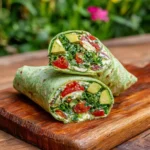
- Optional Finishing Touch: For serving elegance, slice diagonally with a serrated knife dipped in warm water (prevents sticking), revealing the vibrant cross-section. Garnish cut ends with micro basil, edible flowers (nasturtiums, pansies), or a final whisper of balsamic drizzle.
Tips
- Tomato Timing Is Everything: Slice tomatoes no more than 10 minutes before assembling. Their natural enzymes begin breaking down cell walls immediately—waiting longer leads to weeping and textural degradation.
- Cheese Temperature Matters: Bring mozzarella to cool room temperature (about 15 minutes out of fridge) before slicing. Cold cheese crumbles; too-warm cheese oozes excessively and loses definition.
- Wrap Tightness ≠ Quality: Over-rolling compacts basil and bruises delicate herbs, releasing bitter compounds. Aim for snug cohesion—not vacuum-sealed density.
- Bread Selection Science: Tortillas with 6–8g protein per serving (e.g., high-protein chickpea or lentil wraps) provide superior structural support versus standard 2g flour versions—critical for leak-resistant transport.
- Make-Ahead Wisdom: Assemble wraps up to 2 hours ahead—but store seam-side down on parchment-lined tray, loosely covered with damp cloth (not plastic) to retain suppleness without condensation buildup.
- Travel-Ready Hack: Line lunchbox compartments with lettuce cups or kale ribbons before placing wrapped Caprese inside—creates breathable insulation and absorbs any incidental moisture.
- Revive a Limp Wrap: If tortilla softens during storage, briefly toast seam-side down in a nonstick pan over low heat for 20 seconds to re-crisp exterior and re-adhere layers.
Variations and Customizations
The Caprese Mozzarella Wrap is inherently adaptable—ideal for seasonal shifts, dietary needs, global flavor explorations, and creative expression. Consider these thoughtfully curated adaptations:
- Protein-Enhanced Caprese: Layer thin slices of grilled chicken breast, lemon-herb shrimp, or marinated white beans (cannellini or Great Northern) beneath the mozzarella for added satiety and savory depth—keeping the core trio intact.
- Roasted Veggie Caprese: Substitute raw tomatoes with roasted heirloom cherry tomatoes (tossed in thyme, garlic, and EVOO) and add ribbons of roasted zucchini or eggplant for umami-rich, caramelized contrast.
- Arugula & Lemon Zest Caprese: Add a bed of baby arugula beneath the tomatoes for peppery bite, finished with finely grated lemon zest and a squeeze of fresh juice—brightens richness and cuts through fat.
- Mediterranean Herb Caprese: Infuse olive oil with oregano, rosemary, and dried mint; swap basil for preserved lemon peel and kalamata olives (pitted and halved) for briny sophistication.
- Vegan Caprese Wrap: Use house-made cashew mozzarella (cultured with probiotics for tang) or young coconut-based “cheese,” heirloom tomatoes, basil, balsamic reduction, and sunflower seed “parmesan.” Nutritional yeast adds umami depth; hemp seed oil replaces EVOO for omega balance.
- Breakfast Caprese Wrap: Incorporate soft-scrambled eggs folded with goat cheese, roasted red peppers, and fresh dill—topped with tomato-mozzarella-basil and a swipe of herb-flecked avocado crema.
- Dessert Caprese Wrap: A playful inversion: use sweet ricotta instead of mozzarella, strawberries or figs instead of tomatoes, mint instead of basil, honey-balsamic drizzle, and crushed pistachios—served chilled with a dusting of cinnamon.
- Low-Carb/Keto Version: Replace tortilla with large butter lettuce leaves (Bibb or Boston), nori sheets, or grilled portobello caps. Boost fats with smashed avocado, toasted pine nuts, and extra-virgin olive oil infusion.
- Kid-Friendly “Rainbow Caprese”: Spiral-slice rainbow carrots, purple cabbage ribbons, yellow bell pepper strips, and orange cherry tomatoes around the mozzarella core—retaining all flavors while adding visual excitement and phytonutrient diversity.
Health Considerations and Nutritional Value
A single standard Caprese Mozzarella Wrap (made with one 10-inch whole-wheat tortilla, ½ medium beefsteak tomato, 2 oz fresh mozzarella, 8 large basil leaves, 1 tsp balsamic glaze, 1 tsp EVOO, and pinch of sea salt) delivers approximately:
- Calories: 320–360 kcal
- Protein: 14–17 g (primarily from mozzarella and whole grains)
- Healthy Fats: 16–19 g (monounsaturated from EVOO and cheese; negligible saturated fat due to mozzarella’s lower SFA profile vs. aged cheeses)
- Dietary Fiber: 4–6 g (from whole-wheat tortilla + tomato skin + basil)
- Vitamins & Minerals: Exceptionally rich in Vitamin C (tomato + basil), Vitamin K (basil provides ~250% DV per serving), calcium (mozzarella offers ~20% DV), lycopene (bioavailable when paired with fat), and polyphenols (oleocanthal in EVOO, eugenol in basil—both with anti-inflammatory properties)
Dietary Notes:
- Vegetarian & Pescatarian Friendly: Naturally compliant; easily adapted for vegan or dairy-free diets (see Variations).
- Gluten Considerations: Use certified gluten-free tortillas (e.g., brown rice/cassava blends) or leafy alternatives for celiac safety.
- Sodium Awareness: Mozzarella and balsamic glaze contribute moderate sodium (~380 mg total); reduce salt or opt for low-sodium mozzarella and unsalted glaze if managing hypertension.
- Lactose Sensitivity: Fresh mozzarella contains minimal lactose (<1g per ounce)—most lactose-intolerant individuals tolerate it well. For strict avoidance, choose lactose-free mozzarella or plant-based alternatives.
- Low Glycemic Impact: With a glycemic load of ~8, it’s suitable for blood sugar management—especially when paired with fiber-rich wrap bases and healthy fats that slow glucose absorption.
- Pregnancy-Safe: Pasteurized mozzarella is recommended; avoid raw or unpasteurized dairy unless verified safe. All other ingredients are pregnancy-appropriate and nutrient-dense (folate from spinach tortillas, choline from eggs in breakfast version, etc.).
This wrap exemplifies the Mediterranean Diet’s gold standard: plant-forward, minimally processed, fat-balanced, and phytochemical-rich—clinically associated with reduced cardiovascular risk, improved gut microbiota diversity, and enhanced cognitive resilience.
Ingredients
- 1 (10-inch) whole-wheat or artisanal herb-infused tortilla (or gluten-free alternative)
- ½ medium vine-ripened beefsteak or heirloom tomato, sliced ¼-inch thick (3–4 slices)
- 2 ounces fresh mozzarella (fior di latte or mozzarella di bufala), sliced ¼-inch thick
- 8–10 fresh Genovese basil leaves (or 1 tbsp chiffonaded)
- 1 teaspoon authentic balsamic glaze (reduced, not syrupy imitation)
- 1 teaspoon extra virgin olive oil (cold-pressed, early harvest preferred)
- ¼ teaspoon flaky sea salt (e.g., Maldon or Celtic gray)
- ⅛ teaspoon freshly cracked black pepper (Tellicherry or Sarawak)
- Optional garnishes: micro basil, edible flowers, balsamic drizzle, lemon zest
Directions
- Pat tomato and mozzarella slices dry with paper towels. Set aside.
- Warm tortilla in a dry skillet over medium-low heat for 15 seconds per side until pliable and lightly spotted. Transfer to cutting board.
- In center of tortilla, arrange tomato slices in slight overlap. Top evenly with mozzarella slices.
- Scatter basil leaves over mozzarella. Drizzle with balsamic glaze, then olive oil.
- Sprinkle sea salt and black pepper evenly over tomatoes.
- Fold bottom edge of tortilla up over filling. Fold left and right edges inward toward center.
- Roll forward firmly but gently into a tight cylinder. Press seam gently to seal.
- Rest seam-side down for 2 minutes before slicing or serving.
- For best presentation, slice diagonally with serrated knife dipped in warm water. Serve immediately.
FAQ
- Can I make this wrap ahead of time?
- Yes—but with caveats. Assemble up to 2 hours in advance and store seam-side down on parchment-lined tray, loosely covered with a damp (not wet) linen cloth. Do not refrigerate—cold condensation will soften the tortilla and dull basil’s aroma. For longer storage, prep components separately and assemble within 15 minutes of serving.
- What’s the best mozzarella to use?
- Fresh mozzarella di bufala offers the most luxurious texture and tang, but high-quality fior di latte is more accessible and equally authentic. Avoid low-moisture, block, or shredded mozzarella—they lack the delicate creaminess and release too much whey.
- Why does my wrap get soggy?
- Sogginess almost always stems from unpat-dried tomatoes/mozzarella or using overripe fruit. Also, skipping the tortilla-warming step reduces structural integrity. Ensure every surface is dry, and never skip the 15-second warm-up.
- Can I grill the wrap?
- Absolutely! Lightly brush assembled (un-cut) wrap with olive oil and grill on medium heat for 45–60 seconds per side in a ridged grill pan or outdoor grill. Creates beautiful sear marks, enhances nuttiness, and further seals the seam—ideal for picnics and barbecues.
- Is there a low-carb version?
- Yes. Use large butter lettuce leaves (Bibb or Boston), collard green leaves (blanched 30 seconds in boiling water, then shocked in ice water), or grilled portobello mushroom caps as the wrap base. Increase healthy fats (avocado, olive oil, nuts) to maintain satiety.
- Can I freeze Caprese wraps?
- Not recommended. Freezing damages the cellular structure of tomatoes and basil, resulting in mushy, discolored, and flavorless results upon thawing. Mozzarella may separate and become rubbery. Best enjoyed fresh.
- What wine pairs well with this wrap?
- A chilled, high-acid Italian white complements beautifully: Falanghina from Campania, Vermentino from Sardinia, or a crisp Pinot Grigio from Alto Adige. For red lovers, try a lightly chilled Barbera d’Asti—its bright cherry notes and soft tannins harmonize with tomato acidity and cheese fat.
- How do I keep basil from turning black?
- Always add basil at the very end—never chop or layer it early. Store fresh basil upright in a glass of water (like cut flowers) at room temperature, covered loosely with a plastic bag. Refrigeration causes chilling injury and rapid browning.
- Can I use dried basil?
- Not recommended. Dried basil lacks the volatile oils (eugenol, linalool) responsible for the signature aroma and flavor. It tastes dusty and medicinal in comparison. If absolutely necessary, use ¼ tsp high-quality dried basil *in addition to* fresh—not as a replacement.
- Is this wrap suitable for kids?
- Yes—with modifications. Skip black pepper initially; use milder basil varieties; consider mini versions with cherry tomatoes halved and mozzarella balls (ciliegine); add a thin spread of mashed avocado or hummus for binding and creaminess. Involve children in layering—it encourages veggie acceptance.
Summary
The Caprese Mozzarella Wrap is a masterclass in minimalist elegance—honoring centuries-old Italian tradition while embracing modern culinary flexibility, nutritional science, and everyday practicality. With just six core ingredients, it delivers vibrant color, layered textures, and a symphony of sweet, tangy, herbal, and umami notes—all in a portable, endlessly customizable, and health-forward package.
Whether you’re meal-prepping for the week, hosting a garden party, seeking a nourishing post-yoga snack, or simply craving something deliciously uncomplicated, this wrap proves that extraordinary flavor doesn’t require complexity—it demands only intention, seasonality, and respect for exceptional ingredients.