Introduction
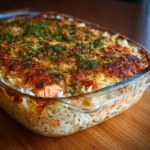
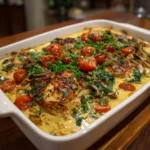
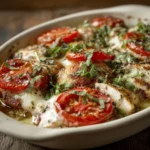
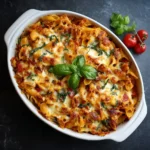
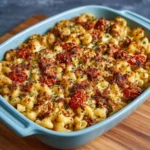
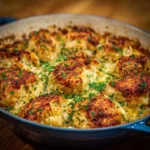
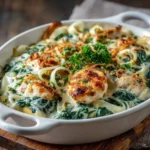
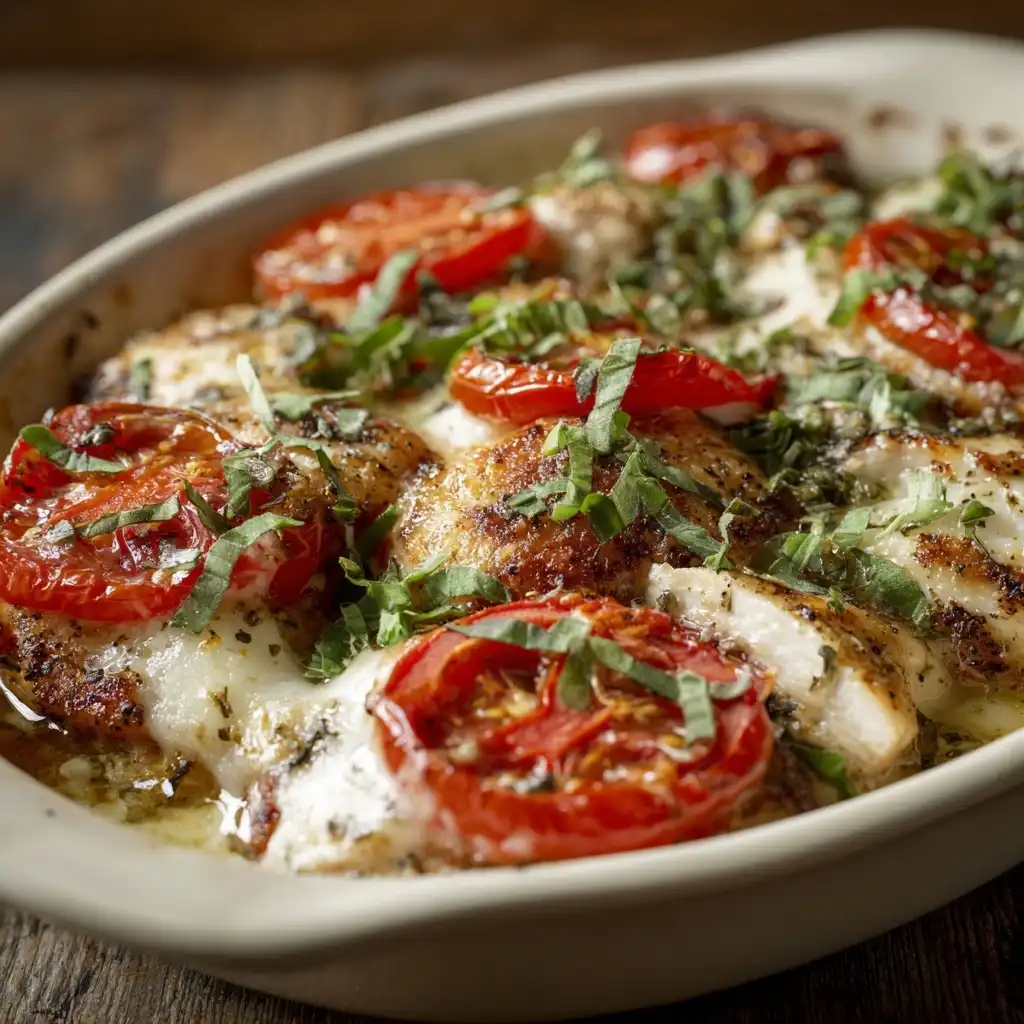
Caprese Chicken Casserole is a harmonious fusion of Italian-American comfort food and the fresh, vibrant flavors of classic Caprese—tomato, mozzarella, and basil—elevated with tender, herb-infused chicken and creamy richness. This hearty yet elegant casserole bridges the gap between weeknight practicality and weekend-worthy presentation: it’s easy to assemble ahead of time, bakes to golden perfection in under an hour, and delivers layers of savory depth, bright acidity, and melty cheese satisfaction in every forkful. Whether you’re feeding a busy family, hosting a casual dinner party, or simply craving something nourishing without compromise, this dish satisfies on every level—flavor, texture, aroma, and visual appeal.
The History
While no single documented “invention date” exists for Caprese Chicken Casserole, its origins are deeply rooted in culinary evolution across three key traditions. First, the Caprese salad itself hails from post-World War II Capri and Ischia—where local chefs celebrated regional abundance (San Marzano tomatoes, buffalo mozzarella di bufala, and fragrant basil) as a patriotic nod to Italy’s green-white-red flag. Second, American casserole culture exploded in the 1950s with the rise of convenience cooking—think canned soups, processed cheeses, and oven-to-table baking dishes—prioritizing ease, economy, and crowd-pleasing consistency. Third, the modern “deconstructed gourmet casserole” movement of the 2010s fused these ideas: home cooks began reimagining iconic salads and pastas as baked, layered entrees—replacing raw elements with gently roasted or sautéed versions and binding them with creamy sauces, béchamel, or ricotta mixtures. Caprese Chicken Casserole emerged organically from this convergence: chicken breast (a lean, versatile protein embraced globally) became the structural anchor; heirloom or vine-ripened tomatoes provided sweetness and moisture; fresh mozzarella offered stretch and richness; and basil—added both cooked and fresh—preserved aromatic authenticity. Today, it appears in countless food blogs, meal-prep subscription boxes, and even upscale gastropubs’ “rustic Italian” menus—a testament to its timeless adaptability and soul-warming resonance.
Ingredients Breakdown
Every ingredient in this casserole serves a precise sensory and functional role—no filler, no afterthought. Let’s explore them in detail:
- Chicken Breasts (Boneless, Skinless): The protein foundation—lean yet juicy when properly brined or marinated. Opt for air-chilled, antibiotic-free breasts for superior texture and flavor absorption. Thin-cut or pounded to ½-inch ensures even cooking and prevents dryness.
- Fresh Mozzarella (Whole-Milk, Low-Moisture or Fresh Fior di Latte): Not the pre-shredded kind (which contains anti-caking starches that hinder melt). Low-moisture shreds beautifully and browns with caramelized edges; fresh mozzarella adds luxurious creaminess but requires patting dry to avoid excess water. A blend of both yields optimal texture contrast.
- Vine-Ripened Tomatoes (Roma, San Marzano, or Heirloom): Roma tomatoes offer dense flesh and low seed gel—ideal for roasting without sogginess. San Marzano DOP-certified varieties bring subtle sweetness and balanced acidity. Heirlooms (like Brandywine or Cherokee Purple) contribute complex fruitiness and stunning color variation—best used in combination for layered flavor.
- Fresh Basil: Non-negotiable. Dried basil lacks volatile oils and tastes dusty. Use large, unblemished leaves—reserve some for garnish (added post-bake), while chiffonading the rest into the sauce or layering between components for aromatic infusion.
- Extra-Virgin Olive Oil (Cold-Pressed, Robust or Medium-Fruity): Serves triple duty: sautéing aromatics, enriching the sauce, and drizzling over the finished casserole. Choose one with peppery finish and grassy notes to complement tomatoes and cheese.
- Garlic & Shallots: The aromatic backbone. Garlic adds pungent warmth; shallots lend delicate sweetness and complexity far beyond yellow onions—especially when slowly softened in olive oil before layering.
- Heavy Cream or Full-Fat Ricotta: Provides unctuous silkiness and binds ingredients without gumminess. Heavy cream creates a velvety, restaurant-style sauce; ricotta adds subtle tang and body—often combined with a splash of milk or cream for ideal spreadability.
- Grated Parmigiano-Reggiano (Aged 24+ Months): Adds umami depth, saltiness, and nuttiness that balances tomato acidity. Never substitute pre-grated “Parmesan”—it lacks enzymatic complexity and often contains cellulose.
- Balsamic Glaze (Reduction, Not Syrup): A slow-simmered reduction of traditional balsamic vinegar (minimum 12-year aged) and a touch of honey or brown sugar. It intensifies sweetness, cuts richness, and adds glossy sheen—drizzled just before serving for maximum impact.
- Seasonings (Kosher Salt, Freshly Ground Black Pepper, Dried Oregano, Optional Red Pepper Flakes): Salt enhances all other flavors; coarse black pepper adds floral heat; oregano nods subtly to Mediterranean roots; red pepper flakes offer optional brightness—not heat for heat’s sake, but for dimension.
Step-by-Step Recipe
- Prep & Preheat: Position oven rack in middle position. Preheat oven to 375°F (190°C). Lightly grease a 9×13-inch ceramic or glass baking dish (avoid metal for even browning). Gather all ingredients and mise en place—chop basil, mince garlic, slice tomatoes ¼-inch thick, shred mozzarella, grate Parmigiano.
- Brine the Chicken (Optional but Highly Recommended): In a bowl, combine 4 cups cold water, ¼ cup kosher salt, 2 tbsp brown sugar, 1 tsp black peppercorns, 2 bay leaves, and 4 sprigs fresh thyme. Submerge chicken breasts fully. Refrigerate 30–60 minutes. Remove, rinse under cold water, and pat *extremely* dry with paper towels—this step guarantees juiciness and superior sear.
- Sear the Chicken: Heat 2 tbsp olive oil in a large stainless steel or cast-iron skillet over medium-high heat until shimmering. Season chicken generously with salt and pepper. Sear 4–5 minutes per side until golden brown and internal temperature reaches 150°F (65°C)—it will carry over to 165°F during baking. Transfer to a plate; tent loosely with foil.
- Build the Aromatic Base: Reduce heat to medium. Add 1 tbsp olive oil, 2 minced shallots, and 3 smashed garlic cloves. Sauté 3–4 minutes until soft and fragrant—do not brown. Stir in 1 tsp dried oregano and optional ¼ tsp red pepper flakes; cook 30 seconds until aromatic.
- Prepare the Creamy Sauce: Pour in ¾ cup heavy cream (or 1 cup whole-milk ricotta + ¼ cup whole milk) and ½ cup grated Parmigiano. Whisk vigorously until smooth and slightly thickened—about 2 minutes. Season with salt, pepper, and a pinch of nutmeg (optional, for warmth). Remove from heat; stir in ¼ cup chopped fresh basil.
- Layer the Casserole: Spread ⅓ of the sauce evenly across the bottom of the prepared dish. Arrange seared chicken breasts in a single layer. Top each breast with overlapping tomato slices (slightly overlapping ensures full coverage and prevents drying). Sprinkle generously with half the shredded mozzarella and half the remaining basil. Drizzle lightly with 1 tbsp olive oil and a pinch of flaky sea salt.
- Add Final Layers: Spoon remaining sauce over tomatoes, spreading gently to coat edges. Top with remaining mozzarella, then remaining Parmigiano. For extra browning, dot with 1 tsp cold butter pieces.
- Bake: Place dish on a parchment-lined baking sheet (to catch drips). Bake uncovered for 28–32 minutes—until cheese is deeply golden, bubbling at edges, and internal temperature of chicken reads 165°F (74°C) when tested with an instant-read thermometer inserted into thickest part.
- Rest & Finish: Remove from oven and let rest 10 minutes—critical for sauce setting and chicken reabsorbing juices. Just before serving, drizzle generously with 2–3 tbsp balsamic glaze and scatter remaining whole basil leaves. Optional: finish with microgreens or edible flowers for elegance.
Tips
- Dry Tomatoes Strategically: After slicing, lay tomato rounds on paper towels and gently press another towel on top to absorb surface moisture—prevents watery sauce and soggy crust.
- Room-Temp Cheese Matters: Let mozzarella sit out 15 minutes before shredding—cold cheese shreds unevenly and can clump.
- Don’t Skip the Rest: Cutting into the casserole too soon releases steam and causes sauce to pool—resting allows proteins to relax and starches (if using a roux-thickened variant) to fully set.
- Golden Cheese Hack: For ultra-crisp, blistered cheese, switch oven to broil for final 90 seconds—watch constantly to avoid burning.
- Acidity Balance: If your tomatoes taste bland or overly sweet, add ½ tsp lemon zest or 1 tsp white wine vinegar to the sauce for brightness.
- Make-Ahead Magic: Assemble up to 24 hours ahead—cover tightly and refrigerate unbaked. Add 5–8 minutes to bake time if going straight from fridge to oven.
- Freezer-Friendly: Fully baked and cooled casserole freezes well for up to 3 months. Thaw overnight in fridge, then reheat covered at 325°F (160°C) for 35–45 minutes, uncovering last 10 minutes to recrisp top.
- Pan Selection: Use a light-colored ceramic or glass dish—not dark nonstick. Dark pans over-brown edges and can cause cheese to scorch before center heats through.
- Herb Timing: Add 75% of basil to sauce or layers; reserve the rest for finishing. Heat degrades basil’s volatile oils—fresh garnish delivers maximum aroma.
- Texture Contrast: For crunch, sprinkle toasted pine nuts, crushed pistachios, or panko breadcrumbs mixed with olive oil and Parmigiano over top during last 5 minutes of baking.
Variations and Customizations
This casserole is gloriously adaptable—here are 12 inspired riffs, each preserving the Caprese soul while offering new dimensions:
- Caprese Chicken Skillet (Stovetop Version): Skip baking—after layering, cover and simmer on low for 18 minutes, then uncover and cook 5 more to reduce sauce and crisp edges.
- Caprese Chicken Stuffed Peppers: Hollow out large bell peppers (any color), fill with chicken-tomato-mozzarella mixture, top with cheese, and bake 45–50 minutes until peppers are tender-crisp.
- Low-Carb Zoodle Caprese Bake: Replace chicken with spiralized zucchini noodles sautéed in olive oil, layered with tomato-mozzarella mixture and baked 15 minutes—lighter, veggie-forward, and keto-compliant.
- Mediterranean Caprese Chicken: Add ¼ cup chopped Kalamata olives, 2 tbsp capers, and 1 tsp dried oregano to sauce—briny, salty, and herbaceous.
- Creamy Pesto Caprese Chicken: Swirl ¼ cup high-quality basil pesto into the cream sauce before layering—adds garlicky depth and vivid green hue.
- Spicy Arrabbiata Caprese: Stir 2 tbsp arrabbiata sauce into cream base and top with Calabrian chiles or pickled jalapeños for bold heat.
- Caprese Chicken Meatloaf Loaf: Finely dice cooked chicken, mix with tomato paste, mozzarella, basil, egg, and breadcrumbs; shape into loaf and bake 55–60 minutes—sliceable, shareable, and nostalgic.
- Sheet Pan Caprese Chicken: Roast seasoned chicken breasts and tomato wedges together at 425°F (220°C) for 22 minutes, then top with mozzarella and broil 2 minutes—minimal cleanup, maximal flavor.
- Caprese Chicken Pizza Casserole: Layer in a deep-dish pizza pan: tomato sauce base, shredded chicken, mozzarella, sliced tomatoes, basil, and Parmigiano—bake like a deep-dish pie.
- Vegan “Caprese” Chickpea Bake: Substitute chicken with spiced, roasted chickpeas; use cashew mozzarella and sun-dried tomato “cream”; top with fresh basil and balsamic glaze.
- Breakfast Caprese Frittata Casserole: Whisk eggs with cream, fold in diced cooked chicken, tomato, mozzarella, and basil; pour into greased dish and bake at 350°F (175°C) for 40–45 minutes—savory morning delight.
- Caprese Chicken Flatbread Roll-Ups: Spread ricotta-basil mixture on naan or flatbread, layer with sliced chicken, tomato, and mozzarella, roll tightly, slice into pinwheels, and bake 12 minutes—perfect appetizer or lunchbox treat.
Health Considerations and Nutritional Value
A single 1¼-cup serving (approx. 1/6th of recipe) provides approximately:
- Calories: 420–480 kcal (varies by cheese choice and cream usage)
- Protein: 38–42g (excellent source—supports muscle repair, satiety, and metabolic health)
- Fat: 24–28g (mostly unsaturated from olive oil and mozzarella; includes beneficial conjugated linoleic acid [CLA] from dairy)
- Carbohydrates: 8–12g (primarily from tomatoes—low glycemic index, rich in fiber and lycopene)
- Sodium: 520–680mg (moderate—reduced by omitting added salt in brine or using low-sodium broth)
- Vitamins & Minerals: Exceptionally high in Vitamin C (tomatoes), Calcium (mozzarella & Parmigiano), Vitamin B12 (chicken), and antioxidants (lycopene, beta-carotene, polyphenols from basil and olive oil)
Wellness Notes:
- Lycopene Bioavailability: Cooking tomatoes with olive oil significantly increases lycopene absorption—linked to reduced risk of heart disease and certain cancers.
- Probiotic Potential: Using fermented mozzarella or adding a spoonful of plain kefir to the cream sauce introduces gut-friendly bacteria.
- Lower-Sodium Option: Replace brine with a 15-minute marinade of olive oil, lemon juice, garlic, and herbs—cuts sodium by ~40% without sacrificing flavor.
- Gluten-Free Friendly: Naturally gluten-free—just verify all labels (e.g., balsamic glaze may contain caramel color derived from barley).
- Keto Adaptation: Increase healthy fats (add avocado slices pre-bake or top with olive oil), reduce tomato quantity slightly, and use full-fat dairy exclusively.
- Heart-Healthy Tweaks: Substitute half the mozzarella with part-skim ricotta or feta for lower saturated fat; boost omega-3s by adding 1 tbsp finely chopped walnuts to topping.
- Allergen Awareness: Dairy-free version possible with cashew mozzarella and nutritional yeast “Parmesan”; egg-free (no issue here); nut-free (naturally compliant).
Ingredients
- 1½ lbs boneless, skinless chicken breasts (thin-cut or pounded to ½-inch)
- 1 tsp kosher salt (plus more for brining)
- ½ tsp freshly ground black pepper
- 3 tbsp extra-virgin olive oil (divided)
- 2 medium shallots, finely minced
- 4 garlic cloves, minced
- 1 tsp dried oregano
- ¼ tsp red pepper flakes (optional)
- ¾ cup heavy cream (or 1 cup whole-milk ricotta + ¼ cup whole milk)
- ½ cup finely grated Parmigiano-Reggiano (plus 2 tbsp for topping)
- 1½ cups shredded low-moisture mozzarella (or 8 oz fresh mozzarella, patted dry and torn)
- 2 large vine-ripened tomatoes (Roma or San Marzano), sliced ¼-inch thick (~12–14 slices)
- ½ cup fresh basil leaves, chopped (plus 12–15 whole leaves for garnish)
- 2 tbsp balsamic glaze (for finishing)
- Flaky sea salt (for finishing)
Directions
- Preheat oven to 375°F (190°C). Grease a 9×13-inch baking dish.
- (Optional but recommended) Prepare brine: dissolve ¼ cup kosher salt and 2 tbsp brown sugar in 4 cups cold water. Submerge chicken, refrigerate 30–60 min. Rinse and pat *very* dry.
- Heat 2 tbsp olive oil in large skillet over medium-high heat. Season chicken with salt and pepper. Sear 4–5 min per side until golden and internal temp reaches 150°F. Transfer to plate; tent with foil.
- Reduce heat to medium. Add remaining 1 tbsp olive oil, shallots, and garlic. Sauté 3–4 min until soft. Stir in oregano and red pepper flakes; cook 30 sec.
- Add cream (or ricotta mixture) and ½ cup Parmigiano. Whisk 2 min until smooth and slightly thickened. Remove from heat; stir in ¼ cup chopped basil.
- Spread ⅓ sauce in bottom of dish. Arrange chicken in single layer. Top with tomato slices, half mozzarella, half remaining basil. Drizzle with 1 tsp olive oil; sprinkle with flaky salt.
- Spoon remaining sauce over tomatoes. Top with remaining mozzarella and 2 tbsp Parmigiano. Dot with cold butter (optional).
- Bake uncovered 28–32 min until golden, bubbly, and chicken reaches 165°F.
- Rest 10 min. Drizzle with balsamic glaze, scatter whole basil leaves, and serve.
FAQ
- Can I use frozen chicken?
- Yes—but thaw completely in fridge overnight. Pat *extremely* dry before seasoning and searing. Frozen chicken releases excess water, risking a watery casserole.
- What if I don’t have heavy cream?
- You can substitute with full-fat coconut milk (for dairy-free), evaporated milk (richer than regular milk), or a roux-based white sauce (2 tbsp butter + 2 tbsp flour + 1 cup whole milk, cooked until thickened). Avoid skim or low-fat dairy—they separate or curdle.
- Why does my cheese not brown evenly?
- Moisture is the culprit. Ensure tomatoes are patted dry, mozzarella is not overly wet, and chicken is thoroughly dried before searing. Also, avoid covering during baking—trapped steam inhibits browning.
- Can I make this vegetarian?
- Absolutely. Replace chicken with 1½ cups roasted portobello mushrooms (sliced and marinated in balsamic-olive oil), 1 cup cooked lentils, or 12 oz extra-firm tofu (pressed, cubed, and pan-seared). Boost umami with 1 tsp soy sauce or tamari in the sauce.
- How do I prevent the casserole from being too acidic?
- If tomatoes taste sharp, balance with 1 tsp honey or maple syrup stirred into the sauce—or add 2 tbsp grated carrot (blends invisibly) for natural sweetness and body.
- Is this safe for pregnant women?
- Yes—when cooked to 165°F, all poultry is safe. Use pasteurized mozzarella and avoid raw sprouts or unpasteurized cheeses. Balsamic glaze is vinegar-based and poses no risk.
- Can I use dried basil instead of fresh?
- Not recommended for primary flavor—it lacks nuance and can taste medicinal. If absolutely necessary, use 1 tsp dried basil *in the sauce only*, but still garnish with fresh basil at the end for aroma.
- What sides pair best?
- Light, textural contrasts shine: arugula salad with lemon vinaigrette; roasted asparagus with lemon zest; garlic-herb roasted potatoes; or a simple farro pilaf with parsley and lemon. Avoid heavy starches that compete with the casserole’s richness.
- Can I add vegetables like spinach or zucchini?
- Yes! Sauté 2 cups baby spinach with garlic until wilted—layer beneath chicken. Or roast 1 cup sliced zucchini separately and tuck between tomatoes and cheese for Mediterranean flair.
- How long does leftovers keep?
- Refrigerate in airtight container up to 4 days. Reheat gently in oven at 325°F (160°C) covered with foil for 20 min, then uncover for 5 min to revive crispness. Microwave reheating works but softens cheese texture.
Summary
Caprese Chicken Casserole is a masterclass in balanced Italian-American comfort—melding seared, juicy chicken with ripe tomatoes, creamy mozzarella, fragrant basil, and umami-rich Parmigiano, all bound in a luscious, herb-kissed sauce and baked to golden perfection. It’s endlessly customizable, nutritionally robust, and effortlessly elegant—proving that weeknight dinners can be both deeply satisfying and genuinely special.