Introduction
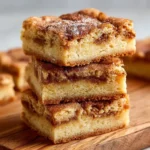
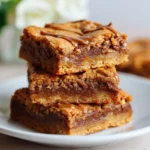
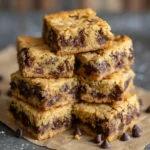
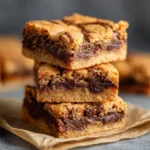
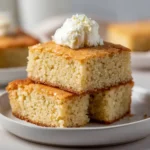
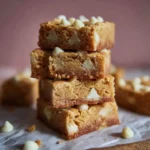
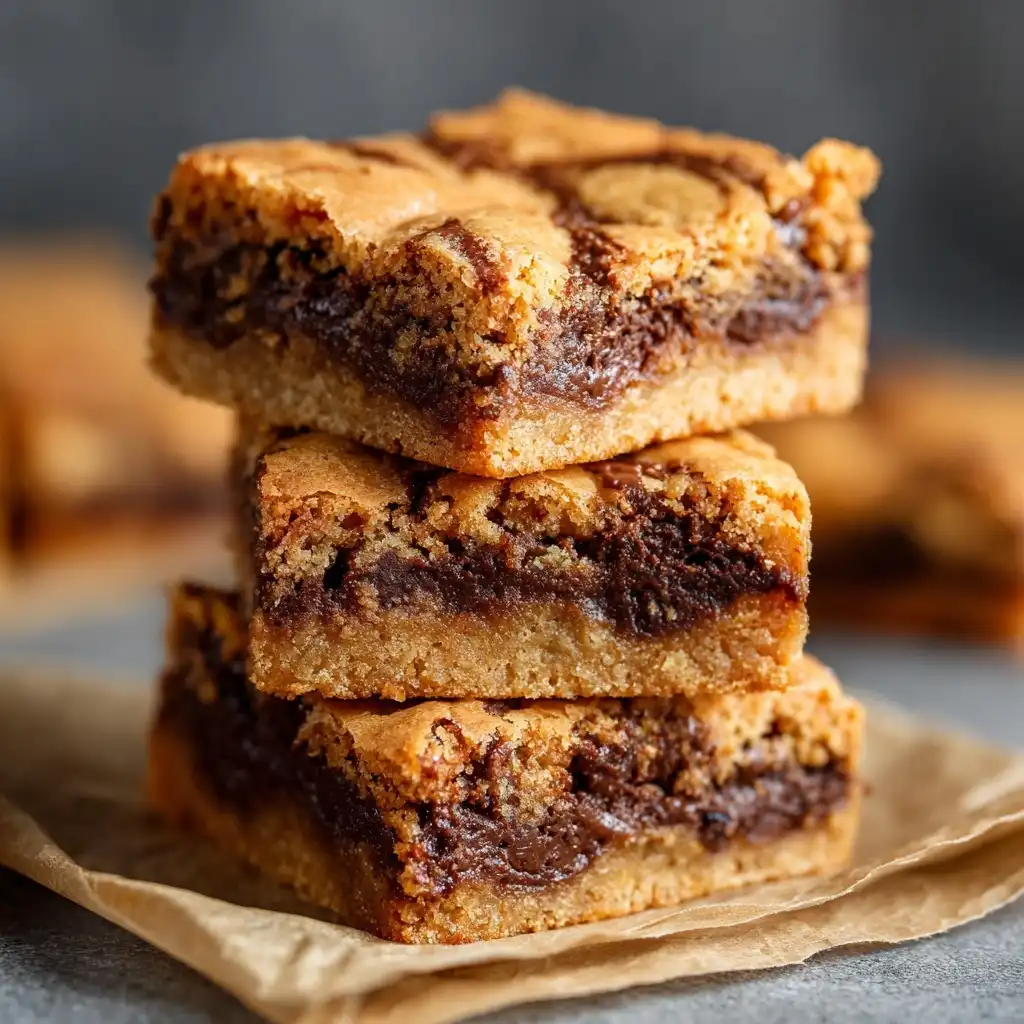
Brown Sugar Blondie Bars are the ultimate comfort dessert—chewy, buttery, caramel-kissed, and deeply nostalgic. Unlike their chocolate-laden cousins, brownies, blondies celebrate the rich, molasses-tinged warmth of brown sugar as the star ingredient, yielding a dense yet tender bar with golden edges, a slightly crackled top, and an irresistible toffee-like depth. Whether served warm with a scoop of vanilla ice cream, packed into school lunches, or gifted in festive tins, these bars evoke homemade warmth and timeless simplicity. Their versatility, approachable technique, and crowd-pleasing flavor profile make them a staple in home bakeries, potlucks, bake sales, and holiday cookie exchanges alike.
The History
The origins of the blondie trace back to the late 19th century in the United States, emerging alongside the rise of home baking and the widespread availability of affordable brown sugar and baking powder. While the exact birthplace remains debated—some credit Boston’s Parker House Hotel (circa 1890s), others point to early American cookbooks like Fannie Farmer’s Boston Cooking-School Cook Book (1896), which featured “brown sugar cake” recipes resembling modern blondies—the term “blondie” itself didn’t appear in print until the 1907 edition of The Boston Cooking-School Cook Book, where it was described as a “brownie without chocolate.” The name was likely coined as a playful contrast to the dark, cocoa-rich “brownie,” highlighting its light, golden-brown hue and vanilla-forward identity. Throughout the Great Depression and WWII, blondies gained popularity due to their economical ingredients—no expensive chocolate required—and their ability to stretch pantry staples like eggs, flour, and brown sugar into satisfying, energy-dense treats. By the mid-20th century, they had become a fixture in community cookbooks and women’s magazines, evolving with regional twists (e.g., maple-infused New England versions, pecan-studded Southern iterations) and later embracing gourmet upgrades like sea salt finishes and bourbon swirls.
Ingredients Breakdown
Every exceptional batch of Brown Sugar Blondie Bars begins with intentionality—not just measurement, but understanding *why* each ingredient matters:
- Brown Sugar (light or dark, packed): The soul of the recipe. Light brown sugar offers subtle molasses notes and balanced sweetness; dark brown sugar intensifies caramel, toffee, and rum-like complexity while adding moisture and chew. Its hygroscopic nature (water-attracting) ensures the bars stay soft for days. Always pack it firmly into the measuring cup—this guarantees proper structure and richness.
- Unsalted Butter: Provides flavor, tenderness, and browning potential. Melted (not browned, unless specified in variations) for easy emulsification. Unsalted butter allows precise control over sodium levels—critical for balancing sweetness and enhancing other flavors.
- Eggs (large, room temperature): Act as binders, leaveners (trapping air when beaten), and emulsifiers. Room temperature eggs incorporate more evenly and reduce batter separation. Extra yolks (often included in premium versions) boost richness, density, and that signature fudgy crumb.
- Vanilla Extract (pure, not imitation): Elevates the brown sugar’s inherent warmth with floral, woody, and creamy nuances. Bourbon-vanilla or Tahitian vanilla adds extra dimension.
- All-Purpose Flour: The structural backbone. Too little = greasy, spread-out bars; too much = dry, cakey, or tough results. Spoon-and-level method is non-negotiable for accuracy. For gluten-free options, a 1:1 certified GF blend (with xanthan gum) works reliably.
- Baking Powder (not soda): A *tiny* amount (¼ tsp) provides gentle lift without compromising chewiness—unlike baking soda, which requires acid and can impart bitterness if unbalanced.
- Finishing Salt (flaky sea salt or kosher): Not just for garnish! A light sprinkle before baking enhances sweetness perception, deepens flavor complexity, and creates addictive sweet-salty contrast. It also encourages surface crystallization for that coveted crackled top.
- Optional Add-Ins (see Variations section): Nuts (walnuts, pecans, almonds), white or dark chocolate chunks, dried fruit (cranberries, apricots), toffee bits, or even crushed pretzels—all contribute textural intrigue and complementary flavor notes.
Step-by-Step Recipe
- Preheat & Prep: Position oven rack in the center. Preheat oven to 350°F (175°C). Grease a 9×13-inch metal baking pan *thoroughly*, then line with parchment paper, leaving 2-inch overhang on two opposite sides for effortless lifting. Lightly grease the parchment.
- Melt Butter & Bloom Sugar: In a medium saucepan over low heat, melt butter completely. Remove from heat, add brown sugar, and whisk vigorously until fully combined and glossy (about 1 minute). Let cool slightly (2–3 minutes) to avoid cooking the eggs—mixture should be warm, not hot (ideally 110–120°F).
- Emulsify Wet Ingredients: Whisk in eggs one at a time, ensuring each is fully incorporated before adding the next. Whisk in vanilla extract until smooth and slightly thickened (about 30 seconds). Batter will look shiny and cohesive.
- Combine Dry Ingredients: In a separate bowl, whisk together flour, baking powder, and ½ tsp fine sea salt until uniformly blended and aerated.
- Fold Gently: Using a silicone spatula, gently fold dry ingredients into wet mixture in 2–3 additions. Mix *just until no dry streaks remain*. Overmixing develops gluten, leading to toughness. A few small lumps are perfectly acceptable and preferable to overworked batter.
- Add Mix-Ins (Optional): Fold in nuts, chocolate, or other add-ins until evenly distributed.
- Transfer & Smooth: Pour batter into prepared pan. Use an offset spatula or the back of a spoon to spread evenly, pressing gently into corners. Tap pan firmly on counter 2–3 times to release air bubbles and level surface.
- Finish & Bake: Sprinkle top evenly with flaky sea salt (about ¼ tsp). Bake for 28–34 minutes—timing varies by oven and pan material. Bars are done when edges are deeply golden and pull away slightly from pan, top is set with faint cracks, and a toothpick inserted 1 inch from edge comes out with *moist crumbs* (not wet batter) — crucial for chewy, not underbaked, texture.
- Cool Completely: Place pan on a wire rack. Cool *at least 2 hours* at room temperature—this step is essential for clean cuts and optimal texture development. Rushing leads to crumbling or gummy centers.
- Cut & Serve: Use parchment overhang to lift entire slab from pan. Place on cutting board. Trim uneven edges for neat presentation. Cut into 16–24 uniform bars using a sharp, non-serrated knife wiped clean between cuts.
Tips
- Pan Matters: Use a light-colored, heavy-gauge aluminum 9×13-inch pan. Dark or nonstick pans absorb more heat, causing over-browning and dry edges. Glass or ceramic pans require reducing temperature by 25°F and extending bake time by 3–5 minutes.
- Temperature Control: Never skip cooling the butter-sugar mixture before adding eggs—it prevents scrambled curds. Similarly, use room-temperature eggs for seamless emulsification.
- The “Moist Crumb” Test: This is your most reliable doneness indicator. If the toothpick shows wet batter, bake 2 more minutes and retest. If it’s completely clean, bars are likely overbaked and will dry out.
- Cooling Is Non-Negotiable: Cutting warm blondies causes tearing and loss of shape. Cooling allows starches to set and fats to solidify, locking in moisture and creating that signature dense-yet-tender bite.
- Storage for Maximum Freshness: Store cooled bars in an airtight container at room temperature for up to 5 days. Layer with parchment to prevent sticking. For longer storage, freeze unfrosted bars individually wrapped in plastic + foil for up to 3 months. Thaw at room temperature for 30 minutes.
- Knife Technique: For clean, professional-looking cuts: chill bars for 30 minutes before slicing; use a long, sharp chef’s knife; dip blade in hot water and wipe dry between every cut; apply gentle, downward pressure—no sawing!
- Flavor Blooming: For deeper caramel notes, toast nuts (especially walnuts or pecans) in a dry skillet over medium heat for 5–7 minutes until fragrant and lightly golden before folding in.
Variations and Customizations
These adaptable bars invite endless creativity while preserving their core chewy-sweet identity:
- Maple Pecan Blondies: Replace ¼ cup brown sugar with pure maple syrup (reduce butter by 1 tbsp to compensate for added liquid); fold in 1 cup toasted pecans and ½ cup maple sugar crystals for crunch.
- White Chocolate & Cranberry: Swap ½ cup brown sugar for granulated sugar to lighten color; fold in 1 cup dried cranberries (plumped in orange juice) and 1 cup high-quality white chocolate chips.
- Bourbon Caramel Swirl: After spreading batter, drizzle ⅓ cup thick homemade or high-end store-bought caramel sauce + 1 tbsp bourbon over top. Use a knife to gently marble—not overmix—creating ribbons of gooey richness.
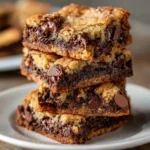
- Salted Dark Chocolate Chunk: Add 1 cup roughly chopped 60–70% dark chocolate and increase finishing flaky salt to ½ tsp. The bittersweet contrast highlights the brown sugar’s depth.
- Oatmeal Raisin Blondies: Reduce flour by ¼ cup; stir in ¾ cup old-fashioned rolled oats and ½ cup golden raisins (soaked in warm rum or tea for 10 minutes, then drained).
- Espresso Brown Sugar: Dissolve 1½ tsp instant espresso powder in the warm butter-sugar mixture before adding eggs. Enhances caramel notes without tasting “coffee-forward.”
- Gingerbread Spice Blondies: Add 1 tsp ground ginger, ½ tsp cinnamon, ¼ tsp cloves, and ¼ tsp allspice to dry ingredients. Fold in ⅓ cup crystallized ginger pieces.
- Vegan Version: Substitute melted coconut oil (refined for neutral taste) for butter; use flax eggs (2 tbsp ground flax + 6 tbsp water, rested 5 mins); choose vegan brown sugar (some brands use bone char—opt for organic or beet sugar); add 1 tsp apple cider vinegar for lift.
- Gluten-Free: Use a trusted 1:1 GF flour blend (e.g., King Arthur Measure for Measure or Bob’s Red Mill); add ½ tsp xanthan gum if not included; increase bake time by 2–4 minutes and rely on the moist crumb test.
- Mini Blondie Bites: Drop tablespoonfuls onto parchment-lined baking sheets; bake at 350°F for 11–14 minutes. Perfect for parties or portion control.
Health Considerations and Nutritional Value
While Brown Sugar Blondie Bars are undeniably indulgent, mindful preparation allows for thoughtful enjoyment within a balanced diet. A standard 2×2-inch bar (based on a 16-bar yield) contains approximately:
- Calories: 210–240 kcal
- Total Fat: 10–12g (6–7g saturated)
- Carbohydrates: 30–33g (24–27g sugars)
- Protein: 2–3g
- Fiber: <1g (increases significantly with oats, nuts, or whole-grain flour substitutions)
Nutritional Highlights & Considerations:
- Brown Sugar Nuance: Though still added sugar, brown sugar retains trace minerals like calcium, potassium, magnesium, and iron from molasses—albeit in negligible amounts per serving. Its moisture-retaining property means less added fat is needed for tenderness compared to granulated sugar-only recipes.
- Healthy Fats: Butter provides fat-soluble vitamins (A, D, E, K) and butyrate, an anti-inflammatory short-chain fatty acid beneficial for gut health. Opting for grass-fed butter increases omega-3s and CLA (conjugated linoleic acid).
- Protein Boosters: Adding chopped nuts, seeds (pumpkin, sunflower), or nut butter swirls increases satiating protein and heart-healthy unsaturated fats.
- Reducing Refined Sugar: Up to 25% of brown sugar can be replaced with mashed ripe banana, unsweetened applesauce, or date paste—but expect denser texture and shorter shelf life. Always adjust liquid content accordingly.
- Portion Awareness: Cutting into 24 smaller bars instead of 16 increases perceived value and supports mindful eating. Pairing a bar with Greek yogurt or berries adds protein and fiber, slowing sugar absorption.
- Allergen Notes: Naturally nut-free and egg-free (with substitution), making them adaptable for many common allergies. Always verify labels on chocolate, extracts, and add-ins for hidden allergens like soy lecithin or dairy derivatives.
- Diabetic-Friendly Adaptation: Use a certified low-glycemic sweetener blend (e.g., erythritol + monk fruit) at 1:1 ratio; add 2 tbsp almond flour and 1 tbsp ground flaxseed to improve texture and fiber; include cinnamon (shown to support healthy blood sugar response).
Remember: Nutrition is holistic. Enjoying a blondie mindfully—with awareness, pleasure, and without guilt—is part of a sustainable, joyful relationship with food.
Ingredients
- 1 cup (227g) unsalted butter, cut into tablespoons
- 2 cups (400g) packed light or dark brown sugar (see breakdown for differences)
- 3 large eggs, room temperature
- 2 tsp pure vanilla extract
- 2 cups (250g) all-purpose flour, spooned and leveled
- ¼ tsp baking powder
- ½ tsp fine sea salt (for batter)
- ½–1 tsp flaky sea salt (for topping, such as Maldon)
- Optional add-ins: 1–1½ cups chopped walnuts, pecans, or almonds; 1 cup white or dark chocolate chunks; ½ cup toffee bits; ½ cup dried cranberries
Directions
- Preheat oven to 350°F (175°C). Grease a 9×13-inch metal baking pan, then line with parchment paper with overhang on two sides. Grease parchment.
- In a medium saucepan over low heat, melt butter. Remove from heat; whisk in brown sugar until smooth and glossy (~1 min). Let cool 2–3 minutes.
- Whisk in eggs one at a time, then vanilla, until thickened and uniform (~30 sec).
- In separate bowl, whisk flour, baking powder, and ½ tsp fine salt.
- Fold dry ingredients into wet in 2–3 additions until *just combined*. Do not overmix.
- Fold in any optional add-ins.
- Spread batter into prepared pan; smooth top. Tap pan firmly on counter.
- Sprinkle evenly with flaky sea salt.
- Bake 28–34 minutes, until edges are deeply golden, top is set with fine cracks, and toothpick 1″ from edge shows moist crumbs.
- Cool completely in pan on wire rack (min. 2 hours).
- Use parchment to lift slab out. Cut into bars with clean, sharp knife.
FAQ
- Can I use dark brown sugar instead of light?
- Absolutely—and highly recommended for deeper flavor! Dark brown sugar has more molasses (6–10% vs. 3.5%), yielding richer caramel notes, darker color, and enhanced chew. Just ensure it’s packed firmly.
- Why did my blondies turn out cakey or dry?
- Most commonly: overbaking (check 2 minutes early), overmixing the batter (develops gluten), using too much flour (scoop directly from bag compresses it—always spoon & level), or substituting baking soda for baking powder. Also, skipping the cooling time prevents proper setting.
- Can I make these ahead for a party?
- Yes! They improve in flavor and texture for up to 48 hours. Bake 1–2 days ahead, cool completely, store airtight at room temp, and cut day-of. For longer hold, freeze unbaked batter (in pan, covered tightly) up to 1 month—thaw overnight in fridge, then bake as directed (add 3–5 mins).
- My blondies sank in the center—what went wrong?
- Sinking usually indicates underbaking (structure hasn’t set) or excessive leavening (too much baking powder). Ensure your baking powder is fresh (replace every 6 months) and measure precisely. Also, avoid opening the oven door before the 25-minute mark.
- Can I double this recipe?
- Not recommended for a single 9×13 pan—it will bake unevenly. Instead, bake two separate batches in identical pans, rotating positions halfway through. Or use two 8×8 pans (bake 25–28 mins) for consistent results.
- How do I prevent sticking to the pan?
- Parchment paper is the gold standard. If you must go parchment-free, grease *and* flour the pan thoroughly—or use a nonstick spray with flour (e.g., Baker’s Joy). Never rely on grease alone.
- Can I add fruit? Will it make them soggy?
- Fresh fruit adds excess moisture and will break down. Stick to *dried* fruit (cranberries, cherries, apricots), ideally plumped first in warm liquid (juice, tea, liqueur) and well-drained. This adds chew and concentrated flavor without compromising texture.
- Are blondies the same as butterscotch bars?
- Historically related, but not identical. Traditional butterscotch bars often use butterscotch chips or sauce as the primary flavor, sometimes with a shortbread-like base. Blondies rely on brown sugar’s intrinsic butterscotch notes and a simpler, more versatile batter—making them the broader, foundational category.
- Can I bake these in a muffin tin?
- Yes! Line standard muffin tin with paper liners or grease well. Fill cups ¾ full. Bake at 350°F for 18–22 minutes. They’ll have domed tops and crisp edges—perfect for grab-and-go treats.
- What’s the best way to transport blondies?
- Keep them in the pan with parchment overhang. Cover tightly with foil or place in a rigid airtight container. For gifting, layer bars between parchment in a decorative box—include a note recommending storage at room temperature and enjoying within 5 days for peak freshness.
Summary
Brown Sugar Blondie Bars are a masterclass in minimalist baking—where humble ingredients transform through precise technique into irresistibly chewy, deeply caramelized, and nostalgically comforting treats.
With their adaptable foundation, rich history, and endless potential for customization, they’re not just a dessert—they’re a canvas for creativity, care, and connection, delivering warmth in every golden, salt-flecked bite.