Introduction
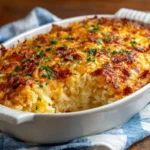
Breakfast Egg Casserole is the quintessential make-ahead morning masterpiece—rich, comforting, and endlessly adaptable. Whether you’re hosting a holiday brunch, feeding a hungry family on a hectic weekday, or prepping meals for the week ahead, this baked egg dish delivers restaurant-quality flavor with home-kitchen simplicity. Unlike traditional scrambled or fried eggs, a casserole transforms humble ingredients into a cohesive, golden-brown, custard-like centerpiece that’s equally at home on a rustic farmhouse table or a sleek modern countertop. Its magic lies in its versatility: it welcomes seasonal vegetables, artisanal cheeses, leftover proteins, and even plant-based swaps—all while maintaining structure, moisture, and deep savory satisfaction. More than just breakfast, it’s a culinary canvas: nourishing, nostalgic, and effortlessly elegant.
The History
The origins of the Breakfast Egg Casserole are deeply rooted in American home cooking traditions, evolving from practical necessity into beloved ritual. While baked egg dishes trace back centuries—think medieval European “eggs en cocotte” or Middle Eastern shakshuka-inspired baked preparations—the modern American version emerged prominently in the mid-20th century alongside the rise of convenience-oriented cookery. The 1950s and ’60s saw a surge in casseroles as emblematic “company dishes”—easy to assemble ahead, oven-stable, and ideal for feeding crowds with minimal last-minute effort. Influenced by Midwestern potluck culture, Southern hospitality customs, and post-war innovations like refrigerated dairy and pre-shredded cheese, the egg casserole became a staple for church suppers, bridal showers, and Sunday gatherings. Notably, early iterations often featured day-old bread (a nod to French toast or strata techniques), canned cream of mushroom soup (a hallmark of 1950s “cream sauce” casseroles), and processed meats—evolving over time toward fresher, whole-food ingredients. Today’s versions honor that legacy while embracing farm-to-table sensibilities, global flavor profiles, and dietary inclusivity—making the Breakfast Egg Casserole not just a relic of retro kitchens, but a living, breathing tradition continuously reinvented across generations and geographies.
Ingredients Breakdown
Understanding each component unlocks mastery—and customization—of your Breakfast Egg Casserole. Below is a detailed, chef-level breakdown of core categories, their functional roles, and premium alternatives:
- Eggs: The structural and textural backbone. Large, pasture-raised eggs provide richer yolks (for color and fat content) and superior emulsification. Use 8–12 large eggs for a standard 9×13-inch casserole; too few yields dryness, too many cause rubberiness. Room-temperature eggs integrate more smoothly into dairy mixtures.
- Dairy Base: Creates tenderness, moisture, and creamy mouthfeel. Heavy cream (36–40% fat) delivers luxurious richness and browning; whole milk (3.25% fat) offers balance and lighter lift; half-and-half (10–12% fat) is the Goldilocks middle ground. For tang and depth, substitute up to ¼ cup plain full-fat Greek yogurt or crème fraîche. Avoid ultra-pasteurized dairy—it can impart subtle off-flavors when baked.
- Bread Component: Acts as a moisture sponge and textural anchor. Stale or toasted bread (brioche, challah, sourdough, or French baguette) absorbs liquid without disintegrating. Cubed (½-inch), lightly toasted, and cooled bread prevents sogginess. Gluten-free options: certified GF brioche or gluten-free cornbread cubes (ensure they’re sturdy, not crumbly). Avoid fresh sandwich bread—it turns mushy.
- Protein Add-Ins: Adds satiety, umami, and complexity. Cooked, crumbled breakfast sausage (maple, sage, or spicy) is classic; diced ham (Black Forest or smoked) adds salt-sweet depth; crispy bacon lends smoky crunch. For leaner options: shredded rotisserie chicken, flaked cooked salmon, or marinated & pan-seared tempeh. Always pre-cook and drain excess fat—raw meat releases water and creates steam pockets.
- Cheese: Provides melt, stretch, salt, and caramelized notes. Sharp cheddar gives bold bite and golden crust; Gruyère contributes nutty sophistication and superior browning; Monterey Jack melts smoothly; feta or goat cheese adds bright, briny contrast. Shred your own—pre-shredded contains anti-caking starches that inhibit melting.
- Aromatics & Vegetables: Build foundational flavor and texture. Sautéed onions, bell peppers, mushrooms, spinach (wilted & squeezed), zucchini (salted, drained, and patted dry), or roasted sweet potatoes add sweetness, earthiness, and fiber. Never add raw, watery veggies—they’ll leach moisture and make the casserole weep.
- Herbs & Seasonings: Elevate beyond salt-and-pepper basics. Fresh thyme, chives, dill, or parsley (added post-bake for vibrancy); dried oregano or smoked paprika (toasted briefly in oil pre-mixing); garlic powder (not raw garlic—can turn bitter); white pepper (milder heat, no black specks). A pinch of nutmeg enhances dairy richness.
- Binding & Leavening (Optional): A small amount (1 tsp) Dijon mustard or hot sauce helps emulsify fats and eggs; ½ tsp baking powder (only in high-dairy, low-bread versions) can lend subtle lift—but avoid if using lots of cheese or meat, which weigh it down.
Step-by-Step Recipe
- Prep & Preheat: Generously butter or grease a 9×13-inch baking dish (or two 8×8-inch for portion control). Position oven rack in the center. Preheat oven to 350°F (175°C). Line a cooling rack over a sheet pan—this ensures air circulation under the dish for even bottom browning.
- Toast & Prep Bread: Spread 6 cups (about 8 oz) cubed bread evenly on a parchment-lined baking sheet. Toast at 350°F for 8–10 minutes until dry and lightly golden. Cool completely—warm bread will soak up dairy too aggressively.
- Sauté Aromatics & Veggies: In a large skillet over medium heat, warm 1 tbsp butter or olive oil. Add 1 finely diced yellow onion and 1 diced red bell pepper. Sauté 5–6 minutes until softened. Stir in 2 minced garlic cloves and cook 30 seconds until fragrant. If using mushrooms, add 1 cup sliced and cook until golden and moisture evaporates (~6 min). For spinach: wilt 5 oz fresh in same pan, then squeeze *thoroughly* in a clean towel until nearly dry. Set all aside to cool.
- Cook & Prep Protein: In same skillet (wipe if greasy), brown 12 oz breakfast sausage or diced ham until fully cooked and edges are crisp. Drain on paper towels. Crumble or chop into pea-sized pieces. Let cool slightly.
- Whisk Egg Mixture: In a large mixing bowl, whisk together 10 large eggs, 2 cups whole milk (or 1 cup milk + 1 cup heavy cream), 1 tsp Dijon mustard, 1½ tsp kosher salt, ½ tsp freshly ground black pepper, ¼ tsp grated nutmeg, and 1 tbsp chopped fresh chives. Whisk vigorously for 60–90 seconds until fully homogenized and slightly frothy—this incorporates air for lightness.
- Layer Thoughtfully: In prepared dish, scatter toasted bread cubes evenly. Top with sautéed veggie mixture, cooked protein, and 2 cups shredded cheese (reserve ½ cup for topping). Pour egg mixture slowly and evenly over layers—do not stir! Gently press down any floating bread with a spatula to submerge. Let sit uncovered at room temperature for 20 minutes—this allows bread to fully hydrate and prevents “swimming” during bake.
- Bake with Precision: Place dish on preheated cooling rack/sheet pan setup. Bake at 350°F for 50–60 minutes. Rotate halfway. Casserole is done when edges are deeply golden, center is *just* set (no jiggle when gently shaken), and internal temperature reads 160°F on an instant-read thermometer. Avoid overbaking—a slight wobble in the very center is ideal; residual heat will finish it.
- Rest & Serve: Remove from oven and let rest for *full 15 minutes* before slicing. This allows proteins to relax, custard to fully set, and steam to redistribute—ensuring clean cuts and moist texture. Garnish with extra chives, microgreens, or a drizzle of herb-infused olive oil.
Tips
- Room-Temperature Rule: Bring eggs, dairy, and even cheese to room temp (20–30 min out of fridge) before mixing—cold ingredients cause uneven coagulation and potential curdling.
- Drain, Drain, Drain: Excess moisture is the #1 casserole killer. Pat dry all sautéed veggies, squeeze spinach *until no water remains*, blot cooked meats, and use well-drained canned ingredients (e.g., rinsed black beans or roasted green chiles).
- Toast Your Bread Twice: First toast (step 2) removes surface moisture; second “dry toast” (optional, 2 min at 400°F after initial cooling) ensures maximum absorption capacity—especially crucial for high-veggie or low-cheese versions.
- Layering Logic: Heaviest items (meat, potatoes) go on bottom; delicate greens (spinach, arugula) go mid-layer; cheese goes both under and over—top layer browns beautifully and seals in moisture.
- Water Bath Hack (For Ultra-Creamy Results): Place baking dish inside a larger roasting pan. Fill outer pan with 1 inch of hot tap water. Bake as directed. The steam moderates oven heat, preventing surface cracks and yielding silken, restaurant-style custard.
- Don’t Skip the Rest: Cutting too soon releases trapped steam and causes weeping. Fifteen minutes minimum—even 25 for larger batches—makes a dramatic difference in slice integrity and mouthfeel.
- Reheating Right: To reheat individual portions: cover loosely with damp paper towel and microwave 60–90 sec. For full dish: cover with foil and warm at 325°F for 20–25 min until 140°F internally. Avoid high heat—it toughens eggs.
- Freezer-Friendly Framework: Assemble *unbaked* casserole (up to step 6), cover tightly with plastic + foil, and freeze up to 3 months. Thaw overnight in fridge, then bake 10–15 min longer than usual. Never freeze *after* baking—reheating degrades texture.
Variations and Customizations
Breakfast Egg Casserole thrives on creativity—here are 12 globally inspired, diet-conscious, and seasonal variations—each tested for structural integrity and flavor harmony:
- Southwest Fiesta: Swap bread for crushed tortilla chips; use black beans (rinsed), fire-roasted corn, pickled jalapeños, cotija cheese, and top with avocado crema and cilantro.
- Mediterranean Garden: Use ciabatta cubes; add sun-dried tomatoes (oil-packed, chopped), kalamata olives, artichoke hearts (marinated, drained), crumbled feta, and fresh oregano.
- Smoked Salmon & Dill: Replace meat with 8 oz cold-smoked salmon (flaked); use cream cheese (4 oz, softened) whisked into egg mixture; garnish with capers, red onion, and dill.
- Vegetarian Harvest: Roast 2 cups diced butternut squash + 1 cup Brussels sprouts (tossed in maple & thyme) until caramelized; layer with goat cheese and toasted walnuts.
- Low-Carb/Keto: Omit bread entirely; increase eggs to 14; add ½ cup almond flour + 2 tbsp psyllium husk powder to bind; bulk with cauliflower rice (squeezed dry) and broccoli florets.
- Vegan “Egg” Casserole: Blend 1½ cups firm tofu + ¼ cup nutritional yeast + 2 tbsp Kala Namak (black salt, for eggy sulfur note) + 1 tbsp turmeric + ½ cup unsweetened soy milk + 1 tsp apple cider vinegar. Layer with vegan cheese, sautéed mushrooms, and spinach.
- Breakfast Pizza Casserole: Press 1 lb pizza dough into greased dish; top with marinara, mozzarella, cooked sausage, and basil; pour egg mixture over top. Bake as directed.
- French Toast Casserole Hybrid: Soak bread in egg mixture overnight; add 2 tbsp maple syrup + 1 tsp vanilla to batter; top with cinnamon sugar and pecans before baking.
- Kimchi & Scallion: Fold in 1 cup well-drained, chopped kimchi; use scallions instead of onions; top with sharp white cheddar and sesame seeds.
- Curry-Spiced Veggie: Sauté onions, carrots, peas, and cauliflower with 1 tbsp ghee + 1 tsp curry powder + ½ tsp ginger; fold in cashews and top with paneer or mild cheddar.
- Blueberry-Bourbon: For sweet version: omit savory spices; add 1 tsp vanilla + ¼ cup bourbon + zest of 1 orange to egg mixture; fold in 1½ cups fresh blueberries (tossed in 1 tsp cornstarch) and top with brown sugar crumble.
- Everything Bagel: Use everything bagel seasoning in egg mixture; layer with cream cheese schmear (softened) and lox-style smoked trout; garnish with everything seasoning and chives.
Health Considerations and Nutritional Value
A single 1-cup serving (approx. 1/12 of a standard recipe) provides a robust, balanced nutrient profile—when built thoughtfully. Here’s a comprehensive analysis based on a base recipe using 10 eggs, 2 cups whole milk, 6 cups toasted brioche, 12 oz sausage, 2.5 cups cheddar, and sautéed veggies:
- Macronutrients: ~420 kcal, 28g protein (excellent complete source), 29g fat (15g saturated—moderate intake advised), 14g carbohydrates (2g fiber, 3g natural sugars). Protein supports muscle maintenance and satiety; healthy fats aid vitamin absorption (A, D, E, K).
- Vitamins & Minerals: Exceptionally high in Vitamin B12 (120% DV), Choline (180% DV—critical for brain health and liver function), Selenium (95% DV—antioxidant support), and Vitamin D (35% DV from egg yolks + fortified dairy). Also rich in riboflavin, phosphorus, and lutein/zeaxanthin (eye-protective carotenoids from egg yolks).
- Dietary Adaptations:
- Lower Sodium: Use low-sodium cheese, unsalted butter, and homemade sausage (or turkey/chicken breast with herbs only). Cut added salt by 50%—rely on lemon zest, smoked paprika, or nutritional yeast for depth.
- Higher Fiber: Incorporate ½ cup cooked lentils, 1 cup riced cauliflower (squeezed), or 2 tbsp ground flaxseed into egg mixture. Choose whole-grain or seeded bread.
- Lower Saturated Fat: Substitute 1 cup milk for unsweetened almond or oat milk; use part-skim ricotta or cottage cheese blended smooth; choose lean turkey sausage or plant-based crumbles.
- Allergen-Free: Gluten-free bread + dairy-free milk (oat or soy) + vegan cheese makes it GF/DF; omit eggs for tofu-based version (soy allergy caution). Always verify cheese rennet sources for vegetarians.
- Considerations for Specific Populations:
- Pregnancy: Ensure eggs are pasteurized and fully cooked to 160°F; avoid raw sprouts or unpasteurized cheeses unless labeled safe.
- Diabetes: Prioritize high-fiber, low-glycemic carbs (steel-cut oats soaked in egg mix, quinoa, or almond flour); monitor portion size (½ cup serving) and pair with leafy greens.
- Kidney Health: Reduce phosphorus load by choosing fresh cheese over processed; limit dairy to 1 cup; boost flavor with herbs/spices instead of salt.
- Heart Health: Emphasize monounsaturated fats (avocado oil, olives, nuts); include omega-3s (salmon, flax, walnuts); limit processed meats—opt for nitrate-free options.
- Myth-Busting: Contrary to outdated advice, dietary cholesterol (from eggs) has minimal impact on blood cholesterol for most people. Current USDA guidelines remove daily limits, focusing instead on overall dietary patterns. The casserole’s real nutritional win lies in its whole-food synergy—not isolated nutrients.
Ingredients
- 6 cups (about 8 oz) day-old bread, cubed (brioche, challah, sourdough, or gluten-free brioche)
- 10 large eggs
- 2 cups whole milk (or 1 cup whole milk + 1 cup heavy cream)
- 1 teaspoon Dijon mustard
- 1½ teaspoons kosher salt (plus more to taste)
- ½ teaspoon freshly ground black pepper
- ¼ teaspoon freshly grated nutmeg
- 1 tablespoon finely chopped fresh chives (plus more for garnish)
- 2 tablespoons unsalted butter or olive oil
- 1 medium yellow onion, finely diced
- 1 medium red bell pepper, diced
- 2 cloves garlic, minced
- 5 ounces fresh baby spinach
- 12 ounces cooked breakfast sausage, crumbled (or ham, bacon, or plant-based crumbles)
- 2½ cups shredded sharp cheddar cheese (or Gruyère, Monterey Jack, or feta), divided
- Butter or non-stick spray for dish
Directions
- Preheat oven to 350°F (175°C). Generously butter or grease a 9×13-inch baking dish. Place on a wire cooling rack set over a rimmed baking sheet.
- Spread cubed bread on a parchment-lined baking sheet. Toast in preheated oven for 8–10 minutes, tossing once, until dry and pale golden. Cool completely.
- In a large skillet over medium heat, warm butter or oil. Sauté onion and bell pepper for 5–6 minutes until soft. Add garlic; cook 30 seconds. Remove from heat; cool slightly.
- In same skillet, wilt spinach over medium-low heat until just collapsed, 2–3 minutes. Transfer to a clean kitchen towel; squeeze *vigorously* until no liquid remains. Chop roughly.
- In a large bowl, whisk eggs, milk, Dijon, salt, pepper, nutmeg, and chives until uniform and slightly frothy (60–90 sec).
- In prepared dish, layer toasted bread, sautéed veggie mixture, crumbled sausage, spinach, and 2 cups cheese. Slowly pour egg mixture over top. Gently press any floating bread down. Let sit uncovered at room temperature for 20 minutes.
- Bake for 50–60 minutes, rotating halfway, until edges are deep golden and center is just set (no liquid jiggle; internal temp 160°F).
- Remove from oven. Rest for 15 minutes before cutting into 12 squares. Garnish with extra chives and reserved ½ cup cheese.
FAQ
- Can I make this the night before?
- Absolutely—and highly recommended! Assemble through step 6 (pouring egg mixture), cover tightly with plastic wrap, and refrigerate overnight (up to 16 hours). Remove from fridge 30 minutes before baking; add 5–10 minutes to bake time.
- Why did my casserole turn out watery?
- Most commonly: insufficient draining of veggies (especially spinach, mushrooms, tomatoes) or using fresh, un-toasted bread. Also check for expired baking powder (if used) or underbaking—always verify with a thermometer.
- Can I use frozen spinach?
- Yes—but thaw completely in a colander, then squeeze *as much water out as humanly possible*. One 10-oz package yields only ~½ cup usable spinach after squeezing.
- What’s the best cheese for browning?
- Gruyère, aged cheddar, and fontina brown most beautifully. Avoid high-moisture cheeses like mozzarella alone—they bubble but don’t caramelize. Blend mozzarella with a drier cheese for optimal results.
- Can I double the recipe?
- Yes—use two 9×13-inch dishes. Do NOT bake in one oversized pan—it won’t cook evenly. Keep bake time identical; check each dish separately.
- Is this gluten-free friendly?
- Easily! Use certified gluten-free bread (brioche or cornbread work best) and verify all sauces/spices are GF-certified. Many store-bought sausages contain gluten—check labels carefully.
- How do I know when it’s perfectly done?
- Visual cues: deep golden edges, puffed center that springs back lightly when touched. Scientific cue: instant-read thermometer inserted 2 inches from edge reads 158–160°F. Center may still show *slight* jiggle—that’s ideal.
- Can I add potatoes?
- Yes—use 2 cups parboiled, diced Yukon Gold or red potatoes (boil 5 min until just tender, drain, pat dry). Roast them first with rosemary for extra flavor and less moisture release.
- What can I serve with it?
- Keep it balanced: fresh fruit salad, mixed greens with lemon vinaigrette, roasted asparagus, or a light tomato-herb salsa. Avoid heavy sides—let the casserole shine.
- Can I cook it in a slow cooker?
- Not recommended—slow, low heat causes egg proteins to over-coagulate, resulting in rubbery, grainy texture and excessive weeping. Stick to oven baking for best results.
Summary
Breakfast Egg Casserole is a timeless, versatile, and nutritionally dense brunch cornerstone—transforming simple pantry staples into a golden, custardy, crowd-pleasing masterpiece through thoughtful layering, precise baking, and smart ingredient choices. Whether made ahead for stress-free mornings, customized for dietary needs, or elevated with global flavors, it remains a testament to the elegance of humble, whole-food cooking.
With its perfect balance of protein, healthy fats, and complex carbohydrates—and endless potential for seasonal, cultural, and personal expression—the Breakfast Egg Casserole isn’t just a dish; it’s a ritual of care, connection, and culinary confidence, ready to anchor your mornings for years to come.