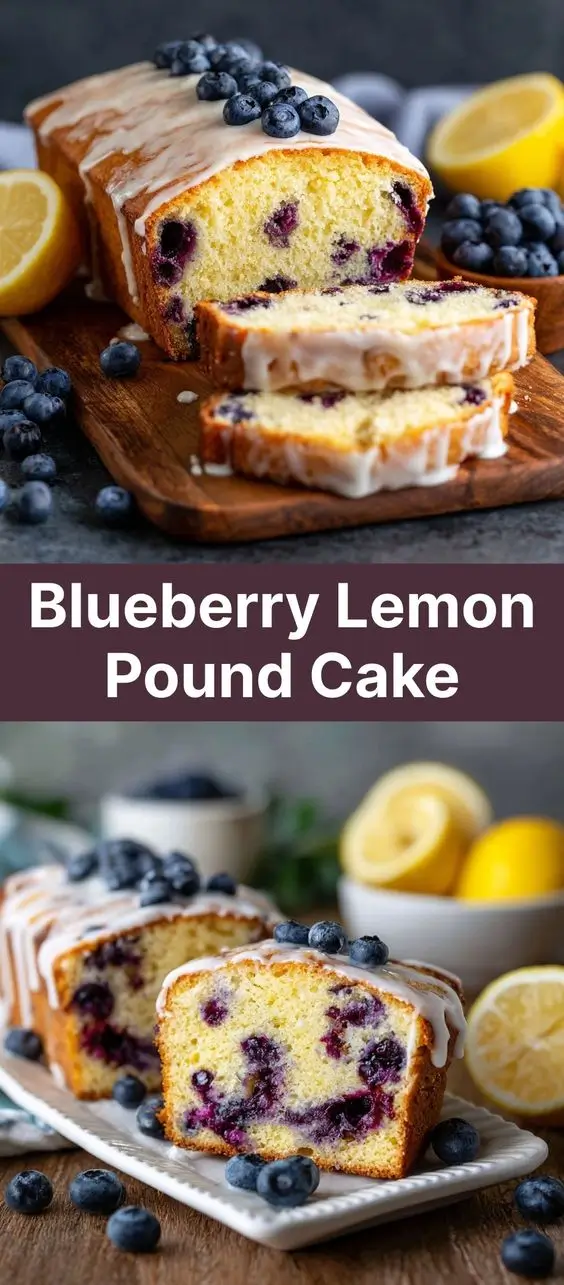
Blueberry Lemon Pound Cake: A Zesty, Moist Delight for Every Occasion
The History of Pound Cake and Its Modern Twists
The pound cake tradition dates back to the early 18th century, originally defined by its simple, memorable formula: one pound each of butter, sugar, eggs, and flour. This straightforward recipe was easy to remember and yielded a dense, rich cake perfect for tea time or dessert. Originating in Northern Europe, particularly England and France, the classic pound cake was known for its rustic texture and buttery flavor.
As baking evolved through the centuries, so did the pound cake. With the advent of modern ovens, refined sugars, and leavening agents like baking powder, bakers began experimenting with textures and flavors. The American adaptation embraced lighter versions, often using cake flour and adding sour cream or buttermilk for moisture. Enter fruit-infused variations—blueberries became a favorite addition, especially in the United States where wild and cultivated blueberries are abundant.
The combination of blueberries and lemon is a natural pairing, balancing the tartness of lemon with the sweet-tart burst of fresh blueberries. This fusion brought forth the now-popular Blueberry Lemon Pound Cake—a modern classic that maintains the dense, velvety crumb of traditional pound cake while introducing bright, refreshing notes. Today, this cake graces brunch tables, farmers’ markets, and family gatherings, symbolizing both comfort and sophistication in one golden loaf.
Ingredients Breakdown: What Makes This Cake So Special?
The magic of the Blueberry Lemon Pound Cake lies not just in its flavor profile, but in the careful selection and function of each ingredient. Understanding their roles ensures a successful bake every time.
- Butter (Unsalted, Room Temperature): Acts as the foundation for richness and moisture. Creaming it properly with sugar creates air pockets, resulting in a tender crumb.
- Granulated Sugar: Not only adds sweetness, but also helps aerate the batter during creaming. It contributes to crust formation during baking.
- Large Eggs (Room Temperature): Provide structure, moisture, and help emulsify the fat and liquids. Cold eggs can cause the batter to curdle.
- All-Purpose Flour: Offers the necessary gluten structure without making the cake tough. Sifting ensures even distribution and prevents lumps.
- Baking Powder: A leavening agent that gives the cake slight rise and lightness, countering the density typical of traditional pound cakes.
- Salt: Enhances all other flavors and balances sweetness.
- Sour Cream (or Full-Fat Yogurt): Adds moisture, tenderness, and a subtle tang that complements both lemon and blueberries.
- Freshly Squeezed Lemon Juice: Provides acidity and brightness. Using fresh juice is crucial—bottled lemon juice lacks vibrancy and may contain preservatives.
- Lemon Zest: Packed with aromatic oils, zest intensifies the lemon flavor without adding liquid. One lemon typically yields about 1 tablespoon of zest.
- Fresh Blueberries: Choose plump, dry berries. Tossing them in flour prevents sinking to the bottom of the cake. Frozen blueberries can be used, but may bleed color and add extra moisture.
- Vanilla Extract: Adds depth and warmth, rounding out the citrus notes.
- Lemon Glaze (Optional but Recommended): A simple mix of powdered sugar, lemon juice, and zest drizzled over the cooled cake enhances both appearance and taste.
Step-by-Step Recipe: How to Bake the Perfect Blueberry Lemon Pound Cake
Ingredients
- 1 cup (2 sticks / 226g) unsalted butter, softened
- 1 ¾ cups (350g) granulated sugar
- 4 large eggs, room temperature
- 2 ½ cups (312g) all-purpose flour
- 1 ½ teaspoons baking powder
- ½ teaspoon salt
- ½ cup (120g) full-fat sour cream or Greek yogurt
- ¼ cup (60ml) freshly squeezed lemon juice (about 1–2 lemons)
- 1 tablespoon finely grated lemon zest (from 1–2 lemons)
- 1 ½ cups (225g) fresh blueberries, rinsed, dried, and tossed in 1 tablespoon flour
- 1 teaspoon pure vanilla extract
Directions
- Preheat and Prepare: Preheat your oven to 325°F (165°C). Grease and flour a 9×5-inch loaf pan thoroughly, or line it with parchment paper for easy removal.
- Cream Butter and Sugar: In a large mixing bowl, beat the softened butter and granulated sugar together on medium-high speed for 4–5 minutes, until light, fluffy, and pale yellow. Scrape down the sides of the bowl as needed.
- Add Eggs: Add the eggs one at a time, beating well after each addition. Ensure each egg is fully incorporated before adding the next. The mixture should look creamy and emulsified.
- Combine Dry Ingredients: In a separate bowl, whisk together the flour, baking powder, and salt. Set aside.
- Mix Wet Ingredients: In another small bowl, stir together the sour cream, lemon juice, lemon zest, and vanilla extract.
- Incorporate Alternately: Gradually add the dry ingredients to the butter mixture in three parts, alternating with the sour cream mixture, beginning and ending with the dry ingredients. Mix on low speed just until combined after each addition. Do not overmix.
- Fold in Blueberries: Gently fold in the floured blueberries using a silicone spatula. Be careful not to crush the berries or over-stir, which can lead to a streaky batter or broken blueberries.
- Transfer to Pan: Pour the batter into the prepared loaf pan and smooth the top with the spatula. Tap the pan gently on the counter to release any air bubbles.
- Bake: Place in the center of the preheated oven and bake for 65–75 minutes, or until a wooden skewer or toothpick inserted into the center comes out clean or with a few moist crumbs. If the top browns too quickly, tent loosely with aluminum foil after 45 minutes.
- Cool: Let the cake cool in the pan for 15 minutes, then carefully transfer it to a wire rack to cool completely before glazing.
- Prepare Glaze (Optional): Whisk together 1 cup (120g) powdered sugar, 2–3 tablespoons fresh lemon juice, and ½ teaspoon lemon zest until smooth. Adjust consistency by adding more sugar for thickness or more juice for thinness.
- Glaze and Serve: Drizzle the glaze over the cooled cake. Allow it to set for 10–15 minutes before slicing.
Tips for Baking Success
- Room Temperature Ingredients: Ensure butter, eggs, and sour cream are at room temperature to create a smooth, emulsified batter that rises evenly.
- Don’t Overmix: Once flour is added, mix only until just combined. Overmixing develops gluten, leading to a tough cake.
- Flour Your Blueberries: Coating the blueberries in flour helps suspend them in the batter and prevents them from sinking to the bottom.
- Oven Thermometer: Ovens often run hot or cold. Use an oven thermometer to ensure accurate temperature.
- Test for Doneness Properly: Insert the toothpick off-center and near the edge, as the middle may still be slightly damp due to blueberry juice. Look for a few moist crumbs—not wet batter.
- Cool Gradually: Allowing the cake to cool in the pan for 15 minutes prevents breakage when removing, while cooling completely on a rack stops condensation buildup.
- Use Fresh Lemon: Avoid bottled lemon juice and artificial zest. Fresh citrus makes a noticeable difference in aroma and taste.
Variations and Customizations
The Blueberry Lemon Pound Cake is wonderfully adaptable. Here are some creative twists to suit different tastes and occasions:
- Lemon Poppy Seed Blueberry: Add 1–2 tablespoons of poppy seeds to the dry ingredients for a delightful crunch and visual appeal.
- Gluten-Free Version: Substitute all-purpose flour with a high-quality gluten-free flour blend. Add ¼ teaspoon xanthan gum if not included in the blend.
- Dairy-Free Option: Replace butter with plant-based butter (like Miyoko’s), and use coconut yogurt instead of sour cream.
- Vegan Adaptation: Use flax eggs (4 tbsp ground flax + 10 tbsp water, let sit 10 mins), vegan butter, dairy-free yogurt, and a plant-based milk substitute. Reduce sugar slightly and use a vegan-friendly powdered sugar for the glaze.
- Mini Loaves or Muffins: Divide the batter into greased mini loaf pans (about 3–4) or muffin tins (lined with papers). Bake for 25–35 minutes, checking earlier for doneness.
- Add Nuts: Fold in ½ cup chopped toasted walnuts, pecans, or almonds for added texture and nuttiness.
- Berry Swaps: Try raspberries, blackberries, or a mixed berry blend. Adjust baking time slightly as juices vary.
- Herbal Infusion: Add 1 teaspoon of finely chopped fresh basil or thyme for a sophisticated herbal note that pairs beautifully with lemon and blueberries.
- Lavender Touch: Incorporate ½ teaspoon culinary-grade dried lavender with the dry ingredients for a floral twist.
- No-Glaze Version: For a less sweet option, skip the glaze and dust with powdered sugar or serve plain with whipped cream or lemon curd.
Health Considerations and Nutritional Value
While the Blueberry Lemon Pound Cake is undeniably indulgent, it does offer some nutritional benefits, especially when enjoyed in moderation.
Nutritional Highlights (per slice, based on 10 servings):
- Calories: ~380–420 kcal
- Fat: ~18–22g (mostly from butter, beneficial for satiety)
- Saturated Fat: ~11g (consume in moderation as part of a balanced diet)
- Carbohydrates: ~55–60g
- Sugars: ~35–40g (primarily added sugars; consider reducing by ¼ cup if desired)
- Protein: ~6–7g (from eggs and dairy)
- Fiber: ~1–2g (can be increased with whole wheat pastry flour substitution)
- Vitamin C: From lemon juice and blueberries—supports immune function.
- Antioxidants: Blueberries are rich in anthocyanins, powerful antioxidants linked to heart health and cognitive support.
Health Tips:
- Portion Control: Serve smaller slices (e.g., 1” thick) to enjoy the flavor without overindulging.
- Reduce Sugar: Experiment with 1½ cups sugar instead of 1¾ cups. The tartness of lemon helps balance reduced sweetness.
- Whole Grain Option: Substitute up to half the all-purpose flour with whole wheat pastry flour for added fiber and nutrients.
- Lower-Fat Alternative: Replace half the butter with unsweetened applesauce or mashed banana, though texture will be slightly denser.
- Diabetic-Friendly: Use erythritol or monk fruit sweetener blends designed for baking. Note: texture and browning may vary.
- Heart-Healthy Fats: While traditional pound cake is butter-heavy, occasional consumption fits within a balanced diet. Pair with fresh fruit or green tea to round out the meal.
Frequently Asked Questions (FAQ)
Can I use frozen blueberries instead of fresh?
Yes, you can! Just do not thaw them before using. Toss frozen blueberries in flour while still frozen to prevent excess moisture and color bleeding. Expect a slightly longer bake time and possible purple streaks in the crumb—perfectly safe and tasty!
Why did my blueberries sink to the bottom?
This usually happens if the berries aren’t coated in flour or if the batter is too thin. Always toss berries in 1 tablespoon of flour before folding in. Also, avoid overmixing the batter, which can thin it out.
Can I make this cake ahead of time?
Absolutely. The cake keeps well at room temperature for 2 days, or in the refrigerator for up to 5 days. Wrap tightly in plastic or store in an airtight container. Bring to room temperature before serving for best texture.
Can I freeze Blueberry Lemon Pound Cake?
Yes! Freeze unglazed cake wrapped tightly in plastic wrap and aluminum foil for up to 3 months. Thaw overnight in the fridge, then bring to room temperature. Glaze just before serving.
Why is my cake dry?
Overbaking or overmixing are common culprits. Use a reliable oven thermometer and check for doneness starting at 60 minutes. Also, measure flour correctly—spoon and level, don’t scoop directly from the bag.
Can I use lemon extract instead of zest and juice?
Not recommended. Extract is highly concentrated and lacks the fresh, bright quality of real lemon. Use zest and juice for authentic flavor. If absolutely necessary, reduce extract to ½ teaspoon and keep juice for moisture.
What size pan should I use?
A standard 9×5-inch loaf pan works best. Using an 8×4-inch pan will result in a taller cake with a longer baking time. Mini loaves require reduced time and close monitoring.
Can I add more lemon for a stronger flavor?
Yes! Increase zest to 2 tablespoons or add 1 teaspoon lemon extract along with the zest. You can also brush the warm cake with a simple lemon syrup (equal parts sugar and lemon juice, heated).
Summary
The Blueberry Lemon Pound Cake combines the timeless richness of traditional pound cake with the vibrant freshness of lemon and juicy bursts of blueberries, creating a harmonious dessert perfect for any season. Easy to customize and beloved by all, it’s a showstopping treat that balances indulgence with a touch of wholesome goodness.