Introduction
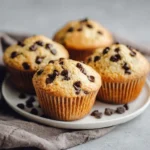
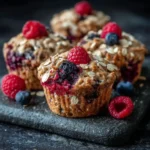
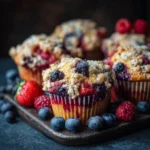
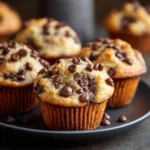
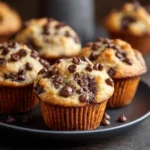
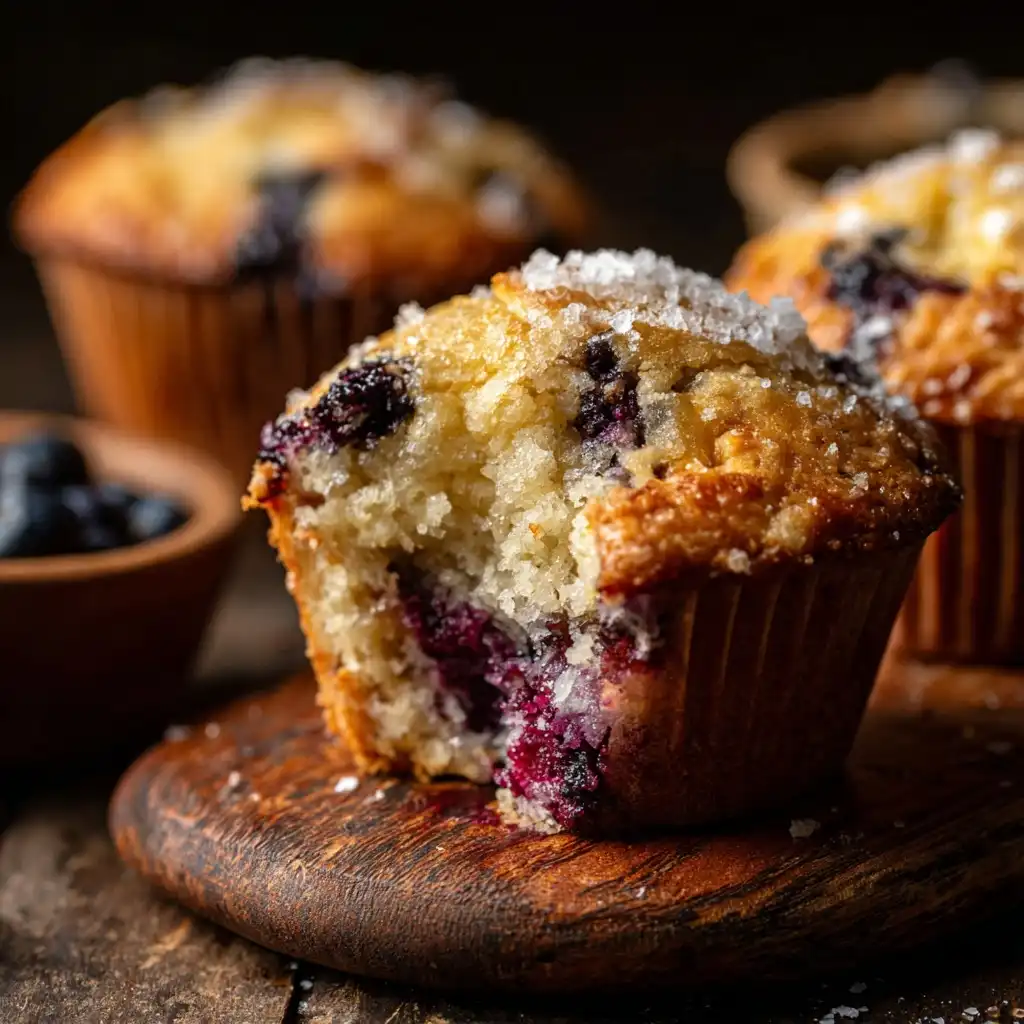
Blueberry Buttermilk Muffins are a beloved classic—a perfect marriage of tender crumb, tangy richness, and bursts of sweet-tart fruit. Whether enjoyed warm from the oven with a pat of butter, packed into lunchboxes, or served alongside morning coffee at a weekend brunch, these muffins deliver comfort, nostalgia, and sophisticated flavor in every bite. Their distinctive tenderness comes from the gentle acidity of buttermilk reacting with baking soda, while the blueberries—fresh or frozen—provide juicy contrast and natural sweetness. Unlike overly dense or dry muffins, this version achieves an ideal balance: lofty yet moist, lightly sweetened yet deeply flavorful, with a delicate golden crust and a soft, airy interior that practically melts on the tongue.
The History
The origins of the blueberry muffin trace back to early American colonial baking traditions, where settlers adapted English muffin recipes using native North American blueberries—abundant in New England forests and prized by Indigenous peoples for centuries for both sustenance and medicinal use. However, the modern *buttermilk* variation emerged more distinctly in the mid-20th century, as home bakers began embracing cultured dairy for its leavening power and flavor-enhancing properties. Before refrigeration, buttermilk was the liquid left after churning butter—a slightly sour, thickened byproduct rich in lactic acid. Its natural acidity made it an ideal partner for baking soda, producing carbon dioxide bubbles that lift batters without relying solely on baking powder. By the 1950s and ’60s, cookbooks like The Joy of Cooking and regional publications (especially from Maine and Michigan—top U.S. blueberry producers) featured refined buttermilk-blueberry combinations, cementing their status as a pantry staple. Today, Blueberry Buttermilk Muffins represent a harmonious evolution of terroir, tradition, and technique—honoring indigenous ingredients, colonial resourcefulness, and mid-century culinary science.
Ingredients Breakdown
Every ingredient in this recipe serves a precise functional and sensory purpose—no filler, no afterthought:
- All-Purpose Flour (2½ cups / 312g): Provides gluten structure; measured correctly (spooned & leveled) ensures tenderness without toughness. A blend of hard and soft wheat gives just enough elasticity for rise while maintaining crumb softness.
- Granulated Sugar (¾ cup / 150g): Sweetens, aids browning via caramelization, and retains moisture. Not excessive—allows blueberry’s natural tartness to shine.
- Baking Powder (2 tsp) & Baking Soda (½ tsp): A dual-leavening system. Baking powder provides initial lift during heating; baking soda neutralizes buttermilk’s acid *and* creates additional CO₂ for superior volume and fine crumb texture.
- Ground Cinnamon (1 tsp) & Salt (1 tsp): Cinnamon adds warmth and aromatic depth without overpowering; salt enhances all flavors, balances sweetness, and strengthens gluten subtly.
- Large Eggs (2, room temperature): Emulsify fat and liquid, contribute structure, and add richness. Room temperature ensures even incorporation and optimal aeration.
- Full-Fat Buttermilk (1 cup / 240ml, well-stirred): The star acidulant—lactic acid tenderizes gluten, activates soda, and imparts subtle tang. Full-fat yields unparalleled moisture and mouthfeel versus low-fat alternatives.
- Unsalted Butter (⅓ cup / 75g), melted & cooled to lukewarm: Adds flavor, tenderness, and sheen. Melted (not hot) prevents cooking eggs; cooled avoids melting butter crystals prematurely.
- Fresh or Frozen Blueberries (1½ cups / 225g): Fresh berries offer firmer texture and brighter flavor; frozen provide consistent juiciness and convenience year-round. Critical: toss in 1 tbsp flour to prevent sinking and bleeding.
- Optional—but highly recommended—Lemon Zest (from 1 lemon): Bright citrus oil lifts the entire profile, cutting richness and amplifying blueberry aroma without adding liquid.
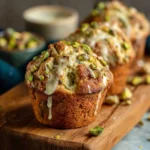
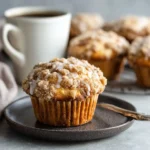
- Optional Crumb Topping: A mix of brown sugar, cold butter, flour, cinnamon, and oats adds textural contrast, caramelized crunch, and visual appeal—elevating bakery-quality presentation.
Step-by-Step Recipe
- Preheat & Prep: Position oven rack in center. Preheat oven to 425°F (220°C). Line a standard 12-cup muffin tin with parchment liners (or grease thoroughly with non-stick spray or butter). This high initial temperature creates “oven spring”—rapid expansion before structure sets.
- Dry Whisk: In a large bowl, whisk together flour, sugar, baking powder, baking soda, cinnamon, and salt until fully homogenous and aerated—about 45 seconds. Breaking up clumps ensures even leavening and prevents bitter pockets of soda.
- Blueberry Prep: Gently toss blueberries with 1 tablespoon of the measured flour in a small bowl until evenly coated. Set aside. This light flour “jacket” absorbs excess juice and keeps berries suspended.
- Wet Mix: In a medium bowl, whisk eggs vigorously for 30 seconds until frothy. Whisk in buttermilk, melted butter, and lemon zest (if using) until smooth and emulsified—no streaks of butter or separated liquid.
- Combine Gently: Pour wet mixture into dry ingredients. Using a flexible silicone spatula, fold *just until no dry flour remains*—approximately 12–15 strokes. Batter will be thick, lumpy, and shaggy. Overmixing develops gluten = tunneling and toughness. Stop when you see faint streaks of flour—it’s safer than overdoing it.
- Incorporate Berries: Add floured blueberries. Fold gently 4–6 times *just until distributed*. Avoid crushing berries—lift and turn batter from bottom up.
- Portion & Top: Divide batter evenly among 12 muffin cups (a 3-tablespoon scoop ensures uniformity). Fill each about ¾ full. If using crumb topping, sprinkle generously over each mound.
- Bake Smart: Place tin in preheated oven. Immediately reduce temperature to 375°F (190°C). Bake 18–22 minutes, rotating pan halfway through. Muffins are done when tops are deep golden, edges pull slightly from cups, and a toothpick inserted into center (avoiding berries) comes out with *moist crumbs*, not wet batter. Do not overbake—residual heat continues cooking.
- Cool Strategically: Let muffins cool in pan for 5 minutes—this sets structure. Then transfer to a wire rack. Cool at least 15 minutes before serving. Warm muffins release steam that can make crust soggy; cooling fully reveals true texture.
Tips
- Measure Flour Accurately: Use the spoon-and-level method—never scoop directly from bag. Too much flour is the #1 cause of dry, dense muffins.
- Buttermilk Matters: Do not substitute milk + vinegar/lemon juice unless necessary. Cultured buttermilk has unique proteins and bacteria that interact with leaveners for optimal rise and flavor. If substituting, use 1 cup milk + 1 tbsp white vinegar, let sit 5 min—but expect slight textural variance.
- Frozen Blueberries? Keep Them Frozen: Toss straight from freezer—no thawing. Thawed berries bleed and turn batter purple-gray. The cold helps slow baking at center, preventing overdone outsides.
- Room-Temperature Eggs & Buttermilk: Cold ingredients cause melted butter to re-solidify into greasy specks, leading to uneven texture. Take them out 30 minutes ahead.
- No Overmixing—Ever: Treat batter like fragile soufflé base. Stir only until combined. Lumps are your friends—they mean tenderness.
- High-Then-Low Baking: Starting hot (425°F) triggers immediate leavening; dropping to 375°F sustains even baking without burning. Skipping this step yields flat, pale muffins.
- Don’t Peek Early: Opening oven before 15 minutes collapses rising structure. Resist!
- Storage Wisdom: Cool completely, then store in airtight container at room temp up to 2 days, or freeze unfrosted muffins for up to 3 months. Reheat frozen from frozen at 350°F for 12–15 min.
Variations and Customizations
This versatile base welcomes endless creativity—each variation preserves structural integrity while offering new dimensions:
- Lemon-Blueberry: Add 2 tbsp fresh lemon juice + extra zest (2 lemons total) to wet mix. Replace ¼ cup sugar with finely grated lemon sugar (zest + sugar rubbed together).
- Oatmeal Blueberry: Substitute ½ cup flour with old-fashioned rolled oats. Soak oats in buttermilk for 10 min before mixing for creamier texture.
- Whole Wheat: Replace up to 1 cup all-purpose flour with white whole wheat flour (not regular whole wheat—too heavy). Add 1 extra tbsp buttermilk to compensate for bran absorption.
- Maple-Blueberry: Replace granulated sugar with pure maple syrup (reduce buttermilk by 2 tbsp to offset added liquid) and add ½ tsp maple extract.
- Almond-Blueberry: Add 1 tsp almond extract + ¼ cup sliced almonds to crumb topping. Toast nuts first for deeper flavor.
- Vegan Adaptation: Use flax eggs (2 tbsp ground flax + 6 tbsp water, rested 10 min), plant-based buttermilk (1 cup soy/oat milk + 1 tbsp apple cider vinegar), and vegan butter. Increase baking soda to ¾ tsp for better lift.
- Gluten-Free: Use a 1:1 GF blend *with xanthan gum included*. Add ½ tsp psyllium husk powder to improve elasticity and moisture retention.
- Mini Muffins: Fill 24 mini muffin cups ⅔ full. Bake at 425°F → 375°F for 11–14 minutes. Perfect for parties or portion control.
- Double-Berry: Swap ½ cup blueberries for raspberries or blackberries—toss separately to avoid cross-bleeding.
- Savory-Sweet Herb Twist: Add 1 tbsp finely chopped fresh thyme or lavender buds (use sparingly!) to dry mix for an unexpected floral-herbal nuance.
Health Considerations and Nutritional Value
A single standard Blueberry Buttermilk Muffin (approx. 115g, made with full ingredients, no crumb topping) contains roughly:
- Calories: 245 kcal
- Total Fat: 8.5g (5g saturated)
- Carbohydrates: 39g (22g sugars, including 12g natural from blueberries)
- Fiber: 1.5g (increases to ~2.5g with whole wheat or oat variations)
- Protein: 4.5g
- Vitamin C: ~12% DV (from blueberries and lemon zest)
- Vitamin K: ~18% DV (blueberries support blood health)
- Antioxidants: Rich in anthocyanins—blue pigments linked to reduced oxidative stress, improved cognitive function, and anti-inflammatory benefits.
Health Notes:
- Buttermilk Benefits: Contains probiotics (in live-cultured versions), calcium, potassium, and B12—supporting gut health, bone density, and electrolyte balance.
- Sugar Consciousness: This recipe uses 25% less sugar than many commercial versions. For lower glycemic impact, replace ¼ cup sugar with monk fruit blend or erythritol (maintain same volume).
- Gluten Sensitivity: Naturally low in FODMAPs when made with certified GF flour—suitable for IBS management under guidance.
- Cholesterol Note: Contains dietary cholesterol (from eggs/butter), but recent research shows minimal impact on serum cholesterol for most people. Egg-free versions reduce this further.
- Portion Awareness: Muffins are calorie-dense. Pair with Greek yogurt or a green salad for balanced breakfast nutrition.
- Allergen Transparency: Contains dairy, egg, wheat, and optionally tree nuts (in toppings). Always label accordingly for shared spaces or allergies.
Ingredients
- 2½ cups (312g) all-purpose flour, spooned & leveled
- ¾ cup (150g) granulated sugar
- 2 tsp aluminum-free baking powder
- ½ tsp baking soda
- 1 tsp ground cinnamon
- 1 tsp fine sea salt
- 2 large eggs, room temperature
- 1 cup (240ml) full-fat cultured buttermilk, well-stirred, room temperature
- ⅓ cup (75g) unsalted butter, melted and cooled to lukewarm (about 100°F)
- Zest of 1 medium lemon (about 1 tbsp)
- 1½ cups (225g) fresh or frozen blueberries, tossed with 1 tbsp flour
- Optional Crumb Topping: ⅓ cup (65g) brown sugar, 3 tbsp (42g) cold unsalted butter, ¼ cup (30g) all-purpose flour, ½ tsp cinnamon, 2 tbsp old-fashioned oats
Directions
- Preheat oven to 425°F (220°C) with rack in center position. Line 12-cup muffin tin with parchment liners or grease thoroughly.
- In a large bowl, whisk together flour, sugar, baking powder, baking soda, cinnamon, and salt until uniform and lightened in color (~45 sec).
- In a small bowl, toss blueberries with 1 tbsp flour until fully coated. Set aside.
- In a medium bowl, whisk eggs until frothy (~30 sec). Whisk in buttermilk, melted butter, and lemon zest until smooth and emulsified.
- Pour wet mixture into dry ingredients. Using a silicone spatula, fold gently 12–15 times until *just combined*—batter will be thick and lumpy.
- Add floured blueberries. Fold 4–6 times *just until dispersed*. Do not overmix.
- Divide batter evenly among lined muffin cups (about 3 tbsp each), filling each ~¾ full.
- If using crumb topping: Combine topping ingredients with fingertips or pastry cutter until pea-sized crumbs form. Sprinkle 1–2 tsp over each muffin.
- Place tin in oven. Immediately reduce temperature to 375°F (190°C). Bake 18–22 minutes, rotating pan halfway, until tops are deeply golden and toothpick inserted in center (avoiding berries) shows moist crumbs.
- Cool muffins in pan for 5 minutes. Transfer to wire rack. Cool at least 15 minutes before serving. Best enjoyed same day, but reheats beautifully.
FAQ
- Can I make these muffins ahead?
- Yes! Bake, cool completely, then freeze in a single layer in airtight container or freezer bag for up to 3 months. Thaw at room temp or reheat from frozen at 350°F for 12–15 minutes.
- Why did my muffins sink in the middle?
- Most common causes: overmixing batter (developed gluten collapsed), underbaking (structure didn’t set), opening oven too early, or expired leaveners. Always test with toothpick—and verify baking powder/soda freshness (they should fizz in hot water).
- Can I use dried blueberries?
- You can—but rehydrate them first: soak ¾ cup dried blueberries in ¼ cup warm orange juice or water for 15 minutes, then drain well and toss with flour. Expect chewier texture and intensified sweetness.
- My batter seems too thick—is that normal?
- Absolutely. This is a *low-hydration* muffin batter—intentionally thick to support blueberry weight and yield sturdy-yet-tender crumb. If it’s runny, you’ve likely added too much buttermilk or mis-measured flour.
- Can I double the recipe?
- Yes—with caveats. Double all ingredients *except* leaveners: use 3¾ tsp baking powder + ¾ tsp baking soda (not exactly double—prevents metallic aftertaste). Mix in two separate bowls to avoid overworking.
- What’s the best way to prevent blueberries from turning the batter purple?
- Coat them in flour *before* adding—and avoid folding excessively. Also, frozen berries (used straight from freezer) bleed far less than thawed ones.
- Can I make these in a loaf pan?
- Yes! Pour into greased 9×5-inch loaf pan. Bake at 425°F → 375°F for 50–65 minutes. Tent with foil at 40 minutes if top browns too fast. Cool in pan 15 min before removing.
- Are these suitable for kids’ lunchboxes?
- Yes—especially if omitting crumb topping (reduces added sugar). They hold up well and pair nicely with cheese sticks, apple slices, or hummus.
- Can I use Greek yogurt instead of buttermilk?
- Yes—thin ¾ cup plain full-fat Greek yogurt with ¼ cup milk to reach buttermilk consistency. It adds protein and tang but may yield slightly denser crumb.
- How do I get tall, domed muffin tops?
- Key factors: high initial oven temp (425°F), filling cups ¾ full, avoiding overmixing, and ensuring leaveners are fresh. Also—don’t skip the 5-minute rest in pan post-bake; it stabilizes the dome.
Summary
Blueberry Buttermilk Muffins are a masterclass in simple, science-informed baking—where acid-reactive leavening, careful mixing, and intelligent ingredient pairing create an irresistibly tender, flavorful, and visually stunning treat.
From their colonial roots to modern kitchen adaptations, they remain endlessly customizable, nutritionally thoughtful, and universally comforting—proof that the most beloved recipes are those rooted in respect for ingredients, technique, and time-honored tradition.