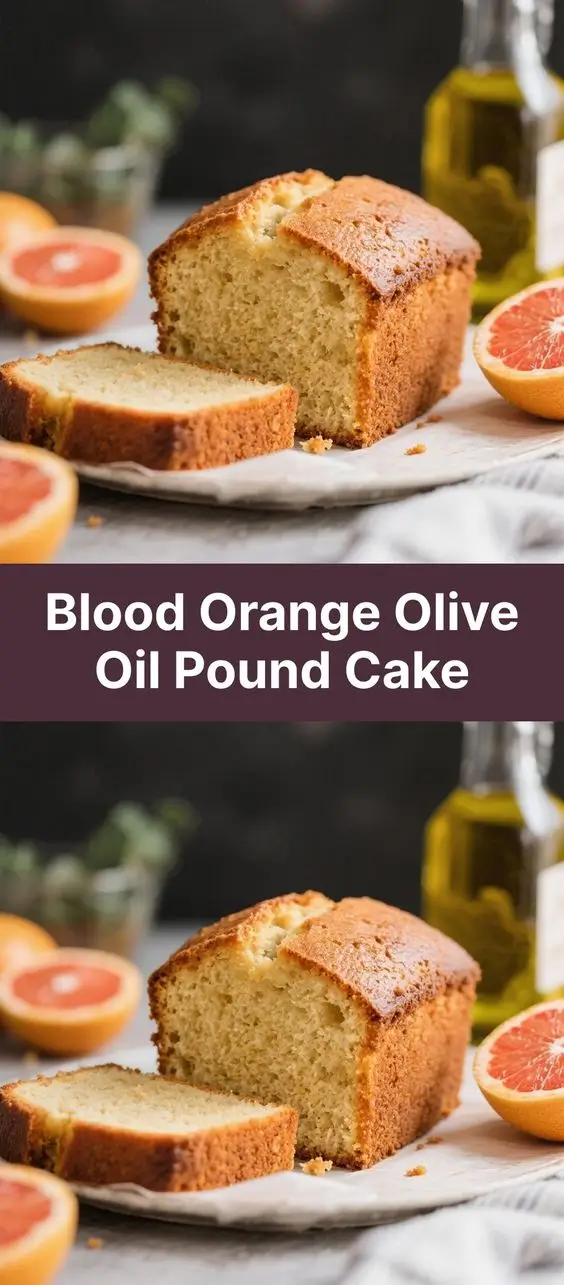
Blood Orange Olive Oil Pound Cake: A Citrus-Infused Delight with Mediterranean Flair
The History of the Blood Orange Olive Oil Pound Cake
The origins of pound cake date back to early 18th-century Northern Europe, where its name derived from the original recipe that called for a pound each of flour, sugar, butter, and eggs. This rich, dense cake became a staple in American and European baking traditions, evolving over centuries into countless variations. The modern twist—using olive oil instead of butter—can be traced to Mediterranean culinary practices, where extra virgin olive oil has long been cherished not just for cooking but also for baking. Countries like Italy and Spain have celebrated olive oil-based cakes for generations, particularly in regions such as Sicily and Andalusia, where citrus fruits flourish.
Blood oranges, specifically, are believed to have originated in southern Italy, possibly as a mutation of the common orange brought from Asia. Their deep crimson flesh and berry-like flavor make them a prized ingredient in both savory and sweet dishes. Combining blood orange zest and juice with high-quality olive oil creates a uniquely aromatic and moist cake that marries Italian zest with rustic charm. The Blood Orange Olive Oil Pound Cake is thus a celebration of heritage, seasonality, and health-conscious innovation—a contemporary homage to traditional recipes reimagined with vibrant citrus and heart-healthy fats.
Ingredients Breakdown: Why Each Component Matters
Every ingredient in this Blood Orange Olive Oil Pound Cake plays a crucial role in achieving the perfect balance of texture, moisture, and flavor. Let’s take a closer look at what goes into this exquisite dessert:
- All-Purpose Flour: Provides structure to the cake. It contains gluten-forming proteins that give the pound cake its classic tender-yet-dense crumb. For best results, sift the flour to avoid lumps and ensure even distribution.
- Granulated Sugar: Not only does it sweeten the cake, but it also helps aerate the batter when creamed with eggs, contributing to a lighter texture. It aids in browning the crust during baking.
- Eggs: Act as both a binder and leavening agent. When beaten well, eggs incorporate air into the batter, helping the cake rise. They also contribute richness and help emulsify the olive oil and other wet ingredients.
- Extra Virgin Olive Oil: Replaces traditional butter, lending a fruity, grassy depth and incredible moisture. Choose a high-quality, mild or medium-intensity olive oil—not overly peppery—to complement rather than overpower the citrus notes.
- Blood Orange Juice and Zest: The star of the show. Freshly squeezed juice adds tangy sweetness and natural acidity, while the finely grated zest delivers intense aromatic oils that elevate the entire flavor profile. Blood oranges contain anthocyanins—the pigments responsible for their red color—which also offer antioxidant benefits.
- Baking Powder: A small amount provides just enough lift to prevent the cake from being too heavy, ensuring a soft, springy interior without compromising the traditional density of a pound cake.
- Salt: Enhances all the flavors and balances the sweetness. Even a pinch makes a noticeable difference in overall taste complexity.
- Vanilla Extract: Adds warmth and depth, rounding out the bright citrus tones with a subtle background note of sweetness and floral aroma.
- Optional Glaze (Powdered Sugar + Blood Orange Juice): Adds a glossy finish, extra citrus punch, and visual appeal. It soaks slightly into the top layer, enhancing moisture and flavor.
Step-by-Step Recipe: Crafting the Perfect Blood Orange Olive Oil Pound Cake
Follow these detailed instructions to create a beautifully golden, fragrant, and moist Blood Orange Olive Oil Pound Cake that will impress guests and satisfy your sweet tooth with every slice.
- Preheat and Prepare: Preheat your oven to 350°F (175°C). Generously grease a standard 9×5-inch loaf pan with nonstick spray or softened butter, then line the bottom with parchment paper for easy removal.
- Mix Dry Ingredients: In a medium bowl, whisk together 2 cups (250g) all-purpose flour, 1½ teaspoons baking powder, and ¼ teaspoon fine sea salt. Set aside to ensure even distribution later.
- Whisk Wet Base: In a large mixing bowl, combine 4 large eggs and 1 cup (200g) granulated sugar. Using a hand mixer or stand mixer fitted with the paddle attachment, beat on medium-high speed for 4–5 minutes until pale, thick, and ribbons form when the beaters are lifted (this is called the ribbon stage).
- Incorporate Olive Oil: With the mixer running on low, slowly drizzle in ¾ cup (180ml) extra virgin olive oil. Mix until fully combined and emulsified—about 1 minute. Scrape down the sides of the bowl as needed.
- Add Citrus and Flavorings: Stir in ½ cup (120ml) freshly squeezed blood orange juice (from about 2–3 large blood oranges), 2 tablespoons finely grated blood orange zest, and 1 teaspoon pure vanilla extract. Mix until smooth and uniformly yellow-orange.
- Combine Wet and Dry: Gradually add the dry ingredients to the wet mixture in three parts, folding gently with a spatula or mixing on low speed after each addition. Do not overmix—stop once no streaks of flour remain. Overmixing can lead to a tough cake.
- Transfer to Pan: Pour the thick, velvety batter into the prepared loaf pan. Use an offset spatula to smooth the top evenly. Gently tap the pan on the counter twice to release any large air bubbles.
- Bake: Place the pan in the center of the preheated oven. Bake for 55 to 65 minutes, or until a wooden skewer inserted into the center comes out clean or with a few moist crumbs. The top should be golden brown and spring back lightly when touched.
- Cool Properly: Let the cake cool in the pan for 15 minutes. Then, using the parchment overhang, carefully lift it onto a wire rack to cool completely before glazing or slicing.
- Glaze (Optional but Recommended): Whisk together 1 cup (120g) powdered sugar and 2–3 tablespoons fresh blood orange juice until smooth. Drizzle over the cooled cake using a spoon or piping bag. Allow the glaze to set for 15–20 minutes before serving.
Tips for Success: Expert Baking Advice
- Use Room Temperature Eggs: Cold eggs don’t whip up as well and can cause the olive oil to seize or curdle the batter. Take them out an hour beforehand or place them in warm water for 10 minutes.
- Fresh Juice Only: Bottled juice lacks the brightness and essential oils found in freshly squeezed blood oranges. Always juice them right before baking.
- Zest Before Juicing: It’s much easier to grate the zest from a whole fruit than from a halved one. Use a microplane for fine, even shreds without bitter white pith.
- Don’t Overbake: Olive oil cakes stay moist longer, but overbaking can still dry them out. Start checking at 50 minutes. If the top browns too quickly, tent loosely with aluminum foil.
- Let It Rest: Like many dense cakes, this pound cake tastes even better the next day. The flavors meld, and the crumb becomes more tender. Store covered at room temperature and enjoy within 4 days.
- Choose the Right Olive Oil: Avoid robust, peppery oils. Opt for a buttery, fruity, or mild extra virgin olive oil—preferably labeled “fruity” or “delicate.” Some recommended varieties include Arbequina, Koroneiki, or a blended EVOO meant for finishing.
- Double the Recipe? You can bake two loaves or convert to a bundt pan (adjust baking time to 60–70 minutes). Just make sure the pan is well-greased and floured.
Variations and Customizations: Make It Your Own
This versatile recipe welcomes creativity! Here are some inspired ways to customize your Blood Orange Olive Oil Pound Cake:
- Lemon or Grapefruit Twist: Substitute part or all of the blood orange juice and zest with Meyer lemon, regular lemon, or pink grapefruit for different citrus profiles.
- Herbal Notes: Add 1 teaspoon of finely chopped fresh rosemary or thyme to the batter for an earthy, sophisticated edge that pairs beautifully with olive oil.
- Nutty Crunch: Fold in ½ cup toasted almonds, pistachios, or hazelnuts for added texture and nuttiness.
- Gluten-Free Version: Replace all-purpose flour with a high-quality gluten-free 1:1 baking blend (like Bob’s Red Mill or King Arthur). Add ¼ teaspoon xanthan gum if not already included.
- Dairy-Free/Fat-Variant Friendly: Already naturally dairy-free thanks to olive oil! Just ensure all other ingredients (like powdered sugar) are certified dairy-free if needed.
- Almond Flour Addition: Swap ¼ cup of all-purpose flour with almond flour for a richer, more delicate crumb and subtle marzipan-like flavor.
- Spiced Variation: Add ½ teaspoon ground cardamom or cinnamon for warmth, especially lovely in fall and winter months.
- Marbled Chocolate: Swirl in melted dark chocolate or add chocolate chips for a decadent twist.
- Soaked Cake Style: After baking, brush the warm cake with a simple syrup made from equal parts sugar and blood orange juice for ultimate moisture and shine.
- Cake Topper Ideas: Garnish with candied blood orange slices, edible flowers, crushed pistachios, or a dusting of turbinado sugar before baking.
Health Considerations and Nutritional Value
While still a dessert, this Blood Orange Olive Oil Pound Cake offers several nutritional advantages over traditional butter-based versions:
- Heart-Healthy Fats: Extra virgin olive oil is rich in monounsaturated fats and polyphenols, which support cardiovascular health, reduce inflammation, and may improve cholesterol levels.
- No Butter, No Problem: By replacing butter with olive oil, you eliminate trans fats and significantly reduce saturated fat content—making this a more heart-conscious choice.
- Antioxidant-Rich Citrus: Blood oranges contain higher levels of antioxidants like anthocyanins and vitamin C compared to regular oranges. These compounds fight oxidative stress and boost immune function.
- Lower Cholesterol Impact: Though eggs do contain cholesterol, current research suggests dietary cholesterol has less impact on blood cholesterol than previously thought—especially when consumed as part of a balanced diet rich in fiber and healthy fats.
- Portion Control is Key: Like all desserts, moderation matters. One generous slice (1/10th of the loaf) contains approximately 300–350 calories, depending on glaze and exact ingredients used.
- Nutrition Estimate (Per Slice, 1 of 10):
- Calories: ~320
- Total Fat: 16g (mostly unsaturated)
- Saturated Fat: 3.5g
- Cholesterol: 85mg
- Carbohydrates: 40g
- Sugars: 28g (natural and added)
- Protein: 5g
- Fiber: 1g
- Vitamin C: 15% DV
- Iron: 6% DV
- For Diabetics: This cake is moderately high in sugar. Consider reducing sugar by ¼ cup and adding a touch more fruit puree or using a monk fruit-sugar blend. Monitor blood glucose accordingly.
- Keto-Friendly? Not inherently, due to high carbohydrate content. However, a keto version could be attempted using almond flour, erythritol, and egg whites—but would deviate significantly from the original.
Ingredients
- 2 cups (250g) all-purpose flour
- 1½ teaspoons baking powder
- ¼ teaspoon fine sea salt
- 4 large eggs, room temperature
- 1 cup (200g) granulated sugar
- ¾ cup (180ml) extra virgin olive oil (mild or fruity variety)
- ½ cup (120ml) freshly squeezed blood orange juice (about 2–3 large oranges)
- 2 tablespoons finely grated blood orange zest
- 1 teaspoon pure vanilla extract
- For the Glaze:
- 1 cup (120g) powdered sugar
- 2–3 tablespoons fresh blood orange juice
Directions
- Preheat oven to 350°F (175°C). Grease a 9×5-inch loaf pan and line the bottom with parchment paper.
- In a medium bowl, whisk together flour, baking powder, and salt. Set aside.
- In a large bowl, beat eggs and granulated sugar with a mixer for 4–5 minutes until thick, pale, and forming ribbons.
- With mixer on low, slowly drizzle in olive oil until fully incorporated.
- Add blood orange juice, zest, and vanilla. Mix until smooth.
- Gradually fold in dry ingredients in three additions, mixing just until combined. Do not overmix.
- Pour batter into prepared loaf pan and smooth the top.
- Bake for 55–65 minutes, or until a skewer comes out clean and the top springs back.
- Cool in pan for 15 minutes, then transfer to a wire rack to cool completely.
- Prepare glaze by whisking powdered sugar and blood orange juice. Drizzle over cooled cake.
- Allow glaze to set, then slice and serve.
FAQ
Can I use regular oranges instead of blood oranges?
Yes, though you’ll miss the deep red hue and slightly berry-like flavor. Regular navel or Valencia oranges work fine, but blood oranges provide a unique tartness and visual drama.
Can I freeze this pound cake?
Absolutely. Wrap the unglazed cake tightly in plastic wrap and place in a freezer-safe bag. Freeze for up to 3 months. Thaw overnight in the refrigerator and bring to room temperature before glazing and serving.
Why did my cake sink in the middle?
Possible reasons include underbaking, too much liquid, opening the oven too early, or overmixing the batter. Ensure your baking powder is fresh and avoid sudden temperature changes.
Can I make this in a bundt pan?
Yes! Use a 10-cup capacity bundt pan, grease thoroughly, and bake for 60–70 minutes. Adjust time based on your oven and check with a skewer.
Is the olive oil taste strong?
Not if you use a mild or fruity olive oil. The blood orange dominates the flavor, with the olive oil adding a subtle richness and moistness rather than a pronounced taste.
Can I omit the glaze?
Of course. The cake is delicious plain, though the glaze enhances both flavor and presentation. For a simpler finish, dust with powdered sugar.
How long does it keep?
Store in an airtight container at room temperature for up to 4 days. It stays remarkably moist thanks to the olive oil. Refrigeration is not necessary but can extend freshness by a few more days.
Can I use bottled blood orange juice?
Freshly squeezed is strongly recommended. Bottled juice often contains preservatives and lacks the vibrant flavor and natural oils needed for optimal taste and aroma.
Summary
The Blood Orange Olive Oil Pound Cake is a luxurious yet wholesome dessert that blends Mediterranean tradition with bold citrus flair, resulting in a moist, fragrant loaf bursting with ruby-red fruit essence.
Perfect for brunches, gifting, or afternoon tea, this cake proves that indulgence and nutrition can coexist beautifully in one stunning slice.