Introduction
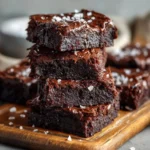
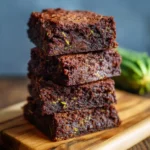
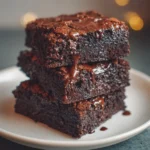
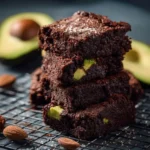
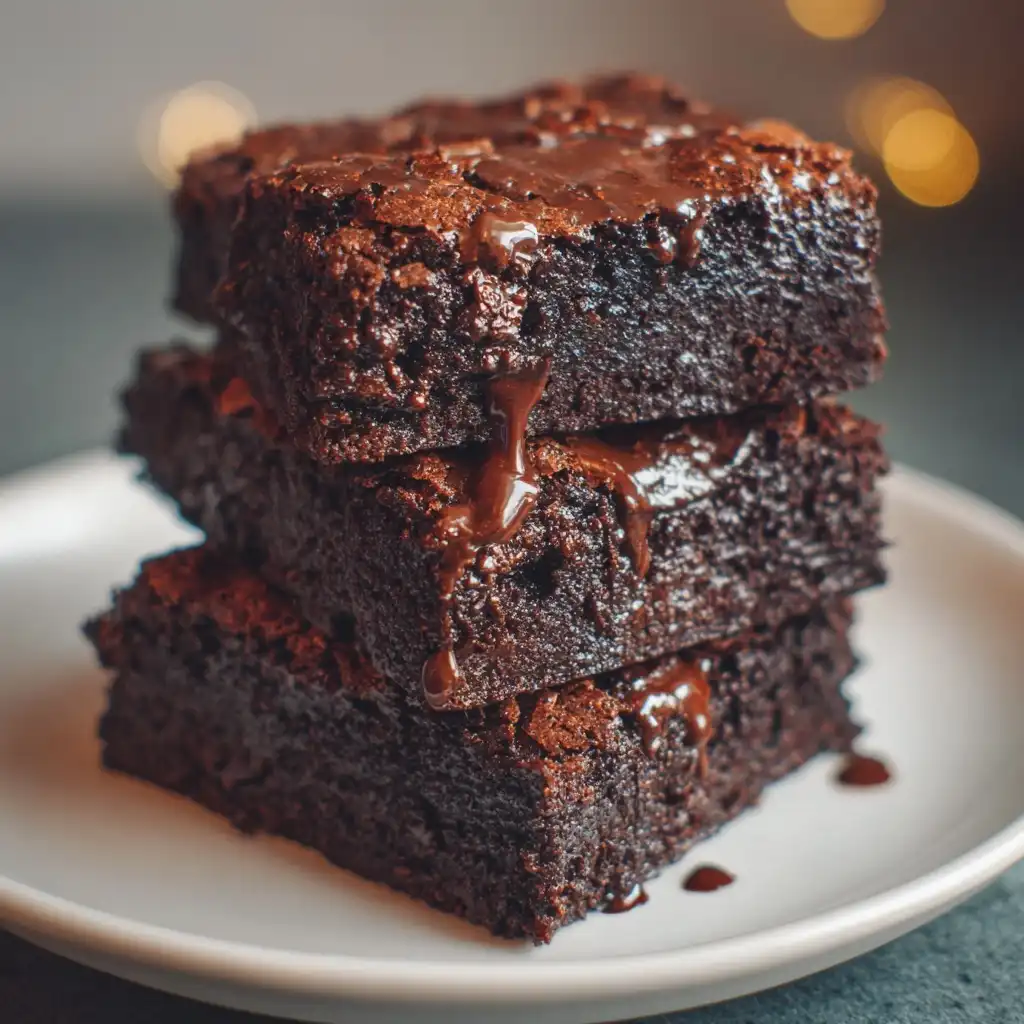
Black Bean Brownies are a revolutionary twist on the classic indulgent dessert—melding rich, fudgy decadence with unexpected nutritional depth. Far from a gimmicky health hack, this innovative treat proves that plant-based, gluten-free, and nutrient-dense ingredients can coexist seamlessly with deep chocolate flavor and satisfyingly dense texture. Born from the culinary convergence of clean-eating movements and dessert innovation, black bean brownies have evolved from niche pantry experiments into beloved staples in kitchens across North America, Europe, and beyond. Whether you’re catering to dietary restrictions, seeking to boost fiber and protein intake without sacrificing pleasure, or simply curious about legume-based baking, these brownies offer a compelling, versatile, and deeply satisfying answer.
The History
The origins of black bean brownies trace back to the late 1980s and early 1990s, emerging alongside the rise of vegetarianism, macrobiotic diets, and early food allergy awareness. Pioneering health-conscious chefs and home bakers began experimenting with legumes as egg and flour replacers—black beans, in particular, stood out for their neutral earthy undertone, creamy puree consistency when blended, and structural integrity when baked. Early iterations appeared in publications like Natural Health Magazine and cookbooks such as The Joy of Soy (1992) and Vegetarian Times Cookbook (1995), where they were often labeled “fudgy bean bars” or “chocolate bean squares.” The 2000s saw wider adoption through vegan blogs and gluten-free advocacy circles, especially after studies confirmed black beans’ high resistant starch content and low glycemic impact—making them ideal for blood-sugar-conscious baking. By the mid-2010s, celebrity nutritionists like Ellie Krieger and culinary scientists at institutions like the Culinary Institute of America began validating the technique, citing improved moisture retention and reduced need for added fats. Today, black bean brownies appear in Whole Foods bakery sections, gourmet meal-kit services, and even Michelin-starred pastry labs exploring legume fermentation and textural enhancement—marking their full transition from alternative curiosity to mainstream, science-backed dessert artistry.
Ingredients Breakdown
Every ingredient in black bean brownies plays a precise functional and sensory role—far beyond mere substitution. Let’s explore each in detail:
- Black Beans (canned, low-sodium, rinsed & drained): The foundational ingredient—providing natural creaminess, binding power, and structural density. Their high soluble fiber (particularly pectin and mucilage) mimics the viscosity of eggs, while their starch granules gelatinize during baking to lock in moisture. Opt for organic, BPA-free canned beans or home-cooked (soaked 8–12 hours, boiled until tender but not mushy) for optimal control over sodium and texture.
- Unsweetened Cocoa Powder (Dutch-process preferred): Delivers intense chocolate depth and acidity balance. Dutch-process cocoa is alkalized, yielding smoother, less bitter notes and superior solubility—critical for avoiding graininess when blended with viscous bean purée. Natural cocoa works but may require slight acid adjustment (e.g., ¼ tsp vinegar) to activate leavening.
- Maple Syrup or Raw Honey (or date paste for vegan): Acts as both sweetener and humectant—drawing and retaining moisture for fudgy texture. Maple syrup contributes subtle caramel-vanilla complexity and contains trace minerals (zinc, manganese); raw honey adds enzymatic activity that enhances shelf-life and flavor development. For strict vegans, date paste (soaked Medjool dates blended with warm water) offers fiber-rich sweetness and natural pectin.
- Coconut Oil (unrefined or refined): Provides essential fat for mouthfeel, sheen, and chocolate bloom prevention. Unrefined imparts mild tropical aroma; refined is truly neutral. Melted and slightly cooled before mixing prevents cooking the bean purée or seizing cocoa. Butter or ghee may be substituted—but reduces dairy-free integrity and alters crystallization behavior.
- Vanilla Extract (alcohol-based, pure): Not optional—vanilla’s phenolic compounds (vanillin, guaiacol) bind with cocoa polyphenols to round out bitterness and amplify aromatic perception. Madagascar bourbon vanilla yields the most nuanced profile.
- Baking Powder (aluminum-free): A small, precise amount (⅛–¼ tsp) provides gentle lift without compromising density. Too much causes tunneling or collapse; too little yields leaden texture. Aluminum-free ensures cleaner flavor and avoids metallic aftertaste.
- Sea Salt (fine-grain, uniodized): Enhances all other flavors via sodium ion modulation of taste receptors—especially critical for balancing cocoa’s inherent bitterness and sweetness perception. A pinch elevates complexity more than any single premium chocolate addition.
- Optional Add-ins: Toasted walnuts (omega-3s + crunch contrast), cacao nibs (antioxidant burst + textural pop), espresso powder (deepens chocolate without bitterness), flaxseed meal (for extra binding + lignans), or orange zest (bright citrus top-note that cuts richness).
Step-by-Step Recipe
- Prep Phase (15 minutes): Preheat oven to 350°F (175°C). Line an 8×8-inch metal baking pan with parchment paper, leaving 2-inch overhangs on two opposite sides for easy lifting. Rinse and drain 1½ cups (about 1 can) of black beans thoroughly—residual brine interferes with emulsification. Pat dry gently with clean towel to remove surface moisture.
- Purée Foundation (5 minutes): In a high-speed blender or food processor, combine rinsed beans, ⅓ cup maple syrup, ⅓ cup melted coconut oil, 1 tsp pure vanilla extract, and ¼ tsp fine sea salt. Blend on high for 90–120 seconds—scraping down sides once—until completely smooth, glossy, and velvety (no specks or graininess). This step is non-negotiable: under-blended purée yields gritty, separated brownies.
- Dry Integration (3 minutes): In a separate bowl, whisk together ⅔ cup Dutch-process cocoa powder, ¼ tsp aluminum-free baking powder, and ⅛ tsp additional sea salt. Sift this mixture directly into the bean purée. Using a flexible silicone spatula, fold gently but thoroughly for 60 seconds—just until no dry streaks remain. Overmixing develops bean proteins excessively, leading to rubberiness.
- Texture & Flavor Enrichment (2 minutes): Fold in ½ cup toasted walnut pieces (cooled), 2 tbsp cacao nibs, and 1 tsp finely grated orange zest (if using). For espresso variation, dissolve 1 tsp instant espresso powder in 1 tsp hot water first, then stir into purée before dry ingredients.
- Pan Transfer & Smoothing (1 minute): Pour batter into prepared pan. Use an offset spatula dipped in hot water to spread evenly. Tap pan sharply 4 times on counter to release air bubbles and settle batter. Smooth surface with wet spatula for professional sheen.
- Baking Protocol (28–32 minutes): Bake on center rack. Rotate pan 180° at 18 minutes for even browning. Brownies are done when edges are set and slightly pulled away from pan, top forms a thin, crackled crust, and a toothpick inserted 1 inch from edge comes out with moist crumbs (not wet batter). Crucially: Do NOT overbake—carryover heat continues cooking during cooling. Underbaked centers yield supreme fudginess; overbaked results in crumbly dryness.
- Cooling & Setting (Minimum 2 hours, ideally overnight): Cool in pan on wire rack for 45 minutes. Then lift parchment overhangs to transfer entire slab to rack. Cool completely (1.5 hours minimum) before slicing. For ultimate texture, refrigerate uncovered 8–12 hours—this allows starch retrogradation and fat crystallization to fully develop dense, sliceable fudginess. Slice with a hot, thin-bladed knife wiped between cuts.
Tips
- Bean Quality is Paramount: Never use beans cooked with garlic, onion, or spices—they impart off-flavors. Canned beans should list only “black beans, water, salt” (or no salt). If using home-cooked, cool completely and chill 1 hour before blending—cold beans emulsify better with fats.
- Blender vs. Food Processor: High-speed blenders (Vitamix, Blendtec) produce silkier purée due to vortex action and blade speed. Food processors work but require longer blending and more scraping. Immersion blenders lack torque for thick purées and risk splattering.
- Altitude Adjustments: Above 3,000 ft: reduce cocoa by 1 tbsp, increase baking powder to ⅓ tsp, and bake at 360°F for 26–28 minutes. Lower air pressure accelerates starch gelatinization and drying.
- Moisture Control Mastery: If batter seems too thick (common in dry climates or with older beans), add warm water ½ tsp at a time. Too thin? Chill purée 15 minutes before adding dry ingredients—cold thickens viscosity.
- Flavor Layering Technique: Bloom cocoa in warm coconut oil (melt oil, whisk in cocoa off-heat for 1 minute) before adding to beans—enhances chocolate solubility and aroma release.
- Slicing Science: For clean, sharp edges: chill fully, use knife warmed under hot tap water and dried, apply gentle downward pressure (no sawing), and wipe blade after every cut. A bench scraper yields perfect rectangles.
- Storage Wisdom: Store airtight at room temp up to 3 days, refrigerated up to 10 days, or frozen up to 3 months. Thaw frozen brownies in fridge overnight—never microwave, which causes uneven melting and greasiness.
Variations and Customizations
The black bean brownie canvas is extraordinarily adaptable—supporting countless dietary frameworks and creative interpretations:
- Vegan Protein Power-Up: Add 2 scoops (40g) unflavored pea protein isolate or brown rice protein. Increase maple syrup by 1 tbsp and baking powder by ⅛ tsp to offset dryness and aid rise.
- Gluten-Free Grain-Free: Replace cocoa with ⅓ cup carob powder + 1 tbsp mesquite powder for prebiotic fiber and smoky-sweet nuance. Add 1 tbsp tigernut flour for subtle nuttiness and binding.
- Low-Sugar/Keto Adaptation: Substitute maple syrup with ⅓ cup powdered erythritol + 2 tbsp MCT oil. Add 1 tsp stevia glycerite for sweetness synergy. Include 1 tbsp psyllium husk powder to replace lost fiber-binding capacity.
- Superfood Infusion: Blend in 1 tbsp camu camu powder (vitamin C), 1 tsp spirulina (for vibrant green-brown hue and phytonutrients), and 1 tbsp ground chia seeds (omega-3 + gel-forming fiber).
- Spiced Mole-Inspired: Add ½ tsp ancho chili powder, ¼ tsp cinnamon, 1 pinch clove, and 1 tsp orange juice concentrate. Top with crumbled pepitas and dark chocolate drizzle.
- Decadent Ganache Swirl: After spreading batter, dollop ¼ cup warm dark chocolate ganache (50/50 dark chocolate + heavy cream) and swirl gently with a chopstick—not over-swirled, or it sinks.
- Breakfast Brownie Bars: Reduce cocoa to ⅓ cup, add ½ cup rolled oats (gluten-free if needed), 1 mashed ripe banana, and 1 tsp ground flax. Bake 30–33 minutes for chewier, energy-bar texture.
- Mini-Muffin Version: Fill lined muffin tin ¾ full. Bake 18–21 minutes. Yields 16–18 portion-controlled treats—ideal for lunchboxes or portion management.
Health Considerations and Nutritional Value
A standard 2×2-inch black bean brownie (based on the core recipe) delivers approximately 145 kcal, with a uniquely balanced macronutrient and phytonutrient profile:
- Protein (4.2g per serving): Complete amino acid support enhanced by combining black beans (lysine-rich) with nuts/seeds (methionine-rich). Supports muscle maintenance, satiety signaling, and blood sugar stabilization—unlike traditional brownies (<1g protein).
- Fiber (5.8g—23% DV): Primarily soluble fiber (2.9g), proven to lower LDL cholesterol, feed beneficial gut microbiota (Bifidobacteria, Akkermansia), and slow glucose absorption—resulting in significantly lower glycemic load (~12 vs. ~35 for conventional brownies).
- Antioxidants & Polyphenols: Black beans contain anthocyanins (delphinidin, cyanidin) concentrated in seed coat—potent anti-inflammatory agents. Cocoa adds epicatechin and procyanidins linked to improved endothelial function and cognitive protection. Combined, they create synergistic antioxidant capacity exceeding blueberries per gram.
- Mineral Density: Rich in non-heme iron (1.8mg—10% DV), magnesium (42mg—10% DV), potassium (220mg—6% DV), and zinc (0.9mg—8% DV)—all critical for metabolic enzymes, nerve conduction, and immune resilience.
- Healthy Fats: Coconut oil contributes medium-chain triglycerides (MCTs), rapidly metabolized for clean energy without spiking insulin. When paired with cocoa butter solids, it forms stable fat crystals that resist oxidation better than soybean or palm oils.
- Dietary Inclusion Notes: Naturally gluten-free, soy-free, and nut-free (omit walnuts for strict nut allergy). Easily adapted for vegan, diabetic-friendly (low-glycemic sweeteners), and renal diets (low-phosphorus via rinsing beans thoroughly). Contraindications: Individuals with FODMAP sensitivity may experience bloating—soaking and triple-rinsing beans reduces oligosaccharides by >70%.
Ingredients
- 1½ cups (about 1 can) low-sodium black beans, rinsed, drained, and patted dry
- ⅓ cup pure maple syrup (or raw honey)
- ⅓ cup virgin or refined coconut oil, melted and slightly cooled
- 1 teaspoon pure vanilla extract
- ¼ teaspoon fine sea salt
- ⅔ cup Dutch-process unsweetened cocoa powder
- ¼ teaspoon aluminum-free baking powder
- ⅛ teaspoon additional fine sea salt (for dry mix)
- ½ cup raw walnuts, toasted and roughly chopped
- 2 tablespoons cacao nibs
- 1 teaspoon finely grated orange zest (optional)
Directions
- Preheat oven to 350°F (175°C). Line an 8×8-inch metal baking pan with parchment paper, ensuring overhangs on two sides.
- In a high-speed blender, combine black beans, maple syrup, melted coconut oil, vanilla extract, and ¼ tsp sea salt. Blend on high for 2 minutes, stopping to scrape sides once, until ultra-smooth and glossy.
- In a small bowl, whisk together cocoa powder, baking powder, and ⅛ tsp sea salt. Sift directly into the bean mixture.
- Fold dry ingredients into wet with a silicone spatula for 60 seconds until fully incorporated and no streaks remain.
- Gently fold in toasted walnuts, cacao nibs, and orange zest (if using).
- Transfer batter to prepared pan. Use a wet offset spatula to spread evenly. Tap pan firmly 4 times on countertop.
- Bake for 28–32 minutes—until edges are set, top is crackled, and a toothpick 1 inch from edge shows moist crumbs.
- Cool in pan on wire rack for 45 minutes. Lift out using parchment. Cool completely (1.5+ hours), then refrigerate uncovered for optimal texture (8–12 hours recommended).
- Using a hot, thin knife, slice into 16 squares. Wipe knife between cuts for clean edges.
FAQ
- Can I use other beans?
- Yes—but with caveats. Pinto beans yield milder flavor but less structure; navy beans offer creaminess but muted color. Chickpeas introduce a distinct savory note and require lemon juice to neutralize. Avoid kidney or lima beans—their lectins and strong flavors don’t translate well to dessert.
- Why do my brownies taste “beany”?
- This signals under-blending, using beans with residual brine, or insufficient flavor layering. Ensure 2+ minutes of high-speed blending, triple-rinse beans, and always include espresso powder, orange zest, or sea salt to mask leguminous notes.
- Can I make these nut-free?
- Absolutely. Omit walnuts and replace with sunflower seeds, pumpkin seeds, or omit entirely. For crunch, add 3 tbsp toasted quinoa flakes.
- Are these safe for kids?
- Yes—and pediatric nutritionists often recommend them! High fiber supports digestive health; iron aids cognitive development; antioxidants protect developing tissues. Just ensure age-appropriate portion sizes (1×1-inch for toddlers).
- Why did my brownies sink in the center?
- Most commonly: under-baking (center collapses as it cools), overmixing (develops bean protein network too much), or expired baking powder (fails to provide lift). Always test with toothpick method and verify leavener freshness.
- Can I double the recipe?
- Yes—but bake in two separate 8×8 pans, not one 9×13. Doubling volume in one pan creates uneven heat penetration, leading to undercooked centers and overdone edges. For 9×13, increase all ingredients by 1.5× and bake 32–36 minutes.
- Do they freeze well?
- Exceptionally well. Wrap individual squares tightly in parchment, then place in freezer bag. Freeze up to 3 months. Thaw in fridge overnight or at room temp 20 minutes—texture remains indistinguishable from fresh.
- What’s the shelf life?
- Room temperature: 3 days in airtight container. Refrigerator: 10 days. Freezer: 3 months. Refrigeration actually improves texture by allowing starch realignment—don’t skip it!
Summary
Black Bean Brownies represent the pinnacle of functional dessert innovation—transforming humble pantry staples into luxuriously fudgy, nutrient-dense masterpieces that satisfy cravings while actively supporting metabolic health, gut ecology, and sustained energy.
With meticulous attention to bean preparation, precise blending science, and intelligent flavor layering, these brownies defy compromise: they’re simultaneously decadent and restorative, inclusive and extraordinary, simple to prepare and endlessly customizable.