Biscoff Lava Cakes: A Decadent Delight with a Melting Surprise
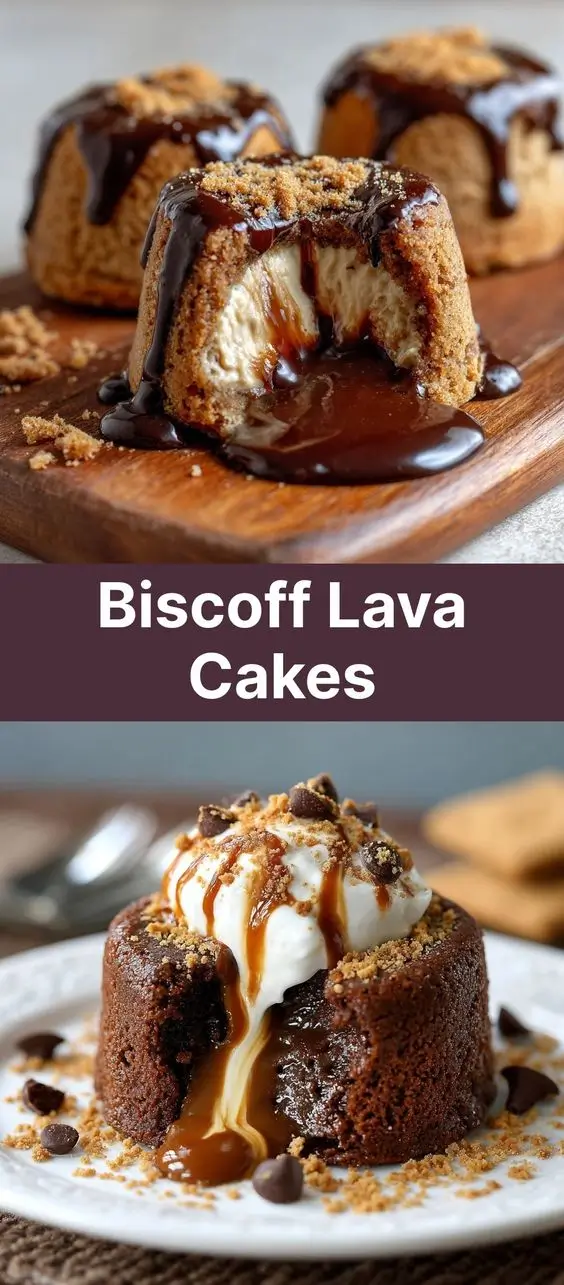
Indulge in the warm, gooey, and irresistibly rich experience of Biscoff Lava Cakes—a luxurious dessert that combines the beloved spiced flavor of Biscoff spread with the elegant texture of molten chocolate cakes. With their crisp outer layer giving way to a lava-like center that oozes with creamy Biscoff goodness, these individual-sized treats are perfect for dinner parties, romantic evenings, or as a special treat after a long day. Simple to make yet sophisticated in presentation, Biscoff Lava Cakes elevate any occasion with minimal effort and maximum impact.
The History of the Lava Cake and the Rise of Biscoff
The molten lava cake, also known as “chocolate fondant” or “chocolate coulant,” traces its origins back to the 1980s in French cuisine. Chef Jean-Georges Vongerichten is often credited with accidentally creating the dessert when he underbaked a chocolate sponge cake, discovering that the slightly raw center created a rich, flowing core that captivated diners. The dessert quickly gained fame across fine dining restaurants worldwide for its dramatic presentation and decadent taste.
Fast forward to the 21st century, and the classic chocolate version has evolved with countless variations—white chocolate, raspberry, salted caramel, and more. Enter Biscoff (short for Speculoos biscuit cookie), a spiced cookie spread made from caramelized biscuits that originated in Belgium. Originally served on airplanes by Belgian airline Sabena, Biscoff spread became a global sensation due to its unique blend of cinnamon, nutmeg, ginger, and brown sugar notes. Its popularity led to a surge in creative culinary uses, including pairing it with cheesecakes, cookies, ice cream—and now, molten lava cakes.
The fusion of Biscoff spread with the molten cake concept brings together European elegance and modern dessert trends. This hybrid dessert not only satisfies chocolate lovers but also appeals to those who crave warm, spiced flavors reminiscent of holiday baking. Biscoff Lava Cakes represent a delightful marriage of innovation and tradition, making them a standout in the world of gourmet desserts.
Ingredients Breakdown: What Makes Biscoff Lava Cakes So Irresistible?
To truly appreciate the magic of Biscoff Lava Cakes, let’s break down each ingredient and understand how they contribute to the final masterpiece:
- Unsalted Butter (½ cup / 115g): Provides richness and moisture while helping create the tender crumb structure. Using unsalted butter allows better control over the overall salt content.
- Biscoff Spread (¾ cup / 210g): The star ingredient! This smooth, caramelized cookie butter delivers deep, warm spices and a velvety texture that melts into a molten core during baking.
- Granulated Sugar (⅓ cup / 65g): Adds sweetness without overpowering the spiced notes of Biscoff. It also helps with browning and slight crispness on the cake’s surface.
- Large Eggs (2): Bind the ingredients together and provide structure through protein coagulation during baking. They also help create a light, airy texture around the molten center.
- Egg Yolks (2): Extra yolks enhance richness and contribute to a denser, custard-like consistency—perfect for supporting the flowing center.
- All-Purpose Flour (¼ cup / 30g): Just enough flour gives the cake a delicate structure without turning it into a muffin. Too much flour would prevent the signature lava flow.
- Salt (a pinch): Enhances all other flavors and balances the sweetness.
- Dark Chocolate (2 oz / 60g), chopped (optional): For an even deeper flavor profile, some recipes incorporate dark chocolate along with Biscoff. This adds complexity and mimics traditional chocolate lava cakes.
- Mini Biscoff Cookies or Crushed Biscuits (for garnish): Adds crunch and visual appeal when sprinkled on top before serving.
- Powdered Sugar (for dusting): Gives a professional finish and contrasts beautifully with the warm cake.
- Vanilla Ice Cream or Whipped Cream (serving suggestion): The cold creaminess perfectly complements the hot, spiced interior.
Each component plays a crucial role in achieving the ideal balance between structure and fluidity. The result? A cake that holds its shape just long enough to be unmolded, then collapses gracefully at the first spoonful to reveal its molten heart.
Step-by-Step Recipe: How to Make Perfect Biscoff Lava Cakes
Follow this detailed guide to bake restaurant-quality Biscoff Lava Cakes right in your kitchen. Precision is key—especially with timing—but the process is surprisingly simple.
Preparation Time:
15 minutes | Baking Time: 12–14 minutes | Servings: 4
Ingredients:
- ½ cup (115g) unsalted butter, plus extra for greasing
- ¾ cup (210g) Biscoff spread (smooth)
- ⅓ cup (65g) granulated sugar
- 2 large eggs
- 2 large egg yolks
- ¼ cup (30g) all-purpose flour
- Pinch of salt
- Optional: 2 oz (60g) dark chocolate, melted
- Crushed Biscoff cookies, powdered sugar, and vanilla ice cream for serving
Directions:
- Preheat the Oven: Set your oven to 425°F (220°C). Position the rack in the center for even heat distribution.
- Prepare the Ramekins: Generously butter four 6-ounce ramekins. You can use non-stick spray, but real butter ensures better release and browning. Dust the insides with cocoa powder or finely crushed Biscoff cookies to prevent sticking and add flavor. Place them on a sturdy baking sheet for easy transfer in and out of the oven.
- Melt Butter and Biscoff: In a microwave-safe bowl or over a double boiler, melt the butter and Biscoff spread together until smooth and fully combined. Stir gently to avoid incorporating air. If using dark chocolate, add it now and stir until completely melted and incorporated. Let cool slightly.
- Whisk Eggs and Sugar: In a separate bowl, whisk the eggs, egg yolks, and granulated sugar vigorously for about 2–3 minutes until pale, thickened, and slightly foamy. This step is essential for creating a light texture around the dense center.
- Combine Wet Ingredients: Slowly pour the warm Biscoff mixture into the egg mixture while continuously whisking. This tempers the eggs and prevents scrambling. Add a pinch of salt and mix well.
- Incorporate Flour: Sift in the flour and fold gently using a spatula until just combined. Do not overmix—this keeps the batter tender and prevents gluten development, which could make the cakes tough.
- Fill the Ramekins: Divide the batter evenly among the prepared ramekins, filling them almost to the top. For an extra surprise, you can place a small spoonful (about 1 tsp) of additional Biscoff spread in the center of each ramekin before adding most of the batter—this guarantees a guaranteed lava burst.
- Bake Immediately: Place the baking sheet with ramekins into the preheated oven. Bake for 12 to 14 minutes. The edges should be set and slightly puffed, while the center remains soft and jiggly. Do not overbake, or the molten center will solidify.
- Cool Briefly: Remove from the oven and let the cakes sit for exactly 1 minute. Any longer, and they may stick; any shorter, and they might collapse too soon.
- Unmold and Serve: Run a thin knife around the edge of each cake to loosen. Place a dessert plate upside-down over the ramekin, then carefully flip both over together. Lift the ramekin off. Dust with powdered sugar, sprinkle with crushed Biscoff cookies, and serve immediately with a scoop of vanilla ice cream or a dollop of whipped cream.
Note: These cakes are best enjoyed fresh out of the oven. Reheating alters the texture and eliminates the signature lava effect.
Expert Tips for Flawless Biscoff Lava Cakes
Even experienced bakers can encounter pitfalls with molten cakes. Here are tried-and-true tips to ensure success every time:
- Use Room Temperature Eggs: Cold eggs can cause the melted butter-Biscoff mixture to seize. Let them sit out for 20–30 minutes before starting.
- Don’t Skip the Egg Yolks: Extra yolks increase fat content, enhancing creaminess and improving the flow of the center.
- Measure Biscoff Accurately: Use a rubber spatula to scrape every bit from the measuring cup. Under-measuring reduces the intensity of flavor and liquidity of the center.
- Chill the Ramekins (Optional Trick): After greasing and dusting, refrigerate the ramekins for 10 minutes. When hot batter hits a chilled ramekin, it creates a slight temperature gradient that can help form a firmer outer shell.
- Bake One Batch at a Time: If your oven runs hot or cold in spots, rotate the baking sheet halfway through. For precision, consider using an oven thermometer.
- Test Bake One Cake First: If trying this recipe for the first time, bake one cake to test timing based on your oven. Adjust accordingly before committing all four ramekins.
- Serve Immediately: The moment you unmold is the peak moment for the lava flow. Delaying plating results in absorbed sauce and less drama.
- Double the Batch? Freeze Unbaked: Prepare the batter, fill ramekins, cover tightly with plastic wrap, and freeze for up to 3 weeks. Bake straight from frozen—add 2–3 minutes to baking time.
Variations and Customizations
While classic Biscoff Lava Cakes are heavenly on their own, feel free to get creative. Here are some inspired twists:
- Biscoff & White Chocolate Swirl: Replace half the Biscoff with melted white chocolate for a sweeter, milder contrast. Swirl the two together before baking.
- Spice Boost: Add a pinch of ground cinnamon, nutmeg, or cardamom to the batter to amplify the warm spice character of Biscoff.
- Nutty Crunch: Fold in 2 tablespoons of finely chopped toasted pecans or walnuts for added texture.
- Alcohol Infusion: Stir 1 tablespoon of rum, bourbon, or Kahlúa into the batter for an adult twist. The alcohol evaporates slightly but leaves behind aromatic depth.
- Dairy-Free Option: Use plant-based butter and dairy-free Biscoff alternative (available in many supermarkets) for a vegan-friendly version. Substitute flax eggs if needed, though texture may vary.
- Gluten-Free Version: Swap all-purpose flour with a 1:1 gluten-free baking blend. Ensure it contains xanthan gum for proper binding.
- Filled Centers: Insert a cube of cold Biscoff-spiked ganache or a mini Biscoff cookie ball into the center before baking for an intensified burst.
- Salted Caramel Core: Drizzle a teaspoon of salted caramel sauce into the center of each ramekin before adding the batter. Creates a dual-lava effect with sweet-salty contrast.
- Mocha Biscoff Fusion: Dissolve 1 teaspoon of instant espresso powder into the melted butter-Biscoff mixture for a coffee-kissed variation.
- Mini Muffin Tin Version: Make bite-sized versions using a silicone mini muffin tin (bake for 8–10 minutes). Ideal for cocktail parties or tasting menus.
Health Considerations and Nutritional Value
Biscoff Lava Cakes are undeniably indulgent. While they shouldn’t be considered a health food, understanding their nutritional makeup helps with mindful enjoyment.
Nutritional Breakdown (Per Serving – Approximate):
| Nutrient | Amount |
|---|---|
| Calories | 480–520 kcal |
| Total Fat | 34g |
| Saturated Fat | 18g |
| Cholesterol | 185mg |
| Sodium | 150mg |
| Total Carbohydrates | 42g |
| Sugars | 29g |
| Protein | 6g |
Key Notes:
- High in Saturated Fat: Due to butter, eggs, and Biscoff spread. Moderation is advised, especially for individuals monitoring heart health.
- Sugar Content: Contains significant added sugars. Diabetics should consume sparingly or explore low-sugar alternatives like monk fruit-sweetened Biscoff substitutes (if available).
- Gluten and Dairy: Contains wheat and dairy. Not suitable for those with celiac disease or severe lactose intolerance unless modified.
- Energy-Dense: High-calorie density makes it ideal as an occasional treat rather than a daily dessert.
For lighter options, consider reducing sugar by 25% (though this affects texture), using applesauce to replace part of the butter (not recommended for lava integrity), or serving smaller portions with fresh berries to balance sweetness.
Frequently Asked Questions (FAQ)
Q: Can I make Biscoff Lava Cakes ahead of time?
A: Yes! Assemble the batter-filled ramekins, cover with plastic wrap, and refrigerate for up to 24 hours. Bake straight from the fridge—add 1–2 minutes to baking time. Alternatively, freeze for up to 3 weeks and bake from frozen.
Q: Why didn’t my center ooze?
A: Overbaking is the most common culprit. Even 60 seconds too long can turn the center fudgy instead of liquid. Use a timer and watch closely. Also, ensure your oven temperature is accurate with an oven thermometer.
Q: Can I use crunchy Biscoff spread?
A: Absolutely! Crunchy Biscoff adds delightful texture. However, sift the flour more carefully to avoid lumps, and blend the spread briefly in a food processor if needed for smoother integration.
Q: Is there a substitute for Biscoff?
A: While nothing replicates the exact flavor, you can try a homemade speculoos-style paste by blending crushed cinnamon graham crackers with butter and brown sugar. Or use peanut butter for a different twist, though the flavor profile changes significantly.
Q: Can I bake these in a mug?
A: Yes, single-serving mugs work in a pinch. Use oven-safe ceramic mugs, grease well, and bake for 13–15 minutes. Be cautious when handling hot mugs.
Q: Are Biscoff Lava Cakes safe to eat with raw eggs?
A: The eggs cook partially—the exterior sets while the center remains soft. If concerned about salmonella, use pasteurized eggs or heat-treat the sugar-egg mixture over a double boiler until it reaches 160°F (71°C).
Q: Can I double the recipe?
A: Yes, simply multiply all ingredients by two and use eight ramekins. Bake on two racks if necessary, rotating halfway for even cooking.
Summary
Biscoff Lava Cakes are an elegant fusion of molten dessert technique and the beloved spiced flavor of cookie butter, delivering a warm, gooey center encased in a delicate cake shell. Quick to prepare and unforgettable in taste, they’re the ultimate showstopper for any occasion.