Introduction
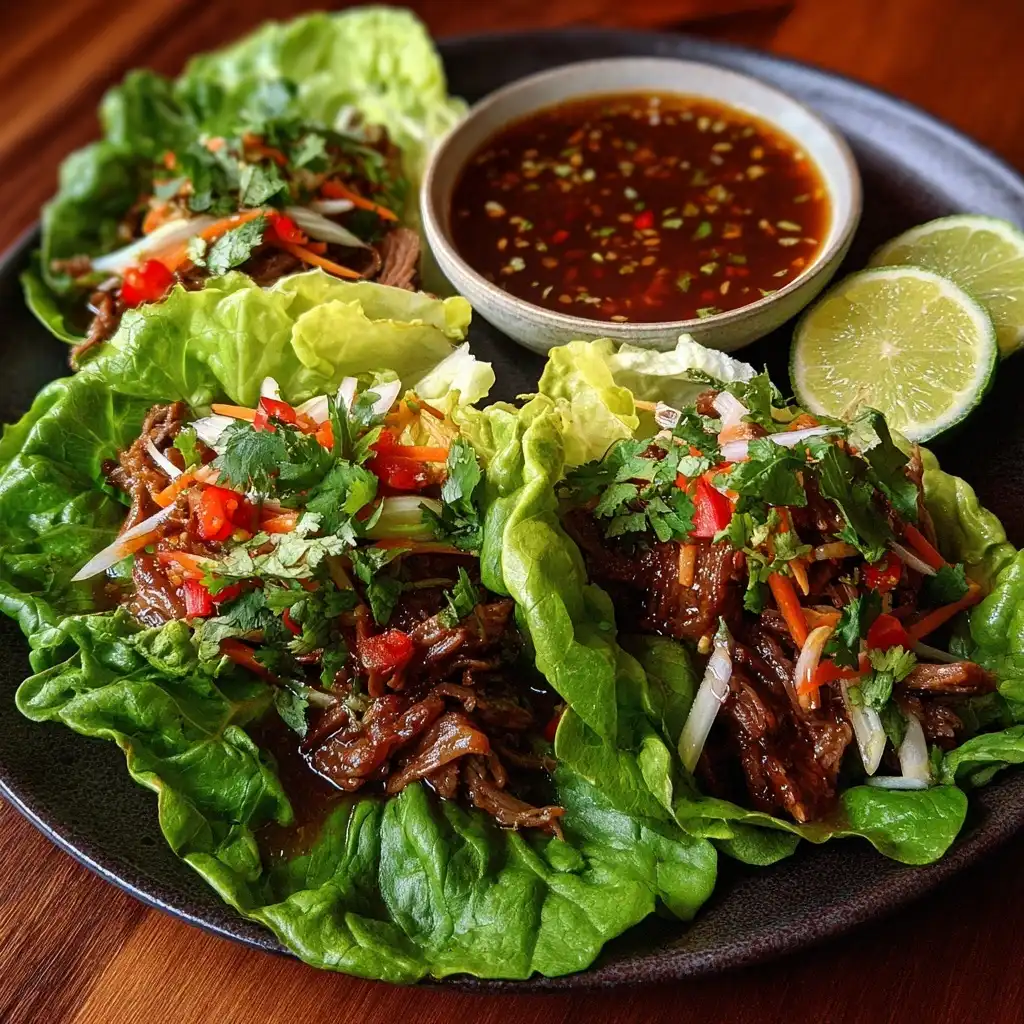
Welcome to the ultimate guide to BBQ Beef Lettuce Wraps — a vibrant, low-carb, flavor-forward dish that effortlessly bridges bold American barbecue tradition with the light, refreshing crispness of Asian-inspired fresh wraps. These handheld delights combine tender, smoky-sweet seasoned ground beef with zesty, tangy barbecue sauce, then nestle it all into cool, buttery butter lettuce cups — offering a perfect harmony of temperature, texture, and taste. Whether you’re meal prepping for a healthy week ahead, hosting a summer cookout, or simply craving something satisfying without the heaviness of traditional tacos or burgers, BBQ Beef Lettuce Wraps deliver big flavor in every bite — minus the guilt, gluten, and refined carbs. This guide is meticulously crafted to be your go-to resource: rich in culinary context, nutritionally transparent, technically precise, and endlessly adaptable.
The History
BBQ Beef Lettuce Wraps are a delicious example of modern fusion cuisine — born from the cross-pollination of Southern U.S. barbecue culture and East Asian lettuce wrap traditions. While lettuce-wrapped proteins trace back centuries in Chinese cuisine (notably Yuk Sung or “raw beef salad” in Cantonese cooking and Korean Ssambap, where grilled meats are wrapped in leafy greens like red leaf lettuce or perilla), the Americanized BBQ version emerged prominently in the early 2010s alongside the paleo, Whole30, and keto movements. Health-conscious home cooks and restaurant chefs alike began reimagining classic sloppy joes and taco fillings by swapping tortillas for large, pliable lettuce leaves — especially butter (Boston) and iceberg varieties prized for their structural integrity and mild sweetness. The addition of regional American barbecue sauce — whether Kansas City–style molasses-kissed, Carolina vinegar-tangy, or Texas-smoke-forward — added a distinctly bold, caramelized depth previously uncommon in traditional Asian wraps. Over time, this hybrid dish gained mainstream traction via food blogs, viral social media reels, and celebrity chef features (including appearances on Healthyish, Well+Good, and Food Network’s The Kitchen), evolving from niche wellness fare into a beloved weeknight staple served at backyard barbecues, potlucks, and even upscale casual dining concepts across the U.S. and Canada.
Ingredients Breakdown
Every exceptional BBQ Beef Lettuce Wrap begins with intentionality — understanding not just *what* goes into the dish, but *why* each component matters:
- Ground Beef (85/15 or 90/10 lean-to-fat ratio): Provides rich umami, moisture, and binding structure. The slight fat content ensures tenderness and carries flavor; too lean (95/5) can yield dry, crumbly results, while too fatty (70/30) may make the filling greasy and difficult to wrap.
- Yellow Onion & Garlic: The aromatic foundation. Finely diced yellow onion adds subtle sweetness and body when sautéed; fresh minced garlic delivers pungent, savory depth that blooms under gentle heat.
- Worcestershire Sauce: A secret umami amplifier — its fermented anchovy, tamarind, and molasses base enhances meatiness and balances sweetness without adding fishiness.
- Apple Cider Vinegar: Adds bright acidity to cut through richness and lift the overall profile — critical for preventing cloying heaviness, especially when using sweeter BBQ sauces.
- Smoked Paprika (or Liquid Smoke, optional): Imparts authentic barbecue complexity — earthy, slightly sweet, and faintly woody — essential for achieving that “grill-kissed” essence without actual smoke.
- High-Quality Barbecue Sauce: The soul of the dish. Opt for a well-balanced sauce with notes of tomato, brown sugar or molasses, vinegar, and spices — avoid overly thick, corn syrup–laden versions that burn easily or dominate with artificial sweetness. Homemade is ideal (see Variations), but recommended store-bought options include Fruity Pebbles BBQ (for tangy-sweet balance), G Hughes Sugar-Free (for keto), or Stubb’s Original (for robust smoke).
- Fresh Butter Lettuce (Bibb or Boston): Chosen for its cup-like shape, tender yet resilient leaves, mild buttery flavor, and cool, juicy crunch — far superior to romaine (too fibrous) or spinach (too delicate). Iceberg works in a pinch but lacks nuance.
- Garnishes (Non-Negotiable for Texture & Balance): Thinly sliced green onions (sharp freshness), pickled red onions (bright acidity and color), chopped fresh cilantro (herbal brightness), toasted sesame seeds (nutty aroma and crunch), and a final drizzle of spicy chili oil or sriracha mayo (heat and creaminess).
Step-by-Step Recipe
- Prep the Lettuce: Carefully separate 12–16 large, unblemished butter lettuce leaves. Rinse gently under cold water, pat *thoroughly* dry with paper towels or a clean kitchen towel (excess moisture = soggy wraps), and refrigerate on a tray lined with damp paper towels until ready to serve — chilling enhances crispness and structural integrity.
- Sauté Aromatics: Heat 1 tbsp high-smoke-point oil (avocado or grapeseed) in a large nonstick skillet or wok over medium heat. Add ½ cup finely diced yellow onion and sauté for 4–5 minutes until translucent and fragrant. Stir in 3 minced garlic cloves and 1 tsp smoked paprika; cook 30 seconds until aromatic — do not brown garlic.
- Brown the Beef: Increase heat to medium-high. Add 1 lb ground beef, breaking it apart with a wooden spoon. Cook undisturbed for 2 minutes to develop fond (browned bits), then stir and continue cooking for 6–8 minutes total, until no pink remains and edges begin to crisp slightly. Drain *any visible excess fat* (reserving ~1 tsp for flavor if desired), but do not rinse — fat carries flavor and helps emulsify the sauce.
- Build the BBQ Base: Reduce heat to low. Stir in 2 tbsp Worcestershire sauce, 1 tbsp apple cider vinegar, ½ tsp black pepper, and ¼ tsp fine sea salt (adjust later). Simmer gently for 1 minute to meld flavors and evaporate raw vinegar sharpness.
- Incorporate the BBQ Sauce: Whisk together ¾ cup barbecue sauce (room temperature) in a small bowl. Gradually add to the beef mixture, stirring constantly. Simmer uncovered for 4–5 minutes, stirring frequently, until sauce thickens, coats the meat evenly, and reduces to a glossy, clingy consistency — not runny, not scorched. If it bubbles too vigorously, reduce heat further. Taste and adjust: more vinegar for brightness, pinch of brown sugar for depth, splash of water if over-reduced.
- Cool Slightly & Rest: Remove from heat and let cool for 5–7 minutes — crucial step! Hot filling wilts lettuce instantly. For best texture, transfer to a shallow dish and spread thinly to accelerate cooling.
- Assemble with Intention: Place one chilled lettuce leaf in your palm. Spoon ~2 heaping tablespoons of warm (not hot) beef mixture into the center. Top thoughtfully: 2–3 thin green onion rings, 1 tsp pickled red onions, 5–6 cilantro leaves, ¼ tsp toasted sesame seeds, and a zigzag drizzle of chili oil or sriracha aioli. Fold sides gently inward, then lift like a taco — eat immediately for optimal contrast.
Tips
- Chill Your Tools: Refrigerate serving platters, tongs, and even your spoon before assembly — cold surfaces prevent premature wilting and keep fillings at ideal temp.
- The “Dry-Out” Trick: After draining beef, return it to the warm (off-heat) pan for 60 seconds — residual heat evaporates surface steam, ensuring sauce adherence instead of pooling.
- Sauce Consistency Is King: If your BBQ sauce is too thin, simmer it separately for 2–3 minutes before adding to beef. If too thick, whisk in 1 tsp warm broth or apple juice — never cold water, which causes separation.
- Lettuce Leaf Selection Matters: Choose leaves with concave centers and sturdy ribs — avoid flat, floppy, or yellowing leaves. Trim tough stem ends *only* if they protrude awkwardly; the core provides natural grip.
- Prevent Sogginess: Never dress lettuce ahead of time. Keep garnishes separate until the moment of serving. If prepping ahead, store cooled beef in an airtight container (up to 4 days) and lettuce unwashed in a sealed bag with a dry paper towel (up to 5 days).
- Texture Layering: Add crunch *after* saucing — e.g., crushed peanuts or julienned jicama — so they don’t soften. Toasted sesame seeds should be added last for maximum fragrance.
- Taste as You Go (Especially Salt): Barbecue sauce varies wildly in sodium content. Always season *after* adding sauce — start with half the suggested salt and adjust.
- Batch Cooking Hack: Double the beef mixture and freeze in portioned, flat freezer bags (remove air). Thaw overnight in fridge, then reheat gently in skillet with 1 tsp water to refresh moisture.
Variations and Customizations
This recipe is a canvas — embrace creativity while honoring balance:
- Protein Swaps: Ground turkey or chicken (use thigh meat for moisture), plant-based crumbles (Linda McCartney or Beyond Meat), shredded pulled pork (simmered in BBQ sauce), or marinated and grilled flank steak, thinly sliced against the grain.
- Dietary Adaptations:
- Keto/Low-Carb: Use sugar-free BBQ sauce (G Hughes, Tucker’s), add extra avocado slices or crumbled blue cheese, and swap green onions for chives.
- Paleo/Whole30: Make homemade BBQ sauce (tomato paste, apple cider vinegar, dates or unsweetened applesauce, smoked paprika, garlic, onion powder, mustard, coconut aminos).
- Vegan: Use lentils + walnuts for “meaty” texture, tamari-based “BBQ” glaze, and smoked sea salt for depth.
- Global Flavor Twists:
- Korean-Inspired: Swap BBQ sauce for gochujang-ginger glaze (gochujang, rice vinegar, grated ginger, honey, sesame oil); top with kimchi slaw and nori strips.
- Mexican-Barbecue Fusion: Add chipotle in adobo (1 tsp minced), lime zest, and cotija cheese; garnish with pickled jalapeños and avocado crema.
- Thai-Inspired: Use tamarind-based sauce (tamarind paste, fish sauce, palm sugar, lime juice, red curry paste); top with crushed roasted peanuts, mint, and cucumber ribbons.
- Texture & Veggie Boosters: Fold in finely diced bell peppers or zucchini (sautéed first), add black beans or corn (drained/rinsed), or mix in sautéed shiitake mushrooms for umami depth.
- Sauce-Level Customization: Offer 3 mini-ramekins at the table: classic BBQ, spicy chipotle, and tangy mustard-based — empowering guests to personalize heat and acidity.
- Breakfast Version: Use breakfast sausage, maple syrup–infused BBQ glaze, and top with a soft-scrambled egg and crispy bacon crumbles.
Health Considerations and Nutritional Value
A single serving (3 lettuce wraps, ~¾ cup beef mixture + garnishes) delivers approximately:
- Calories: 320–380 kcal (varies by beef fat % and sauce choice)
- Protein: 28–32g — high-quality complete protein supporting muscle maintenance and satiety
- Fat: 18–22g — predominantly monounsaturated (from beef fat, sesame oil) and omega-3s (if grass-fed beef used); minimal trans fats when using clean oils
- Carbohydrates: 12–16g total — ~6–8g naturally occurring sugars (from onions, tomatoes in sauce), 4–6g fiber (lettuce, onions, herbs), net carbs ~8–10g — exceptionally low for a satisfying main dish
- Vitamins & Minerals: Excellent source of Vitamin A (lettuce, paprika), Vitamin K (lettuce, cilantro), Iron (beef), Zinc (beef), and antioxidants (garlic, onions, vinegar)
Key Health Notes:
- Sodium Awareness: Store-bought BBQ sauce is often high in sodium (300–500mg per 2 tbsp). Mitigate by choosing low-sodium brands, diluting with vinegar or broth, or making homemade sauce with controlled salt.
- Sugar Intelligence: Many commercial sauces contain high-fructose corn syrup or excessive added sugars. Opt for versions with <5g sugar per 2 tbsp or use natural sweeteners like date paste in homemade versions.
- Anti-Inflammatory Support: Garlic, onions, apple cider vinegar, and smoked paprika all contain bioactive compounds (allicin, quercetin, acetic acid, capsaicin analogs) linked to reduced inflammation and improved metabolic health.
- Gut-Friendly Potential: Fermented elements (Worcestershire, apple cider vinegar, pickled onions) support microbiome diversity when consumed regularly as part of a varied diet.
- Heart-Healthy Alignment: When prepared with leaner beef (90/10) and minimal added saturated fat, this dish fits well within AHA and Mediterranean diet patterns — especially when paired with a side of roasted vegetables or quinoa salad.
Ingredients
- 1 tablespoon avocado oil or grapeseed oil
- ½ cup yellow onion, finely diced
- 3 garlic cloves, minced
- 1 teaspoon smoked paprika (sweet or hot)
- 1 pound ground beef (85/15 or 90/10 recommended)
- 2 tablespoons Worcestershire sauce
- 1 tablespoon apple cider vinegar
- ¼ teaspoon fine sea salt (plus more to taste)
- ½ teaspoon freshly ground black pepper
- ¾ cup high-quality barbecue sauce (see breakdown above)
- 12–16 large butter lettuce (Bibb or Boston) leaves, chilled and dried
- For Garnish (per serving):
- 2–3 green onions, thinly sliced
- 1 teaspoon quick-pickled red onions
- 5–6 fresh cilantro leaves
- ¼ teaspoon toasted white or black sesame seeds
- Drizzle of sriracha aioli or chili oil (optional)
Directions
- Prepare lettuce: Gently separate leaves, rinse, pat *completely* dry, and chill on a paper towel–lined tray for at least 15 minutes.
- Heat oil in a large skillet over medium heat. Add onion; sauté 4–5 minutes until soft and translucent.
- Add garlic and smoked paprika; stir 30 seconds until fragrant.
- Increase heat to medium-high. Add ground beef, breaking apart with a spoon. Cook undisturbed 2 minutes, then stir and cook 6–8 minutes until fully browned and slightly crispy at edges.
- Drain excess fat, reserving ~1 tsp if desired. Reduce heat to low.
- Stir in Worcestershire sauce, apple cider vinegar, salt, and pepper. Simmer 1 minute.
- Whisk BBQ sauce in a bowl, then gradually stir into beef. Simmer uncovered 4–5 minutes, stirring often, until thick, glossy, and clinging to meat.
- Remove from heat. Let cool 5–7 minutes — do not skip.
- Arrange chilled lettuce leaves on plates. Spoon warm beef into centers.
- Top each with green onions, pickled onions, cilantro, sesame seeds, and chili oil.
- Serve immediately — best enjoyed within 10 minutes of assembly.
FAQ
- Can I make these ahead of time?
- Yes — the beef mixture can be made up to 4 days ahead and refrigerated in an airtight container. Lettuce leaves stay crisp for 4–5 days if stored unwashed in a sealed bag with a dry paper towel. Assemble only just before serving.
- What if I can’t find butter lettuce?
- Iceberg is the most accessible substitute — choose outer, cup-shaped leaves. Romaine hearts work for sturdier wraps but require trimming. Avoid spinach, arugula, or butterhead varieties with loose, floppy leaves.
- Is this dish gluten-free?
- Yes — provided you use certified gluten-free Worcestershire sauce (Lea & Perrins GF version) and BBQ sauce (many brands contain malt vinegar or wheat-based thickeners). Always check labels.
- Why does my filling get watery?
- Common causes: using very wet lettuce (must be *thoroughly* dried), adding hot filling (causes condensation), or BBQ sauce with high water content. Solution: chill components, cool beef fully, and reduce sauce longer.
- Can I freeze BBQ beef mixture?
- Absolutely. Cool completely, portion into freezer-safe bags (remove air), and freeze up to 3 months. Thaw overnight in fridge, then reheat gently in skillet with 1 tsp water or broth to restore moisture.
- How do I prevent the lettuce from tearing?
- Use mature, cup-shaped leaves — avoid young, thin ones. Don’t overfill (max 2½ tbsp per leaf). Support the base with your fingers when lifting. If leaves tear, use two smaller leaves layered — still delicious!
- What’s the best BBQ sauce for beginners?
- Stubb’s Original or Sweet Baby Ray’s (Original) offer balanced sweetness, tang, and smoke. For lower sugar: G Hughes Sugar-Free or Primal Kitchen Classic. For depth: Fruity Pebbles or KC Masterpiece.
- Are these suitable for kids?
- Yes — mild, customizable, and fun to assemble. Omit spicy garnishes, use mild BBQ sauce, and add shredded cheddar or a dollop of plain Greek yogurt for creaminess and calcium.
- Can I grill the beef instead of pan-frying?
- Yes! Form beef into small patties or loose balls, grill over medium heat 3–4 minutes per side until cooked through. Toss with warm BBQ sauce off-heat to prevent burning. Adds lovely char notes.
- How many wraps does this recipe make?
- This yields 12–16 generous wraps — enough for 4 main-course servings (3–4 wraps each) or 6–8 as appetizers. Easily doubled for crowds.
Summary
BBQ Beef Lettuce Wraps are a masterclass in culinary balance — marrying the deep, caramelized soul of American barbecue with the clean, crisp elegance of fresh Asian-style wraps, all wrapped in nature’s perfect edible vessel: butter lettuce. They’re nutritionally intelligent, endlessly customizable, and deceptively simple to execute — delivering restaurant-worthy satisfaction with home-kitchen ease.
Whether you’re chasing macro goals, exploring global flavors, or simply seeking a vibrant, no-compromise meal that delights the eyes, palate, and gut, this dish proves that healthy eating need never sacrifice depth, joy, or indulgence — one perfectly assembled, boldly seasoned, cool-crunchy bite at a time.