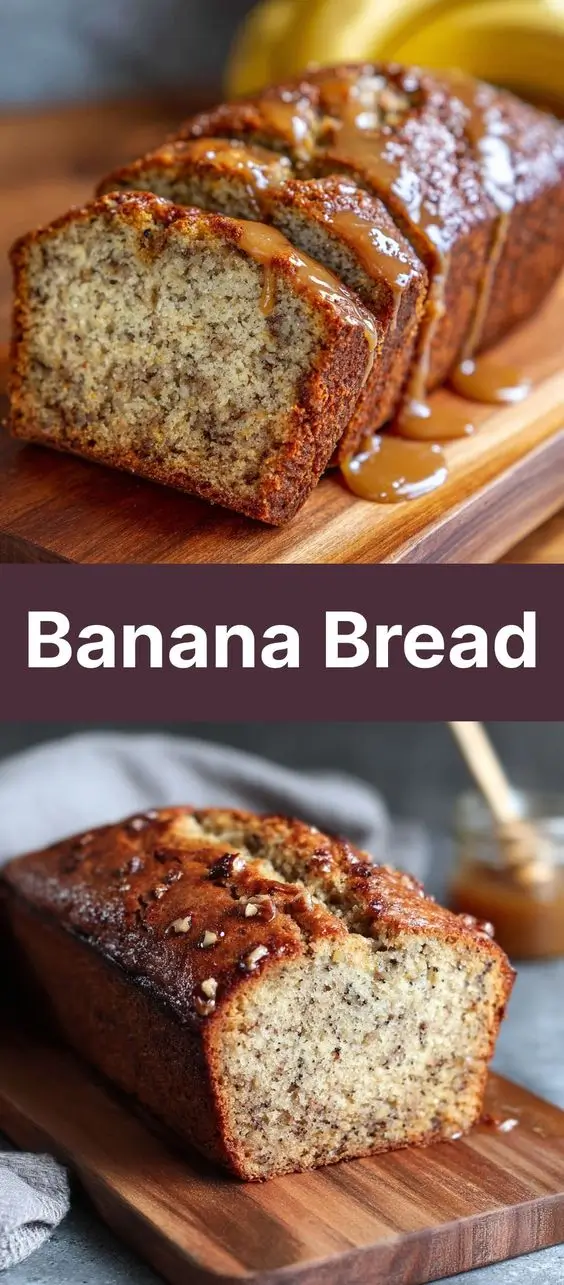
Ultimate Guide to Banana Bread: A Classic Comfort Treat
The History of Banana Bread
Banana bread, a beloved staple in kitchens around the world, has humble yet fascinating origins rooted in early 20th-century America. While bananas were introduced to the United States in the late 1800s through increased trade with Central and South America, it wasn’t until the 1930s that banana bread began gaining popularity. The Great Depression played a significant role in its rise — families sought ways to use overripe or bruised bananas rather than waste food, and quick bread recipes offered an ideal solution.
The invention of baking powder and baking soda made leavened quick breads accessible without needing yeast or long fermentation times. Cooks discovered that mashed ripe bananas added natural sweetness, moisture, and a tender crumb to simple flour-and-sugar mixtures. Early versions were rustic, often combining flour, sugar, butter, eggs, mashed bananas, and a leavening agent. These were baked in loaf pans and served as a breakfast item or afternoon snack.
By the mid-20th century, banana bread had become a fixture in American cookbooks and household recipe collections. Its appeal spread globally, especially as ingredient availability improved post-World War II. Today, banana bread is not only a household favorite but also a symbol of comfort baking, frequently associated with homey kitchens, family traditions, and resourceful cooking. From diner menus to gourmet bakeries, this moist, fragrant loaf continues to evolve while staying true to its comforting roots.
Ingredients Breakdown: What Makes Banana Bread So Irresistible?
The magic of banana bread lies in its simplicity and the synergy between a few key ingredients. Each component plays a vital role in texture, flavor, and structure. Let’s dive into the science and function behind every ingredient commonly found in a classic banana bread recipe.
Ripe Bananas
The star of the show! Ripe bananas (preferably spotty or blackened) provide natural sweetness, moisture, and a rich, fruity aroma. As bananas ripen, their starches convert into sugars (mainly glucose, fructose, and sucrose), enhancing flavor and browning during baking. The soft texture allows for easy mashing, ensuring even distribution throughout the batter.
All-Purpose Flour
This provides the structural backbone of banana bread. The gluten in all-purpose flour forms a network when mixed with liquid, giving the loaf its shape and chew. Too much flour can make the bread dense; too little results in a crumbly loaf. For a lighter texture, some bakers substitute part of the flour with cake flour or add a touch of cornstarch.
Leavening Agents: Baking Soda & Baking Powder
Baking soda reacts with the acids in bananas and other wet ingredients (like yogurt or buttermilk) to produce carbon dioxide, helping the bread rise. Baking powder contains both acid and base, providing a secondary lift. Together, they ensure a well-risen, airy crumb without requiring yeast.
Butter or Oil
Fat contributes richness, tenderness, and moisture. Butter adds flavor and a slight crispness to the crust, while oils (like vegetable, canola, or coconut) result in a more uniformly moist crumb since they remain liquid at room temperature. Many bakers use a combination for the best of both worlds.
Sugar (Brown & White)
Granulated white sugar adds sweetness and aids in browning. Brown sugar, particularly dark brown, enhances moisture and imparts a subtle molasses flavor that complements the bananas beautifully. The hygroscopic nature of brown sugar helps retain moisture, keeping the bread fresh longer.
Eggs
Eggs bind the ingredients together, contribute to structure via protein coagulation during baking, and add richness. They also help emulsify fats and liquids, creating a smooth batter. Using large eggs is standard, as their volume affects the final texture.
Vanilla Extract
A splash of pure vanilla extract deepens the overall flavor profile, rounding out the sweetness and enhancing the aromatic complexity. It doesn’t overpower but subtly supports the banana essence.
Spices (Cinnamon, Nutmeg)
Warm spices like ground cinnamon are optional but highly recommended. Cinnamon pairs naturally with banana, adding warmth and depth. A pinch of nutmeg or allspice can elevate the loaf further, especially in fall or winter months.
Mix-ins (Nuts, Chocolate Chips, Dried Fruit)
While traditional banana bread may be enjoyed plain, most modern versions include extras. Chopped walnuts or pecans add crunch and earthiness. Chocolate chips introduce a sweet contrast, melting slightly during baking. Dried fruits like raisins, cranberries, or chopped dates offer chewy bursts of flavor.
Optional Additions: Yogurt, Buttermilk, or Sour Cream
These acidic dairy products tenderize the gluten, enhance moisture, and activate baking soda more effectively. They also contribute a slight tang that balances the sweetness, resulting in a more complex flavor.
Step-by-Step Recipe: How to Make Perfect Banana Bread
Follow this detailed guide to bake a moist, flavorful, and perfectly textured banana bread every time. This recipe yields one generous loaf and takes about an hour from start to finish.
Ingredients
- 3 ripe bananas (about 1½ cups mashed)
- ⅓ cup (75g) unsalted butter, melted
- ¾ cup (150g) granulated sugar
- ¼ cup (50g) packed light or dark brown sugar
- 2 large eggs, beaten
- 1 tsp pure vanilla extract
- 1 tsp baking soda
- ½ tsp salt
- ½ tsp ground cinnamon (optional)
- 1½ cups (190g) all-purpose flour
- ½ cup chopped walnuts or pecans (optional)
- ⅓ cup chocolate chips (optional)
- 2 tbsp sour cream or plain yogurt (optional, for extra moisture)
Directions
- Preheat Oven: Preheat your oven to 350°F (175°C). Grease a 9×5-inch loaf pan with butter or non-stick spray, then line it with parchment paper for easy removal.
- Prepare Bananas: In a large mixing bowl, peel and mash the ripe bananas with a fork or potato masher until mostly smooth with a few small lumps. You should have about 1½ cups.
- Add Fats and Sugars: Stir the melted butter into the mashed bananas. Mix in both granulated and brown sugars until well combined. The mixture will be slightly gritty — this is normal.
- Incorporate Wet Ingredients: Add the beaten eggs one at a time, stirring well after each addition. Mix in the vanilla extract and sour cream (if using). Blend until smooth and creamy.
- Dry Ingredients: In a separate bowl, whisk together the flour, baking soda, salt, and cinnamon (if using). Ensure even distribution of leavening agents and spices.
- Combine Wet and Dry: Gradually add the dry ingredients to the wet mixture. Use a spatula or wooden spoon to gently fold until just combined. Do not overmix — this prevents gluten development and keeps the bread tender.
- Add Mix-ins: Fold in chopped nuts, chocolate chips, or dried fruit if desired. Be gentle to avoid crushing delicate additions.
- Pour into Pan: Transfer the batter into the prepared loaf pan. Smooth the top with the back of a spoon. For a bakery-style crown, sprinkle a teaspoon of coarse sugar on top before baking.
- Bake: Place the pan in the center of the preheated oven. Bake for 55 to 65 minutes, or until a toothpick inserted into the center comes out clean or with a few moist crumbs (not wet batter).
- Cool Properly: Remove from the oven and let the bread cool in the pan for 10 minutes. Then, lift it out using the parchment paper and transfer to a wire rack to cool completely before slicing. This prevents crumbling and allows flavors to set.
Tips for the Best Banana Bread
- Use Very Ripe Bananas: The darker the banana peel, the better. Overripe bananas are sweeter, easier to mash, and impart stronger flavor.
- Don’t Overmix: Once you combine wet and dry ingredients, stop as soon as no flour streaks remain. Overmixing leads to tough, dense bread.
- Check Doneness Accurately: Ovens vary. Start checking at 50 minutes. If the top browns too quickly, tent loosely with aluminum foil.
- Let It Cool: Resist cutting into hot bread. Cooling ensures cleaner slices and lets steam escape so the texture firms up.
- Boost Flavor: Toast nuts before adding them. Use real vanilla extract, not imitation. A pinch of nutmeg or cardamom can add intrigue.
- Ensure Even Baking: Rotate the pan halfway through baking if your oven has hot spots.
- Double the Batch: Banana bread freezes exceptionally well. Wrap cooled loaves tightly in plastic and freeze for up to 3 months.
Variations and Customizations
One of the greatest strengths of banana bread is its versatility. Whether you’re catering to dietary needs, seasonal tastes, or adventurous palates, there’s a version for everyone.
Gluten-Free Banana Bread
Replace all-purpose flour with a 1:1 gluten-free baking blend containing xanthan gum. Add an extra tablespoon of milk or yogurt if the batter seems too thick. Always check labels on mix-ins to ensure they’re certified gluten-free.
Vegan Banana Bread
Swap eggs with flax eggs (1 tbsp ground flaxseed + 3 tbsp water per egg), use plant-based butter or oil, and choose a non-dairy milk if needed. Ensure sugar is vegan (some brown sugars use bone char).
Whole Wheat Banana Bread
Substitute half or all of the all-purpose flour with whole wheat flour. For a lighter texture, use white whole wheat flour. Increase moisture with an extra tablespoon of oil or applesauce.
Protein-Packed Banana Bread
Add 1–2 scoops of vanilla protein powder and increase liquid slightly (with almond milk or water). Include seeds like chia, flax, or sunflower for extra nutrition.
Tropical Twist
Add shredded coconut, diced pineapple (well-drained), and macadamia nuts. A splash of rum extract enhances the island vibe.
Chocolate Lover’s Dream
Double the chocolate chips, swirl in melted chocolate, or add cocoa powder (replace ¼ cup flour with ¼ cup unsweetened cocoa). Top with ganache for decadence.
Peanut Butter Swirl
Drop spoonfuls of creamy peanut butter onto the batter and swirl with a knife. You can also mix PB directly into the batter for a nutty twist.
Mini Loaves and Muffins
Divide the batter into muffin tins (20–25 minutes) or mini loaf pans (35–45 minutes). Great for gifting or portion control!
Healthy Banana Bread
Reduce sugar by ¼ cup and use maple syrup or honey. Substitute oil with unsweetened applesauce or mashed avocado. Add oats, flax, and nuts for fiber and healthy fats.
Health Considerations and Nutritional Value
Banana bread is often seen as a wholesome treat, but its nutritional content varies widely based on ingredients and portion size. Here’s a breakdown of what to expect in a typical slice (based on a 12-slice loaf):
Nutrition Per Slice (Approximate)
- Calories: 220–280
- Total Fat: 8–12g (mostly from butter/oil)
- Saturated Fat: 3–5g
- Carbohydrates: 35–45g
- Sugars: 18–25g (naturally occurring and added)
- Fiber: 1–2g (more if using whole grains or added fruit)
- Protein: 3–5g
- Sodium: 200–300mg
Health Benefits
- Potassium-Rich: Bananas are high in potassium, supporting heart health and blood pressure regulation.
- Natural Energy Source: The carbohydrates in banana bread provide sustained energy, making it a good pre-workout or morning snack.
- Mood-Boosting: Bananas contain tryptophan, which the body converts to serotonin, potentially improving mood.
- Dietary Fiber (Customizable): By adding oats, nuts, seeds, or whole wheat flour, you can significantly increase fiber content, aiding digestion.
Considerations
- Sugar Content: Traditional recipes can be high in added sugars. To reduce, cut sugar by 25%, use riper bananas, or substitute with natural sweeteners.
- Fat Choices: Opt for heart-healthy oils like avocado or olive oil instead of butter to improve fat profile.
- Portion Control: Banana bread is calorie-dense. Stick to one slice unless modifying for fitness goals.
- Allergens: Contains common allergens like eggs, dairy (butter), wheat, and tree nuts. Always label accordingly when sharing.
Frequently Asked Questions (FAQ)
Can I use unripe bananas for banana bread?
No — unripe (green) bananas lack the natural sweetness and soft texture needed. They are starchy and less flavorful. Wait until bananas develop brown spots for best results.
Why is my banana bread dense or gummy?
Overmixing the batter develops gluten, leading to toughness. Also, underbaking or using too many bananas can create a wet center. Measure ingredients accurately and don’t skip the cooling step.
Can I freeze banana bread?
Absolutely! Cool completely, wrap tightly in plastic wrap, then place in a freezer bag. Freeze for up to 3 months. Thaw at room temperature or toast slices straight from frozen.
How do I store banana bread?
Keep in an airtight container at room temperature for up to 4 days. In humid climates, refrigerate for up to 1 week, though this may dry it out slightly.
Can I make banana bread without eggs?
Yes. Use substitutes like mashed banana (extra), applesauce, yogurt, flax eggs, or commercial egg replacers. Note: texture may be slightly denser.
Why did my banana bread sink in the middle?
Possible causes: underbaking, too much leavening, opening the oven too early, or excess moisture. Ensure accurate measurements and avoid peeking during the first 45 minutes.
Can I add alcohol to banana bread?
Yes! A tablespoon of rum, bourbon, or dark beer can deepen flavor. Reduce another liquid slightly to balance.
Is banana bread healthy?
It can be! With modifications — reducing sugar, using whole grains, adding nuts/seeds, and choosing healthy fats — banana bread can be a nutritious part of a balanced diet.
Can I use frozen bananas?
Yes! Freeze overripe bananas (peeled) in bags. Thaw before use — they’ll be very soft and release liquid, which is perfect for moist bread. Drain excess water if needed.
Can I double the recipe?
Yes, but bake in two separate pans. Doubling in one pan leads to uneven baking. You may need to increase time slightly.
Summary
Banana bread is a timeless, adaptable treat that transforms overripe fruit into a moist, flavorful loaf cherished across generations. Easy to customize and perfect for any occasion, it embodies the joy of simple, heartfelt baking.