Introduction
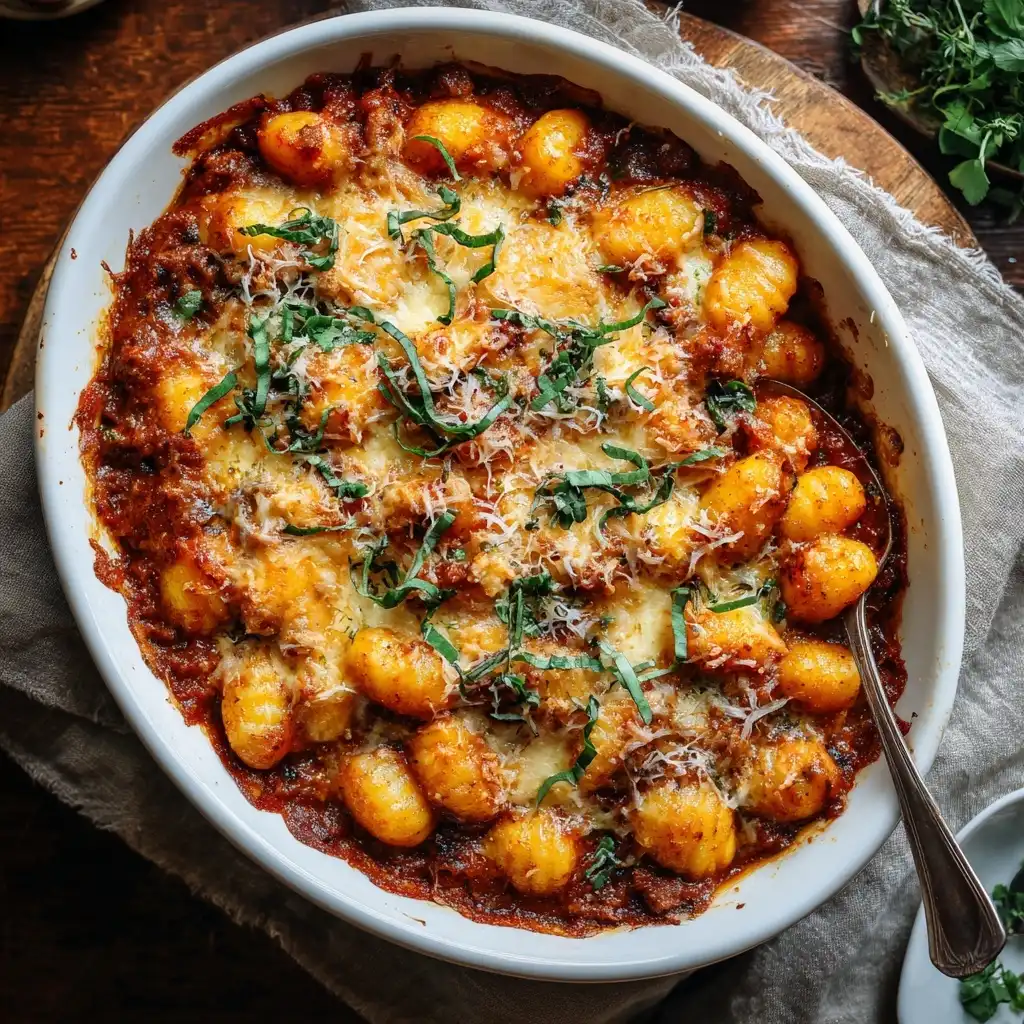
Baked Gnocchi Casserole is a comforting, crowd-pleasing, one-dish wonder that bridges the elegance of Italian cuisine with the cozy familiarity of American-style baked pasta. Unlike traditional gnocchi dishes—often served fresh and sautéed or tossed in light sauces—this casserole transforms pillowy potato dumplings into a rich, layered, oven-baked masterpiece. It’s the perfect solution for weeknight dinners, potlucks, holiday sideboards, or even elegant Sunday suppers. With its golden, cheesy crust, tender-yet-toothy gnocchi, savory sauce, and customizable add-ins, it delivers depth of flavor, textural contrast, and hearty satisfaction in every bite. Whether you’re feeding a family of four or hosting a gathering of twelve, this dish scales beautifully—and reheats like a dream.
The History
While gnocchi itself traces its roots to medieval Italy—likely evolving from ancient Roman recipes using spelt flour and water—the concept of baking gnocchi in a casserole format is a relatively modern American-Italian fusion innovation. In Italy, gnocchi are traditionally boiled and served immediately with simple, seasonal accompaniments: sage-butter in Piedmont, tomato ragù in Naples, or gorgonzola cream in Lombardy. The shift toward casseroles began in earnest during the mid-20th century in the United States, as immigrant families adapted Old World ingredients to new pantry staples—canned tomatoes, shredded mozzarella, evaporated milk, and pre-grated cheeses—while embracing the convenience and communal appeal of baked dishes. Post-war suburban kitchens saw the rise of “tuna noodle” and “green bean” casseroles; gnocchi followed suit, benefiting from improved shelf-stable gnocchi (first frozen, later refrigerated) introduced widely in U.S. supermarkets by the 1980s. Today’s baked gnocchi casserole honors tradition while celebrating flexibility—honoring texture, respecting simplicity, yet unapologetically embracing creativity, abundance, and comfort.
Ingredients Breakdown
Every exceptional Baked Gnocchi Casserole rests on five foundational pillars: the gnocchi base, the sauce matrix, the cheese architecture, the aromatic & flavor-building layer, and the finishing accents. Let’s explore each in detail:
- Gnocchi Base: High-quality store-bought potato gnocchi (refrigerated, not dried) is recommended for optimal texture—look for brands with minimal ingredients (potatoes, flour, egg, salt). Avoid ultra-processed varieties with gums or preservatives. For authenticity and superior mouthfeel, homemade gnocchi (made from russet potatoes, fine semolina or “00” flour, egg yolk, and nutmeg) can be used—but must be parboiled first to set structure before baking.
- Sauce Matrix: A dual-layer sauce ensures moisture retention and dimensional flavor. A rich, slow-simmered soffritto-based tomato sauce (onion, carrot, celery, garlic, San Marzano tomatoes, tomato paste, red wine, and herbs) forms the foundation. This is enriched with a secondary creamy element—typically whole-milk ricotta, béchamel, or a blend of mascarpone and heavy cream—to prevent drying and lend luxurious silkiness.
- Cheese Architecture: Think in strata: a base layer of melty, stretchy mozzarella (low-moisture, whole-milk preferred), a middle layer of salty, umami-rich Parmigiano-Reggiano or Pecorino Romano, and a top layer of golden, slightly caramelized fontina or provolone for depth and browning. Optional: crumbled goat cheese or burrata dollops added just before baking for tangy richness.
- Aromatic & Flavor-Building Layer: Sautéed mushrooms (cremini or wild), caramelized shallots, roasted garlic confit, fresh basil ribbons, and a splash of balsamic glaze or high-quality aged balsamic vinegar provide complexity, sweetness, and acidity that cut through richness.
- Finishing Accents: Freshly cracked black pepper, flaky sea salt (Maldon or Fleur de Sel), microgreens (arugula or pea shoots), toasted pine nuts or walnuts, and a drizzle of herb-infused olive oil elevate the final presentation and add brightness, crunch, and aromatic nuance.
Optional but highly recommended pantry enhancers: a pinch of crushed red pepper flakes, a grating of fresh nutmeg over the ricotta layer, and a tablespoon of unsalted butter cut into small cubes scattered across the top before baking for extra richness and sheen.
Step-by-Step Recipe
- Prep Work (30 minutes): Preheat oven to 375°F (190°C). Lightly grease a 13″x9″x2″ ceramic or enameled cast-iron baking dish with olive oil or butter. Bring a large pot of heavily salted water to a rolling boil. Prepare all vegetables (dice onions, carrots, celery; slice mushrooms; mince garlic; chop fresh herbs).
- Build the Soffritto (12–15 minutes): In a large Dutch oven or heavy-bottomed skillet, heat 3 tbsp extra-virgin olive oil over medium-low heat. Add 1 finely diced yellow onion, 1 medium grated carrot, and 1 stalk finely diced celery. Cook gently—stirring occasionally—for 8–10 minutes until softened and translucent but not browned. Stir in 4 minced garlic cloves and 8 oz sliced cremini mushrooms; cook 4–5 more minutes until mushrooms release liquid and begin to brown. Add 2 tbsp tomato paste; stir constantly for 2 minutes to deepen flavor and remove raw taste.
- Simmer the Tomato Base (25–30 minutes): Pour in 1 cup dry red wine (Chianti or Sangiovese works best) and simmer until nearly evaporated (~4 minutes). Add one 28-oz can whole San Marzano tomatoes (crushed by hand), ½ cup vegetable or chicken broth, 1 tsp dried oregano, 1 tsp dried basil, ¼ tsp red pepper flakes, and 1 bay leaf. Bring to a gentle simmer, then reduce heat to low. Partially cover and cook for 20–25 minutes, stirring occasionally, until thickened and fragrant. Remove bay leaf. Season with sea salt and freshly ground black pepper to taste. Set aside to cool slightly.
- Prepare the Creamy Layer (5 minutes): In a medium bowl, combine 1½ cups whole-milk ricotta, ½ cup grated Parmigiano-Reggiano, 1 large egg yolk, ¼ tsp freshly grated nutmeg, ¼ tsp kosher salt, and a generous twist of black pepper. Whisk until smooth and cohesive. Fold in ¼ cup chopped fresh basil and 2 tbsp chopped flat-leaf parsley.
- Parboil the Gnocchi (3–4 minutes): Carefully add gnocchi (16–18 oz) to the boiling salted water. Cook only until they float—about 90 seconds to 2 minutes—then immediately drain in a colander. Rinse *very briefly* with cool water to halt cooking, then gently shake dry. Toss lightly with 1 tbsp olive oil to prevent sticking.
- Assemble the Layers (10 minutes): In the prepared baking dish, spread ⅓ of the tomato sauce (approx. 1½ cups) evenly across the bottom. Spoon half of the ricotta mixture over the sauce and smooth gently. Arrange all parboiled gnocchi in an even, single layer—nestling them snugly without overcrowding. Dollop remaining ricotta mixture over gnocchi and spread carefully. Top with remaining tomato sauce, spreading gently to cover. Sprinkle with 1½ cups shredded low-moisture mozzarella, ½ cup grated Parmigiano-Reggiano, and ½ cup shredded fontina. Dot surface with 1 tbsp cold unsalted butter, cut into small pieces.
- Bake (45–55 minutes): Cover dish tightly with parchment-lined aluminum foil (parchment prevents cheese from sticking to foil). Bake for 30 minutes. Remove foil and continue baking for 15–25 minutes—until top is deeply golden, bubbling at edges, and internal temperature reaches 165°F (74°C) when checked with an instant-read thermometer inserted into center. For extra browning, broil on low for 1–2 minutes—watch closely!
- Rest & Serve (15 minutes): Remove from oven and let rest, uncovered, for full 15 minutes. This critical step allows starches to re-set, sauce to thicken, and layers to stabilize—preventing a soupy or collapsed casserole. Garnish generously before serving.
Tips
- Don’t Overcook the Gnocchi Before Baking: Boiling too long makes them mushy. Floating = done. When in doubt, err on the side of underdone—they’ll finish cooking in the oven.
- Room-Temperature Ingredients Matter: Cold ricotta or chilled gnocchi can cause uneven baking and sauce separation. Let ricotta sit out 15 minutes; drain gnocchi well and toss with oil while still warm.
- Layer Thoughtfully: Sauce on bottom prevents sticking and steams gnocchi gently. Ricotta next creates a moisture barrier. Gnocchi third ensures even absorption—not buried. Final sauce and cheese lock in steam and promote browning.
- Use Parchment Under Foil: Prevents melted cheese from bonding to foil—and makes cleanup effortless.
- Rotate the Dish Midway: Ovens have hot spots. Rotate 180° after 20 minutes covered and again after 10 minutes uncovered for uniform browning.
- Check Doneness Beyond Color: Golden top ≠ fully cooked. Insert thermometer into center: 165°F minimum. If sauce looks thin, bake 5 more minutes uncovered—the residual heat will continue thickening.
- Resting Is Non-Negotiable: Cutting too soon releases steam and causes structural collapse. Fifteen minutes allows starch retrogradation and fat emulsification to complete.
- Reheating Without Drying Out: Cover with damp paper towel and microwave in 30-second bursts—or reheat covered in 325°F oven for 20 minutes with 1 tbsp broth sprinkled on top.
- Make-Ahead Friendly: Assemble up to 24 hours ahead (without baking), cover tightly, and refrigerate. Add 10–15 minutes to covered bake time if starting cold.
- Freeze Smart: Freeze unbaked casserole up to 3 months. Thaw overnight in fridge before baking—no need to adjust time, but add 5–10 minutes covered if still chilled.
Variations and Customizations
This recipe is endlessly adaptable—here’s how to tailor it to dietary needs, seasons, occasions, and cravings:
Protein-Powered Variations
- Meat Lover’s: Brown ½ lb Italian sausage (sweet or hot), crumbled; add to soffritto with mushrooms. Or layer 1 cup shredded rotisserie chicken (cooled) between ricotta and gnocchi.
- Seafood Sensation: Fold 1 cup lump crabmeat or seared scallops (diced) into ricotta mixture. Finish with lemon zest and dill instead of basil.
- Plant-Based Power: Swap ricotta for blended silken tofu + nutritional yeast + lemon juice + white miso. Use vegan mozzarella shreds and tamari-glazed shiitakes instead of meat.
Vegetable-Centric Twists
- Roasted Veggie Medley: Toss 2 cups roasted zucchini, eggplant, and bell peppers in olive oil, herbs, and balsamic before layering with gnocchi.
- Spring Garden: Fold 1 cup blanched asparagus tips, English peas, and fava beans into ricotta. Top with lemon-thyme breadcrumbs.
- Winter Root: Add 1 cup puréed roasted butternut squash to tomato sauce for natural sweetness and velvety body.
Cheese & Sauce Swaps
- White Wine & Mushroom: Replace tomato sauce with creamy wild mushroom risotto-style sauce (shallots, thyme, white wine, porcini soaking liquid, mascarpone).
- Pesto Verde: Swirl ½ cup basil pesto into ricotta layer; top with toasted pine nuts and shaved Pecorino.
- Smoky Chipotle: Add 1 tsp chipotle in adobo (minced) to tomato sauce; use smoked Gouda + sharp cheddar blend for topping.
Dietary Adaptations
- Gluten-Free: Use certified GF gnocchi (often made with potato starch + rice flour); ensure all sauces and cheeses are GF-certified (some ricottas contain thickeners).
- Keto/Low-Carb: Substitute gnocchi with cauliflower “gnocchi” (riced cauliflower, egg, almond flour, parmesan) — texture differs but flavor shines.
- Dairy-Free: Use cashew ricotta (soaked cashews + lemon + nutritional yeast + garlic), coconut milk béchamel, and dairy-free mozzarella shreds.
- Lightened-Up: Replace half ricotta with low-fat cottage cheese (blended smooth); use part-skim mozzarella; increase veggies by 50%; skip butter topping.
Health Considerations and Nutritional Value
A 1-cup serving (approx. 1/8 of a full 13″x9″ casserole) contains approximately:
- Calories: 385–420 kcal
- Protein: 18–22g (from eggs, ricotta, cheese, optional meat)
- Total Fat: 20–24g (mostly unsaturated from olive oil and cheese; saturated fat ~10g)
- Carbohydrates: 32–36g (primarily complex carbs from potatoes; fiber ~3g)
- Fiber: 3–4g (enhanced with added vegetables or whole-grain gnocchi alternatives)
- Sodium: 580–720mg (reduced by using low-sodium broth, unsalted butter, and limiting added salt)
- Vitamins & Minerals: Rich in calcium (25% DV), vitamin A (18% DV), vitamin C (12% DV from tomatoes/basil), potassium (15% DV), and B12 (if dairy/eggs used).
Health Highlights:
- Potato Power: Gnocchi’s base—russet potatoes—provides resistant starch (especially when cooled slightly), supporting gut microbiome health and stable blood sugar.
- Lycopene Boost: Simmered San Marzano tomatoes deliver highly bioavailable lycopene—a potent antioxidant linked to reduced inflammation and cardiovascular protection.
- Probiotic Potential: High-quality aged cheeses (Parmigiano, Pecorino) contain beneficial bacteria strains and enzymes that support digestion.
- Healthy Fats: Extra-virgin olive oil contributes polyphenols and monounsaturated fats tied to improved endothelial function and cognitive health.
Mindful Modifications: To lower sodium, omit added salt and rely on herbs, citrus, and umami-rich ingredients (mushrooms, tomato paste, anchovy paste). For increased fiber and phytonutrients, double the vegetable content—especially dark leafy greens (spinach stirred into ricotta), cruciferous veggies (roasted broccoli rabe), or legumes (white beans folded into sauce). Pair with a simple arugula salad dressed in lemon and olive oil to balance richness and add digestive enzymes.
Ingredients
- 16–18 oz fresh refrigerated potato gnocchi (not dried)
- 3 tbsp extra-virgin olive oil (plus more for greasing)
- 1 medium yellow onion, finely diced
- 1 medium carrot, peeled and finely grated
- 1 stalk celery, finely diced
- 4 garlic cloves, minced
- 8 oz cremini mushrooms, sliced
- 2 tbsp tomato paste
- 1 cup dry red wine (Chianti, Sangiovese, or Pinot Noir)
- 1 (28-oz) can whole San Marzano tomatoes, hand-crushed
- ½ cup low-sodium vegetable or chicken broth
- 1 tsp dried oregano
- 1 tsp dried basil
- ¼ tsp crushed red pepper flakes
- 1 bay leaf
- 1½ cups whole-milk ricotta cheese
- ½ cup freshly grated Parmigiano-Reggiano (plus extra for garnish)
- 1 large egg yolk
- ¼ tsp freshly grated nutmeg
- ¼ tsp kosher salt (plus more to taste)
- Freshly ground black pepper (to taste)
- ¼ cup chopped fresh basil (plus more for garnish)
- 2 tbsp chopped flat-leaf parsley
- 1½ cups shredded low-moisture mozzarella
- ½ cup shredded fontina or provolone
- 1 tbsp unsalted butter, cut into small pieces
- Flaky sea salt (Maldon or Fleur de Sel) for finishing
- Microgreens or arugula for garnish (optional)
- Toasted pine nuts or walnuts (optional)
- Herb-infused olive oil for drizzling (optional)
Directions
- Preheat oven to 375°F (190°C). Generously grease a 13″x9″x2″ baking dish with olive oil or butter.
- Bring a large pot of water to a rolling boil. Add 2 tbsp kosher salt. Carefully add gnocchi and cook just until they float—90 seconds to 2 minutes. Drain in a colander, rinse *very briefly* with cool water, shake dry thoroughly, and toss with 1 tbsp olive oil. Set aside.
- In a large Dutch oven or heavy skillet, heat 3 tbsp olive oil over medium-low heat. Add onion, carrot, and celery. Cook 8–10 minutes, stirring occasionally, until softened but not browned.
- Add garlic and mushrooms; cook 4–5 minutes until mushrooms are golden and liquid has evaporated.
- Stir in tomato paste; cook 2 minutes, stirring constantly.
- Pour in red wine. Simmer 4 minutes until nearly evaporated.
- Add crushed tomatoes, broth, oregano, basil, red pepper flakes, and bay leaf. Bring to a gentle simmer, then reduce heat to low. Partially cover and cook 20–25 minutes, stirring occasionally, until thickened. Discard bay leaf. Season with salt and pepper. Cool slightly.
- In a bowl, whisk together ricotta, ½ cup Parmigiano, egg yolk, nutmeg, salt, pepper, basil, and parsley until smooth.
- Spread 1½ cups tomato sauce evenly in prepared dish. Spoon half ricotta mixture over sauce and smooth gently.
- Arrange parboiled gnocchi in a single, snug layer over ricotta. Dollop remaining ricotta over gnocchi and spread carefully.
- Top with remaining tomato sauce, spreading gently to cover. Sprinkle with mozzarella, remaining ½ cup Parmigiano, and fontina. Dot with butter pieces.
- Cover tightly with aluminum foil lined with parchment paper. Bake 30 minutes.
- Remove foil. Bake uncovered 15–25 minutes until top is deep golden, bubbling, and internal temp reads 165°F.
- Let rest, uncovered, for 15 minutes before slicing and serving.
- Garnish with flaky salt, extra basil, microgreens, toasted nuts, and a drizzle of herb oil.
FAQ
- Can I use frozen gnocchi?
- Yes—but thaw completely in the refrigerator overnight, then pat *extremely* dry before parboiling. Frozen gnocchi often contains more moisture and may break down if not handled gently.
- Why does my casserole turn out watery?
- Most commonly: under-drained gnocchi, overly wet ricotta (strain if needed), insufficient sauce reduction, or skipping the rest period. Always cool sauce slightly before assembling, and never skip the 15-minute rest.
- Can I make this vegetarian or vegan?
- Absolutely. Skip meat-based broths; use vegetable stock and plant-based cheeses. For vegan ricotta, blend 1½ cups soaked raw cashews + ¼ cup nutritional yeast + 2 tbsp lemon juice + 1 tsp white miso + ½ tsp garlic powder + ¼ tsp salt until ultra-smooth.
- How do I prevent the top from burning before the center is hot?
- Always start covered. If browning too fast uncovered, tent loosely with foil again for final 5 minutes—or lower oven temp to 350°F temporarily.
- What’s the best way to reheat leftovers?
- Individual portions: microwave covered with damp paper towel in 30-sec bursts. Full dish: cover with foil, add 1–2 tbsp broth or milk to surface, bake at 325°F for 20–25 minutes until heated through.
- Can I add spinach or kale?
- Yes! Wilt 5 oz fresh baby spinach or chopped lacinato kale in the soffritto during last 2 minutes of cooking—or stir 1 cup thawed, squeezed frozen spinach into ricotta mixture.
- Is there a gluten-free gnocchi brand you recommend?
- Look for Delallo Gluten-Free Potato Gnocchi or Trader Joe’s GF Gnocchi (check label yearly). Homemade GF gnocchi using potato starch, GF flour blend, xanthan gum, and egg works beautifully too.
- Can I prepare this ahead for Thanksgiving?
- Yes! Assemble up to 24 hours ahead, cover tightly, refrigerate. Add 10–15 minutes to initial covered bake time. For longer storage, freeze unbaked casserole up to 3 months—thaw overnight before baking.
- What wine pairs best with this dish?
- A medium-bodied Italian red like Chianti Classico, Barbera d’Alba, or Montepulciano d’Abruzzo balances acidity and fruit. For white lovers, try an oak-aged Vermentino or barrel-fermented Soave.
- My gnocchi turned rubbery—what went wrong?
- Rubbery texture usually means over-boiling before baking or using low-quality, over-processed gnocchi. Stick to reputable refrigerated brands or make your own—never boil longer than floating + 30 seconds.
Summary
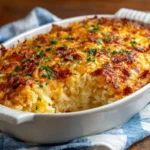
Baked Gnocchi Casserole is a masterclass in Italian-American comfort: tender, pillowy gnocchi enveloped in slow-simmered San Marzano tomato sauce and luxuriously creamy ricotta, crowned with a golden mosaic of mozzarella, fontina, and Parmigiano-Reggiano—baked to bubbling perfection and rested to structural grace.
Infinitely customizable, nutritionally thoughtful, make-ahead friendly, and deeply satisfying, it transforms humble pantry staples into a celebration-worthy centerpiece that nourishes both body and soul—with every forkful echoing centuries of culinary tradition, reinvented for modern life.