Introduction
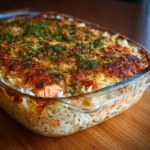
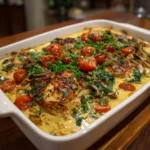
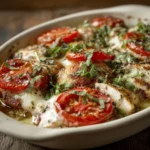
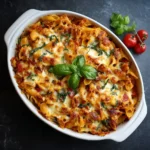
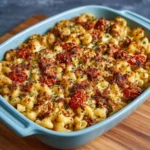
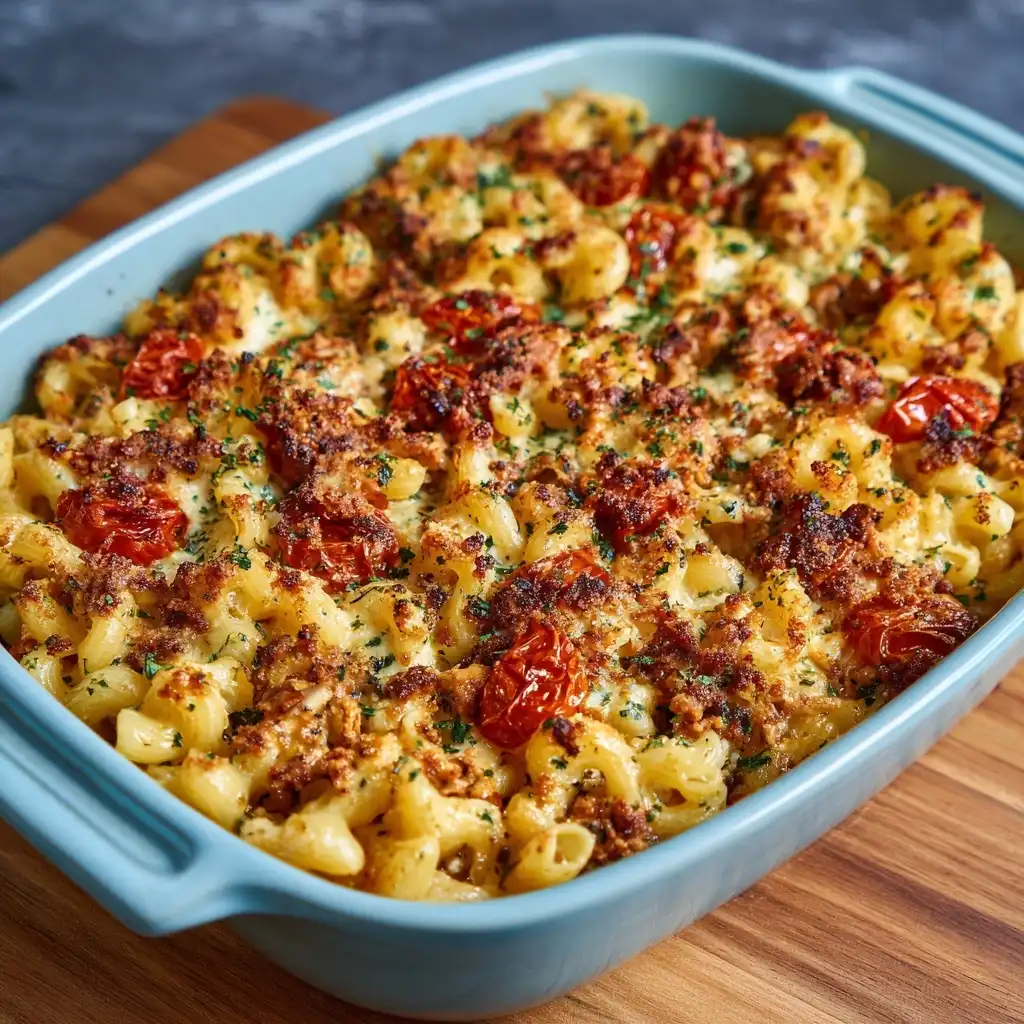
Baked Feta Pasta Casserole is the ultimate comfort food evolution—melding the viral internet sensation of baked feta pasta with the hearty, shareable appeal of a classic casserole. Unlike its skillet-based predecessor, this oven-baked version layers rich flavors, deepens umami complexity through slow roasting, and delivers consistent texture across every bite. It’s creamy without being soggy, tangy without overwhelming, and satisfyingly substantial—perfect for weeknight family dinners, potlucks, holiday sideboards, or meal-prepped lunches that stay delicious for up to five days. Whether you’re a seasoned home cook or a beginner seeking foolproof elegance, this casserole bridges simplicity and sophistication with minimal hands-on time and maximum flavor payoff.
The History
The origins of baked feta pasta trace back to a now-iconic 2020 Finnish food blog post by Terttu Tupsu, whose recipe “Uunifetapasta” (Finnish for “oven-baked feta pasta”) quietly gained traction on Nordic social media. It wasn’t until January 2021—when American food creator Brooklyn Bakes shared her adaptation on TikTok—that the dish exploded globally, amassing over 2 billion views under #bakedfetapasta. Within weeks, supermarkets reported feta shortages, and copycat recipes flooded platforms from Instagram to YouTube. While the original was a single-pan, stovetop-finished dish, culinary innovators quickly began adapting it for batch cooking, dietary needs, and textural refinement—leading directly to the casserole format. The casserole iteration emerged organically in late 2021 as home cooks sought make-ahead versatility, layered ingredient integration (like roasted vegetables and protein), and improved structural integrity for serving. Today, Baked Feta Pasta Casserole stands as a testament to digital-age recipe evolution: community-driven, globally adapted, and endlessly customizable—yet deeply rooted in Mediterranean pantry staples and Finnish baking tradition.
Ingredients Breakdown
Every component in this casserole plays a deliberate role—not just in flavor, but in function, texture, and balance:
- Feta Cheese (block, not crumbled): High-quality Greek feta (in brine, 6–8% fat-in-dry-matter) provides essential saltiness, lactic tang, and structural integrity when baked. Its high moisture content transforms into a luxuriously creamy, slightly caramelized sauce as it melts slowly alongside tomatoes and olive oil. Avoid pre-crumbled feta—it contains anti-caking agents that inhibit melting and yield graininess.
- Cherry or Grape Tomatoes: Their concentrated sweetness, thin skins, and high pectin content create natural thickening as they burst and reduce. Roma or Campari tomatoes work in a pinch—but avoid beefsteak varieties, which release too much water and dilute flavor.
- Extra-Virgin Olive Oil: Not just fat—it’s an aromatic backbone. A robust, peppery EVOO (like early-harvest Koroneiki or Picual) contributes polyphenols that enhance feta’s tang and add subtle bitterness to counterbalance sweetness. Never substitute with light olive oil or vegetable oil; flavor and chemistry suffer.
- Garlic & Red Pepper Flakes: Garlic is added whole (not minced) to prevent burning during the 40-minute bake—roasting mellows its sharpness into nutty depth. Crushed red pepper adds gentle, building heat that complements feta’s salt without dominating.
- Pasta: Short, ridged shapes like campanelle, casarecce, or fusilli trap sauce and hold up to baking without turning mushy. Gluten-free brown rice or lentil pasta works exceptionally well—just adjust boil time by 1–2 minutes less than package directions to avoid overcooking before baking.
- Heavy Cream or Full-Fat Coconut Milk (for dairy-free): Added *after* baking, this enriches mouthfeel and cools the acidity. Heavy cream lends velvety richness; full-fat coconut milk adds subtle tropical nuance and works seamlessly in vegan versions.
- Fresh Herbs (Basil, Oregano, Dill): Added post-bake to preserve volatile oils and bright top notes. Basil brings sweet-anise lift; oregano adds earthy warmth; dill offers grassy freshness—especially complementary to feta’s brininess.
- Lemon Zest & Juice: Brightens the entire profile, cutting through fat and amplifying tomato brightness. Zest contributes aromatic citrus oils; juice adds acidity that balances salt and sweetness.
- Optional Umami Boosters: A teaspoon of white miso paste whisked into the cream adds savory depth without detectable soy flavor. Anchovy paste (¼ tsp) dissolved in warm olive oil before roasting enhances savoriness at a molecular level—undetectable as “fishy,” just profoundly savory.
Step-by-Step Recipe
- Preheat & Prep: Position oven rack in center position. Preheat oven to 400°F (200°C). Lightly grease a 9×13-inch ceramic or enameled cast iron baking dish (avoid thin metal pans—they scorch edges).
- Roast the Base: In the prepared dish, combine 2 cups halved cherry tomatoes, ½ cup extra-virgin olive oil, 4 smashed garlic cloves (skin on), 1 tsp crushed red pepper flakes, 1 tsp dried oregano, ½ tsp black pepper, and 1 tsp flaky sea salt. Arrange in an even layer. Nestle an 8-oz block of feta (pat dry, leave whole) gently into the center. Roast uncovered for 35–40 minutes, until tomatoes are deeply blistered, shrunken, and jammy, garlic is golden and soft, and feta edges are lightly golden and beginning to soften—but still holding shape.
- Boil Pasta Perfectly: While roasting, bring 5 quarts well-salted water (2 Tbsp kosher salt) to a rolling boil. Cook 12 oz pasta (see recommended shapes above) for 1 minute *less* than package’s minimum “al dente” time. Drain thoroughly—but do *not* rinse. Return to hot pot off heat.
- Combine & Layer: Carefully remove roasting dish from oven. Using tongs or a heatproof spatula, gently break feta into large chunks (¼–½ inch) *directly in the dish*, stirring minimally to distribute creamy, roasted tomato-oil mixture. Fold in drained pasta, ensuring every piece is coated. Let rest 2 minutes to absorb residual heat and thicken sauce slightly.
- Enrich & Finish: Whisk together ⅓ cup heavy cream (or full-fat coconut milk), zest of 1 lemon, 1 Tbsp fresh lemon juice, and optional umami boosters (e.g., 1 tsp white miso). Pour evenly over pasta mixture. Gently fold once more—just enough to incorporate cream without breaking feta further.
- Final Bake & Rest: Reduce oven temperature to 375°F (190°C). Bake uncovered for 12–15 minutes—until surface is bubbling at edges and faintly golden in spots. Remove and let rest *undisturbed* for 10 full minutes. This allows starches to set, sauce to emulsify fully, and feta to cool slightly—preventing separation.
- Garnish & Serve: Just before serving, scatter generously with ½ cup fresh basil leaves (torn), 2 Tbsp chopped fresh dill, additional flaky salt, and a final drizzle of high-quality EVOO. Optional: shaved Parmigiano-Reggiano or toasted pine nuts for crunch.
Tips
- Don’t skip the garlic skin: Roasting garlic *with skin on* prevents burning and yields creamy, mellow cloves you can squeeze directly into the sauce—or serve whole as a delicacy.
- Pat feta dry—even if it’s brined: Excess surface moisture creates steam pockets and delays browning. Use paper towels and press gently.
- Undercook pasta intentionally: Pasta continues to absorb liquid while resting and baking. Overcooked pasta becomes gummy and disintegrates.
- Resist stirring after adding cream: Overmixing breaks down the delicate emulsion. Fold once—then stop.
- Rest is non-negotiable: Skipping the 10-minute rest causes sauce to weep and separate. This pause lets starches re-gel and fats re-emulsify.
- Use room-temp cream: Cold cream can cause sudden cooling and curdling when folded into hot pasta. Let it sit out 10 minutes.
- For crisper top: Broil 1–2 minutes at end (watch closely!)—but only after full 10-minute rest. Do not broil before resting.
- Acid timing matters: Lemon juice added *after* baking preserves brightness. Adding it before roasting dulls its vibrancy and can cause feta to toughen.
- Batch-friendly scaling: Double the recipe? Use two 9×13 dishes—not one oversized pan. Uneven heating ruins texture.
- Leftover magic: Refrigerated casserole reheats beautifully in oven at 325°F (165°C) covered with foil for 20 minutes, then uncovered 5 minutes. Stir in 1–2 Tbsp cream or pasta water before reheating if dry.
Variations and Customizations
Protein-Powered Versions
- Chicken & Sun-Dried Tomato: Add 2 cups shredded rotisserie chicken (cooled) and ⅓ cup chopped oil-packed sun-dried tomatoes with the pasta. Sprinkle with ¼ cup grated Pecorino Romano before final bake.
- Shrimp & Dill: Toss 1 lb peeled, deveined shrimp (raw) in 1 tsp smoked paprika + ½ tsp garlic powder. Roast *alongside* tomatoes for first 15 minutes, then fold in with pasta.
- Plant-Based “Sausage”: Add 1½ cups crumbled, sautéed lentil-walnut “sausage” (seasoned with fennel, sage, and nutritional yeast) with pasta.
Veggie-Forward Twists
- Ratatouille Style: Sauté 1 diced zucchini, ½ diced eggplant, and 1 diced red bell pepper in 2 Tbsp olive oil until tender. Add with tomatoes before roasting.
- Roasted Cauliflower & Olives: Toss 3 cups cauliflower florets with 1 Tbsp olive oil, roast on separate sheet at 425°F for 20 minutes, then stir in with pasta. Finish with ⅓ cup Kalamata olives and capers.
- Spinach & Artichoke: Stir in 5 oz thawed, squeezed frozen spinach and 1 cup marinated artichoke hearts (drained) with pasta. Top with dollops of ricotta before final bake.
Dietary Adaptations
- Gluten-Free: Use certified GF pasta (brown rice, chickpea, or lentil). Increase initial boil time by 30 seconds—GF pasta absorbs liquid faster in oven.
- Vegan: Swap feta for almond-cashew “feta” (blend 1 cup soaked cashews + ½ cup blanched almonds + 3 Tbsp lemon juice + 2 Tbsp nutritional yeast + 1 tsp white miso + ½ tsp salt + 3–4 Tbsp water until smooth; chill 2 hrs). Use coconut milk + 1 tsp apple cider vinegar for tang.
- Low-Carb/Keto: Replace pasta with 1.5 lbs spiralized zucchini (salted, squeezed dry) or shirataki noodles (rinsed, dry-roasted 5 min in skillet). Reduce tomatoes to 1 cup; add ½ cup roasted red peppers for sweetness.
- Dairy-Free (non-vegan): Use Miyoko’s or Violife feta-style block + coconut milk. Skip cream; stir in 2 Tbsp tahini + 1 Tbsp lemon for richness.
Global Flavor Infusions
- Lebanese Za’atar: Replace oregano with 1½ tsp za’atar. Garnish with sumac and mint.
- Italian Herb-Roasted: Add 1 tsp dried basil + ½ tsp dried thyme with tomatoes. Finish with fresh oregano and a grating of aged balsamic glaze.
- Greek-Inspired: Stir in ¼ cup chopped cucumber (seeded) and 2 Tbsp chopped red onion post-bake. Top with crumbled kalamata olives and a sprinkle of dried mint.
- Mediterranean Mezze: Layer bottom with ½ cup hummus before adding tomato mixture. Top finished casserole with dollops of tzatziki and pickled red onions.
Health Considerations and Nutritional Value
A 1¾-cup serving (approx. 1/6 of recipe) provides approximately:
- Calories: 485 kcal
- Protein: 18 g (from feta, pasta, optional proteins)
- Fat: 26 g (mostly monounsaturated from EVOO and feta; ~11 g saturated)
- Carbohydrates: 42 g (including 3 g fiber from tomatoes, herbs, and whole-grain pasta options)
- Sodium: ~720 mg (naturally occurring in feta and tomatoes; easily reduced by using low-sodium feta or rinsing briefly)
- Vitamins & Minerals: Excellent source of calcium (25% DV), vitamin A (from tomatoes & olive oil), vitamin K (from greens & olive oil), and antioxidants (lycopene, oleocanthal, polyphenols).
Nutritional Highlights & Notes:
- Feta Benefits: Lower in lactose and calories than many cheeses; rich in conjugated linoleic acid (CLA), linked to anti-inflammatory effects.
- Olive Oil Power: Contains oleocanthal—a natural compound with ibuprofen-like anti-inflammatory properties—enhanced by roasting.
- Tomato Lycopene Boost: Cooking tomatoes with oil increases lycopene bioavailability by up to 400%, supporting heart and skin health.
- Smart Swaps for Health Goals:
– Lower Sodium: Use low-sodium feta (check label), omit added salt, rely on herbs/spices.
– Higher Fiber: Choose 100% whole wheat or legume-based pasta (adds 5–8g fiber/serving).
– Lower Fat: Reduce olive oil to ⅓ cup and add ¼ cup vegetable broth for moisture; use part-skim ricotta instead of cream.
– Blood Sugar Friendly: Pair with 1 cup roasted non-starchy veggies (asparagus, broccoli) to slow glucose absorption. - Considerations: Naturally higher in sodium due to feta—moderation advised for hypertension. Those with histamine sensitivity may wish to limit aged feta or opt for fresh goat cheese. Always consult a registered dietitian for personalized guidance.
Ingredients
- 2 cups cherry tomatoes (red or multicolored), halved
- ½ cup extra-virgin olive oil (high-quality, robust)
- 4 garlic cloves, smashed (skin on)
- 1 teaspoon crushed red pepper flakes
- 1 teaspoon dried oregano
- ½ teaspoon freshly ground black pepper
- 1 teaspoon flaky sea salt (plus more for pasta water)
- 1 (8-ounce) block authentic Greek feta cheese, in brine (pat dry)
- 12 ounces short, ridged pasta (campanelle, fusilli, casarecce, or GF equivalent)
- ⅓ cup heavy cream or full-fat coconut milk
- Zest of 1 medium lemon
- 1 tablespoon fresh lemon juice
- ½ cup fresh basil leaves, torn
- 2 tablespoons fresh dill, chopped
- Extra drizzle of olive oil and flaky salt for finishing
Directions
- Preheat oven to 400°F (200°C). Lightly grease a 9×13-inch baking dish.
- In the prepared dish, combine cherry tomatoes, olive oil, smashed garlic, red pepper flakes, oregano, black pepper, and 1 tsp flaky salt. Arrange evenly. Place feta block in center.
- Raise dish onto center oven rack. Roast 35–40 minutes, until tomatoes are blistered and jammy, garlic is golden, and feta edges are softly golden.
- Meanwhile, bring 5 quarts water to boil. Add 2 Tbsp kosher salt. Cook pasta 1 minute shy of al dente. Drain thoroughly; return to pot off heat.
- Remove dish from oven. Gently break feta into large pieces with tongs or spatula, folding into tomato mixture. Add drained pasta; stir gently to coat. Let rest 2 minutes.
- In small bowl, whisk cream, lemon zest, lemon juice, and optional umami booster (e.g., 1 tsp white miso). Pour over pasta. Fold once gently.
- Reduce oven to 375°F (190°C). Bake uncovered 12–15 minutes, until edges bubble and surface shows light golden spots.
- Remove from oven. Rest undisturbed 10 minutes.
- Garnish generously with torn basil, chopped dill, flaky salt, and final olive oil drizzle. Serve warm.
FAQ
- Can I make this ahead of time?
- Absolutely. Assemble through Step 5 (pasta folded in), cover tightly, and refrigerate up to 24 hours. When ready to bake, let sit at room temperature 30 minutes, then proceed with cream addition and baking—add 3–5 minutes to final bake time.
- Why did my feta turn grainy or rubbery?
- Most often caused by using pre-crumbled feta (anti-caking agents), low-fat feta (too little fat to melt properly), or adding acidic ingredients (lemon juice) *before* roasting. Also occurs if pasta is overcooked and releases excess starch, causing separation.
- Can I freeze baked feta pasta casserole?
- Yes—with caveats. Freeze *before* final bake (after Step 5) for best texture. Thaw overnight in fridge, then add cream and bake as directed—add 5–7 minutes. Fully baked casserole freezes less ideally (cream may separate upon thaw/reheat); if freezing leftovers, portion and add 1 tsp cream per serving before reheating.
- What pasta shapes work best—and why?
- Ridged, tubular, or twisted shapes (campanelle, fusilli, casarecce, gemelli) grip the thick, creamy sauce and resist mushiness during baking. Avoid spaghetti or linguine—they clump and dry out. Small shells or radiatori also excel. For gluten-free, brown rice fusilli or chickpea penne offer optimal chew and sauce adhesion.
- My sauce is too thin/too thick—how do I fix it?
- Too thin? Let rest longer (up to 15 mins)—starches will continue to thicken. Or stir in 1 tsp cornstarch slurry (mixed with 1 Tbsp cold water) during final 3 minutes of bake.
Too thick? Whisk in 1–2 Tbsp warm pasta water or cream, ½ Tbsp at a time, until desired consistency. - Is there a way to make it spicier without overwhelming heat?
- Yes! Add ¼ tsp smoked paprika with tomatoes for depth, 1 finely minced jalapeño (seeds removed) with garlic, or finish with pickled cherry peppers. For slow-building heat, increase red pepper flakes to 1½ tsp and add ¼ tsp cayenne with cream.
- Can I use other cheeses instead of feta?
- You can—but it won’t be “baked feta pasta.” Halloumi holds shape but lacks tang. Queso fresco crumbles too easily. Goat cheese melts beautifully but is milder and less salty. For closest results, blend ¾ cup feta + ¼ cup ricotta—retains tang while adding creaminess.
- How do I keep leftovers creamy when reheating?
- Always reheat covered with foil at low temp (325°F) for 20 minutes, then uncover for 5 minutes. Stir in 1–2 tsp cream, olive oil, or reserved pasta water before reheating. Avoid microwaving uncovered—it dries out fast.
- What wine pairs best with this dish?
- A crisp, high-acid white shines: Assyrtiko (Greek), Vermentino (Sardinian), or Sauvignon Blanc (Loire or New Zealand). For red lovers, try a chilled, low-tannin red like Frappato or Gamay. Avoid oaky Chardonnay or bold Cabernet—they clash with feta’s salt and tang.
- Can I add vegetables without changing the bake time?
- Yes—if pre-roasted or sautéed until tender *before* mixing in. Raw zucchini or spinach will release water and dilute sauce. Roast veggies separately at 425°F until caramelized, then fold in with pasta.
Summary
Baked Feta Pasta Casserole is a masterclass in layered Mediterranean flavor—where blistered tomatoes, slow-roasted garlic, and premium feta unite with perfectly al dente pasta and bright lemon-herb finish to create a rich, tangy, deeply comforting oven-baked classic.
Infinitely adaptable for dietary needs, seasonal produce, and global pantry staples, it’s as practical for Sunday meal prep as it is impressive for dinner parties—proving that humble ingredients, precise technique, and thoughtful resting transform viral trends into timeless heirloom dishes.