Introduction
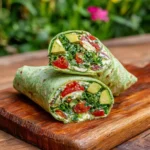
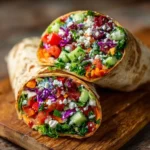
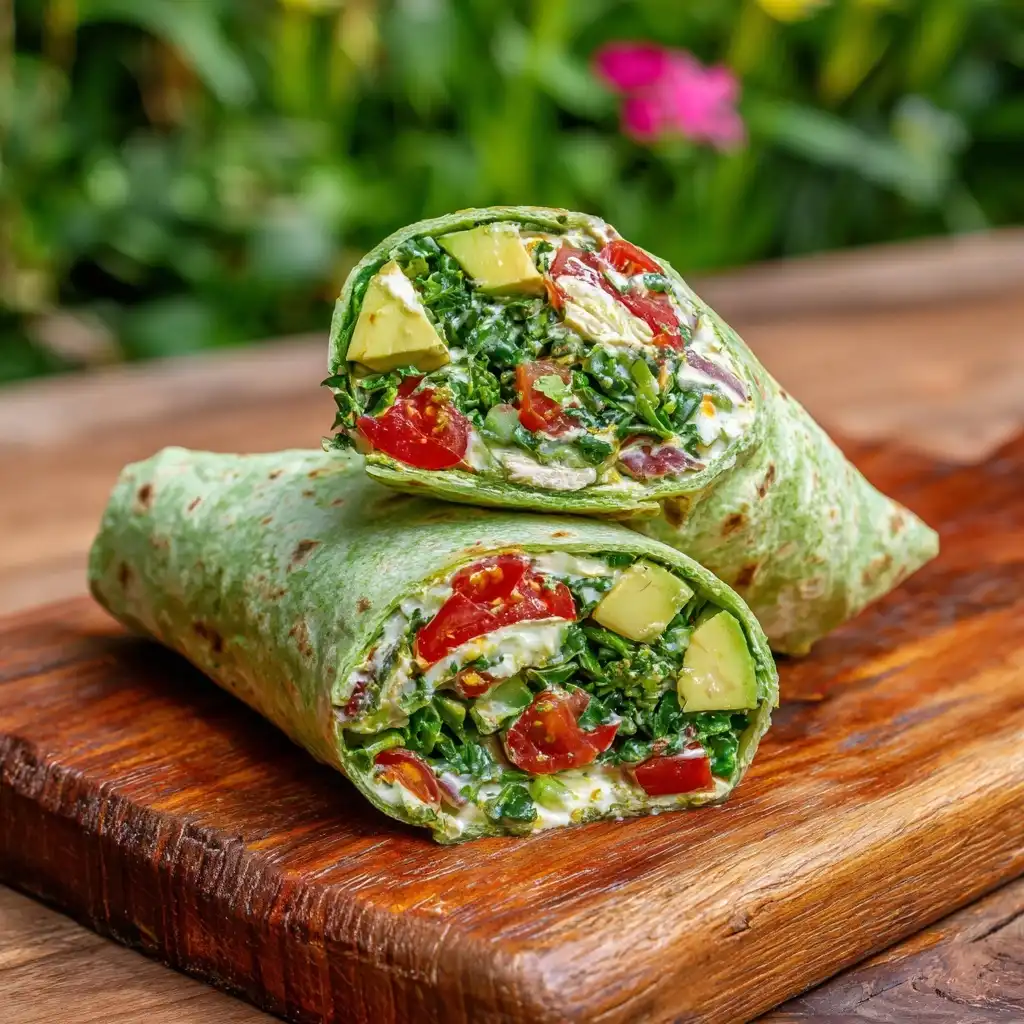
The Avocado Veggie Garden Wrap is a vibrant, nutrient-dense, plant-powered meal that celebrates freshness, simplicity, and wholesome flavor. Designed for health-conscious eaters, busy professionals, meal-prep enthusiasts, and anyone seeking a satisfying yet light lunch or dinner option, this wrap seamlessly blends creamy avocado richness with the crisp, earthy, and sweet notes of garden-fresh vegetables. Unlike traditional wraps loaded with processed fillings or heavy sauces, this version prioritizes whole-food integrity—no refined sugars, minimal added oil, and zero artificial preservatives. It’s naturally gluten-free (when using certified GF tortillas), easily vegan, and infinitely adaptable to seasonal produce and dietary preferences. Whether you’re packing it for work, serving it at a summer picnic, or enjoying it as a post-workout refuel, the Avocado Veggie Garden Wrap delivers bold texture, balanced nutrition, and restaurant-quality appeal—all from your own kitchen.
The History
While there is no single documented “invention” of the avocado veggie wrap, its origins trace back to the broader evolution of the modern wrap—a culinary innovation born in the late 20th century as a portable, customizable alternative to sandwiches and salads. The rise of California cuisine in the 1970s and ’80s played a pivotal role: chefs like Alice Waters championed farm-to-table principles, spotlighting ripe avocados—native to south-central Mexico but commercially cultivated in California since the early 1900s—as a star ingredient. As avocado gained global popularity (spurred by Super Bowl guac trends, social media “avocado toast” mania, and USDA dietary guidelines highlighting monounsaturated fats), home cooks and health-focused food brands began experimenting with avocado as a binder and flavor enhancer beyond dips and spreads. By the mid-2000s, vegetarian and vegan restaurants across Portland, Austin, and Toronto started featuring avocado-based wraps on menus—replacing mayo with mashed avocado, adding sprouts for crunch, and incorporating fermented elements like sauerkraut for gut-friendly complexity. The “Garden Wrap” moniker emerged organically, evoking imagery of backyard harvests and edible landscapes—and today, the Avocado Veggie Garden Wrap stands as a beloved staple of clean-eating culture, meal delivery services, wellness retreats, and school lunch programs aiming to increase vegetable consumption among children and adults alike.
Ingredients Breakdown
Every element in this wrap serves both functional and nutritional purpose—no filler, no afterthoughts:
- Whole Grain or Sprouted Grain Tortilla (10–12 inches): Provides complex carbohydrates, B vitamins, and fiber (aim for ≥4g per serving). Sprouted varieties offer enhanced digestibility and increased bioavailability of iron, zinc, and folate.
- Ripe Hass Avocado (½, mashed with lemon juice): Delivers heart-healthy monounsaturated fats (oleic acid), potassium (more per gram than bananas), lutein for eye health, and natural creaminess that acts as a binder and moisture lock—eliminating the need for oil-based dressings.
- Shredded Purple Cabbage (½ cup): A cruciferous powerhouse rich in anthocyanins (potent antioxidants), vitamin C, and sulforaphane—compounds linked to reduced inflammation and cellular protection. Its vibrant color also adds visual appeal and subtle peppery crunch.
- Thinly Sliced English Cucumber (¼ cup): Hydrating (96% water), low-calorie, and rich in silica—supporting connective tissue health. Its cool, crisp texture balances the richness of avocado.
- Matchstick-Carrot Ribbons (⅓ cup): Raw carrots contribute beta-carotene (converted to vitamin A), fiber, and natural sweetness. Using a peeler instead of grating preserves more surface area for nutrient retention and textural integrity.
- Fresh Baby Spinach or Arugula (½ cup, lightly packed): Adds chlorophyll, nitrates (shown to support healthy blood pressure), and folate. Arugula contributes a gentle peppery note; spinach offers milder flavor and greater iron bioavailability when paired with lemon juice from the avocado.
- Sprouted Lentils or Alfalfa Sprouts (3 tbsp): A live, enzyme-rich addition offering complete plant protein (lentil sprouts), vitamin K, and digestive enzymes that aid nutrient assimilation. Sprouting increases antioxidant capacity up to 500% compared to unsprouted seeds.
- Thinly Sliced Radishes (4–5 coins): Provide a sharp, refreshing bite and glucosinolates—sulfur-containing compounds studied for their detoxification-supporting properties in the liver.
- Microgreens (1 tbsp—sunflower, pea tendrils, or broccoli): Considered nutritional “powerhouses,” microgreens contain up to 40 times more vitamins, carotenoids, and polyphenols than their mature counterparts—making them an ultra-concentrated garnish with profound impact.
- Lemon Juice (½ tsp, freshly squeezed): Prevents avocado browning via citric acid inhibition, enhances iron absorption from greens, and brightens overall flavor without added sodium.
- Optional Boosters: Hemp seeds (omega-3s & gamma-linolenic acid), nutritional yeast (vitamin B12 & umami depth), pickled red onion (probiotic support & tang), or fresh dill/mint (digestive aid & aromatic lift).
Step-by-Step Recipe
- Prep the Avocado Base: Cut a ripe Hass avocado in half, remove the pit, and scoop flesh into a small bowl. Add lemon juice, a pinch of flaky sea salt, and a twist of freshly ground black pepper. Mash gently with a fork until mostly smooth but with slight texture remaining—avoid over-mixing, which can cause oxidation and heat-induced breakdown.
- Prep All Vegetables: While avocado rests, thinly slice cucumber using a mandoline or sharp knife. Use a vegetable peeler to create long, delicate ribbons from peeled carrots. Core and thinly shred purple cabbage (a food processor with shredding disc saves time—but pulse carefully to avoid mush). Rinse and spin-dry spinach/arugula. Slice radishes paper-thin. Rinse sprouts and pat dry thoroughly—excess moisture is the #1 cause of soggy wraps.
- Warm the Tortilla (Crucial Step): Heat a dry stainless steel or cast-iron skillet over medium-low heat for 60 seconds. Place tortilla directly on surface for 15–20 seconds per side—just until pliable and slightly puffed, with faint golden speckles. Do not brown or crisp. This step activates gluten (if present) for flexibility and prevents tearing during rolling. Alternatively, wrap 1–2 tortillas in a damp paper towel and microwave for 10–12 seconds.
- Assemble Strategically: Lay warm tortilla flat on a clean, dry surface. Spread avocado mixture evenly across center third—leaving 1.5 inches bare at top and bottom edges and 1 inch on each side. Layer spinach/arugula first (as a moisture barrier), followed by cabbage, carrots, cucumber, radishes, sprouts, and microgreens—keeping fillings below the midpoint to ensure tight rolling. Avoid overstuffing; aim for ~¾ cup total filling.
- Roll with Precision: Fold bottom edge up and over filling, tucking tightly. Fold left and right sides inward like an envelope. Continue rolling forward with firm, even pressure—using palms to compress gently as you go. If using a whole grain tortilla prone to cracking, roll inside a sheet of parchment paper first, then peel away before serving.
- Rest & Set: Place seam-side down on a plate and refrigerate, uncovered, for 10–15 minutes. This allows avocado to adhere to ingredients and stabilizes structure—critical for clean slicing or transport.
- Serve or Store: For immediate eating, slice diagonally and serve open-faced or whole. For meal prep, wrap tightly in parchment + beeswax wrap or parchment-lined reusable container. Consume within 24 hours for optimal texture and food safety.
Tips
- Avocado Ripeness Matters: Choose avocados yielding gently to palm pressure—not fingertip (which bruises flesh). Store unripe avocados in a brown paper bag with a banana or apple to accelerate ethylene-driven ripening in 1–3 days.
- Prevent Browning Without Compromising Flavor: Lemon juice works best—but lime, yuzu, or sumac vinegar add nuance. Avoid bottled citrus juices (often sulfited) and steer clear of onions or garlic in the mash unless used immediately—they accelerate enzymatic browning.
- Tortilla Selection Science: Sprouted grain wraps (like Ezekiel) offer superior amino acid profiles and lower glycemic impact. For gluten-free options, choose cassava or coconut-flour-based wraps—they’re more pliable than rice paper when warmed properly.
- Dry Greens Religiously: Even residual water from washing creates steam inside the wrap, softening the tortilla and separating layers. Use a salad spinner + double-pat with organic cotton cloths.
- Layer Order Is Non-Negotiable: Always place leafy greens directly against the tortilla—they absorb excess moisture and prevent slipping. Heavier items (cabbage, carrots) go in the middle; delicate items (microgreens, sprouts) go on top, just before rolling.
- Roll Tight, But Not Too Tight: Over-compression ruptures vegetable cells, releasing water. Under-rolling leads to unraveling. Practice with a “test wrap” using less filling to refine technique.
- Meal Prep Hack: Pre-portion all chopped veggies in labeled, airtight containers. Mash avocado fresh daily—or make “avocado paste” with extra lemon and freeze in ice cube trays (thaw overnight in fridge + re-mash).
- Transportation Tip: Slice wrap in half, then insert wooden picks through both halves to lock them together. Wrap snugly in parchment—never plastic—to allow breathability and prevent condensation.
Variations and Customizations
This wrap is a canvas—not a formula. Here are thoughtfully curated adaptations grounded in culinary science and nutritional synergy:
- Mediterranean Garden Wrap: Swap avocado for whipped white bean–lemon–tahini dip; add kalamata olives, roasted red peppers, crumbled vegan feta (made from almond milk + probiotics), and dried oregano.
- Southwest Fiesta Wrap: Stir chipotle powder and smoked paprika into avocado mash; layer with black beans (rinsed), corn kernels (grilled or raw), pickled jalapeños, and cilantro-lime slaw.
- Asian-Inspired Garden Wrap: Replace lemon with rice vinegar + toasted sesame oil (½ tsp); add shredded daikon, edamame, scallions, pickled ginger, and nori strips for umami and iodine.
- Protein-Powered Garden Wrap: Add 2 oz marinated baked tofu, tempeh bacon crumbles, or lentil-walnut pâté. For omnivores: thinly sliced grilled chicken breast or smoked turkey (nitrate-free, organic).
- Breakfast Garden Wrap: Use a savory herb tortilla; spread mashed avocado + turmeric-scrambled tofu or soft-scrambled eggs; add sautéed zucchini, cherry tomatoes, and fresh basil.
- Kid-Friendly “Rainbow Roll”: Skip radishes and arugula; add shredded beets (for sweetness and color), diced apple, sunflower seed butter drizzle, and fun-shaped cookie cutters for mini wraps.
- Low-FODMAP Adaptation: Omit garlic/onion-infused avocado; swap cabbage for bok choy, carrots for zucchini ribbons, and sprouts for pumpkin seeds; use certified low-FODMAP tortilla (e.g., gluten-free rice/corn blend).
- Raw Vegan Version: Dehydrate flax-seed “wraps” (blended flax, water, herbs, dehydrated 8–10 hrs); fill with julienned vegetables, avocado, and fermented cashew “sour cream.”
Health Considerations and Nutritional Value
A single standard Avocado Veggie Garden Wrap (made with one 10-inch whole grain tortilla, ½ avocado, and 1.5 cups mixed vegetables) delivers approximately:
- Calories: 385–420 kcal (moderate energy density ideal for sustained satiety)
- Protein: 10–12 g (enhanced with legume sprouts or seeds—supports muscle maintenance and thermogenesis)
- Fiber: 14–17 g (≥60% of Daily Value—feeds beneficial gut microbiota, regulates glucose metabolism, and promotes bowel regularity)
- Healthy Fats: 22–26 g (primarily monounsaturated—lowers LDL cholesterol, improves endothelial function, and supports brain cell membrane integrity)
- Potassium: ~950 mg (27% DV—critical for fluid balance, nerve transmission, and counteracting sodium’s hypertensive effects)
- Vitamin K1: ~120 mcg (100%+ DV—essential for blood clotting and bone mineralization)
- Vitamin C: ~95 mg (105% DV—regenerates vitamin E, synthesizes collagen, and enhances non-heme iron absorption)
- Folate (B9): ~180 mcg DFE (45% DV—vital for DNA synthesis, especially important during pregnancy and rapid cell turnover)
Key Health Highlights:
- Gut Microbiome Support: Raw vegetables + sprouts + microgreens supply prebiotic fibers (inulin, resistant starch) and live microbes—shown in clinical trials to increase Bifidobacterium and Lactobacillus strains within 14 days.
- Antioxidant Synergy: The combination of lutein (avocado), anthocyanins (purple cabbage), beta-carotene (carrots), and vitamin C (lemon, spinach) creates a network effect—each compound regenerating the others to extend oxidative protection.
- Low Glycemic Impact: With a GI estimated at 35–40, this wrap causes minimal insulin spikes—ideal for metabolic health, PCOS management, and diabetes prevention.
- Phytochemical Diversity: Contains over 200 distinct phytonutrients—including sulforaphane, quercetin, apigenin, and kaempferol—each modulating unique gene expression pathways related to detoxification, apoptosis, and anti-angiogenesis.
- Considerations: Those with latex-fruit syndrome may react to avocado; individuals on warfarin should maintain consistent vitamin K intake (not restrict)—consult a dietitian. High-fiber content may cause bloating if introduced too rapidly; increase gradually over 7–10 days.
Ingredients
- 1 (10–12 inch) whole grain, sprouted grain, or gluten-free tortilla (certified if needed)
- ½ ripe Hass avocado
- ½ teaspoon fresh lemon juice (plus extra for garnish)
- Pinch of flaky sea salt (e.g., Maldon)
- Freshly ground black pepper (to taste)
- ½ cup thinly shredded purple cabbage
- ⅓ cup carrot ribbons (use a Y-peeler)
- ¼ cup very thin cucumber slices (English or Persian preferred)
- ½ cup baby spinach or arugula (lightly packed)
- 3 tablespoons sprouted lentils or alfalfa sprouts
- 4–5 thin radish slices
- 1 tablespoon mixed microgreens (sunflower, pea, broccoli)
- Optional: 1 teaspoon hemp seeds, ½ teaspoon nutritional yeast, or 1 tbsp quick-pickled red onion
Directions
- In a small bowl, mash the avocado with lemon juice, sea salt, and black pepper until creamy but textured.
- Prepare all vegetables: shred cabbage, peel and ribbon carrots, slice cucumber and radishes thinly, rinse and thoroughly dry sprouts and greens.
- Heat a dry skillet over medium-low heat. Warm tortilla for 15 seconds per side until soft and pliable—do not brown.
- Spread avocado mixture evenly over center third of warm tortilla, leaving margins bare.
- Layer spinach/arugula first, then cabbage, carrots, cucumber, radishes, sprouts, and microgreens in order—keeping fillings compact and below centerline.
- Fold bottom edge up and over filling, tuck tightly, fold sides inward, and roll forward firmly but gently.
- Place seam-side down and chill uncovered for 10–15 minutes to set.
- For best experience, slice on a sharp diagonal and serve immediately—or wrap for transport using parchment paper.
FAQ
- Can I make this wrap ahead of time?
- Yes—with caveats. Assemble up to 24 hours in advance *only* if avocado is mashed with extra lemon (1 tsp) and stored in direct contact with plastic wrap pressed onto surface to limit air exposure. Keep filled, rolled wrap refrigerated in parchment-lined container. Note: Cucumber and sprouts soften slightly but remain safe and flavorful.
- What’s the best tortilla for freezing?
- Sprouted grain and cassava tortillas freeze exceptionally well. Warm briefly before assembling—never freeze assembled wraps, as ice crystals rupture vegetable cell walls and create sogginess upon thawing.
- Why does my wrap always fall apart?
- Three primary causes: 1) Tortilla wasn’t warmed sufficiently (cold = brittle), 2) Too much moisture from undried greens or overripe avocado, 3) Filling placed too high/low—disrupting structural balance. Revisit Step 3 and Step 4 in the recipe.
- Is this suitable for weight loss?
- Absolutely—when portioned mindfully. Its high volume, fiber, and healthy fats promote prolonged satiety (studies show avocado increases PYY hormone by 23%), reducing between-meal snacking. Pair with herbal tea or sparkling water—not sugary beverages—to maximize benefit.
- Can I use frozen vegetables?
- Not recommended. Frozen vegetables release significant water when thawed, compromising texture and causing separation. Stick to fresh, peak-season produce for optimal crunch, nutrition, and structural integrity.
- How do I add more protein without meat or dairy?
- Top with 1 tbsp shelled edamame, 1 tbsp sprouted mung beans, 1 tsp hemp hearts, or 2 tbsp crumbled tempeh bacon. For a full 15g protein boost: add ¼ cup cooked French lentils (cooled and patted dry) beneath the greens.
- What if I’m allergic to avocado?
- Excellent alternatives include: mashed silken tofu + lemon + nutritional yeast (for creaminess + umami), white bean–tahini dip, or ripe banana blended with lime and pinch of cinnamon (for sweetness-forward versions). All provide binding and moisture without allergenic proteins.
- Can kids help make this?
- Yes! Assign age-appropriate tasks: toddlers can tear lettuce, preschoolers can sprinkle seeds, elementary-age kids can spread avocado or roll wraps with guidance. Involving children increases vegetable acceptance by up to 70% according to pediatric feeding research.
Summary
The Avocado Veggie Garden Wrap is a masterclass in whole-food synergy—melding creamy, nutrient-dense avocado with a rainbow of raw, sprouted, and micro-grown vegetables to deliver unparalleled fiber, phytonutrients, and gut-supportive compounds in every bite.
Simple to prepare yet deeply nourishing, endlessly customizable, and grounded in both culinary tradition and modern nutritional science, it’s far more than a meal—it’s a daily act of vibrant, intentional living.