Introduction
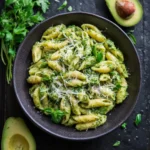
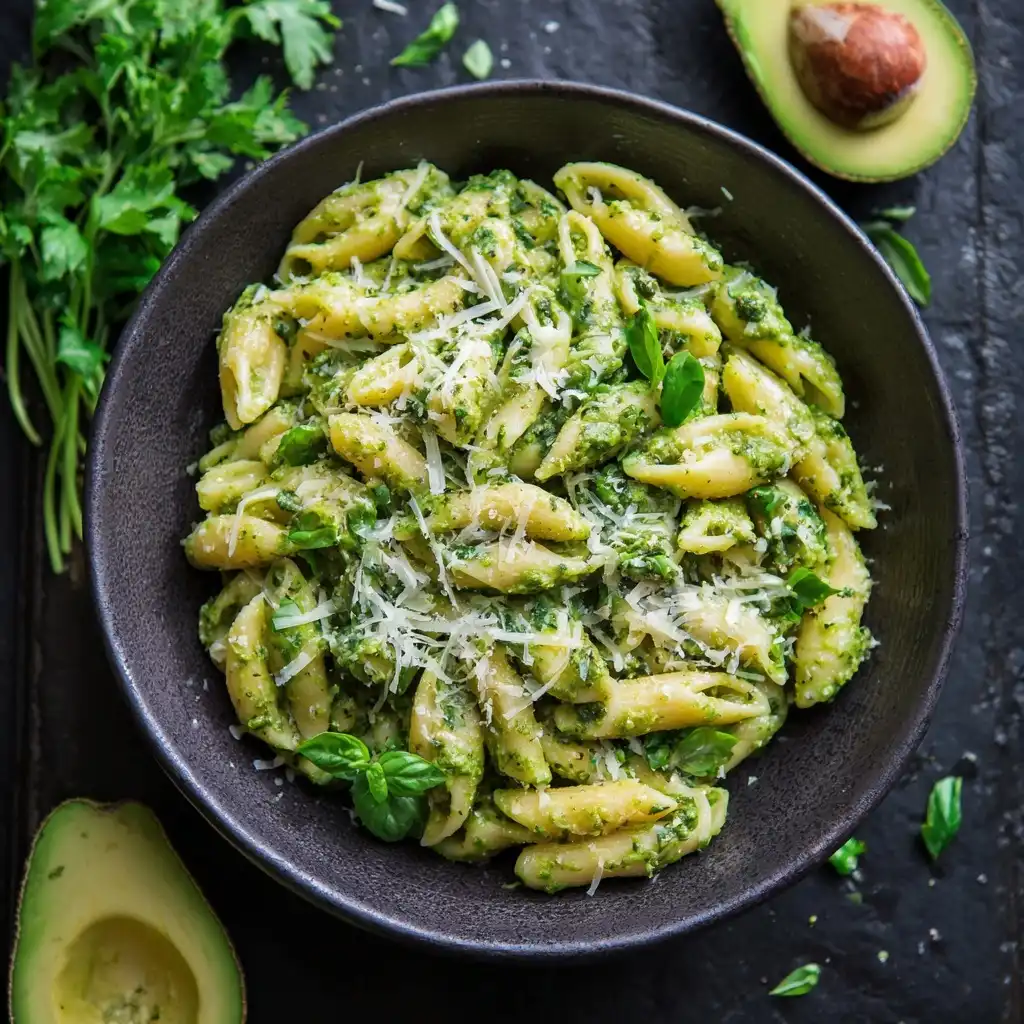
Avocado Pesto Pasta is a vibrant, creamy, and nutritionally rich twist on the classic Italian favorite—blending the buttery richness of ripe avocados with the bold, herbaceous punch of traditional pesto. Unlike its basil-and-pine-nut counterpart, this modern iteration delivers a luxuriously smooth texture without relying on heavy cream, cheese, or excessive oil—making it naturally dairy-free, vegan-friendly (with simple substitutions), and packed with heart-healthy monounsaturated fats, fiber, and antioxidants. Whether you’re seeking a 15-minute weeknight dinner, a crowd-pleasing potluck dish, or a nutrient-dense meal that satisfies both health-conscious eaters and flavor-forward food lovers, Avocado Pesto Pasta bridges tradition and innovation in every forkful.
The History
While traditional Genovese pesto dates back to at least the 19th century—and possibly earlier, with roots in ancient Roman moretum (a garlic-and-herb paste)—avocado-based pesto is a distinctly contemporary creation born from the global avocado boom of the late 20th and early 21st centuries. As avocados gained popularity beyond Mexico and Central America—especially after California’s Hass avocado industry scaled up in the 1970s—their culinary versatility sparked experimentation across cuisines. Chefs and home cooks alike began substituting avocados for nuts or cheese in sauces to add creaminess, reduce saturated fat, and boost potassium and folate content. The fusion of Mediterranean pesto technique with Mesoamerican superfruit culminated in avocado pesto pasta as a staple in wellness blogs, plant-based cookbooks, and restaurant menus by the mid-2010s. Its rise coincided with growing demand for gluten-free, dairy-free, and whole-food, minimally processed meals—positioning it not just as a trend, but as an enduring evolution of pasta sauce craftsmanship.
Ingredients Breakdown
Every component in Avocado Pesto Pasta serves a functional and sensory purpose—balancing richness, acidity, umami, freshness, and texture:
- Ripe Avocados (2 medium): The star ingredient—provides velvety body, natural creaminess, and a lush mouthfeel. Their high oleic acid content mimics the unctuous quality of aged Parmesan while contributing anti-inflammatory omega-9s and 20+ vitamins and minerals.
- Fresh Basil Leaves (1 packed cup): Offers aromatic sweetness and peppery brightness. Use only fresh—dried basil lacks volatile oils and introduces bitterness. Stems are optional but can add depth if blended and strained.
- Garlic (2–3 cloves, raw or lightly sautéed): Raw garlic delivers pungent, zesty heat; gently cooking it first mellows sharpness and enhances sweetness—ideal for sensitive palates or digestion.
- Lemon Juice (¼–⅓ cup, freshly squeezed): Critical for brightness, pH balance (to prevent browning), and emulsification. Bottled lemon juice lacks nuanced flavor and citric acid consistency, risking flatness or metallic notes.
- Extra-Virgin Olive Oil (3–4 tbsp): Adds fruity complexity, phenolic antioxidants, and silkiness. Opt for a mild-to-medium intensity EVOO—not robust—to avoid overpowering the avocado’s subtlety.
- Nuts or Seeds (¼ cup): Pine nuts lend authenticity and buttery nuance; walnuts add earthiness and omega-3s; slivered almonds offer crunch and affordability; hemp or sunflower seeds make it nut-free and allergen-conscious.
- Grated Hard Cheese (optional, ¼ cup): Nutritional yeast (for vegans) or finely grated Parmigiano-Reggiano/Pecorino adds savory umami and saltiness—enhancing depth without masking the avocado’s character.
- Sea Salt & Freshly Ground Black Pepper: Essential for flavor layering and balancing fat and acid. Kosher or flaky sea salt ensures even distribution; freshly cracked pepper contributes volatile aromatics.
- Pasta (12 oz dried or 16 oz fresh): Long strands like spaghetti, linguine, or bucatini cling best to creamy pesto; short shapes like fusilli, casarecce, or trofie trap sauce in their grooves. Whole-grain, lentil, chickpea, or brown rice pasta boost protein and fiber—just adjust cooking time.
- Pasta Water (½–¾ cup, reserved): Starchy, salty, hot water acts as a natural emulsifier—binding oil, acid, and avocado into a cohesive, glossy sauce that coats every noodle evenly.
- Optional Garnishes: Toasted pine nuts, microgreens, lemon zest, chili flakes, cherry tomato halves, grilled corn, crumbled feta (non-vegan), or edible flowers elevate visual appeal and textural contrast.
Step-by-Step Recipe
- Select & Prep Avocados: Choose Hass avocados with pebbly, dark-purple-to-black skin that yield slightly to gentle palm pressure (not fingertip—bruising occurs easily). Cut lengthwise around the pit, twist to separate, and scoop flesh into a bowl using a spoon—avoid metal knives directly on flesh to prevent oxidation.
- Prevent Browning: Immediately drizzle avocado with 1 tsp lemon juice and mash lightly with a fork—just enough to break down large chunks while retaining some texture for dimension.
- Toast Nuts (if using): In a dry skillet over medium-low heat, toast pine nuts or walnuts 3–4 minutes until fragrant and golden—stir constantly to avoid burning. Cool completely before blending (heat degrades avocado enzymes and causes separation).
- Blend Base Ingredients: In a high-speed blender or food processor, combine mashed avocado, basil, garlic, lemon juice, olive oil, toasted nuts/seeds, cheese/yeast (if using), ½ tsp salt, and ¼ tsp black pepper. Pulse 5–6 times, then blend on low 10 seconds, increasing to medium 20 seconds—stop and scrape sides. Avoid over-blending, which heats mixture and dulls flavor.
- Taste & Adjust: Transfer to a bowl. Taste for balance: too thick? Add 1 tbsp warm pasta water. Too tart? A pinch of maple syrup or agave softens acidity. Too bland? More salt, lemon, or garlic. Too grassy? A splash of white wine vinegar or dash of miso adds complexity.
- Cook Pasta Al Dente: Bring 5–6 quarts well-salted water to rolling boil. Add pasta and stir immediately. Cook 1–2 minutes less than package suggests—pasta will finish cooking in sauce. Reserve ¾ cup starchy water before draining.
- Emulsify Sauce & Pasta: Return drained, hot pasta to warm pot or large serving bowl. Add pesto and ½ cup reserved pasta water. Toss vigorously with tongs for 60–90 seconds—heat from pasta and starch thicken sauce into a luscious, clinging coating. Add more water, 1 tbsp at a time, until glossy and fluid but not runny.
- Rest & Serve: Let sit 2 minutes—allows flavors to marry and sauce to settle. Stir once more. Serve immediately for optimal texture and color. Garnish generously.
Tips
- Avocado Ripeness Is Non-Negotiable: Underripe avocados won’t blend smoothly and taste bitter; overripe ones turn stringy and develop off-flavors. If rushed, ripen at room temperature in a paper bag with banana or apple (ethylene gas accelerators) for 1–2 days.
- Chill Ingredients Strategically: For ultra-fresh, summery pesto, chill avocado, lemon juice, and basil before blending—but never refrigerate olive oil (it clouds and solidifies). Cold ingredients help preserve vibrant green hue.
- Acid Timing Matters: Always add lemon juice *before* blending—not after. Delayed acid addition fails to stabilize chlorophyll, leading to rapid browning even in the bowl.
- Blender vs. Food Processor: Blenders yield silkier results; processors retain more texture (ideal for rustic, chunky versions). If using a processor, pulse longer and add liquid gradually to avoid “jumping” the blade.
- No-Brown Guarantee: For make-ahead prep, press plastic wrap directly onto pesto surface (no air pockets) and refrigerate ≤24 hours. A thin layer of olive oil on top adds extra protection.
- Salt Early, Salt Often: Season each layer—avocado mash, pesto blend, pasta water, and final toss. Layered salting builds dimensional savoriness far beyond one-time seasoning.
- Reserve Pasta Water Wisely: Don’t wait until draining to decide—measure and set aside *before* adding pasta. Starch concentration drops rapidly once pasta cools.
- Heat Control Is Key: Never reheat finished avocado pesto—high heat breaks down healthy fats and turns it gray-green. Gently warm pasta first, then fold in pesto off-heat.
- Texture Troubleshooting: Sauce too thin? Stir in 1 tsp ground flaxseed or chia seeds—they absorb liquid and add omega-3s. Too thick? A splash of cold-pressed avocado oil (not olive) adds richness without altering flavor.
- Storage Note: Freezing is not recommended—avocados suffer irreversible textural damage and enzymatic browning upon thawing. Best enjoyed fresh.
Variations and Customizations
This recipe is a canvas—adaptable across dietary needs, seasonal produce, pantry constraints, and global flavor profiles:
- Vegan & Nut-Free Version: Skip cheese and pine nuts; use sunflower seeds + 1 tsp white miso + 1 tbsp hemp hearts for umami and creaminess. Add ½ tsp kelp granules for subtle oceanic depth.
- Herb Swaps: Replace ½ the basil with baby spinach (mild, iron-rich), arugula (peppery kick), cilantro (Mexican-inspired), mint (Middle Eastern flair), or parsley (bright, clean finish).
- Roasted Veggie Integration: Fold in roasted cherry tomatoes (bursting sweet-acid), caramelized shallots, charred corn kernels, or blistered shishito peppers for smoky-sweet complexity.
- Protein Boosters: Top with pan-seared shrimp, lemon-herb grilled chicken, marinated tofu cubes, white beans, or flaked smoked trout for complete meals.
- Spice Infusions: Blend in ¼ tsp smoked paprika, harissa paste, gochujang, or chipotle in adobo for warmth and depth—balance with extra lime juice.
- Umami Amplifiers: Stir in 1 tsp tamari, ½ tsp mushroom powder, or 1 rehydrated dried shiitake (finely minced) to deepen savoriness without dairy.
- Gluten-Free Adaptation: Use certified GF pasta (brown rice, quinoa, or lentil-based). Boil in separate water to avoid cross-contamination; rinse briefly only if starch causes gummy texture.
- Low-Carb/Keto Option: Swap pasta for spiralized zucchini (“zoodles”), blanched shirataki noodles, or konjac rice—sauté 2 minutes to remove excess water before tossing with pesto.
- Breakfast or Brunch Twist: Serve warm over poached eggs, with crumbled goat cheese and crispy prosciutto—transform into a decadent morning pasta.
- Meal-Prep Friendly Batch: Double pesto base (without pasta water), portion into jars, and store chilled. Cook fresh pasta daily and combine—maintains peak texture and color all week.
Health Considerations and Nutritional Value
A single 12-oz serving (pasta + ½ cup pesto) delivers approximately 580–650 calories, with exceptional macro- and micronutrient synergy:
- Heart-Healthy Fats: Avocados supply ~22g monounsaturated fat per serving—proven to lower LDL cholesterol, raise HDL, and reduce arterial inflammation. Paired with olive oil’s polyphenols, this creates a potent cardiovascular protective matrix.
- Fiber Powerhouse: 14–18g total fiber (from whole-grain pasta + avocado + basil) supports satiety, stable blood sugar, and diverse gut microbiota—exceeding 60% of daily needs.
- Antioxidant Density: Lutein and zeaxanthin (eye health), vitamin E (cell membrane protection), vitamin C (immune + collagen synthesis), and basil’s eugenol (anti-inflammatory) form a multi-targeted defense system.
- Potassium-Rich: One avocado provides ~700mg potassium—critical for nerve function, muscle contraction, and counteracting sodium-induced hypertension.
- Folate & B Vitamins: Avocados and leafy greens deliver bioavailable folate (essential for DNA repair and pregnancy), plus B6 and K for metabolism and bone health.
- Low Glycemic Impact: When made with whole-grain or legume pasta, the dish has a moderate glycemic load (~45), preventing insulin spikes better than refined-carb alternatives.
- Dietary Flexibility: Naturally low in sodium (unless oversalted), free of added sugars, and adaptable for vegan, vegetarian, dairy-free, egg-free, and nut-free diets—making it inclusive for diverse health goals.
- Cautions: High in calories—portion awareness matters for weight management. Those on blood-thinning medications (warfarin) should monitor vitamin K intake (basil and avocado are rich sources); consistency—not restriction—is key. Avocado allergies, though rare, require strict avoidance.
Ingredients
- 2 ripe Hass avocados, halved, pitted, peeled, and flesh scooped into a bowl
- 1 cup fresh basil leaves, packed (stems optional)
- 2–3 garlic cloves, peeled (raw or lightly sautéed)
- ¼–⅓ cup freshly squeezed lemon juice (approx. 1–1½ lemons)
- 3–4 tablespoons extra-virgin olive oil (mild or medium intensity)
- ¼ cup raw pine nuts, walnuts, slivered almonds, or sunflower seeds (toasted)
- ¼ cup nutritional yeast (vegan) OR finely grated Parmigiano-Reggiano or Pecorino Romano
- 1 teaspoon fine sea salt (plus more to taste)
- ¼ teaspoon freshly ground black pepper (plus more to taste)
- 12 ounces dried pasta (spaghetti, linguine, fusilli, or gluten-free alternative)
- 6–8 cups water for boiling pasta
- ¾ cup reserved hot pasta water (starchy)
- Garnishes: extra virgin olive oil, lemon zest, toasted nuts, microgreens, red pepper flakes, cherry tomatoes
Directions
- In a medium bowl, mash avocado with 1 teaspoon lemon juice and a pinch of salt until mostly smooth but with slight texture remaining. Set aside.
- In a dry skillet over medium-low heat, toast nuts or seeds 3–4 minutes until fragrant and golden. Transfer to a plate and cool completely.
- In a high-speed blender or food processor, combine mashed avocado, basil, garlic, remaining lemon juice, olive oil, toasted nuts/seeds, cheese or nutritional yeast, salt, and pepper. Pulse 5 times, then blend on low for 10 seconds. Increase to medium and blend 20–30 seconds, stopping to scrape down sides once. Do not overblend.
- Taste and adjust: add more salt for savoriness, lemon for brightness, or a drizzle of olive oil for richness. Transfer to a clean bowl and cover surface directly with plastic wrap.
- Bring 6–8 cups water to a vigorous boil in a large pot. Add 1 tablespoon kosher salt. Add pasta and stir. Cook, stirring occasionally, until al dente—typically 1–2 minutes less than package instructions.
- Just before draining, carefully scoop out ¾ cup starchy pasta water and set aside. Drain pasta in a colander—do not rinse.
- Return hot pasta to the warm pot (or use a large serving bowl). Add avocado pesto and ½ cup reserved pasta water. Using tongs, toss vigorously for 60–90 seconds until sauce coats every strand evenly and appears glossy. Add more pasta water, 1 tablespoon at a time, until desired consistency is reached (should cling, not pool).
- Let rest 2 minutes. Give one final gentle toss. Serve immediately, garnished generously with lemon zest, toasted nuts, fresh basil, and a drizzle of high-quality olive oil.
FAQ
- Can I make avocado pesto ahead of time?
- Yes—but with caveats. Prepare pesto up to 24 hours in advance: press plastic wrap directly onto the surface to eliminate air exposure, refrigerate, and stir before use. Flavor remains bright; color may dull slightly at edges. Do not freeze.
- Why does my avocado pesto turn brown?
- Browning occurs due to enzymatic oxidation when avocado flesh contacts oxygen. Prevent it by using ample lemon/lime juice (acid inhibits polyphenol oxidase), blending quickly, and storing with zero air contact. Adding a small amount of vitamin C powder (¼ tsp) also helps.
- Can I use frozen avocado?
- Not recommended. Freezing ruptures avocado cell walls, resulting in watery, mushy, and off-flavored puree—unsuitable for emulsified sauces.
- Is avocado pesto safe for babies or toddlers?
- Yes—with modifications: omit garlic and salt for infants under 12 months; use mild herbs like parsley instead of basil; ensure nuts are omitted or replaced with seed butter for allergy safety. Always consult your pediatrician first.
- What pasta water temperature is ideal?
- Hot, starchy pasta water—straight from the pot—is essential. Cold or lukewarm water won’t activate starches’ binding properties, leading to separation and greasy texture.
- Can I double the recipe for a crowd?
- Absolutely. Scale all ingredients proportionally. For best results, blend pesto in two batches to avoid overfilling the blender—ensures consistent texture and prevents motor strain.
- My sauce is too bitter—what went wrong?
- Bitterness usually stems from over-blending (releasing tannins from basil stems), using unripe avocados, or substituting lime for lemon (higher acidity can accentuate bitterness). Fix by stirring in ½ tsp maple syrup and a pinch of salt to round flavors.
- Can I use avocado oil instead of olive oil?
- You can—but it changes the profile. Avocado oil is neutral and high-heat stable, lacking olive oil’s phenolics and fruitiness. Use it only if avoiding olive oil’s flavor; otherwise, stick with EVOO for authentic depth.
- How do I reheat leftovers?
- Do not microwave or reboil. Instead, place pasta in a warm bowl, add 1–2 tbsp hot water or vegetable broth, and toss gently. The residual heat will gently warm without breaking the emulsion.
- Is this recipe gluten-free?
- Yes—if you use certified gluten-free pasta and verify all other ingredients (e.g., nutritional yeast is naturally GF, but check labels for cross-contamination warnings).
Summary
Avocado Pesto Pasta is a nutritionally dense, vibrantly flavored, and effortlessly elegant dish that reimagines tradition through the lens of modern wellness—merging the creamy luxury of ripe avocados with the aromatic vitality of fresh basil, garlic, lemon, and artisanal olive oil.
With customizable variations for every diet, make-ahead practicality, and deep-rooted benefits for heart health, digestion, and immunity, it’s not just a recipe—it’s a versatile, joyful, and deeply satisfying cornerstone of mindful, delicious living.