Introduction
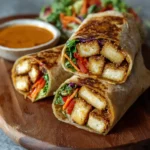
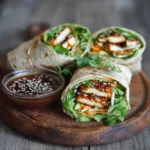
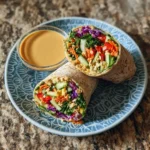
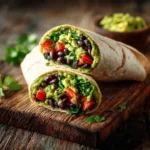
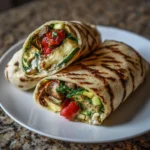
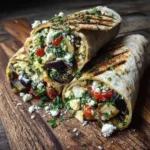
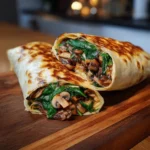
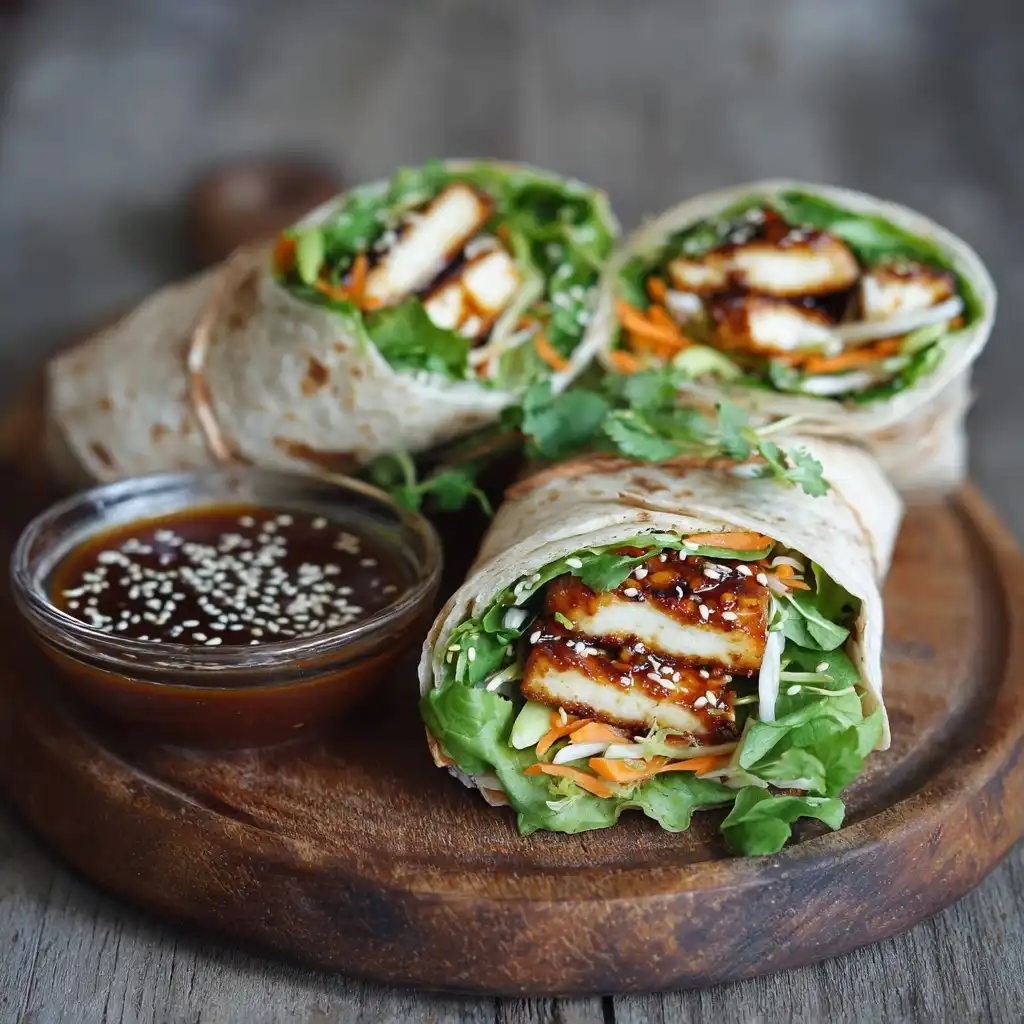
The Asian Sesame Tofu Wrap is a vibrant, plant-powered fusion dish that marries the rich umami depth of soy-based protein with the bright, nutty allure of toasted sesame and zesty East Asian flavors. Designed for health-conscious food lovers, busy professionals, meal-prep enthusiasts, and vegans alike, this wrap delivers bold taste without compromise—offering a satisfying, nutrient-dense handheld meal that’s as Instagram-worthy as it is nourishing. Whether enjoyed chilled after a yoga session, packed for lunch, or served at a casual weekend gathering, its balance of crisp vegetables, creamy-savory tofu, and aromatic sauces makes it a modern staple in the evolving landscape of global vegetarian cuisine.
The History
While wraps themselves trace their origins to ancient Middle Eastern flatbreads like lavash and pita—and later evolved globally through Mexican burritos, Indian parathas, and Greek gyros—the Asian Sesame Tofu Wrap is a distinctly 21st-century culinary innovation born from cross-cultural exchange and dietary evolution. Its roots lie in the centuries-old tradition of tofu preparation in China (dating back to the Han Dynasty, ~206 BCE–220 CE), where fermented soy curds were prized for their versatility and nourishment. The integration of sesame—cultivated in India and China for over 5,000 years—added richness and ceremonial significance, often symbolizing immortality and abundance. In the 1970s and ’80s, as macrobiotic and Zen-inspired diets gained traction in North America and Europe, tofu became a cornerstone of plant-based cooking, frequently paired with tamari, ginger, and toasted sesame oil. The wrap format emerged organically as chefs and home cooks sought portable, low-waste, grain-inclusive alternatives to bowls and plates—especially amid rising demand for gluten-free, dairy-free, and soy-forward meals. Today, the Asian Sesame Tofu Wrap reflects a global palate: Japanese-inspired marinades meet Korean chili nuances, Chinese wok hei techniques inform the sear, and Southeast Asian herb garnishes (like Thai basil and pickled daikon) increasingly appear in artisanal iterations—making it less a fixed recipe and more a living canvas of diasporic flavor storytelling.
Ingredients Breakdown
Every component in this wrap plays a functional and flavorful role—no ingredient is arbitrary. Below is a detailed, chef-level analysis of each element:
- Firm or Extra-Firm Organic Tofu: Chosen for its dense, meaty texture that holds up to marinating and high-heat cooking. Organic ensures no GMO soy and cleaner coagulants (e.g., calcium sulfate or nigari instead of glucono delta-lactone). Pressing removes excess water, allowing deeper sauce absorption and achieving that coveted caramelized crust.
- Toasted Sesame Oil: Cold-pressed and unrefined, used *only* as a finishing oil—not for cooking—due to its low smoke point (~350°F). Its intense nuttiness and complex aroma (from roasted sesame seeds) elevate the entire dish; substituting with regular sesame oil or neutral oils sacrifices irreplaceable depth.
- Low-Sodium Tamari or Coconut Aminos: Tamari provides gluten-free, fermented soy umami; coconut aminos offer a slightly sweeter, milder alternative with lower sodium and naturally occurring amino acids. Both are richer and less harsh than standard soy sauce, balancing salt without overwhelming other notes.
- Rice Vinegar (Unseasoned): Adds bright acidity to cut through richness. Unseasoned avoids added sugar and sodium—critical for controlling overall sweetness and salinity. Its mild tartness also helps tenderize tofu proteins slightly during marination.
- Fresh Ginger & Garlic (grated, not powdered): Enzymatically active compounds (gingerol, allicin) deliver anti-inflammatory benefits *and* volatile aromatics that infuse the marinade far more effectively than dried versions. Micro-grating releases essential oils for maximum impact.
- Maple Syrup or Pure Rice Syrup: Not just for sweetness—these natural liquid sweeteners aid caramelization during pan-frying, create glossy adhesion for sesame seeds, and balance acidity and salt. They’re metabolically gentler than refined sugar and enhance Maillard reactions for deeper browning.
- White & Black Sesame Seeds: White seeds are hulled and milder; black seeds are unhulled, offering higher calcium, iron, and antioxidants plus visual contrast and earthier notes. Toasting both unlocks sesamin and sesamolin—bioactive lignans linked to cholesterol regulation and oxidative stress reduction.
- Whole Grain or Brown Rice Wraps (gluten-free certified if needed): Provide fiber-rich, slow-digesting complex carbs. Brown rice tortillas add subtle nuttiness and chew; whole wheat offers B vitamins and magnesium. Look for wraps with minimal gums (xanthan/guar) and no palm oil for cleaner formulation.
- Shredded Purple Cabbage: Beyond crunch, it contributes anthocyanins (powerful antioxidants), vitamin C (enhancing non-heme iron absorption from tofu), and sulforaphane precursors when raw—maximized by avoiding heat exposure.
- Matcha-Infused Carrot Ribbons or Quick-Pickled Daikon: Adds enzymatic brightness and digestive support. Pickling in rice vinegar + turmeric not only preserves but boosts bioavailability of curcumin while adding probiotic potential.
- Microgreens or Shiso Leaves: Functional garnishes—shiso contains rosmarinic acid (anti-allergenic), while pea shoots and broccoli microgreens contain up to 40x more nutrients than mature plants, including glucoraphanin for detox support.
- Sesame-Miso Drizzle: A house-made emulsion combining white miso paste (fermented soybean + koji mold), lime zest, toasted sesame oil, and a touch of agave. Fermentation increases GABA and bioavailable B12 analogues, while lime zest adds d-limonene for liver support.
Step-by-Step Recipe
- Press the Tofu (30–60 minutes): Remove tofu from packaging and drain. Place on a clean kitchen towel or several layers of paper towels. Cover with another towel and place a heavy object (cast-iron skillet, books, tofu press) on top. For optimal results, refrigerate while pressing to slow bacterial growth and improve texture density.
- Prepare the Marinade: In a small bowl, whisk together 3 tbsp low-sodium tamari, 1½ tbsp rice vinegar, 1 tbsp pure maple syrup, 1 tsp grated fresh ginger, 1 tsp grated garlic, ½ tsp toasted sesame oil, and a pinch of red pepper flakes (optional). Set aside 5 minutes to allow flavors to meld.
- Cube & Marinate: Cut pressed tofu into ¾-inch cubes. Gently toss in marinade using a silicone spatula—avoid vigorous stirring to prevent breakage. Marinate uncovered at room temperature for 15 minutes (for quick infusion) or refrigerated for up to 2 hours (for deeper penetration).
- Toast Sesame Seeds: Heat a dry skillet over medium-low heat. Add 2 tbsp white and 1 tbsp black sesame seeds. Stir constantly for 2–3 minutes until fragrant and lightly golden. Immediately transfer to a cool plate to halt cooking—prevents bitterness.
- Pan-Sear the Tofu: Heat 1 tbsp neutral oil (avocado or grapeseed) in a nonstick or well-seasoned cast-iron skillet over medium-high heat until shimmering. Add tofu in a single layer—do not overcrowd. Cook undisturbed for 3–4 minutes until deeply golden and crusty. Flip and repeat on remaining sides (approx. 2–3 min each). Reduce heat if browning too fast.
- Glaze & Seed: Lower heat to medium. Pour reserved marinade into skillet—let bubble 30 seconds. Return tofu, tossing gently to coat. Sprinkle toasted sesame seeds evenly over tofu, shaking pan to adhere. Cook 1 more minute until glossy and thickened. Remove from heat and let cool slightly (5 min) to avoid steaming the wrap.
- Prep Fresh Components: While tofu rests, thinly slice scallions, julienne cucumber, shred purple cabbage, and prepare carrot ribbons using a vegetable peeler. Make Sesame-Miso Drizzle: blend 2 tbsp white miso, 1 tbsp lime juice, 1 tsp lime zest, 1 tsp toasted sesame oil, ½ tsp agave, and 1 tsp warm water until silky-smooth.
- Warm the Wrap: Lightly heat your chosen wrap in a dry skillet for 15–20 seconds per side—or steam for 20 seconds—to increase pliability and prevent cracking. Avoid microwaving, which can make wraps gummy.
- Assemble with Precision: Lay wrap flat. Spread 1 tbsp Sesame-Miso Drizzle in a horizontal band across the center third. Layer: ¼ cup shredded cabbage, ⅓ of tofu mixture (still warm but not hot), 2–3 cucumber ribbons, 1 tbsp carrot ribbons, 1 tsp scallions, and a few shiso leaves or microgreens. Fold bottom edge up over filling, fold in left and right sides, then roll tightly away from you—applying gentle pressure to compact layers.
- Rest & Slice (Optional but Recommended): Let wrapped roll rest seam-side down for 3 minutes—allows fillings to settle and drizzle to gently bind. For serving, slice diagonally with a serrated knife dipped in warm water for clean cuts.
Tips
- Press Like a Pro: For ultra-firm tofu, freeze overnight, then thaw and press—it creates porous channels that absorb marinade up to 3x more effectively.
- Marinate Smart: Always marinate tofu in glass or stainless steel—not aluminum or unlined copper—as acidic ingredients can react and impart off-flavors.
- Heat Control is Key: Searing tofu requires patience—wait for visible golden edges before flipping. Rushing causes sticking and tearing. If sticking occurs, add ½ tsp water to create gentle steam-release.
- Sesame Oil Timing: Never cook with toasted sesame oil—its delicate compounds degrade above 350°F, creating acrid, burnt notes. Reserve exclusively for finishing.
- Wrap Integrity Hack: Lightly brush wrap edges with aquafaba (chickpea brine) or a slurry of arrowroot + water before sealing—it acts as a natural, vegan “glue” that prevents unraveling.
- Meal Prep Friendly: Store components separately: marinated tofu (up to 4 days), prepped veggies (up to 5 days in airtight containers with damp paper towel), and drizzle (up to 1 week refrigerated). Assemble fresh to preserve crunch and texture.
- Texture Contrast Matters: Include at least one crunchy (cabbage), one creamy (tofu), one chewy (seeds), and one aromatic (scallions/shiso) element in every bite for sensory satisfaction.
- Leftover Magic: Extra tofu makes an excellent salad topper, grain bowl base, or blended into savory tofu “ricotta” for stuffed peppers or dumpling fillings.
Variations and Customizations
This wrap thrives on personalization—here are chef-tested adaptations for diverse dietary needs, flavor preferences, and seasonal availability:
- Vegan Keto Version: Swap brown rice wrap for almond flour or flaxseed tortilla (net carb: ~3g/serving); replace maple syrup with monk fruit–erythritol blend; add avocado slices and hemp hearts for healthy fats.
- Gluten-Free Certified: Use tamari labeled “gluten-free” (many contain hidden wheat), certified GF wraps (like Siete Almond Flour or Mission GF Brown Rice), and verify miso is koji-fermented without barley.
- Spicy Gochujang Twist: Replace 1 tsp tamari with 1 tsp gochujang paste in marinade; add ½ tsp toasted sesame oil to drizzle; garnish with kimchi slaw (nappa cabbage, daikon, gochugaru, apple cider vinegar).
- Umami Bomb Upgrade: Add ½ tsp nutritional yeast + ¼ tsp mushroom powder to marinade; top with rehydrated shiitake ribbons and crispy shallots.
- Macrobiotic Alignment: Use only sea salt (no tamari), roasted barley tea instead of rice vinegar, and wrap in nori sheets layered with brown rice and adzuki bean paste.
- Raw-Friendly Option: Skip searing—marinate extra-firm tofu, then dehydrate at 115°F for 4–6 hours until chewy. Serve in collard green wraps with fermented carrot-ginger kraut.
- Kid-Friendly Mild: Omit red pepper flakes and ginger; use mild white miso; add finely grated apple and sunflower seeds; serve with tamari-dip “sauce cups.”
- Seasonal Rotations: Spring: swap cabbage for blanched asparagus ribbons and pea shoots; Summer: add grilled zucchini and cherry tomatoes; Fall: roasted delicata squash and toasted pumpkin seeds; Winter: massaged kale, roasted beets, and orange segments.
- Restaurant-Style Presentation: Pipe Sesame-Miso Drizzle in zigzag pattern, top with edible chrysanthemum petals, black sesame tuile shards, and micro-cilantro. Serve on slate with pickled ginger fan.
Health Considerations and Nutritional Value
A single Asian Sesame Tofu Wrap (approx. 1 wrap, 180g tofu, 1 cup veggies, 1 tbsp drizzle) delivers approximately 385 kcal, with a balanced macronutrient profile: 22g protein, 18g fat (mostly monounsaturated and omega-6 from sesame), and 36g complex carbohydrates (including 8g dietary fiber). It is naturally cholesterol-free, low in saturated fat (<2g), and rich in micronutrients:
- Complete Plant Protein: Tofu provides all nine essential amino acids—especially high in leucine (3g/serving), critical for muscle synthesis and metabolic health.
- Phytoestrogen Benefits: Isoflavones (genistein, daidzein) in organic tofu may support hormonal balance, bone mineral density, and cardiovascular function—especially beneficial during perimenopause and post-menopause.
- Sesame Lignans: Sesamin and sesamolin act as potent antioxidants and enhance vitamin E retention in cell membranes—shown in clinical studies to reduce LDL oxidation and improve endothelial function.
- Fermented Flavor Boosters: Tamari and miso supply live cultures (if unpasteurized), B vitamins (B2, B12 analogues), and bioactive peptides with ACE-inhibitory activity—supporting healthy blood pressure.
- Anti-Inflammatory Trio: Gingerol (ginger), allicin (garlic), and limonene (lime zest) work synergistically to inhibit COX-2 enzymes and reduce systemic inflammation markers like CRP.
- Digestive Support: Raw cabbage contains myrosinase enzyme, which activates sulforaphane upon chopping—linked to Phase II liver detoxification. Pairing with mustard greens or daikon further amplifies this effect.
- Considerations: Those with soy allergies must avoid entirely. Individuals with hypothyroidism should consume tofu moderately and space intake from thyroid medication (consult endocrinologist). High oxalate content in spinach or beet greens (if substituted) may be a concern for kidney stone formers—cabbage and carrots are low-oxalate alternatives.
Ingredients
- 1 (14-oz) block organic extra-firm tofu, pressed for 45 minutes
- 3 tbsp low-sodium tamari or coconut aminos (gluten-free certified)
- 1½ tbsp unseasoned rice vinegar
- 1 tbsp pure maple syrup or brown rice syrup
- 1 tsp freshly grated ginger (about ½-inch knob)
- 1 tsp freshly grated garlic (1 clove)
- ½ tsp toasted sesame oil (finishing grade, NOT for cooking)
- ¼ tsp red pepper flakes (optional)
- 3 tbsp white sesame seeds
- 1½ tbsp black sesame seeds
- 1 tbsp avocado or grapeseed oil (high smoke point)
- 2 (8-inch) whole grain brown rice wraps or gluten-free certified tortillas
- 1½ cups thinly shredded purple cabbage
- ½ cup julienned English cucumber
- ½ cup matcha-carrot ribbons (1 large carrot, peeled & ribboned with peeler)
- 3 scallions, thinly sliced (green and white parts)
- ¼ cup shiso leaves or microgreens (pea shoots, broccoli sprouts, or radish greens)
For Sesame-Miso Drizzle:
- 2 tbsp white miso paste (unpasteurized, if possible)
- 1 tbsp fresh lime juice
- 1 tsp lime zest
- 1 tsp toasted sesame oil
- ½ tsp agave nectar or date syrup
- 1 tsp warm filtered water
Directions
- Press tofu using a tofu press or weighted towel method for 45 minutes. Pat dry thoroughly with clean paper towels.
- In a small mixing bowl, whisk tamari, rice vinegar, maple syrup, ginger, garlic, ½ tsp toasted sesame oil, and red pepper flakes (if using). Set aside.
- Cut pressed tofu into ¾-inch cubes. Gently fold into marinade. Marinate at room temperature for 15 minutes (or refrigerate up to 2 hours).
- Toast sesame seeds in a dry skillet over medium-low heat, stirring constantly, until fragrant and golden (2–3 minutes). Transfer immediately to a cool plate.
- Heat avocado oil in a large nonstick or cast-iron skillet over medium-high heat until shimmering. Add tofu in a single layer. Cook undisturbed 3–4 minutes until deeply golden. Flip and sear remaining sides (2–3 min each). Reduce heat if browning too quickly.
- Lower heat to medium. Pour in remaining marinade; simmer 30 seconds. Return tofu, toss gently to coat. Sprinkle with toasted sesame seeds and cook 1 minute more until glossy. Remove from heat; let cool 5 minutes.
- Make Sesame-Miso Drizzle: In a blender or small food processor, combine miso, lime juice, lime zest, sesame oil, agave, and warm water. Blend until completely smooth and creamy (30–45 seconds). Adjust lime for brightness or agave for balance.
- Warm wraps in a dry skillet 15 seconds per side until pliable. Do not overheat.
- Assemble: Spread 1 tbsp drizzle across center third of wrap. Layer cabbage, tofu mixture, cucumber, carrot ribbons, scallions, and shiso/microgreens.
- Fold bottom edge up over filling, fold in left and right sides, then roll tightly away from you. Seal seam with aquafaba or water if needed.
- Let rest seam-down for 3 minutes before slicing in half on a sharp diagonal. Serve immediately.
FAQ
- Can I bake the tofu instead of pan-frying?
- Yes—but texture differs. Toss marinated tofu in 1 tsp cornstarch + 1 tsp oil, spread on parchment-lined sheet pan, and bake at 425°F for 25–30 minutes, flipping halfway, until crisp-edged. Pan-frying yields superior caramelization and umami depth.
- Is there a soy-free version?
- Absolutely. Substitute pressed, marinated tempeh (fermented soy-free options include chickpea or lentil tempeh) or extra-firm king oyster mushroom “scallop” strips. Marinate same way and sear for meaty texture.
- How do I keep the wrap from getting soggy?
- Key strategies: (1) Press tofu thoroughly; (2) Use raw, dry-shredded cabbage (not pre-packaged “coleslaw mix” with dressing); (3) Cool tofu slightly before assembling; (4) Apply drizzle sparingly and only to wrap—not directly onto wet ingredients; (5) Assemble no more than 15 minutes before eating.
- Can I make this nut-free?
- Yes—all core ingredients are nut-free. Just verify your wrap brand and miso are processed in nut-free facilities if severe allergy exists. Avoid almond-based wraps or cashew-based sauces unless explicitly labeled safe.
- What’s the best way to reheat leftovers?
- Do not reheat assembled wraps—they’ll become mushy. Instead, reheat tofu separately in a skillet over medium heat with 1 tsp water to revive crispness, then reassemble fresh. Veggies and wraps are best used cold or room-temp.
- Can I freeze this wrap?
- Not recommended assembled—the texture of cabbage, wrap, and drizzle degrades significantly upon thawing. However, marinated, uncooked tofu freezes beautifully for up to 3 months. Thaw overnight in fridge, press again, then cook.
- Why use both white and black sesame seeds?
- White sesame seeds offer mild nuttiness and visual elegance; black sesame seeds contribute deeper earthiness, higher antioxidant capacity (anthocyanins), and dramatic contrast. Together, they create multi-dimensional aroma, flavor, and phytonutrient synergy.
- Is this wrap suitable for pregnancy or breastfeeding?
- Yes—and highly beneficial. Tofu supplies folate, iron, and high-quality protein; sesame offers calcium and zinc; ginger aids nausea; and fermented miso supports gut microbiome diversity—crucial for infant immune development. Always choose organic, non-GMO soy and consult your OB-GYN for personalized guidance.
- What wine or beverage pairs well?
- For non-alcoholic: chilled jasmine green tea (enhances sesame aroma) or yuzu sparkling water. For wine: a dry, low-alcohol Riesling (Kabinett) or unoaked Pinot Gris complements umami and acidity without overpowering.
Summary
The Asian Sesame Tofu Wrap is a nutritionally sophisticated, globally inspired plant-based meal that harmonizes centuries-old fermentation wisdom, modern food science, and mindful culinary technique—delivering bold flavor, textural excitement, and profound health benefits in every bite.
With customizable macros, adaptable allergen profiles, and effortless meal-prep functionality, it’s not just a recipe—it’s a sustainable, joyful, and deeply nourishing framework for everyday wellness rooted in Asian culinary philosophy and contemporary nutritional excellence.