One-Pan Creamy Dijon Chicken: A Comforting, Flavor-Packed Dish Made Simple
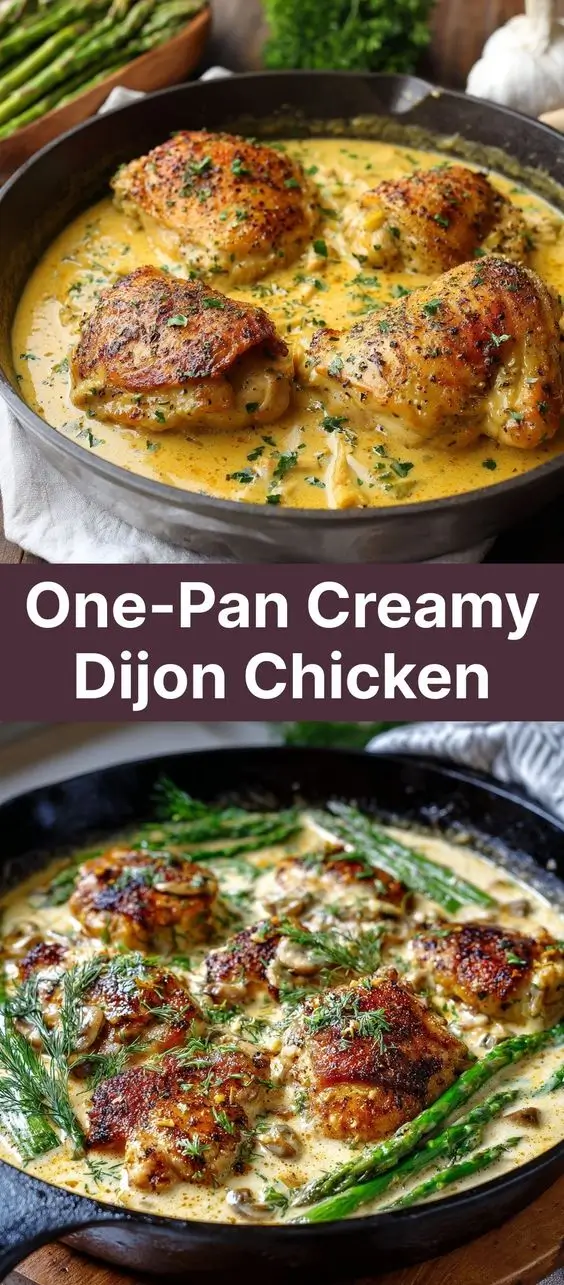
Looking for a quick, satisfying dinner that’s rich in flavor but light on cleanup? One-Pan Creamy Dijon Chicken is your answer. This dish combines tender chicken breasts with a luxuriously creamy sauce infused with the bold tang of Dijon mustard, all cooked to perfection in a single skillet. Whether you’re cooking for yourself or serving a family, this recipe delivers restaurant-quality results without the fuss. With its golden sear, velvety sauce, and aromatic herbs, it’s no wonder this dish has become a favorite among home cooks who value both taste and convenience.
The History of One-Pan Cooking and Creamy Mustard-Based Sauces
The concept of one-pan meals dates back centuries, originating from practical cooking methods in households where resources were limited and efficiency was key. In rural France, rustic stews and sautéed dishes were often prepared in cast iron skillets over open flames, combining proteins, vegetables, and sauces into a harmonious meal with minimal equipment. The use of mustard in French cuisine, particularly Dijon mustard from the Burgundy region, became prominent in the 19th century. Known for its smooth texture and sharp, slightly acidic profile, Dijon mustard quickly became a staple in sauces, marinades, and pan reductions.
Creamy mustard-based sauces evolved as a way to balance the pungency of mustard with the richness of dairy. Combining cream or crème fraîche with mustard created a luscious sauce ideal for pairing with poultry, especially chicken. Over time, chefs and home cooks alike began incorporating these flavors into simple, weeknight-friendly recipes. The modern version of One-Pan Creamy Dijon Chicken emerged as a fusion of French culinary tradition and contemporary demand for fast, nutritious, and flavorful meals. Today, it stands as a symbol of elegant simplicity—proof that gourmet taste doesn’t require gourmet effort.
Ingredients Breakdown: What Makes This Dish Shine?
The magic of One-Pan Creamy Dijon Chicken lies in its carefully balanced ingredients, each contributing to the depth of flavor, texture, and overall satisfaction of the dish:
- Chicken Breasts: Boneless, skin-on chicken breasts are ideal—they stay juicy during cooking and develop a beautiful golden crust when seared. If preferred, boneless thighs can be used for a richer, more succulent result.
- Dijon Mustard: The star ingredient. High-quality Dijon mustard brings a sharp, tangy complexity that cuts through the creaminess of the sauce. Look for brands with minimal additives for the best flavor.
- Heavy Cream: Adds luxurious body and smoothness to the sauce. For a lighter option, half-and-half or full-fat coconut milk can be substituted, though the sauce will be less rich.
- Garlic: Freshly minced garlic enhances the savory base, releasing its aroma when sautéed and melding perfectly with the mustard and cream.
- Shallot or Onion: Finely diced shallots add sweetness and depth without overpowering the dish. Yellow onion works well too, but shallots provide a more refined flavor.
- Dry White Wine (optional): Deglazing the pan with white wine lifts the fond (browned bits) and introduces acidity and complexity. Use a crisp, unoaked variety like Sauvignon Blanc or Pinot Grigio.
- Chicken Broth: Forms the liquid base of the sauce, adding umami and helping to keep the chicken moist during cooking.
- Fresh Herbs: Thyme and parsley are classic choices. Thyme infuses the dish while cooking, while fresh parsley adds brightness at the end.
- Olive Oil and Butter: Olive oil is used for searing, while butter adds richness and helps emulsify the sauce for a silky finish.
- Salt and Pepper: Essential for seasoning throughout the cooking process, enhancing every component.
- Flour (optional): A light dredge of flour on the chicken helps with browning and slightly thickens the sauce.
Each ingredient plays a vital role, coming together in harmony to create a dish that’s greater than the sum of its parts.
Step-by-Step Recipe: How to Make One-Pan Creamy Dijon Chicken
Follow this detailed guide to achieve perfectly cooked, flavorful One-Pan Creamy Dijon Chicken every time.
- Prep the Ingredients: Pat the chicken breasts dry with paper towels—this ensures a good sear. Season both sides generously with salt and pepper. Mince the garlic and shallot. Measure out the Dijon mustard, cream, broth, and wine. Chop the fresh thyme and parsley.
- Optional Flour Dredge: Lightly coat the chicken in all-purpose flour, shaking off excess. This step helps create a golden crust and contributes to sauce thickness.
- Sear the Chicken: Heat 2 tablespoons of olive oil in a large oven-safe skillet (like cast iron or stainless steel) over medium-high heat. Once shimmering, add the chicken breasts, skin-side down if using skin-on. Sear for 5–6 minutes until deeply golden brown. Flip and cook for another 3–4 minutes. Remove chicken to a plate and set aside.
- Sauté Aromatics: Reduce heat to medium. Add 1 tablespoon of butter to the same pan. Add the diced shallot and cook for 2–3 minutes until softened. Stir in the minced garlic and cook for 30 seconds until fragrant.
- Build the Sauce Base: Pour in ½ cup of dry white wine to deglaze the pan, scraping up any browned bits with a wooden spoon. Let simmer for 2–3 minutes until reduced by half.
- Add Liquids and Mustard: Stir in 1 cup of chicken broth, ¼ cup of heavy cream, and 3 tablespoons of Dijon mustard. Whisk until smooth and bring to a gentle simmer.
- Return Chicken to Pan: Place the seared chicken breasts back into the skillet, nestling them into the sauce. Sprinkle fresh thyme sprigs over the top.
- Simmer and Finish Cooking: Reduce heat to low, cover loosely with a lid or foil, and simmer for 12–15 minutes, or until the chicken reaches an internal temperature of 165°F (74°C).
- Create a Richer Sauce: Remove the chicken and keep warm. Increase heat to medium and let the sauce simmer for 3–5 minutes to reduce and thicken slightly. Stir in 1 additional tablespoon of butter for gloss and richness. Taste and adjust seasoning with salt, pepper, or extra Dijon if desired.
- Serve: Plate the chicken and spoon the creamy Dijon sauce generously over the top. Garnish with chopped fresh parsley.
This method ensures tender, juicy chicken enveloped in a vibrant, creamy sauce with layers of flavor.
Tips for Perfect One-Pan Creamy Dijon Chicken
- Don’t Crowd the Pan: Cook chicken in batches if necessary. Overcrowding causes steaming instead of searing, resulting in pale, soggy meat.
- Use a Meat Thermometer: To avoid overcooking, check the internal temperature of the chicken. Remove it from the pan at 160°F (71°C)—it will carry over to 165°F while resting.
- Control the Heat: Keep the simmer gentle when finishing the chicken in the sauce. Boiling can cause the cream to curdle or separate.
- Balance the Tang: If the Dijon flavor is too sharp, add a teaspoon of honey or a splash of cream to mellow it out.
- Reserve Pasta Water (if serving with pasta): When boiling noodles, save a cup of starchy water. It can be added to the sauce to help it cling better to the pasta.
- Rest the Chicken: Let the chicken rest for 3–5 minutes before serving. This allows juices to redistribute, ensuring maximum moisture.
- Skim Excess Fat: After searing, blot excess oil with a paper towel if needed, especially if using skin-on chicken.
- Make Ahead Components: You can prep the sauce base ahead of time and reheat before adding the seared chicken to finish.
Variations and Customizations
One-Pan Creamy Dijon Chicken is highly adaptable. Here are creative ways to personalize it:
- Protein Swap: Use pork chops, turkey cutlets, or even firm fish like halibut. Adjust cooking times accordingly.
- Mushroom Lover’s Version: Sauté sliced cremini or wild mushrooms with the shallots for an earthy twist.
- Herb Variations: Substitute tarragon for thyme for a more anise-like note, or add rosemary for a woodsy aroma.
- Spicy Kick: Add a pinch of red pepper flakes or a dash of hot sauce to the sauce for heat.
- Gluten-Free Option: Skip the flour dredge and use cornstarch slurry (1 tsp cornstarch + 1 tbsp water) at the end to thicken the sauce if needed.
- Dairy-Free Version: Replace heavy cream with full-fat coconut milk and use olive oil instead of butter. Choose a vegan Dijon mustard.
- Wine-Free: Omit the wine and use additional chicken broth with a splash of lemon juice to maintain acidity.
- Add Veggies: Toss in baby spinach, sun-dried tomatoes, or roasted bell peppers at the end for added color and nutrition.
- Cheese Addition: Stir in a handful of grated Parmesan or Gruyère at the end for extra richness.
- Sheet Pan Version: For hands-off cooking, sear chicken, transfer to a baking dish, pour sauce over, and bake at 375°F (190°C) for 20–25 minutes.
Health Considerations and Nutritional Value
While indulgent, One-Pan Creamy Dijon Chicken can fit into a balanced diet with mindful modifications. Here’s a breakdown of its nutritional components (per serving, based on 4 servings, using skinless chicken breast and standard ingredients):
- Calories: Approximately 380–420 kcal
- Protein: 35–40g – excellent source, supporting muscle repair and satiety.
- Fat: 20–25g – primarily from cream and butter. Mostly saturated, but can be reduced with substitutions.
- Carbohydrates: 4–6g – low-carb friendly, especially without flour or wine.
- Sodium: 600–800mg – varies based on broth and mustard. Use low-sodium versions to control intake.
- Vitamins & Minerals: Good source of B vitamins (especially B12 and niacin), selenium, and phosphorus from chicken. Garlic and herbs contribute antioxidants.
Health Tips:
- Use skinless chicken and low-fat dairy alternatives to reduce calories and fat.
- Incorporate leafy greens or steamed vegetables as sides to boost fiber and micronutrients.
- Limited added sugars—Dijon mustard typically contains minimal sugar, but always check labels.
- The dish is naturally gluten-free if flour is omitted and certified gluten-free ingredients are used.
- Enjoy in moderation if managing cholesterol or heart health; consider using olive oil-based spreads instead of butter.
Ingredients
- 4 boneless, skin-on or skinless chicken breasts (about 6 oz each)
- Salt and freshly ground black pepper (to taste)
- 2 tablespoons all-purpose flour (optional, omit for gluten-free)
- 2 tablespoons olive oil
- 1 tablespoon unsalted butter (plus extra for finishing)
- 1 large shallot, finely diced (or ½ small yellow onion)
- 3 cloves garlic, minced
- ½ cup dry white wine (such as Sauvignon Blanc or Pinot Grigio)
- 1 cup low-sodium chicken broth
- ¼ cup heavy cream (or substitute with half-and-half or coconut milk)
- 3 tablespoons Dijon mustard (preferably stone-ground or whole-grain for texture)
- 1 teaspoon fresh thyme leaves (or ½ tsp dried thyme)
- 2 tablespoons fresh parsley, chopped (plus extra for garnish)
Directions
- Season chicken breasts with salt and pepper. If using flour, lightly dredge each piece and shake off excess.
- Heat olive oil in a large skillet over medium-high heat. Add chicken and sear for 5–6 minutes per side until golden brown. Transfer to a plate and set aside.
- Reduce heat to medium. Add 1 tablespoon butter to the pan. Stir in diced shallot and cook for 2–3 minutes until soft. Add garlic and cook for 30 seconds.
- Pour in white wine, scraping the bottom of the pan. Simmer for 2–3 minutes until reduced by half.
- Stir in chicken broth, heavy cream, Dijon mustard, and thyme. Whisk until smooth and bring to a gentle simmer.
- Return chicken to the skillet, spooning sauce over the top. Cover loosely and simmer for 12–15 minutes, or until chicken reaches 165°F internally.
- Remove chicken and keep warm. Simmer sauce for 3–5 minutes to thicken slightly. Stir in an additional tablespoon of butter for shine.
- Taste and adjust seasoning—add more salt, pepper, or Dijon as needed.
- Plate chicken and drizzle generously with sauce. Garnish with fresh parsley.
- Serve immediately with mashed potatoes, rice, quinoa, or crusty bread for soaking up the sauce.
FAQ
Can I make this recipe ahead of time?
Yes, you can prepare the sauce base and sear the chicken in advance. Reheat the sauce, add the chicken, and simmer until heated through. Note: the dish is best fresh, as reheating may cause the cream to separate slightly.
Can I freeze Creamy Dijon Chicken?
It’s not recommended due to the dairy content—cream-based sauces can separate or become grainy when frozen and thawed. However, you can freeze the cooked chicken separately and make the sauce fresh when ready to serve.
What should I serve with this dish?
Excellent pairings include garlic mashed potatoes, buttered egg noodles, risotto, roasted vegetables, or a crisp green salad. Crusty bread is perfect for mopping up the sauce.
Why did my sauce curdle?
High heat or sudden temperature changes can cause dairy to curdle. Always simmer gently and avoid boiling. If the sauce separates, remove from heat and whisk in a splash of cold cream or a pat of butter to re-emulsify.
Can I use regular mustard instead of Dijon?
Yellow mustard lacks the depth and smooth texture of Dijon and will alter the flavor significantly. Whole-grain mustard can be used for a more rustic texture, but blend with Dijon for balance.
Is this recipe suitable for a keto diet?
Yes, especially if you skip the flour dredge and use dry white wine sparingly (as it contains carbs). The high fat and protein content make it keto-friendly.
Summary
One-Pan Creamy Dijon Chicken is a rich, elegant dish that brings French-inspired flavors to your weeknight table with minimal effort and cleanup. Tender chicken smothered in a tangy, velvety mustard cream sauce makes for a comforting yet sophisticated meal the whole family will love.