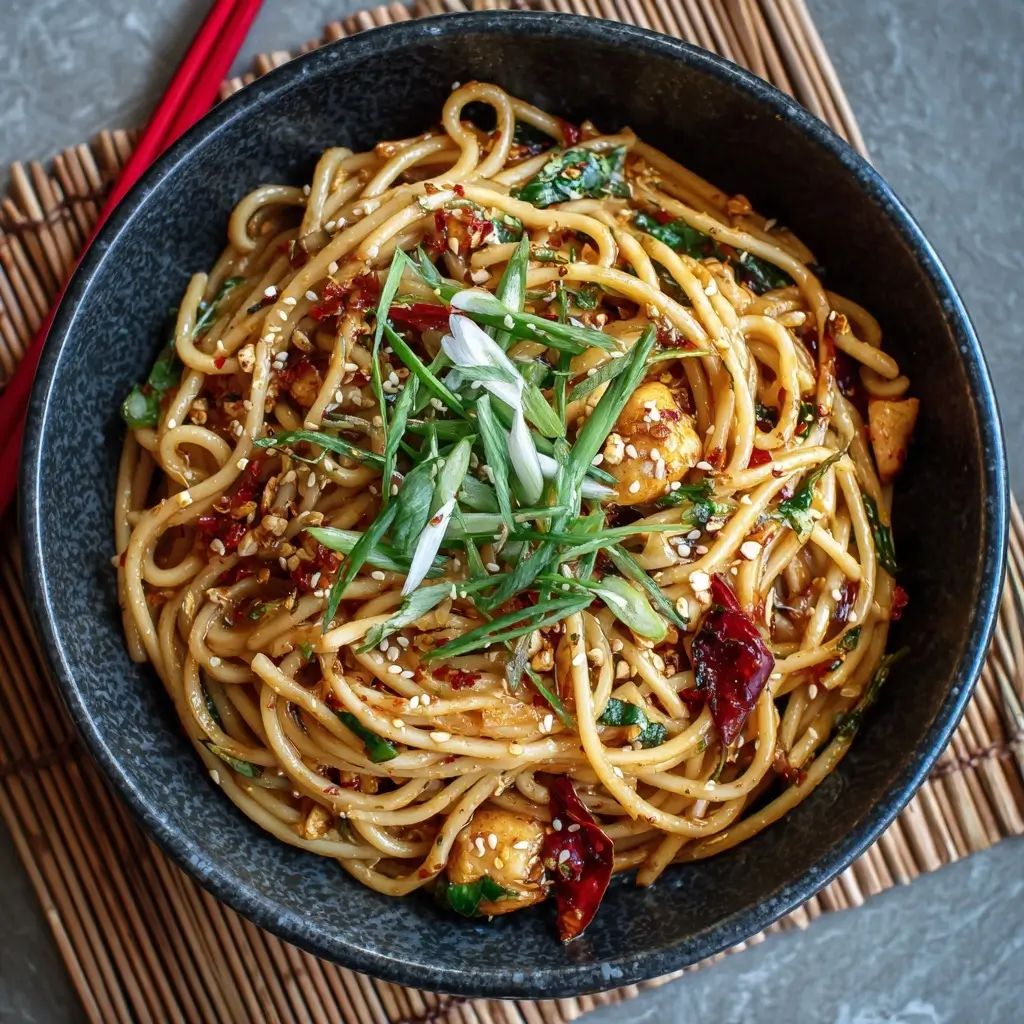
Spicy Szechuan Noodles
Spicy Szechuan Noodles: A Fiery Delight from China’s Bold Culinary Tradition
When it comes to bold, mouth-tingling, and deeply flavorful Asian cuisine, few dishes can rival the electrifying experience of Spicy Szechuan Noodles. Hailing from the mountainous Sichuan province in southwestern China, this dish has taken the world by storm with its unique combination of heat, numbing sensation, and aromatic complexity. Known for its liberal use of Sichuan peppercorns and chili oil, these noodles aren’t just a meal—they’re an adventure for your taste buds.
The History of Spicy Szechuan Noodles
The roots of Spicy Szechuan Noodles trace back centuries to the Sichuan region of China, where the humid climate inspired locals to develop spicy, pungent dishes to stimulate appetite and promote sweating—believed to help cool the body. The Sichuan people mastered the art of balancing flavors using what is known as the “seven basic tastes”: sour, sweet, bitter, spicy, salty, aromatic, and numbing. Among these, the hallmark of Szechuan cuisine is mala, a tantalizing blend of spiciness (la) and numbing (ma) derived primarily from dried chilies and Sichuan peppercorns.
Szechuan Noodles evolved as a staple street food, commonly found in bustling markets and night stalls across Chengdu and Chongqing. Originally served in simple broth or tossed in sauce, the modern version—often referred to as Dan Dan Noodles or Chongqing Spicy Noodles—features hand-pulled or wheat noodles coated in a fiery, fragrant sauce packed with minced meat, fermented vegetables, and chili oil. Over time, the dish gained international acclaim, becoming a symbol of Chinese culinary audacity and depth of flavor.
Ingredients Breakdown: What Makes This Dish So Special?
The magic of Spicy Szechuan Noodles lies in its complex layering of ingredients, each contributing distinct textures and flavors. Here’s a detailed look at what goes into making this iconic dish:
- Sichuan Peppercorns: Not true peppercorns but the dried husks of prickly ash seeds, they deliver a citrusy aroma and a tingling, numbing sensation on the tongue—key to the mala effect.
- Chili Oil (or Lao Gan Ma): Infused with dried red chilies, garlic, and spices, this rich red oil brings both heat and deep umami flavor. Homemade chili oil often includes star anise, cinnamon, and Sichuan peppercorns for added complexity.
- Fermented Black Beans (Douchi): These salty, funky beans add depth and earthiness, acting as a natural flavor enhancer.
- Wheat Noodles: Typically alkaline egg or plain wheat noodles are used for their chewy texture that holds up well against bold sauces.
- Ground Pork or Beef: Adds richness and savory umami; traditionally stir-fried until crispy.
- Garlic and Ginger: Provide aromatic warmth and balance the heat.
- Vegetables: Bok choy, scallions, or Chinese greens are common additions for freshness and color.
- Soy Sauce and Vinegar: Light soy adds saltiness, while black vinegar (like Chinkiang) contributes a subtle sweetness and tang.
- Sugar: A touch balances the intense spice and acidity.
- Optional Garnishes: Crushed peanuts, sesame seeds, cilantro, pickled mustard greens, or fried shallots elevate texture and flavor.
Step-by-Step Recipe: How to Make Authentic Spicy Szechuan Noodles at Home
Follow this detailed guide to recreate restaurant-quality Spicy Szechuan Noodles in your own kitchen. With patience and attention to layering flavors, you’ll achieve a dish that’s both fiery and balanced.
Ingredients:
- 200g fresh or dried wheat noodles
- 100g ground pork (optional for vegetarian version)
- 2 tbsp chili oil (preferably homemade or Lao Gan Ma brand)
- 1 tsp Sichuan peppercorns, lightly toasted and finely ground
- 2 cloves garlic, minced
- 1 tsp fresh ginger, grated
- 1 tbsp fermented black beans, rinsed and chopped
- 1 tbsp light soy sauce
- 1 tsp dark soy sauce (for color)
- 1 tbsp Chinkiang black vinegar (or rice vinegar)
- 1 tsp sugar
- 1 cup bok choy or spinach (optional)
- 2 green onions, sliced
- 1 tbsp vegetable oil
- Sesame oil (to finish)
- Crushed peanuts and cilantro (for garnish)
Directions:
- Prepare the Noodles: Bring a large pot of water to boil. Cook the noodles according to package instructions until al dente. Drain and rinse briefly under cold water to stop cooking. Toss with a little sesame oil to prevent sticking. Set aside.
- Toast Sichuan Peppercorns: In a dry skillet over low heat, toast Sichuan peppercorns for 2–3 minutes until fragrant. Grind into a fine powder using a mortar and pestle or spice grinder. Set aside.
- Cook the Meat: Heat 1 tbsp vegetable oil in a wok or large pan over medium-high heat. Add ground pork and stir-fry until browned and slightly crispy, about 5 minutes. Remove and set aside, leaving the rendered fat in the pan.
- Build the Flavor Base: In the same pan, add minced garlic, ginger, and fermented black beans. Stir-fry for 30 seconds until aromatic. Be careful not to burn.
- Add Sauces: Stir in light soy, dark soy, black vinegar, sugar, and 1 tbsp chili oil. Mix well to form a glossy sauce.
- Combine Everything: Return the cooked pork to the pan. Add the cooked noodles and toss thoroughly to coat every strand. If using greens like bok choy, add them now and stir-fry for 1–2 minutes until wilted.
- Finish and Serve: Remove from heat. Drizzle with a bit of sesame oil. Sprinkle with ground Sichuan pepper, sliced green onions, crushed peanuts, and fresh cilantro. Serve immediately while hot.
Tips for Perfect Spicy Szechuan Noodles
- Balancing Mala: Adjust Sichuan peppercorn and chili oil to your preference. Start with less and increase gradually—the numbing effect builds over time.
- Noodle Texture: Avoid overcooking. Al dente noodles hold up better when mixed with thick sauce.
- Homemade Chili Oil: For maximum flavor, infuse your own chili oil by heating oil with dried chilies, garlic, star anise, and Sichuan peppercorns, then straining.
- Use High Heat: Stir-frying over high heat ensures quick cooking and prevents sogginess.
- Vegan Option: Skip the meat and use mushrooms (shiitake or oyster) for umami depth. Replace fish sauce (if used) with soy sauce or tamari.
- Serve Immediately: These noodles are best enjoyed fresh. Leftovers may become too oily or lose their vibrant texture.
Variations and Customizations
Spicy Szechuan Noodles are incredibly versatile. Depending on regional styles and personal preferences, here are some popular variations:
- Dan Dan Noodles: Traditionally served in a small amount of broth with a spoonful of sauce on top. Often includes preserved vegetables (zha cai) and a dollop of chili oil.
- Chongqing Spicy Noodles (Chongqing Xiaomian): Drier, spicier, and more heavily seasoned. Uses a wider noodle and often includes stewed beef or offal.
- Veggie-Packed Version: Add bell peppers, carrots, snow peas, and mushrooms for a colorful, nutritious twist.
- Gluten-Free Option: Substitute wheat noodles with rice noodles or gluten-free soba. Use tamari instead of soy sauce.
- Keto-Friendly Adaptation: Replace noodles with spiralized zucchini or shirataki noodles. Reduce sugar and avoid starchy sauces.
- Seafood Twist: Add cooked shrimp, squid, or scallops for a coastal Szechuan flair.
- Creamy Version: Some modern interpretations include a touch of peanut butter or tahini for a richer, nuttier profile.
Health Considerations and Nutritional Value
While undeniably delicious, Spicy Szechuan Noodles can be high in sodium, fat, and calories depending on preparation. However, with mindful adjustments, they can fit into a balanced diet.
Nutritional Highlights (per serving, approx. 450 kcal):
- Protein: ~15g (from meat and noodles)
- Carbohydrates: ~50g (mainly from noodles)
- Fat: ~20g (mostly from chili oil and meat)
- Sodium: Can exceed 1,000mg if store-bought sauces are used—opt for low-sodium soy sauce to reduce intake.
Health Benefits of Key Ingredients:
- Sichuan Peppercorns: Contain antioxidants and may aid digestion.
- Ginger and Garlic: Have anti-inflammatory and immune-boosting properties.
- Chili Peppers: Rich in capsaicin, which may boost metabolism and reduce appetite.
- Fermented Black Beans: Provide probiotics and plant-based protein.
Considerations:
The high spice level may irritate sensitive stomachs or exacerbate acid reflux. Individuals with hypertension should monitor sodium content. Those with allergies to nuts should ensure no cross-contamination if using peanut garnishes.
Frequently Asked Questions (FAQ)
Q: Are Sichuan peppercorns actually spicy?
A: Not in the traditional sense. They don’t burn like chilies but create a tingling, buzzing sensation due to hydroxy-alpha-sanshool, a compound that stimulates nerve endings.
Q: Can I make this dish less spicy?
A: Absolutely. Reduce or omit chili oil and use only a pinch of ground Sichuan peppercorn. You can still enjoy the flavor without overwhelming heat.
Q: Where can I buy authentic Sichuan peppercorns and chili oil?
A: Look for them in Asian grocery stores or online retailers. Ensure Sichuan peppercorns are bright red and aromatic—avoid dull or musty ones.
Q: Can I prepare the sauce ahead of time?
A: Yes! The sauce base (without noodles) can be made 2–3 days in advance and refrigerated. Reheat gently before tossing with freshly cooked noodles.
Q: Why are my noodles clumping together?
A: Rinsing after cooking and coating with a little oil helps. Also, avoid letting cooked noodles sit too long before saucing.
Q: Is this dish gluten-free?
A: Traditional versions use wheat noodles and soy sauce, so they are not gluten-free. But substitutions exist for those with dietary restrictions.
Summary
Spicy Szechuan Noodles are a bold fusion of heat, aroma, and numbing thrill that define the soul of Sichuan cuisine. Packed with layers of flavor and customizable to suit any palate, they offer a thrilling culinary journey in every bite.
From ancient street stalls to modern kitchens worldwide, this dish continues to captivate food lovers with its daring taste and cultural richness—truly a masterpiece of Chinese gastronomy.