Teriyaki Salmon Bowls
Teriyaki Salmon Bowls: A Flavorful, Healthy Meal You Can’t Resist
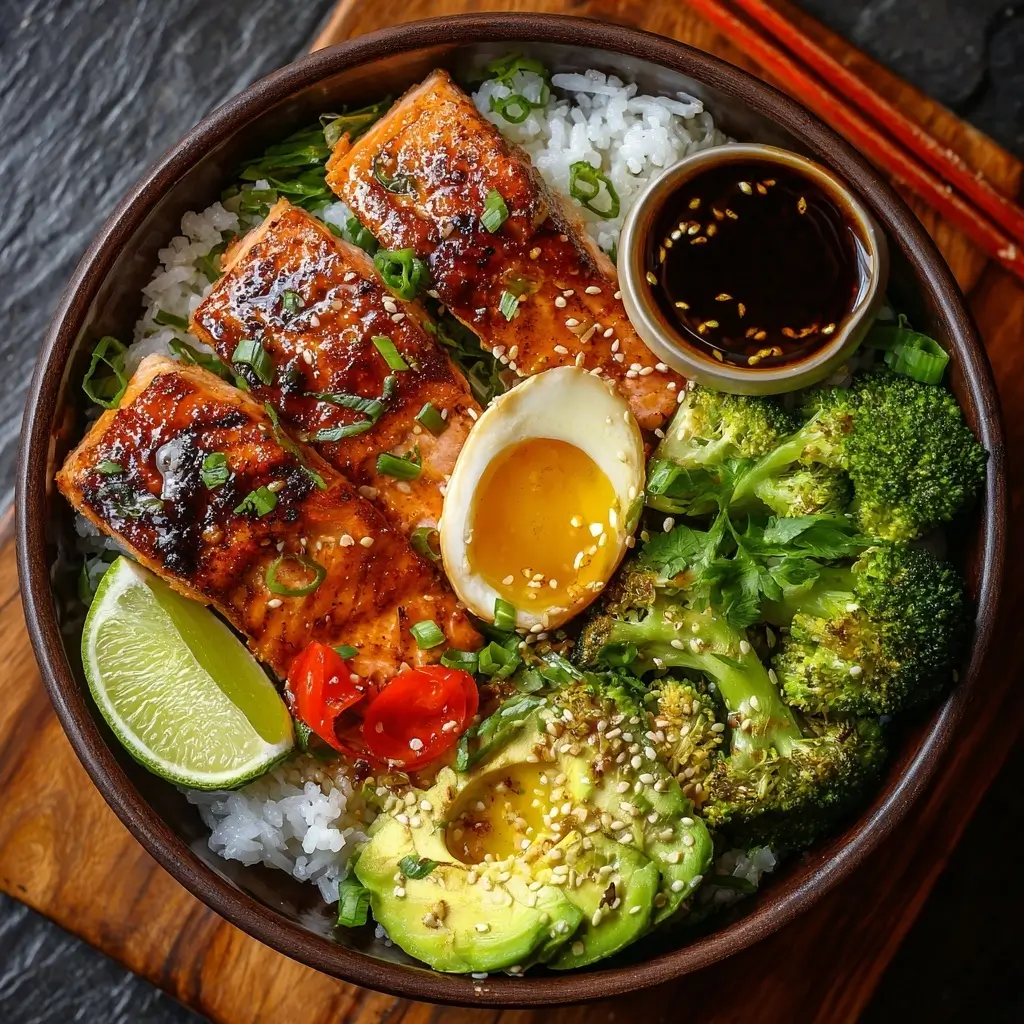
If you’re craving a meal that’s rich in flavor, packed with protein, and easy to prepare, look no further than Teriyaki Salmon Bowls. This vibrant dish combines tender, flaky salmon glazed in a sweet-savory teriyaki sauce, served over fluffy rice and topped with crisp vegetables. It’s a modern fusion of Japanese-inspired cuisine and Western comfort food, making it perfect for weeknight dinners, meal prep, or impressing guests at a casual dinner party. With its balance of umami, sweetness, and freshness, this bowl is not only delicious but also nourishing and satisfying.
The History of Teriyaki and Its Culinary Journey
The word “teriyaki” comes from the Japanese words teri, meaning luster or shine, and yaki, meaning grilled or broiled. Originally developed in Japan during the 17th century, teriyaki referred to a cooking technique where fish or meat was broiled or grilled with a glaze of soy sauce, mirin (sweet rice wine), and sugar. The sauce caramelizes on the surface of the protein, giving it that signature glossy finish.
As Japanese immigrants traveled around the world—particularly to Hawaii and the West Coast of the United States—the teriyaki style evolved. In the U.S., teriyaki sauce became thicker, sweeter, and more accessible, often made with readily available ingredients like brown sugar and cornstarch. Today, teriyaki is a staple in American-Asian fusion cuisine, appearing in everything from chicken bowls to stir-fries and, of course, salmon dishes.
Salmon, while not traditionally central to early Japanese teriyaki recipes, has become a popular choice in modern times due to its rich omega-3 content, buttery texture, and ability to absorb bold flavors. The combination of wild-caught or farm-raised salmon with homemade teriyaki sauce creates a luxurious yet approachable dish that bridges cultural culinary traditions.
Ingredients Breakdown: What Makes This Bowl Shine
The magic of Teriyaki Salmon Bowls lies in the harmony of high-quality ingredients. Each component plays a vital role in building layers of flavor, texture, and nutrition. Here’s a detailed breakdown:
- Fresh Salmon Fillets: Choose skin-on, center-cut fillets for optimal moisture retention and crispy skin when seared. Wild-caught salmon offers a deeper flavor and higher nutrient profile, though responsibly farmed options are also excellent.
- Soy Sauce: The backbone of teriyaki sauce. Use low-sodium soy sauce to control saltiness, or opt for tamari if you’re gluten-free.
- Mirin: A sweet Japanese rice wine that adds depth and subtle sweetness. If unavailable, a mix of dry white wine and a bit of sugar can work as a substitute.
- Brown Sugar: Enhances the caramelization and balances the saltiness of the soy sauce. Coconut sugar or honey can be used for alternative sweetness profiles.
- Rice Vinegar: Adds a touch of acidity to brighten the sauce and cut through the richness of the salmon.
- Fresh Ginger and Garlic: These aromatics infuse the sauce with warmth and complexity. Grated fresh is always best for maximum flavor impact.
- Cornstarch Slurry: A mixture of cornstarch and water helps thicken the sauce into a glossy glaze that clings perfectly to the salmon.
- Sesame Oil: Used sparingly for finishing, it imparts a nutty aroma and elevates the overall sensory experience.
- Jasmine or Sushi Rice: The ideal base—fragrant, slightly sticky, and capable of absorbing the teriyaki sauce without becoming mushy.
- Vegetable Toppings: Common choices include steamed broccoli, shredded carrots, sliced cucumbers, edamame, avocado, and pickled red onions. These add color, crunch, and essential nutrients.
- Garnishes: Toasted sesame seeds, sliced green onions, nori strips, and chili flakes add visual appeal and textural contrast.
Step-by-Step Recipe: How to Make Perfect Teriyaki Salmon Bowls at Home
Follow these detailed steps to create restaurant-quality Teriyaki Salmon Bowls in your own kitchen:
- Prepare the Rice: Rinse 1 cup of jasmine rice under cold water until the water runs clear. Combine with 1¾ cups water in a saucepan, bring to a boil, then reduce to a simmer. Cover and cook for 15–18 minutes until tender. Let it rest for 5 minutes, then fluff with a fork. For extra flavor, cook the rice with a strip of kombu seaweed or a splash of rice vinegar.
- Make the Teriyaki Sauce: In a small saucepan, combine ½ cup soy sauce, ¼ cup mirin, ¼ cup brown sugar, 2 tablespoons rice vinegar, 2 teaspoons grated fresh ginger, and 2 minced garlic cloves. Whisk together over medium heat until the sugar dissolves.
- Thicken the Sauce: In a separate bowl, mix 1 tablespoon cornstarch with 2 tablespoons cold water to make a slurry. Slowly pour the slurry into the sauce while stirring constantly. Continue cooking for 3–5 minutes until the sauce thickens into a glossy glaze. Remove from heat and set aside.
- Prepare the Salmon: Pat 4 salmon fillets (about 6 oz each) dry with paper towels. Season lightly with salt and pepper. Heat 1 tablespoon of neutral oil (like avocado or canola) in a large non-stick skillet over medium-high heat.
- Sear the Salmon: Place the salmon skin-side down in the hot pan. Press gently with a spatula to ensure even contact. Cook for 5–6 minutes until the skin is crispy and golden. Flip carefully and cook for another 2–3 minutes on the other side, depending on thickness.
- Glaze the Salmon: Reduce the heat to low. Pour about half of the teriyaki sauce over the salmon fillets, spooning it over the top. Let it simmer for 1–2 minutes so the fish absorbs the flavor and the sauce coats the surface. Avoid overcooking to keep the salmon moist.
- Rest and Slice: Transfer the salmon to a plate and let it rest for 2 minutes. You can serve whole fillets or gently break them apart with a fork for easier bowl assembly.
- Prepare the Vegetables: While the salmon cooks, steam broccoli florets for 3–4 minutes until bright green and tender-crisp. Blanch edamame in boiling water for 2 minutes, then rinse under cold water. Thinly slice cucumbers, shred carrots, and dice avocado just before serving to prevent browning.
- Assemble the Bowls: Divide the cooked rice among four bowls. Arrange the salmon on top, then add colorful vegetable toppings. Drizzle with extra teriyaki sauce, a few drops of toasted sesame oil, and garnish with green onions, sesame seeds, and optional chili flakes.
Pro Tips for the Best Teriyaki Salmon Bowls
- Don’t Overcook the Salmon: Remove it from the heat just before it’s fully done—it will continue cooking from residual heat. The internal temperature should reach 125°F for medium-rare to 135°F for medium.
- Chill Your Rice Before Serving (Optional): For a sushi-bowl style experience, let the rice cool slightly and toss with a splash of rice vinegar and a pinch of sugar and salt.
- Double the Sauce: Make extra teriyaki sauce and store it in an airtight container in the fridge for up to two weeks. It’s perfect for stir-fries, marinades, or dipping sauces.
- Use a Fish Spatula: Its thin, flexible edge makes flipping delicate salmon fillets much easier without breaking them.
- Marinate the Salmon (Optional): For deeper flavor, marinate the salmon in ¼ cup of teriyaki sauce for 20–30 minutes before cooking. Don’t exceed 1 hour, as the acidity can begin to “cook” the fish.
- Toasting Sesame Seeds: Lightly toast sesame seeds in a dry pan over medium heat for 2–3 minutes until golden and fragrant. This enhances their nutty flavor dramatically.
- Balancing Sweetness: If your sauce turns out too sweet, add a splash of rice vinegar or a squeeze of lime juice to restore balance.
Variations and Customizations: Make It Your Own
One of the greatest strengths of Teriyaki Salmon Bowls is their adaptability. Whether you’re catering to dietary needs, seasonal produce, or personal taste, here are some creative variations:
- Low-Sodium Version: Use reduced-sodium soy sauce and increase fresh herbs like cilantro or basil for flavor without salt.
- Sugar-Free Option: Replace brown sugar with a monk fruit sweetener or omit entirely, relying on the natural sweetness of mirin (or use a sugar-free mirin substitute).
- Keto-Friendly: Skip the rice and serve over cauliflower rice or a bed of sautéed greens like spinach or kale.
- Spicy Kick: Add sriracha, gochujang, or chili garlic sauce to the teriyaki glaze, or top the bowl with sliced jalapeños or spicy mayo.
- Vegan Twist: Replace salmon with marinated and baked tofu or tempeh. Use the same teriyaki sauce for consistent flavor.
- Pineapple Addition: Add grilled pineapple chunks to your bowl for a tropical twist that complements the teriyaki sweetness.
- Noodle Base: Swap rice for soba noodles, udon, or rice noodles for a different texture and Asian noodle bowl feel.
- Grilled or Baked Salmon: Instead of pan-searing, grill the salmon over indirect heat or bake at 400°F for 12–15 minutes for a smoky flavor.
- Meal Prep Friendly: Cook everything in advance and store components separately in airtight containers. Assemble bowls fresh for best texture.
Health Considerations and Nutritional Value
Teriyaki Salmon Bowls are not only delicious but can also be part of a balanced, health-conscious diet when prepared thoughtfully:
- Rich in Omega-3 Fatty Acids: Salmon is one of the best sources of EPA and DHA, which support heart health, brain function, and inflammation reduction.
- High-Quality Protein: Each serving provides about 30–40 grams of protein, promoting muscle repair and satiety.
- Antioxidant-Rich Vegetables: Colorful toppings like broccoli, carrots, and avocado deliver fiber, vitamins A, C, and K, and beneficial plant compounds.
- Complex Carbohydrates: Jasmine rice provides energy, though brown rice or quinoa can increase fiber and lower the glycemic index.
- Sodium Awareness: Traditional soy sauce is high in sodium. Using low-sodium versions and controlling portion sizes of sauce helps manage intake, especially for those with hypertension.
- Sugar Content: Store-bought teriyaki sauces can be loaded with added sugars. Making your own allows you to control the amount and choose natural sweeteners.
- Balanced Macros: A typical bowl contains approximately 500–700 calories per serving, with a good balance of fats, proteins, and carbs—ideal for active individuals.
- Allergen Notes: Contains fish and soy. Use tamari instead of soy sauce for gluten-free needs, and ensure all ingredients are certified safe if allergies are severe.
Full Ingredient List
For the Teriyaki Sauce:
- ½ cup low-sodium soy sauce
- ¼ cup mirin (sweet rice wine)
- ¼ cup packed brown sugar (or coconut sugar)
- 2 tablespoons rice vinegar
- 2 teaspoons freshly grated ginger
- 2 cloves garlic, minced
- 1 tablespoon cornstarch
- 2 tablespoons cold water
For the Bowls:
- 4 (6 oz) salmon fillets, skin-on
- 1 cup jasmine rice (or brown rice)
- 1¾ cups water (for rice)
- 1 tablespoon neutral oil (avocado or canola)
- 1 cup broccoli florets
- ½ cup shelled edamame
- ½ cucumber, thinly sliced
- 1 large carrot, julienned or shredded
- 1 ripe avocado, sliced
- 2 green onions, sliced
- 1 tablespoon toasted sesame seeds
- 1 teaspoon toasted sesame oil (for drizzling)
- Optional: chili flakes, nori strips, pickled ginger
Detailed Directions
- Cook the Rice: Rinse rice thoroughly. Combine with water in a pot, bring to a boil, cover, reduce heat to low, and simmer for 15–18 minutes. Remove from heat, let stand covered for 5 minutes, then fluff with a fork.
- Make the Sauce: In a small saucepan, whisk together soy sauce, mirin, brown sugar, rice vinegar, ginger, and garlic. Heat over medium until sugar dissolves (about 3 minutes). In a small bowl, mix cornstarch and water. Stir slurry into the sauce and simmer for 3–5 minutes until thickened. Remove from heat; set aside.
- Sear the Salmon: Pat salmon dry and season lightly. Heat oil in a skillet over medium-high. Place salmon skin-side down and cook 5–6 minutes until skin is crispy. Flip and cook 2–3 minutes more.
- Glaze the Salmon: Reduce heat to low. Pour half the sauce over salmon, spooning it evenly. Simmer 1–2 minutes until sauce coats the fish. Remove from heat.
- Prepare Vegetables: Steam broccoli until tender-crisp. Blanch edamame. Slice cucumber, shred carrot, and dice avocado.
- Assemble Bowls: Divide rice among bowls. Top with salmon, then arrange vegetables attractively. Drizzle with remaining sauce and sesame oil. Garnish with green onions, sesame seeds, and optional extras.
- Serve Immediately: Enjoy while warm for the best flavor and texture.
Frequently Asked Questions (FAQ)
Can I use frozen salmon?
Yes, but thaw it completely in the refrigerator overnight for best results. Never cook frozen salmon directly—it won’t sear properly and may become soggy.
How do I store leftovers?
Keep components separate in airtight containers in the fridge for up to 3 days. Reheat salmon gently to avoid drying it out.
Can I make this ahead for meal prep?
Absolutely! Cook rice, sauce, and vegetables in advance. Store salmon separately and reheat or serve cold. Assemble bowls the day of eating.
Is teriyaki sauce gluten-free?
Traditional soy sauce contains wheat. Use tamari or a certified gluten-free soy sauce to make this dish gluten-free.
What can I use instead of mirin?
Substitute with ¼ cup dry white wine plus 1 tablespoon sugar, or ¼ cup apple juice with a splash of lemon juice for acidity.
Why is my sauce too thick or too thin?
If too thick, whisk in a splash of water. If too thin, mix another teaspoon of cornstarch with water and stir into warm sauce until desired consistency is reached.
Can I bake the salmon instead?
Yes! Preheat oven to 400°F. Place salmon on a lined baking sheet, brush with oil, and bake for 12–15 minutes. Glaze with sauce in the last 5 minutes.
Are Teriyaki Salmon Bowls healthy?
When made with mindful ingredients and portion control, yes! They offer lean protein, healthy fats, complex carbs, and a variety of vegetables—making them a well-rounded meal.
Summary
Teriyaki Salmon Bowls blend rich, glossy salmon with homemade teriyaki sauce, served over aromatic rice and vibrant vegetables for a nutritious, flavorful meal. Easy to customize and perfect for any occasion, this dish brings restaurant-quality taste straight to your kitchen.