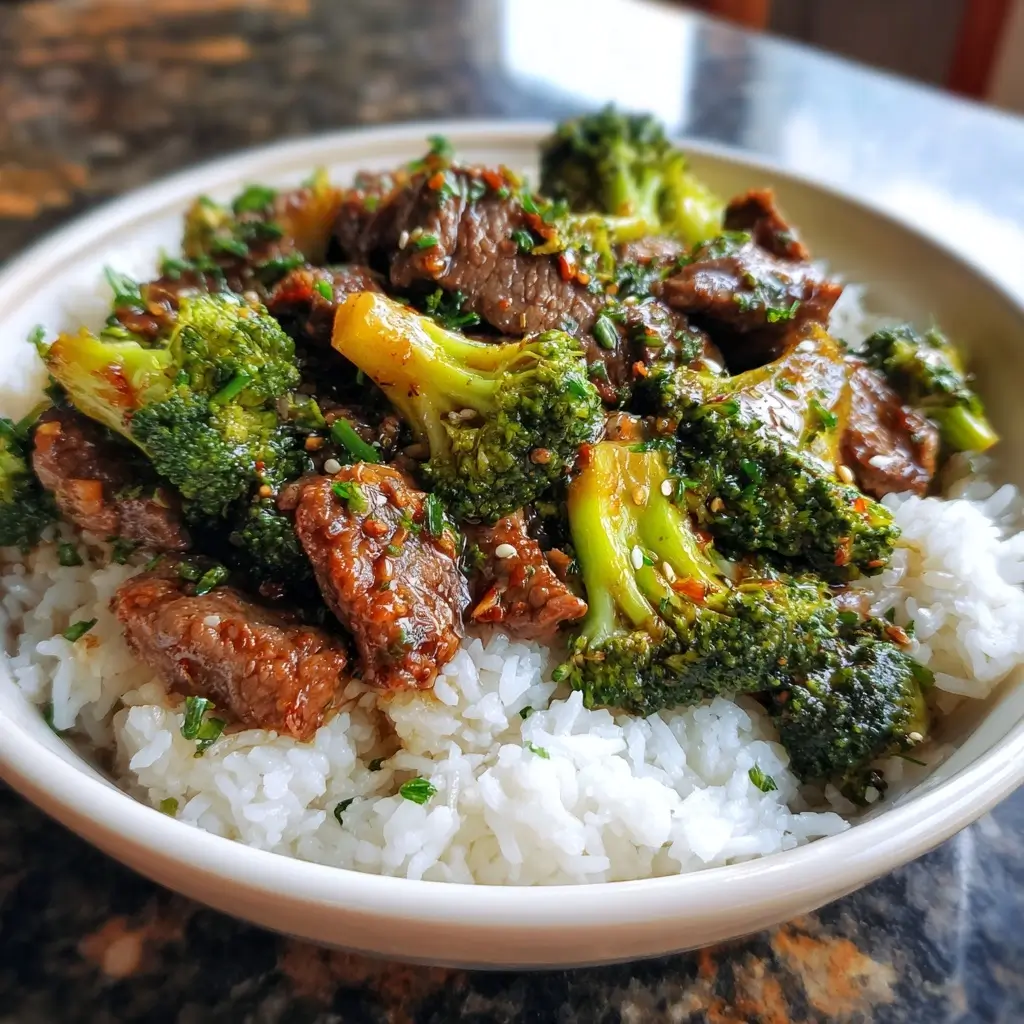
Beef and Broccoli Stir Fry
Beef and Broccoli Stir Fry: A Flavorful Classic from East to West
The Beef and Broccoli Stir Fry is a beloved dish that has captured the hearts of food lovers across continents. While it’s often associated with American-Chinese cuisine, its roots trace back to traditional Cantonese cooking, where stir-frying techniques have been perfected over centuries. This dish exemplifies the harmony of textures and flavors—tender slices of beef, crisp broccoli florets, and a savory-sweet sauce that clings perfectly to every ingredient. Its popularity in Western countries soared during the 20th century as Chinese immigrants adapted their recipes to local tastes, incorporating ingredients like oyster sauce and soy sauce into a balanced glaze that appeals to both adventurous and conservative palates.
The History of Beef and Broccoli Stir Fry
Though not commonly found in traditional Chinese households as a standalone dish, the concept of stir-fried meat with vegetables is deeply embedded in Chinese culinary culture. The specific combination of beef and broccoli gained prominence in North America, particularly in Chinese-American restaurants starting in the mid-1900s. Unlike many classic Chinese dishes that use bok choy or gai lan (Chinese broccoli), Western versions substituted these with common grocery store broccoli, which was more accessible and familiar to American consumers.
Chefs began marinating thin slices of flank steak or sirloin in soy sauce, rice wine, and cornstarch to tenderize the meat—a technique known as “velveting.” This method ensures the beef remains juicy and soft even after quick high-heat cooking. Paired with blanched broccoli and a glossy sauce made from broth, garlic, ginger, and oyster sauce, this stir fry quickly became a staple on takeout menus. Over time, home cooks adopted the recipe, refining it for family dinners, weeknight meals, and even meal prep routines due to its simplicity and satisfying flavor profile.
Ingredients Breakdown: What Makes This Dish Shine?
The magic of Beef and Broccoli Stir Fry lies in the careful selection and balance of ingredients. Each component plays a vital role in building layers of umami, texture, and aroma:
- Beef (Flank Steak or Sirloin): Lean cuts with good marbling work best. Flank steak offers rich flavor and absorbs marinade well, while sirloin provides tenderness and is easier to slice thinly.
- Broccoli Florets: Fresh broccoli should be vibrant green with firm stems. Blanching them briefly before stir-frying preserves their bright color and crisp-tender texture.
- Soy Sauce: Provides saltiness and depth. Light soy sauce is preferred for seasoning, while dark soy adds color and a subtle molasses-like richness.
- Oyster Sauce: A cornerstone of the sauce, oyster sauce brings a sweet, briny umami that defines the dish’s character. Vegetarian alternatives are available using mushroom extracts.
- Garlic and Ginger: These aromatics form the flavor base. Minced fresh garlic and grated ginger infuse the oil at the beginning, releasing fragrant oils essential to authentic taste.
- Sesame Oil: Used sparingly at the end, toasted sesame oil adds a nutty finish that elevates the entire dish.
- Shaoxing Wine or Dry Sherry: Adds complexity and helps deglaze the pan. It also tenderizes the meat during marination.
- Cornstarch: Crucial for both the marinade (to velvet the beef) and the sauce (to create a silky, clingy consistency).
- Beef Broth or Water: Forms the liquid base of the sauce, helping dissolve flavors and steam the broccoli slightly during cooking.
- Vegetable Oil: High smoke point oil ideal for stir-frying without burning.
Step-by-Step Recipe: How to Make Perfect Beef and Broccoli Stir Fry at Home
Making restaurant-quality Beef and Broccoli Stir Fry at home is easier than you think—just follow these detailed steps for a delicious, restaurant-worthy result.
Ingredients:
- 1 lb (450g) flank steak or sirloin, thinly sliced against the grain
- 4 cups broccoli florets (about 1 large head)
- 3 tablespoons vegetable oil (divided)
- 3 cloves garlic, minced
- 1 tablespoon fresh ginger, grated
- ¼ cup low-sodium soy sauce
- ¼ cup oyster sauce (or vegetarian oyster sauce)
- 2 tablespoons Shaoxing wine or dry sherry
- 1 tablespoon brown sugar (optional, for sweetness)
- ½ cup beef broth or water
- 1 teaspoon toasted sesame oil
- 2 tablespoons cornstarch (divided)
- 1 tablespoon cornstarch mixed with 2 tablespoons cold water (slurry, for thickening)
- Salt and pepper to taste
- Sliced green onions and sesame seeds for garnish
- Cooked jasmine rice or noodles, for serving
Directions:
- Prepare the Beef: Slice the beef thinly against the grain (about ⅛-inch thick). In a bowl, combine the beef with 2 tablespoons cornstarch, 1 tablespoon soy sauce, 1 tablespoon Shaoxing wine, and a dash of black pepper. Mix well to coat, then let marinate for at least 20 minutes (up to 1 hour in the fridge).
- Blanch the Broccoli: Bring a pot of salted water to a boil. Add the broccoli florets and cook for 1.5 to 2 minutes until bright green and just tender. Immediately transfer to an ice bath to stop cooking, then drain and set aside.
- Make the Sauce: In a small bowl, whisk together the remaining soy sauce, oyster sauce, Shaoxing wine, brown sugar (if using), beef broth, and sesame oil. Set aside.
- Stir-Fry the Beef: Heat 1 tablespoon of vegetable oil in a large wok or skillet over high heat. When the oil shimmers, add the marinated beef in a single layer. Sear without stirring for 1 minute, then stir-fry for another 2–3 minutes until browned but not fully cooked. Remove beef and set aside.
- Sauté Aromatics: Add another tablespoon of oil to the wok. Lower heat slightly and add garlic and ginger. Stir for 15–20 seconds until fragrant but not burnt.
- Cook the Broccoli: Add the blanched broccoli to the wok and stir-fry for 1 minute to warm through and absorb flavors.
- Combine Everything: Return the beef to the wok. Pour in the prepared sauce and stir to combine. Bring to a simmer.
- Thicken the Sauce: Stir the cornstarch slurry again and pour it into the wok. Cook for 1–2 minutes, stirring constantly, until the sauce thickens and coats the ingredients evenly.
- Finish and Serve: Drizzle with additional sesame oil if desired. Taste and adjust seasoning with salt, pepper, or a splash of soy sauce. Garnish with sliced green onions and sesame seeds. Serve immediately over hot jasmine rice or noodles.
Tips for the Best Beef and Broccoli Stir Fry
- Slice Against the Grain: Cutting the beef perpendicular to the muscle fibers ensures maximum tenderness.
- Don’t Skip the Velvet Marinade: Cornstarch and soy sauce in the marinade protect the beef from drying out and help it retain moisture during high-heat cooking.
- Use High Heat: Stir-frying requires intense heat to achieve that smoky “wok hei” flavor. Don’t overcrowd the pan—cook in batches if needed.
- Prep Everything Ahead: Stir-fries move fast. Have all ingredients chopped, sauces mixed, and tools ready before turning on the stove.
- Blanch Broccoli Properly: Undercook slightly when blanching since it will continue cooking in the wok.
- Avoid Overcooking the Beef: It should be seared quickly and remain slightly pink inside when removed; residual heat will finish cooking it when combined with the sauce.
- Adjust Sauce Thickness: If the sauce is too thick, add a splash of broth. Too thin? Simmer longer or add a bit more slurry.
Variations and Customizations
One of the greatest strengths of Beef and Broccoli Stir Fry is its adaptability. Here are some creative ways to customize the dish:
- Protein Swap: Replace beef with chicken, pork, shrimp, or tofu for different textures and dietary preferences.
- Veggie Variations: Add bell peppers, carrots, snap peas, mushrooms, or baby corn for extra color and nutrition.
- Spicy Kick: Add red chili flakes, sliced fresh chilies, or a spoonful of chili garlic sauce to the sauce mixture.
- Gluten-Free Version: Use tamari instead of soy sauce and ensure your oyster sauce is gluten-free (or substitute with mushroom sauce).
- Keto-Friendly: Omit sugar, use low-carb oyster sauce, and replace cornstarch with xanthan gum or arrowroot powder. Serve over cauliflower rice.
- Low-Sodium Option: Opt for reduced-sodium soy sauce and oyster sauce, or dilute with extra broth.
- Extra Umami Boost: Add a splash of fish sauce, a few drops of Maggi seasoning, or a pinch of MSG (to taste).
- Pineapple Addition: For a sweet twist, toss in canned pineapple chunks—popular in Hawaiian-style versions.
Health Considerations and Nutritional Value
Beef and Broccoli Stir Fry can be a nutritious, balanced meal when prepared thoughtfully. Let’s break down its health aspects:
- Protein Powerhouse: Beef is rich in high-quality protein, iron, zinc, and B vitamins, especially B12, which supports nerve function and red blood cell production.
- Fiber and Vitamins from Broccoli: Packed with vitamin C, K, folate, potassium, and dietary fiber, broccoli supports immune health, digestion, and bone strength. Its antioxidants, like sulforaphane, may offer cancer-protective benefits.
- Healthy Fats: Using minimal oil and focusing on unsaturated fats (like canola or avocado oil) keeps fat content in check.
- Sodium Watch: Store-bought oyster and soy sauces can be high in sodium. To reduce intake, choose low-sodium versions or make your own sauce blend.
- Portion Control: While flavorful, the sauce can be calorie-dense due to sugar and oil. Serve moderate portions with plenty of steamed rice or quinoa for balance.
- Digestibility: Marinating beef with cornstarch and proper cooking makes it easier to digest, especially for those sensitive to tougher meats.
- Allergen Notes: Contains soy, wheat (in most soy/oyster sauces), and shellfish (in oyster sauce). Always check labels for allergens or use certified alternatives.
Nutritional Estimate (per serving, serves 4):
Calories: ~380 | Protein: 28g | Carbohydrates: 22g | Fat: 18g | Fiber: 4g | Sugar: 8g | Sodium: 900mg (varies based on sauce brands)
Frequently Asked Questions (FAQ)
Q: Can I make this stir fry ahead of time?
A: Yes! You can prep the ingredients (marinate beef, chop veggies, mix sauce) up to a day in advance. However, stir-fry just before serving for best texture. Reheat gently to avoid overcooking the beef.
Q: Why is my beef tough?
A: Likely causes include slicing with the grain, overcooking, or skipping the cornstarch marinade. Always cut against the grain and cook quickly over high heat.
Q: Can I use frozen broccoli?
A: Fresh is best, but frozen broccoli can work. Thaw and pat dry thoroughly to prevent excess moisture. Blanch briefly and drain well before adding to the wok.
Q: Is this dish authentic Chinese?
A: It’s more accurately described as Chinese-American. Traditional Chinese versions might use different greens (like gai lan) and less sweet sauce, but the stir-fry technique is genuine.
Q: How do I store leftovers?
A: Cool completely and store in an airtight container in the refrigerator for up to 3–4 days. Reheat in a skillet or microwave, adding a splash of water or broth to refresh the sauce.
Q: Can I freeze Beef and Broccoli Stir Fry?
A: Freezing is possible, though the texture of the beef and broccoli may soften upon thawing. Freeze in portioned containers for up to 2 months. Thaw in the fridge overnight and reheat gently.
Q: What rice pairs best with this dish?
A: Steamed jasmine rice is classic, but brown rice, basmati, or even cauliflower rice for a low-carb option all work well.
Summary
Beef and Broccoli Stir Fry is a harmonious blend of tender beef, crisp vegetables, and a rich, savory sauce that satisfies cravings and nourishes the body. Easy to customize and perfect for weeknight dinners, it brings the vibrant essence of stir-fry culture into your kitchen.