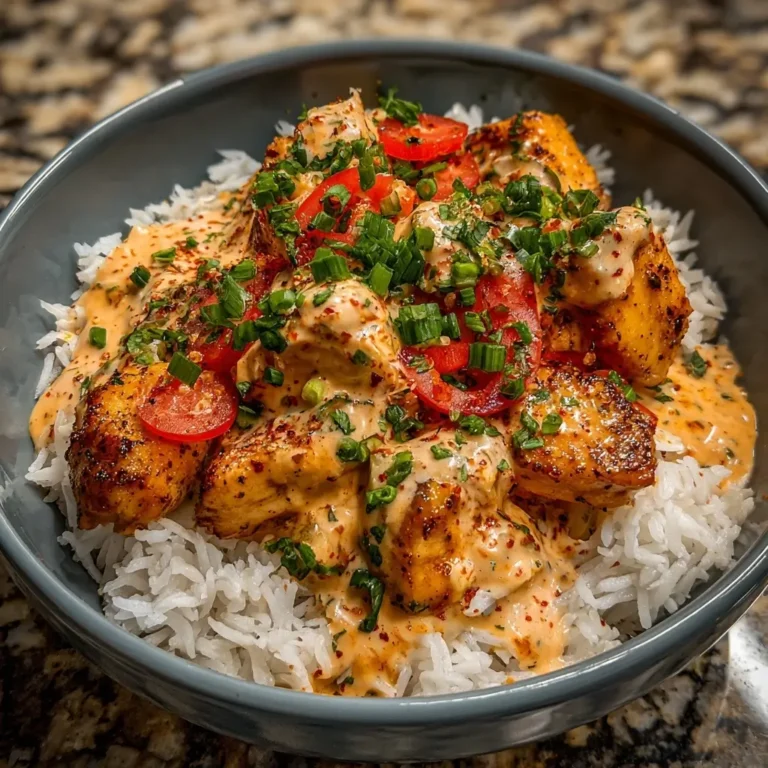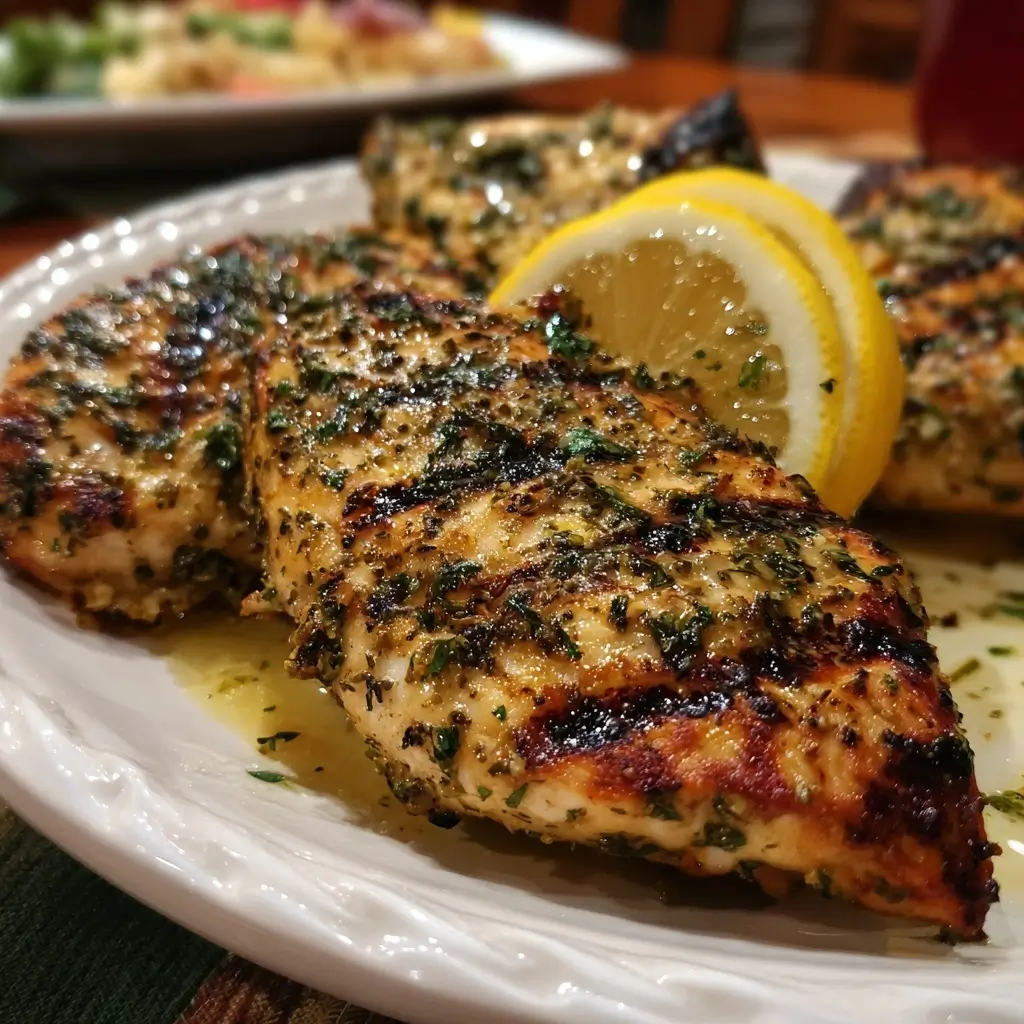
Lemon Herb Grilled Chicken
Introduction
Lemon Herb Grilled Chicken is a vibrant, flavorful, and healthy dish that brings together the zesty brightness of fresh lemons with the aromatic complexity of herbs, all kissed by the smoky char of the grill. Whether you’re hosting a summer barbecue, preparing a weeknight family dinner, or looking for a protein-packed meal to support your wellness goals, this recipe delivers on every level. The combination of citrus and herbs not only enhances flavor but also tenderizes the chicken, resulting in juicy, succulent meat with a beautifully caramelized exterior. This comprehensive guide dives deep into everything you need to know about making the perfect Lemon Herb Grilled Chicken — from its historical roots and ingredient science to step-by-step instructions, variations, health benefits, and expert tips.
The History
The concept of grilling marinated meats dates back thousands of years across various cultures, especially in Mediterranean, Middle Eastern, and North African cuisines. Ancient civilizations used open flames and simple seasonings like olive oil, garlic, salt, and wild herbs to enhance the taste of meats. The use of lemon in cooking became widespread around the Mediterranean after its introduction from Southeast Asia via trade routes during the early centuries AD. Over time, the pairing of lemon and herbs such as oregano, thyme, rosemary, and parsley became a hallmark of Greek, Italian, and Turkish culinary traditions. Dishes like Greek souvlaki, Turkish şiş kebabs, and Italian pollo al limone all feature grilled chicken infused with citrus and herbs. Modern interpretations of Lemon Herb Grilled Chicken have evolved with global influences and contemporary grilling techniques, becoming a staple in backyard barbecues and gourmet kitchens alike. Today, it’s celebrated not just for its deliciousness but also for its balance of simplicity and elegance.
Ingredients Breakdown
The magic of Lemon Herb Grilled Chicken lies in the synergy of its ingredients — each playing a crucial role in flavor development, texture, and tenderness:
- Chicken (boneless, skinless breasts or thighs): Lean and versatile, chicken breast offers a mild canvas for bold flavors, while thighs provide more fat and juiciness, staying moist during grilling.
- Fresh lemons: Provide acidity that helps break down proteins for tenderization and adds a bright, tangy note. Both juice and zest are used to maximize flavor.
- Olive oil: Acts as a base for the marinade, helping to carry fat-soluble flavors, prevent sticking on the grill, and keep the chicken moist.
- Garlic (freshly minced): Adds pungency and depth; when grilled, it mellows into a sweet, nutty richness.
- Fresh herbs (parsley, rosemary, thyme, oregano): Each herb contributes unique aromatic compounds — rosemary is piney and robust, thyme earthy, oregano slightly peppery, and parsley fresh and grassy.
- Shallot or red onion: Offers subtle sweetness and mild sharpness without overpowering the dish.
- Dijon mustard: Emulsifies the marinade, adds tang, and helps the mixture cling to the chicken.
- Honey or maple syrup (optional): A touch of sweetness balances acidity and promotes caramelization on the grill.
- Salt and black pepper: Essential for seasoning and enhancing overall flavor profile.
- Red pepper flakes (optional): Introduce a gentle heat that complements the citrus and herbs.
Using fresh ingredients wherever possible ensures the most vibrant and authentic taste.
Step-by-Step Recipe
- Prepare the Marinade: In a medium bowl, whisk together 1/3 cup freshly squeezed lemon juice (about 2 large lemons), 1 tablespoon lemon zest, 1/4 cup extra virgin olive oil, 3 cloves minced garlic, 1 tablespoon Dijon mustard, 1 teaspoon honey, 1 finely chopped shallot, 1 tablespoon chopped fresh rosemary, 1 tablespoon chopped fresh thyme, 2 tablespoons chopped fresh parsley, 1/2 teaspoon salt, 1/4 teaspoon black pepper, and a pinch of red pepper flakes (if using). Mix until smooth and emulsified.
- Marinate the Chicken: Place 4 boneless, skinless chicken breasts (or 6–8 thighs) in a resealable plastic bag or shallow glass dish. Pour the marinade over the chicken, ensuring each piece is thoroughly coated. Seal or cover and refrigerate for at least 30 minutes, but ideally 2 to 4 hours (up to 8 hours for deeper flavor). Do not exceed 12 hours, as the acid can begin to “cook” the chicken and alter its texture.
- Preheat the Grill: About 20 minutes before grilling, preheat your grill to medium-high heat (375°F to 400°F). Clean the grates and lightly oil them to prevent sticking. For gas grills, preheat with the lid closed. For charcoal, wait until coals are ash-covered and glowing.
- Remove and Pat Dry: Take the chicken out of the refrigerator 15–20 minutes before grilling to bring it closer to room temperature for even cooking. Remove from marinade and gently pat dry with paper towels — this helps achieve better sear and prevents flare-ups.
- Grill the Chicken: Place chicken on the grill at a 45° angle to the grates for attractive sear marks. Close the lid and cook for 5–7 minutes per side, depending on thickness. Chicken breasts typically take 12–16 minutes total, while thighs may take 8–12 minutes. Avoid pressing down on the chicken, which squeezes out juices.
- Check for Doneness: Use an instant-read thermometer to ensure internal temperature reaches 165°F in the thickest part without touching bone. Juices should run clear when pierced.
- Rest the Chicken: Transfer grilled chicken to a clean plate, tent loosely with foil, and let rest for 5–10 minutes. This allows juices to redistribute, keeping the meat moist.
- Serve: Slice against the grain and garnish with additional chopped fresh herbs and a drizzle of fresh lemon juice. Serve hot with sides like grilled vegetables, quinoa, or a crisp green salad.
Tips
- Uniform Thickness: Pound thicker chicken breasts to an even ¾-inch thickness using a meat mallet or rolling pin. This prevents uneven cooking and dry spots.
- Don’t Over-Marinate: While longer marinating intensifies flavor, too much time in acidic marinades can make chicken mushy. Stick to 2–8 hours.
- Reserve Some Marinade: Set aside a portion of the marinade before adding it to raw chicken. Use it to baste during grilling or drizzle over the finished dish (after boiling for 2 minutes to kill bacteria).
- Use Fresh Herbs: Dried herbs can work in a pinch (use 1/3 the amount), but fresh herbs deliver superior aroma and brightness.
- Control Grill Heat: If flare-ups occur, move chicken to a cooler zone temporarily. Keeping a two-zone fire (hot and indirect) gives you more control.
- Baste for Extra Flavor: During the last few minutes of grilling, brush with reserved (boiled) marinade or a mix of melted butter and lemon juice for added sheen and richness.
- Avoid Overcooking: Remove chicken just before it hits 165°F, as carryover cooking will raise the temperature another 5–10 degrees during resting.
- Try Skewers: Cut chicken into cubes and thread onto skewers with bell peppers, onions, and zucchini for lemon herb chicken kabobs.
Variations and Customizations
- Mediterranean Style: Add crumbled feta cheese, kalamata olives, and serve over Greek salad with tzatziki sauce.
- Asian Fusion: Replace some lemon juice with rice vinegar, add ginger, soy sauce, and cilantro. Serve over jasmine rice.
- Cajun Kick: Mix in smoked paprika, cayenne, and thyme for a spicier version with a Southern twist.
- Citrus Blend: Combine lemon with orange or lime juice and zest for a tropical flair.
- Creamy Finish: Stir a spoonful of Greek yogurt or sour cream into the marinade before serving for a creamy lemon-herb sauce.
- Smoked Flavor: Use a smoker or add wood chips (like hickory or applewood) to your grill for a deeper, smoky dimension.
- Dairy-Free or Vegan Option: Marinate firm tofu, tempeh, or portobello mushrooms using the same marinade for a plant-based alternative.
- Sheet Pan Roast: If grilling isn’t possible, roast marinated chicken in a 400°F oven for 20–25 minutes, broiling briefly at the end for color.
Health Considerations and Nutritional Value
Lemon Herb Grilled Chicken is a nutritionally balanced dish ideal for health-conscious eaters. A 4-ounce serving of grilled chicken breast contains approximately:
- Calories: 165 kcal
- Protein: 31g (excellent source for muscle repair and satiety)
- Fat: 4g (mostly heart-healthy monounsaturated fats from olive oil)
- Sodium: ~300mg (varies based on salt content; reduce for low-sodium diets)
- Vitamin C: From lemon juice, supports immune function and collagen production
- Antioxidants: Garlic and herbs contain polyphenols and flavonoids with anti-inflammatory properties
- Low Carb & Keto-Friendly: Naturally low in carbohydrates, making it suitable for low-carb, paleo, and ketogenic diets
This dish supports weight management, heart health, and metabolic wellness when served with whole grains, legumes, or non-starchy vegetables. To further improve nutritional value:
- Use skinless chicken to reduce saturated fat.
- Limit added sugars by omitting honey or using a sugar-free substitute.
- Increase fiber by serving with grilled vegetables or a kale salad.
- Choose organic, free-range chicken when possible to avoid antibiotics and hormones.
Those with citrus sensitivities or GERD may want to reduce lemon content or marinate for a shorter time to minimize acidity.
Ingredients
- 4 boneless, skinless chicken breasts (or 6–8 thighs), about 1.5 to 2 lbs
- 2 large lemons (for juice and zest)
- 1/4 cup extra virgin olive oil
- 3 cloves garlic, minced
- 1 tablespoon Dijon mustard
- 1 teaspoon honey or maple syrup (optional)
- 1 small shallot, finely chopped (or 1/4 cup red onion)
- 1 tablespoon fresh rosemary, chopped
- 1 tablespoon fresh thyme leaves
- 2 tablespoons fresh parsley, chopped
- 1/2 teaspoon sea salt
- 1/4 teaspoon black pepper
- Pinch of red pepper flakes (optional)
Directions
- In a mixing bowl, combine lemon juice, lemon zest, olive oil, garlic, Dijon mustard, honey, shallot, rosemary, thyme, parsley, salt, pepper, and red pepper flakes. Whisk until fully blended.
- Place chicken in a resealable plastic bag or glass container. Pour marinade over chicken, seal, and refrigerate for 2–8 hours.
- Preheat grill to medium-high (375–400°F). Clean and oil grates.
- Remove chicken from marinade, discard used marinade, and pat dry.
- Grill chicken for 5–7 minutes per side, turning once, until internal temperature reaches 165°F.
- Transfer to a plate, cover loosely with foil, and rest for 5–10 minutes.
- Slice and serve with fresh herbs and lemon wedges.
FAQ
Can I use frozen chicken?
Yes, but thaw completely in the refrigerator before marinating for best results and food safety.
Can I bake this instead of grilling?
Absolutely. Bake at 400°F for 20–25 minutes or until 165°F internally. Broil for 2–3 minutes at the end for browning.
How long does leftover grilled chicken last?
Store in an airtight container in the refrigerator for up to 4 days. Reheat gently in a skillet or microwave.
Can I freeze marinated chicken?
Yes. Freeze chicken in the marinade in a sealed bag for up to 3 months. Thaw in the fridge before grilling.
Why did my chicken turn out dry?
Overcooking is the most common cause. Use a thermometer and remove chicken at 160°F; it will rise to 165°F while resting.
What sides pair well with this dish?
Excellent options include roasted potatoes, grilled asparagus, couscous, tabbouleh, arugula salad, or garlic bread.
Can I use dried herbs?
Yes, but use 1/3 the amount (e.g., 1 teaspoon dried rosemary instead of 1 tablespoon fresh). Fresh is preferred for optimal flavor.
Is this recipe gluten-free?
Yes, as long as all ingredients (especially Dijon mustard) are certified gluten-free. Always check labels.
Summary
Lemon Herb Grilled Chicken combines zesty citrus, fragrant herbs, and perfectly grilled poultry for a healthy, flavorful meal that’s easy to customize and loved by families and guests alike. With its rich culinary heritage and nutritious profile, it’s a timeless dish that shines on any table — from weeknight dinners to festive gatherings.