Chocolate Espresso Brownies
Chocolate Espresso Brownies: A Decadent Fusion of Rich Cocoa and Bold Coffee
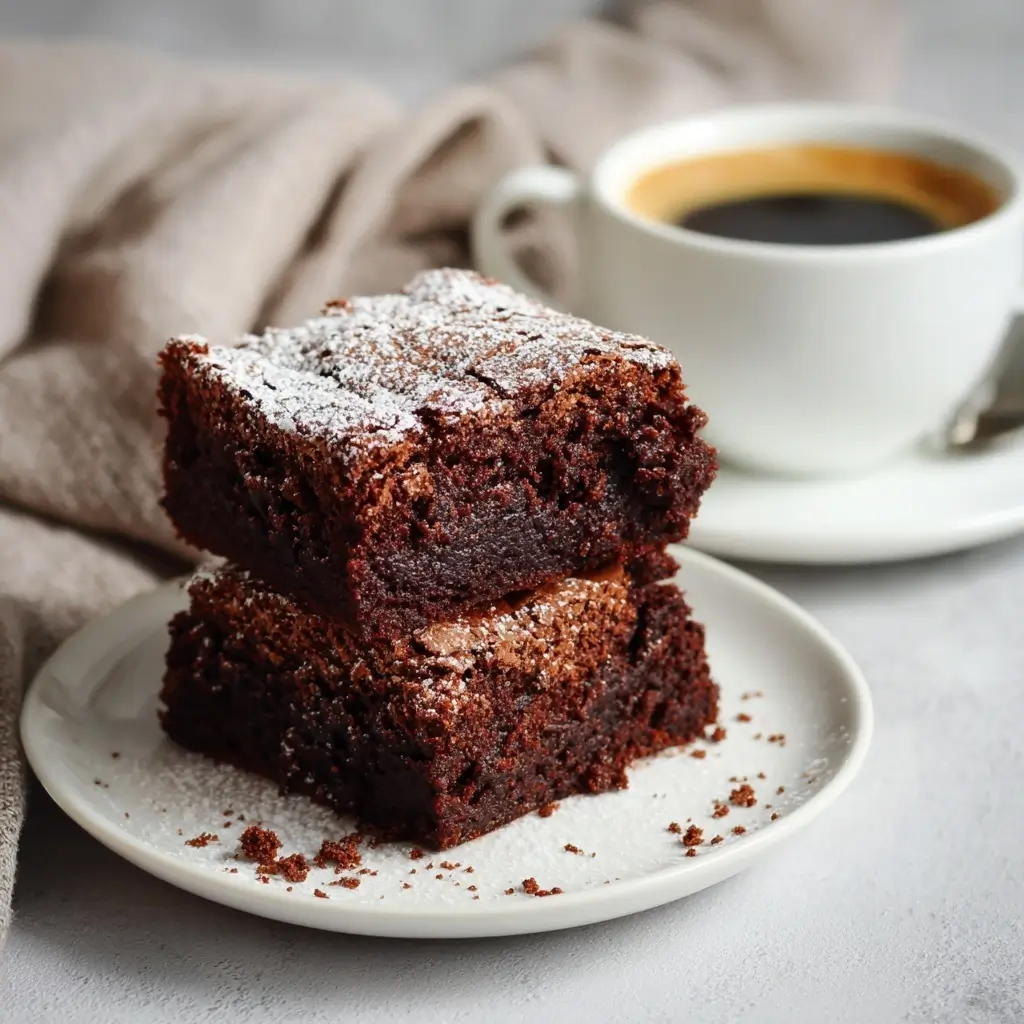
Indulgence takes many forms, but few treats satisfy the soul quite like a perfectly baked brownie. Now imagine that classic fudgy treat elevated with the deep, aromatic complexity of espresso—a union so harmonious it borders on culinary perfection. Chocolate Espresso Brownies are not just a dessert; they’re an experience. With their dense, moist crumb, glossy crust, and a bold coffee undertone that enhances the chocolate without overpowering it, these brownies stand out in any bakery lineup. Whether you’re serving them at a dinner party, packing them into lunchboxes, or enjoying a quiet midnight slice with a glass of cold milk, these espresso-kissed brownies deliver pure comfort in every bite.
The History of Brownies—and How Espresso Found Its Way In
The story of the brownie begins in late 19th-century America, with its first known appearance traced to the 1897 edition of the Chicago Daily Tribune. Originally conceived as a “molasses cake” or a dense chocolate confection, the brownie quickly evolved into the fudgy square we know today. The name itself is believed to have been coined by a chef at the Palmer House Hotel in Chicago, who created a small, rectangular chocolate cake for a charity fundraiser. Over time, recipes spread through cookbooks and home kitchens, giving rise to countless variations—walnut-studded, cake-like, chewy, crackly-topped, and everything in between.
Enter espresso. As global palates became more adventurous and specialty coffee culture flourished in the late 20th century, bakers began experimenting with flavor pairings that highlighted the natural affinities between ingredients. Chocolate and coffee, both derived from beans with rich, earthy profiles, were a match made in gastronomic heaven. The addition of finely ground espresso or strong brewed coffee to brownie batter doesn’t make the dessert taste “like coffee”—instead, it amplifies the depth of the chocolate, unlocking hidden notes of fruit, spice, and bitterness that balance the sweetness. By the 2000s, Chocolate Espresso Brownies had become a staple in gourmet bakeries and artisan dessert menus, beloved by coffee aficionados and chocoholics alike.
Ingredients Breakdown: Why Each One Matters
The magic of Chocolate Espresso Brownies lies not only in their flavor but in the careful balance of ingredients that create their signature texture and richness. Let’s explore each component and its role in this decadent dessert:
- Unsweetened Chocolate: This is the backbone of the brownie, providing intense cocoa flavor without added sugar. Using high-quality chocolate (preferably with at least 70% cocoa solids) ensures a deep, complex base that isn’t overly sweet.
- Espresso Powder or Strong Brewed Coffee: Espresso doesn’t just add caffeine—it intensifies the chocolate flavor through a process called flavor layering. The bitterness and acidity of coffee enhance cocoa’s natural characteristics, making the chocolate taste richer and more nuanced.
- Butter: Unsalted butter contributes moisture, tenderness, and a luxurious mouthfeel. It also helps form the shiny, paper-thin crust that develops on top during baking—a hallmark of a well-made brownie.
- Granulated Sugar: Provides sweetness and aids in creating the desired crackly surface. When creamed with eggs, sugar helps incorporate air, contributing to a slight lift while maintaining density.
- Eggs: Act as both a binder and leavening agent. The yolks add richness and emulsify fats, while the whites provide structure. Room-temperature eggs blend more smoothly into the batter.
- Vanilla Extract: A small amount goes a long way in rounding out flavors, adding warmth and balancing the bitterness of dark chocolate and espresso.
- All-Purpose Flour: Offers just enough structure to hold the brownies together without making them cakey. Too much flour results in dryness; too little leads to collapse.
- Cocoa Powder (Dutch-process preferred): Adds extra chocolate intensity and deep color. Dutch-process cocoa is alkalized, which gives it a smoother, less acidic flavor that pairs beautifully with espresso.
- Salt: A pinch enhances all other flavors, preventing the sweetness from becoming cloying and highlighting the complexity of the chocolate and coffee.
- Optional Add-ins: Chopped walnuts, pecans, dark chocolate chunks, or even a swirl of mascarpone can elevate texture and taste. Some bakers also fold in a handful of flaky sea salt just before baking for a sweet-salty contrast.
Step-by-Step Recipe: How to Make Perfect Chocolate Espresso Brownies
Follow this detailed guide to achieve fudgy, crack-top brownies with a whisper of coffee aroma that dances beneath the chocolate. These instructions yield 16 generous squares.
Ingredients
- 8 ounces (225g) unsweetened chocolate, coarsely chopped
- 1 cup (2 sticks / 226g) unsalted butter, cut into cubes
- 2 cups (400g) granulated sugar
- 4 large eggs, at room temperature
- 1 tablespoon pure vanilla extract
- 1 ¼ cups (150g) all-purpose flour
- ½ cup (50g) Dutch-process cocoa powder
- 1 tablespoon instant espresso powder (or 2 tablespoons strong brewed espresso, cooled)
- 1 teaspoon fine sea salt
- 1 cup (120g) chopped walnuts or dark chocolate chunks (optional)
Directions
- Preheat & Prepare: Preheat your oven to 350°F (175°C). Line a 9×9-inch metal baking pan with parchment paper, leaving overhang on two opposite sides for easy removal. Lightly grease the parchment.
- Melt Chocolate and Butter: In a heatproof bowl set over a pot of simmering water (double boiler method), melt the chopped chocolate and butter, stirring frequently until smooth. Remove from heat and let cool slightly.
- Add Sugar and Eggs: Whisk the sugar into the chocolate mixture until combined. Add the eggs one at a time, whisking vigorously after each addition until the batter becomes thick, glossy, and pale in color—about 1–2 minutes per egg. Stir in the vanilla extract.
- Incorporate Dry Ingredients: In a separate bowl, sift together the flour, cocoa powder, espresso powder, and salt. Gradually fold the dry ingredients into the wet mixture using a spatula. Mix until just combined—do not overmix, as this can lead to tough brownies.
- Fold in Add-ins: Gently stir in the chopped nuts or chocolate chunks, if using.
- Pour and Bake: Pour the batter into the prepared pan, spreading evenly with the spatula. Tap the pan gently on the counter to release air bubbles. For a professional touch, sprinkle the top with a few pinches of flaky sea salt.
- Bake Until Just Done: Bake for 30–35 minutes, or until a toothpick inserted into the center comes out with moist crumbs (not wet batter). The top should be cracked and shiny, and the edges slightly pulled away from the pan.
- Cool Completely: Allow the brownies to cool in the pan on a wire rack for at least 2 hours. For clean cuts, chill in the refrigerator for 1 hour before slicing.
- Slice and Serve: Use the parchment overhang to lift the brownie block out of the pan. Cut into 16 squares with a sharp knife, wiping the blade between cuts for neat edges.
Tips for Baking the Best Chocolate Espresso Brownies
- Use Quality Chocolate: Since chocolate is the star, choose a brand you’d enjoy eating on its own. Avoid chocolate chips meant for cookies, as they contain stabilizers that affect melting.
- Don’t Overbake: The key to fudgy brownies is underbaking slightly. They continue to set as they cool. Overbaking leads to dryness.
- Room-Temperature Eggs: Cold eggs can cause the melted chocolate-butter mixture to seize. Letting eggs sit in warm water for 5 minutes can speed up warming.
- Whisk Eggs Vigorously: The aeration from beating the eggs into the sugar-chocolate mix creates the signature shiny crust.
- Let Them Rest: Cooling is crucial. Cutting into warm brownies will result in gooey smears. Patience yields clean, fudgy slices.
- Double the Espresso for Intensity: If you love bold coffee flavor, increase espresso powder to 2 tablespoons or replace 2 tablespoons of water with cold brewed espresso.
- Chill Before Slicing: Refrigerating the cooled brownies firms them up, making cutting easier and cleaner.
Variations and Customizations
While the classic Chocolate Espresso Brownie is divine on its own, feel free to experiment with creative twists:
- Gluten-Free Version: Substitute the all-purpose flour with a 1:1 gluten-free baking flour blend. Ensure cocoa powder and chocolate are certified gluten-free.
- Dairy-Free Option: Replace butter with vegan stick butter (not oil-based spreads) and use dairy-free chocolate. Check labels carefully.
- Lower Sugar: Reduce sugar to 1 ½ cups and use sugar substitutes like erythritol, though texture may be slightly altered.
- Mocha Swirl: Melt 4 oz of white chocolate and swirl into the batter before baking for a marbled effect.
- Peppermint Espresso: Add ½ teaspoon peppermint extract along with the vanilla for a holiday twist.
- Nutella Layer: Spoon dollops of Nutella over the batter and swirl with a knife for a hazelnut-chocolate surprise.
- Espresso Bean Topping: Press whole roasted espresso beans onto the surface before baking for crunch and visual flair.
- Stout Beer Variation: Replace brewed coffee with reduced stout beer for a malty, bitter depth.
Health Considerations and Nutritional Value
While Chocolate Espresso Brownies are undeniably a treat, understanding their nutritional profile can help you enjoy them mindfully.
Nutritional Breakdown (per serving, based on 16 squares):
- Calories: ~280–320 kcal
- Fat: 18–22g (mostly from butter and chocolate)
- Saturated Fat: 10–12g
- Carbohydrates: 30–35g
- Sugars: 24–28g
- Protein: 3–4g
- Fiber: 2–3g (from cocoa and flour)
- Caffeine: ~20–40mg per brownie (depending on espresso content)
Health Notes:
- Dark Chocolate Benefits: Unsweetened chocolate contains flavonoids, antioxidants linked to heart health and improved blood flow. However, benefits diminish with added sugar and fat.
- Caffeine Sensitivity: While the caffeine level is moderate, those sensitive to stimulants should consume in moderation, especially in the evening.
- Portion Control: These brownies are rich and satisfying—one square often suffices. Serve with berries or Greek yogurt to balance indulgence.
- Dietary Modifications: For lower-fat versions, applesauce or mashed banana can partially replace butter, though texture becomes denser and less fudgy.
Frequently Asked Questions (FAQ)
Q: Can I use regular instant coffee instead of espresso powder?
A: Yes, but espresso powder is more concentrated and provides a stronger, smoother coffee flavor. Regular instant coffee works in a pinch, but you may need to use slightly more.
Q: Why did my brownies turn cakey?
A: Cakey brownies usually result from too much flour, overmixing the batter, or using too many eggs. Stick to the recipe and avoid excessive stirring after adding flour.
Q: Can I freeze Chocolate Espresso Brownies?
A: Absolutely! Wrap individual brownies tightly in plastic wrap and store in a freezer-safe bag for up to 3 months. Thaw at room temperature or warm in the microwave for 15 seconds.
Q: What makes the shiny crust on top?
A: The glossy top forms when sugar and eggs are beaten until light and fluffy, creating tiny air bubbles that expand and burst during baking, leaving behind a thin, crisp layer.
Q: Can I make these brownies ahead of time?
A: Yes! They keep well at room temperature in an airtight container for up to 5 days. The flavors deepen overnight, making day two even better than day one.
Q: Are these brownies safe for kids?
A: The alcohol in vanilla extract evaporates during baking, and the caffeine content is relatively low. However, if serving to young children or those avoiding caffeine, reduce or omit the espresso.
Summary
Chocolate Espresso Brownies combine the velvety richness of premium dark chocolate with the bold depth of espresso to create a dessert that’s both familiar and thrillingly complex. Each fudgy, crack-topped square delivers a symphony of flavors that lingers long after the last bite.