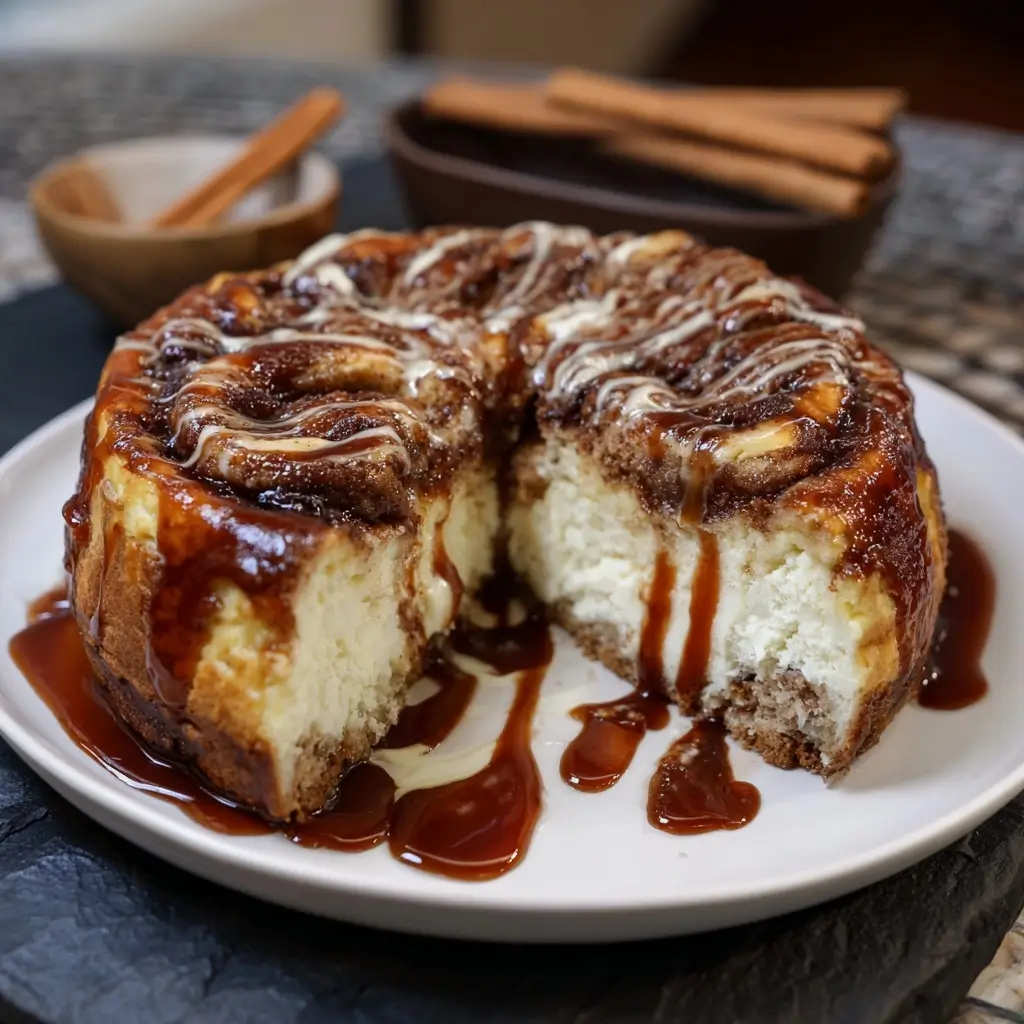
Cinnamon Roll Cheesecake
Cinnamon Roll Cheesecake: The Ultimate Fusion Dessert
If you love the warm, comforting aroma of freshly baked cinnamon rolls and the rich, creamy indulgence of cheesecake, then prepare to be amazed by the ultimate dessert hybrid: Cinnamon Roll Cheesecake. This decadent treat combines the best of both worlds—swirls of cinnamon-sugar nestled into a velvety cheesecake filling, all resting on a buttery graham cracker crust that mimics the soft base of a classic cinnamon roll. It’s a showstopper dessert perfect for holidays, brunch gatherings, or whenever you’re craving something truly special. In this comprehensive guide, we’ll explore everything from its cultural roots and ingredient science to step-by-step instructions, variations, health considerations, and tips to ensure your Cinnamon Roll Cheesecake turns out perfectly every time.
The History: How Two Classics Became One
The story of Cinnamon Roll Cheesecake is one of culinary innovation and nostalgia. While cheesecake dates back to ancient Greece—where it was served to athletes at the first Olympic Games—the modern version we know today evolved through European kitchens, particularly in Germany and New York. Cream cheese became widely available in the U.S. in the early 20th century, thanks to companies like Kraft, which helped popularize American-style cheesecake.
On the other hand, cinnamon rolls have Scandinavian roots, especially in Sweden, where they are celebrated annually on October 4th as “Cinnamon Roll Day” (Kanelbullens dag). These sweet, spiral-shaped pastries made their way into American bakeries and breakfast tables, becoming a staple in diners and holiday spreads.
The fusion of these two beloved desserts likely emerged in the late 2000s and early 2010s, during the peak of food mashup culture. Inspired by viral recipes like cronuts and ramen burgers, home bakers began experimenting with combining textures and flavors. The Cinnamon Roll Cheesecake was born from this creative wave—a dessert that captures the gooey sweetness of a cinnamon roll with the luxurious texture of a baked cheesecake. It’s now a favorite among food bloggers, Pinterest bakers, and dessert enthusiasts looking for a unique twist on tradition.
Ingredients Breakdown: What Makes This Dessert So Irresistible?
The magic of Cinnamon Roll Cheesecake lies in its carefully balanced ingredients, each contributing to flavor, texture, and structure. Let’s break down what goes into this masterpiece:
- Cream Cheese: The star of any cheesecake, full-fat cream cheese provides richness and body. Always use brick-style cream cheese (not spreadable tubs) for the smoothest texture.
- Sour Cream: Adds tanginess and moisture, helping to prevent cracking while enhancing creaminess.
- Granulated Sugar: Sweetens the filling and helps create a silky consistency when blended properly.
- Eggs: Act as a binder and give the cheesecake its custard-like structure. Room temperature eggs blend more smoothly and reduce air bubbles.
- Vanilla Extract: Enhances overall flavor with a warm, aromatic note that complements cinnamon.
- Graham Cracker Crumbs: Form the base of the crust, offering a slightly sweet, crisp foundation reminiscent of a cinnamon roll’s dough.
- Melted Butter: Binds the crust together and adds richness. Unsalted butter gives better control over salt levels.
- Brown Sugar: Used in both the crust and the swirl, it brings deep molasses notes that pair beautifully with cinnamon.
- Ground Cinnamon: The heart and soul of the flavor profile. Freshly ground cinnamon offers a more vibrant taste than pre-ground.
- Heavy Cream or Whipping Cream: Sometimes added to the filling for extra silkiness or used in a glaze.
- Powdered Sugar: Used in the final glaze to mimic the icing drizzled over traditional cinnamon rolls.
- Milk or Cream (for glaze): Thins the powdered sugar to a pourable consistency.
Optional add-ins include chopped pecans or walnuts for crunch, a splash of bourbon or maple extract for depth, or even a layer of streusel topping for extra texture.
Step-by-Step Recipe: How to Make Cinnamon Roll Cheesecake at Home
Follow this detailed guide to create a flawless Cinnamon Roll Cheesecake that will impress guests and satisfy even the most discerning sweet tooth.
Ingredients
- 1 ½ cups graham cracker crumbs (about 10 full sheets)
- ¼ cup granulated sugar
- ½ teaspoon ground cinnamon
- 6 tablespoons unsalted butter, melted
- 4 (8 oz) packages full-fat cream cheese, softened to room temperature
- 1 ½ cups granulated sugar
- 1 cup sour cream, room temperature
- 3 tablespoons all-purpose flour
- 2 teaspoons pure vanilla extract
- 4 large eggs, room temperature
- ⅓ cup packed light brown sugar
- 1 ½ teaspoons ground cinnamon
- 2 tablespoons heavy cream (optional, for swirl)
- 1 cup powdered sugar
- 2–3 tablespoons milk or cream (for glaze)
Directions
- Preheat Oven & Prepare Pan: Preheat your oven to 325°F (163°C). Grease a 9-inch springform pan thoroughly and wrap the outside bottom and sides tightly with aluminum foil to prevent water from seeping in during the water bath.
- Make the Crust: In a medium bowl, combine graham cracker crumbs, ¼ cup granulated sugar, ½ teaspoon cinnamon, and melted butter. Mix until the crumbs are evenly moistened. Press the mixture firmly into the bottom and slightly up the sides of the prepared pan. Use the bottom of a glass or measuring cup to compact it evenly. Bake for 8–10 minutes, then remove and let cool while you prepare the filling. Reduce oven temperature to 300°F (149°C) if using a water bath.
- Prepare Water Bath (Recommended): Place a large roasting pan in the oven and fill it with enough hot water to reach about halfway up the sides of the springform pan. This helps regulate temperature and prevents cracking.
- Make the Cinnamon Swirl: In a small bowl, mix brown sugar and 1 ½ teaspoons cinnamon. Stir in 2 tablespoons of heavy cream if desired to make a paste. Set aside.
- Make the Cheesecake Filling: In a large mixing bowl, beat cream cheese on medium speed until smooth and creamy (about 2 minutes). Add 1 ½ cups granulated sugar and beat until fully incorporated. Scrape down the sides. Add sour cream and vanilla extract; mix until combined. Add flour and mix just until smooth. Add eggs one at a time, beating on low speed after each addition just until blended. Do not overmix—this prevents air bubbles and cracking.
- Assemble the Cheesecake: Pour half of the cheesecake batter over the cooled crust. Drizzle half of the cinnamon-brown sugar mixture evenly over the batter. Pour the remaining cheesecake batter on top. Drop spoonfuls of the remaining cinnamon mixture across the surface. Use a knife or skewer to gently swirl the cinnamon into the batter in a marbled pattern—don’t over-swirl or the design will disappear.
- Bake: Carefully place the springform pan into the water bath. Bake for 75–90 minutes. The cheesecake is done when the edges are set but the center still jiggles slightly when gently shaken. The internal temperature should be around 150°F (65°C).
- Cool Gradually: Turn off the oven, crack the door open slightly, and let the cheesecake cool inside for 1 hour. This prevents sudden temperature changes that cause cracks. Remove from oven and water bath, run a knife around the edge (to prevent sticking), and chill in the refrigerator for at least 6 hours, preferably overnight.
- Add Glaze: Just before serving, whisk powdered sugar with 2–3 tablespoons of milk or cream until smooth. Drizzle generously over the top of the chilled cheesecake. Optionally, sprinkle with cinnamon or crushed graham crackers for garnish.
- Serve: Release the springform clamp, slice with a warm, clean knife (dipped in hot water), and serve chilled.
Tips for Perfect Results Every Time
- Room Temperature Ingredients: Cold cream cheese, eggs, or sour cream can lead to lumpy batter. Allow all dairy ingredients to sit out for 1–2 hours before mixing.
- Avoid Overmixing: Once eggs are added, mix only until just combined. Overbeating incorporates too much air, which can cause puffing and cracking.
- Use a Water Bath: A water bath (bain-marie) ensures gentle, even heat distribution. If you skip it, consider placing a shallow pan of water on the lower rack to add moisture to the oven.
- Don’t Open the Oven: Resist the urge to peek during baking. Sudden temperature drops can cause the cheesecake to collapse or crack.
- Cool Slowly: The gradual cooling process is crucial. Skipping the oven cooldown step increases the risk of surface cracks.
- Chill Overnight: For clean slices and optimal flavor development, refrigerate the cheesecake for at least 6–8 hours, or up to 48 hours.
- Sharp Knife for Slicing: Wipe the knife with a damp cloth between cuts for pristine slices.
Variations and Customizations
The beauty of Cinnamon Roll Cheesecake is its versatility. Here are some creative twists to try:
- Streusel-Topped Version: Before baking, sprinkle a crumb topping made from ¼ cup flour, ¼ cup brown sugar, 2 tablespoons cold butter, and 1 teaspoon cinnamon over the batter for a bakery-style finish.
- Maple Cinnamon Swirl: Replace brown sugar with maple sugar or add 1 tablespoon of pure maple syrup to the swirl mixture for an autumnal twist.
- Apple Cinnamon Roll Cheesecake: Fold in 1 cup of finely diced, sautéed apples into the batter for a pie-inspired variation.
- Gluten-Free Option: Use gluten-free graham crackers for the crust and ensure all other ingredients are certified gluten-free.
- Vegan Version: Substitute cream cheese with high-quality vegan cream cheese (like Kite Hill or Miyoko’s), use flax eggs, and replace sour cream with coconut yogurt. Use a vegan crust (dates + nuts + coconut oil).
- Mini Cheesecakes: Make individual servings in muffin tins lined with cupcake liners. Bake at 325°F for 20–25 minutes.
- Chocolate Swirl: Add a chocolate ribbon by swirling melted and cooled chocolate into the batter along with the cinnamon.
- Spiced Rum Glaze: Add a teaspoon of spiced rum or bourbon to the glaze for an adult-friendly kick.
Health Considerations and Nutritional Value
While undeniably delicious, Cinnamon Roll Cheesecake is a rich dessert best enjoyed in moderation. Here’s a general nutritional breakdown per slice (assuming 12 servings):
- Calories: ~450–550
- Total Fat: 30–35g (mostly from cream cheese and butter)
- Saturated Fat: 18–22g
- Cholesterol: 120–150mg
- Sodium: 300–400mg
- Total Carbohydrates: 40–50g
- Sugars: 30–35g (mostly refined sugars)
- Protein: 7–9g
Considerations:
- High in Saturated Fat and Sugar: Regular consumption may contribute to weight gain or cardiovascular concerns. Enjoy occasionally as part of a balanced diet.
- Lactose Intolerance: Contains dairy products. Lactose-sensitive individuals may need substitutions.
- Low-Fiber: The refined carbs and lack of whole grains mean it’s not fiber-rich. Pair with fresh fruit to balance the meal.
- Diabetic-Friendly Modifications: Use sugar substitutes like erythritol or monk fruit in both filling and glaze, and opt for a nut-based crust to reduce glycemic impact.
- Portion Control: Serve smaller slices (e.g., 1/16 of the cake) and pair with berries to enhance satiety without excess calories.
Frequently Asked Questions (FAQ)
Can I make this cheesecake ahead of time?
Yes! Cinnamon Roll Cheesecake actually improves with time. Make it 1–2 days in advance and store it covered in the fridge. Add the glaze just before serving.
Why did my cheesecake crack?
Cracking is usually due to overbaking, rapid cooling, or overmixing. To fix minor cracks, cover them with extra glaze or a cinnamon-sugar dusting.
Can I freeze Cinnamon Roll Cheesecake?
Absolutely. Wrap the unglazed, fully chilled cheesecake tightly in plastic wrap and foil. Freeze for up to 2 months. Thaw overnight in the fridge before adding glaze and serving.
Can I use a different crust?
Yes. Try a shortbread cookie crust, Oreo crust (without filling for less sweetness), or even a homemade pastry dough for a more authentic cinnamon roll feel.
Do I have to use a water bath?
While not mandatory, a water bath significantly reduces the risk of cracking and ensures a smoother texture. If skipping, bake at a lower temperature (275°F) and monitor closely.
How do I store leftovers?
Cover tightly and refrigerate for up to 5 days. The flavor remains excellent for several days, though the crust may soften over time.
Can I make this without eggs?
Eggs are essential for structure in traditional cheesecake. For egg-free versions, consider using silken tofu or commercial egg replacers, but results may vary in texture.
Is there a way to enhance the cinnamon roll flavor?
Yes! Add a teaspoon of cinnamon to the filling, use a cinnamon-infused sugar in the crust, or brush the baked crust with melted butter and cinnamon before adding the filling.
Summary
Cinnamon Roll Cheesecake blends the cozy warmth of cinnamon rolls with the luxurious creaminess of New York-style cheesecake into one unforgettable dessert. With its golden swirls, buttery crust, and dreamy glaze, it’s a decadent treat that’s worth every bite.