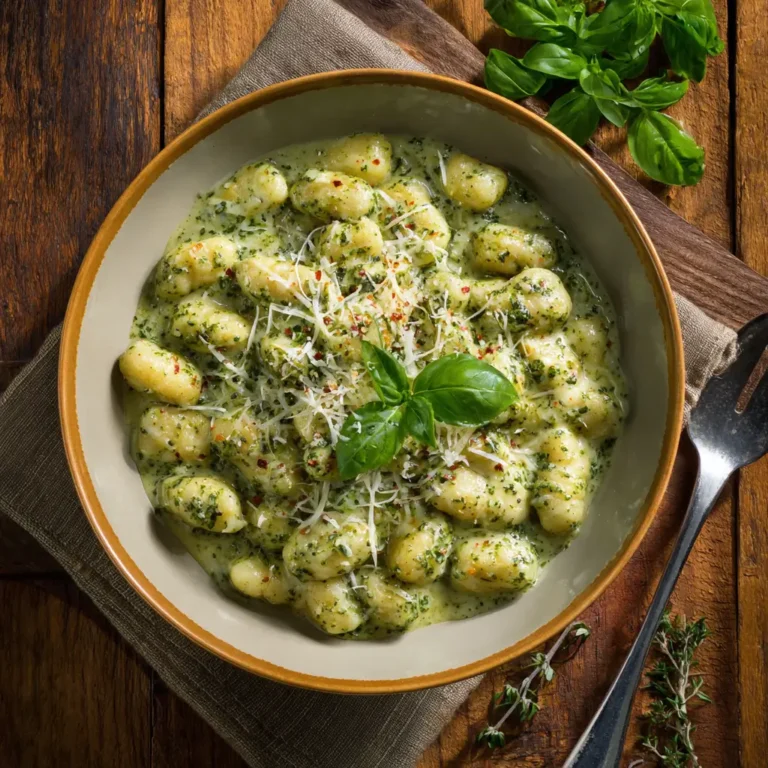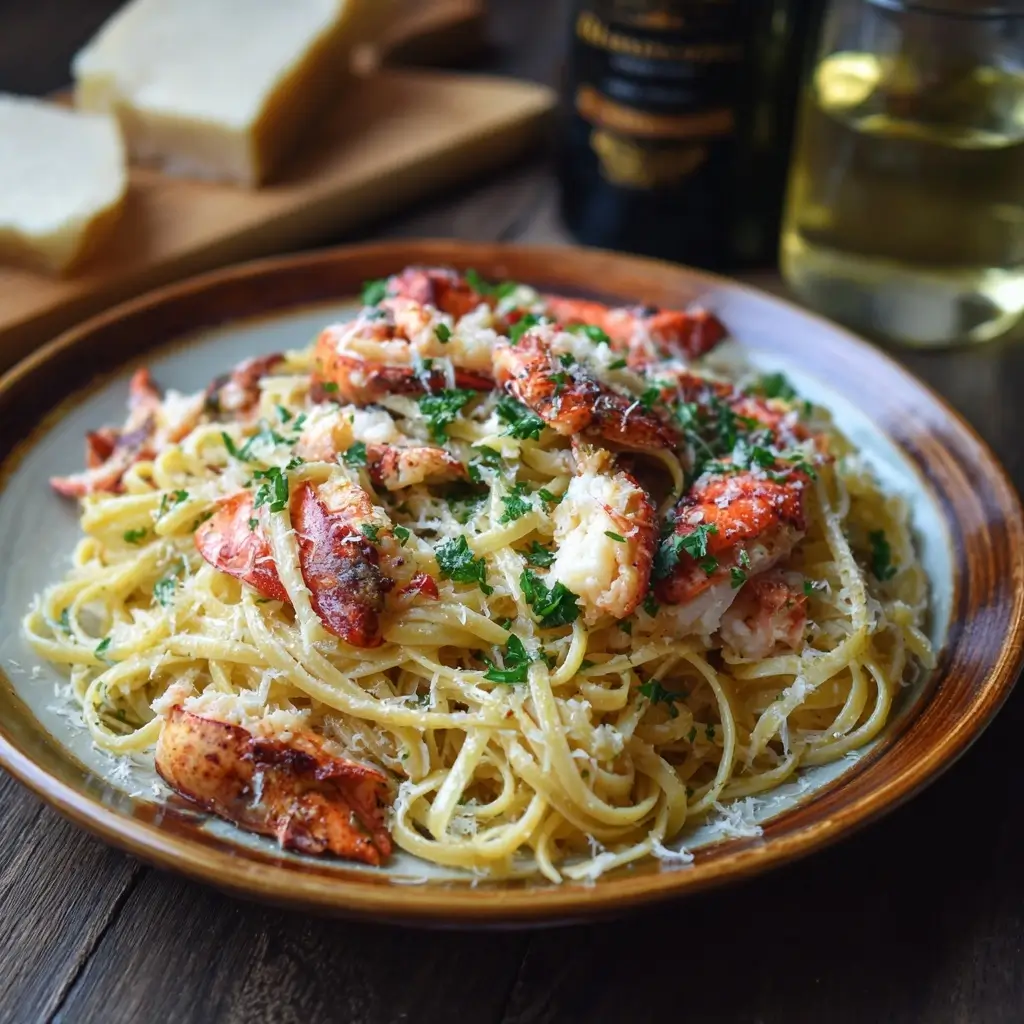
Garlic Butter Lobster Pasta
Garlic Butter Lobster Pasta: A Luxurious Seafood Delight
Indulge in the rich, buttery, and savory flavors of Garlic Butter Lobster Pasta—a dish that brings fine dining straight to your kitchen. With succulent lobster meat, al dente pasta, and a velvety garlic butter sauce infused with herbs, this recipe is perfect for special occasions, romantic dinners, or when you simply want to treat yourself to something extraordinary. Though it may sound like a restaurant-exclusive entrée, making Garlic Butter Lobster Pasta at home is surprisingly approachable and deeply rewarding. In this comprehensive guide, we’ll walk you through every aspect of this decadent dish—from its historical roots to step-by-step cooking instructions, variations, health considerations, and expert tips to ensure perfection.
The History of Garlic Butter Lobster Pasta
The origins of Garlic Butter Lobster Pasta are rooted in the culinary traditions of coastal regions where fresh seafood has long been a staple. While lobster itself has been enjoyed since ancient times—Romans prized live lobsters transported in freshwater tanks—the modern pairing of lobster with butter and garlic stems from French and Italian cuisines. The French technique of preparing beurre blanc (white butter sauce) and Italian affinity for simple, high-quality ingredients laid the foundation for this luxurious dish.
In the 18th and 19th centuries, lobster was considered “poor man’s food” along the coasts of New England and Atlantic Canada, often used as fertilizer or fish bait. However, with the advent of railroads and refrigeration, lobster gained popularity among urban elites and eventually became a symbol of luxury by the early 20th century. The classic combination of lobster with garlic butter emerged in mid-century American fine dining, particularly in seaside restaurants across Maine and Cape Cod.
Pasta, on the other hand, hails from Italy, where regional dishes have long celebrated seafood with noodles, especially in southern coastal areas like Sicily and Naples. The fusion of Italian pasta techniques with New England lobster created what we now know as Garlic Butter Lobster Pasta—a harmonious blend of Old World flavor and New World abundance. Today, this dish stands as an emblem of culinary indulgence and is frequently featured in upscale restaurants and gourmet cookbooks.
Ingredients Breakdown
To achieve the perfect balance of richness, texture, and flavor, each ingredient in Garlic Butter Lobster Pasta plays a crucial role. Here’s a detailed look at what goes into this exquisite dish:
- Fresh Lobster Meat: The star of the dish. You can use whole cooked lobsters, tails, or pre-cooked meat. Freshness is key—look for firm, slightly sweet flesh without any ammonia-like odor.
- Pasta: Linguine is traditional due to its ability to hold onto sauces, but fettuccine or tagliatelle work well too. For gluten-free options, consider rice-based or chickpea pasta.
- Unsalted Butter: Provides a smooth, creamy base for the sauce. Using unsalted butter allows you to control the salt level precisely.
- Garlic: Freshly minced garlic gives the dish its signature aroma and depth. Don’t skimp—this is garlic butter pasta, after all!
- Extra Virgin Olive Oil: Adds fruitiness and helps prevent the butter from burning during sautéing.
- Dry White Wine: Enhances flavor complexity and acidity. Choose a crisp variety like Sauvignon Blanc or Pinot Grigio.
- Lemon Juice: Brightens the dish and cuts through the richness of the butter.
- Fresh Herbs: Parsley adds color and freshness; optional additions include chives, basil, or tarragon for extra nuance.
- Red Pepper Flakes: A pinch adds subtle heat and balances the sweetness of the lobster.
- Salt and Black Pepper: Essential for seasoning layers throughout the cooking process.
- Parmesan Cheese (optional): While not traditional in seafood pasta, some chefs add a touch for umami and creaminess.
- Lobster Stock or Seafood Broth (optional): Deepens the sauce’s oceanic flavor profile if available.
Step-by-Step Recipe
Follow these detailed steps to create a restaurant-quality Garlic Butter Lobster Pasta in your own kitchen. With careful attention to timing and technique, you’ll achieve a silky sauce, perfectly cooked lobster, and beautifully coated noodles.
- Prepare the Lobster: If using raw lobster, bring a large pot of salted water to a boil. Add live lobsters and cook for about 8–10 minutes until bright red. Remove, cool slightly, then crack shells and extract the meat from claws, knuckles, and tail. Cut into bite-sized pieces. Alternatively, use pre-cooked lobster or frozen tails (thawed and poached).
- Cook the Pasta: Fill a large pot with generously salted water (about 2 tablespoons of salt per quart). Bring to a rolling boil and add 12 oz (340g) of linguine. Cook according to package instructions until al dente—usually 8–10 minutes. Reserve 1 cup of starchy pasta water before draining.
- Make the Garlic Butter Sauce: In a large skillet or sauté pan over medium heat, combine 4 tablespoons of olive oil and 6 tablespoons of unsalted butter. Once the butter melts and begins to foam slightly, add 5–6 cloves of minced garlic. Sauté for 1–2 minutes until fragrant but not browned (to avoid bitterness).
- Add Wine and Simmer: Pour in ½ cup of dry white wine. Increase heat to medium-high and let the mixture simmer for 3–4 minutes until reduced by half. This concentrates flavor and removes raw alcohol taste.
- Incorporate Lemon and Seasonings: Stir in 2 tablespoons of freshly squeezed lemon juice, ¼ teaspoon of red pepper flakes, and a generous grind of black pepper. Taste and adjust seasoning with salt if needed.
- Add Lobster to Warm Through: Gently place the lobster pieces into the sauce. Cook for 2–3 minutes, just enough to warm the lobster without overcooking. Overcooked lobster becomes rubbery.
- Combine with Pasta: Add the drained pasta directly into the skillet. Toss thoroughly to coat every strand with the garlic butter sauce. Use reserved pasta water, one ladle at a time, to loosen the sauce and help it emulsify with the starch.
- Finish with Herbs: Remove the pan from heat. Stir in ¼ cup of chopped fresh parsley (and optional herbs like chives or tarragon). For extra richness, swirl in 1–2 additional tablespoons of cold butter off the heat.
- Serve Immediately: Plate the pasta immediately while hot. Garnish with extra parsley, lemon wedges, and a sprinkle of Parmesan if desired.
Tips for Perfect Garlic Butter Lobster Pasta
- Don’t Overcook the Garlic: Burnt garlic turns bitter. Keep the heat at medium and stir constantly during the initial sauté.
- Use Fresh Ingredients: Fresh lobster, real butter, and freshly squeezed lemon juice make a noticeable difference in flavor compared to processed alternatives.
- Reserve Pasta Water: The starchy liquid helps bind the sauce to the pasta, creating a restaurant-style glossy finish.
- Cook Lobster Separately: Always reheat lobster gently in the sauce rather than boiling it with the pasta to maintain tenderness.
- Balancing Richness: The lemon juice is essential—it cuts the fat and refreshes the palate. Adjust to taste, especially if serving multiple portions.
- Timing Is Everything: Have all ingredients prepped and ready (mise en place) because the sauce comes together quickly once you start cooking.
- Choose Quality Wine: Only use a wine you’d drink. Avoid “cooking wine,” which contains added salt and preservatives.
- Work in Batches: If doubling the recipe, cook in batches to avoid overcrowding the pan, which can lead to steaming instead of sautéing.
Variations and Customizations
While classic Garlic Butter Lobster Pasta is divine on its own, there are many ways to customize it based on dietary preferences, seasonal ingredients, or creative flair:
- Creamy Version: Stir in ¼ to ½ cup of heavy cream or crème fraîche for a richer, silkier sauce reminiscent of lobster thermidor.
- Tomato Twist: Add halved cherry tomatoes or sun-dried tomatoes for a pop of sweetness and color.
- Seafood Medley: Combine lobster with shrimp, scallops, or mussels for a surf-and-turf style pasta.
- Herb Variations: Try tarragon for a French twist, dill for a Scandinavian note, or basil for an Italian flair.
- Spicy Kick: Increase red pepper flakes or add a dash of hot sauce like Sriracha for more heat.
- Gluten-Free Option: Use certified gluten-free pasta and ensure all other ingredients are GF-safe.
- Dairy-Free/Vegan Alternative: Substitute butter with vegan butter or olive oil, use plant-based “lobster” alternatives (such as hearts of palm or king oyster mushrooms), and skip cheese.
- With Roasted Garlic: Replace raw minced garlic with roasted garlic paste for a deeper, sweeter flavor.
- Lobster Infused Oil: For an elevated presentation, drizzle lobster-infused olive oil over the plated dish.
- Grilled Lobster: Instead of boiling, grill the lobster tails for a smoky flavor before adding to the pasta.
Health Considerations and Nutritional Value
Garlic Butter Lobster Pasta is undeniably rich and best enjoyed in moderation. However, it also offers several nutritional benefits when prepared thoughtfully:
- Lobster: Low in fat and calories, lobster is an excellent source of high-quality protein, providing about 28g of protein per 6 oz serving. It’s rich in selenium, vitamin B12, zinc, and phosphorus, supporting immune function and energy metabolism.
- Garlic: Known for its anti-inflammatory and cardiovascular benefits, garlic contains allicin, a compound linked to lowering blood pressure and cholesterol.
- Olive Oil: A heart-healthy fat loaded with antioxidants and monounsaturated fats, beneficial for reducing inflammation and improving cholesterol levels.
- Pasta: Provides carbohydrates for energy. Opt for whole grain or legume-based pasta to increase fiber and nutrient content.
- Butter: High in saturated fat and calories. To lighten the dish, reduce butter quantity and increase olive oil, or use a butter substitute.
A typical serving (1/4 of the recipe) contains approximately:
- Calories: 650–750 kcal
- Protein: 35–40g
- Fat: 30–35g (of which 15–18g saturated)
- Carbohydrates: 60–70g
- Fiber: 3–5g (depending on pasta type)
- Sodium: 800–1200mg (adjustable by reducing added salt)
Dietary Notes:
- Low-Carb/Keto: Replace pasta with zucchini noodles (zoodles) or shirataki noodles. Be mindful of wine and tomato additions.
- Heart-Healthy: Reduce butter, increase olive oil, limit cheese, and serve with a side salad.
- Allergies: Contains shellfish and dairy. Ensure safe preparation practices for allergen-sensitive individuals.
Ingredients
- 1 lb (450g) fresh or cooked lobster meat, cut into chunks
- 12 oz (340g) linguine or fettuccine
- 6 tbsp unsalted butter
- 4 tbsp extra virgin olive oil
- 5–6 cloves garlic, finely minced
- ½ cup dry white wine (e.g., Sauvignon Blanc, Pinot Grigio)
- 2 tbsp fresh lemon juice
- ¼ tsp red pepper flakes (adjust to taste)
- Salt and freshly ground black pepper, to taste
- ¼ cup fresh parsley, chopped
- 1 cup reserved pasta water
- Lemon wedges, for serving
- Optional: ¼ cup grated Parmesan cheese
Directions
- Bring a large pot of salted water to a boil. Cook the lobster (if raw) for 8–10 minutes until bright red. Cool, remove meat, and cut into bite-sized pieces. Set aside.
- In the same pot (or a new one), cook pasta in salted boiling water until al dente. Reserve 1 cup of pasta water, then drain and set aside.
- In a large skillet over medium heat, combine olive oil and butter. Once melted and foamy, add minced garlic. Sauté for 1–2 minutes until fragrant (do not brown).
- Pour in white wine and simmer for 3–4 minutes until reduced by half.
- Stir in lemon juice, red pepper flakes, salt, and black pepper. Gently add lobster pieces and warm through for 2–3 minutes.
- Add cooked pasta to the skillet and toss to coat. Gradually add reserved pasta water to achieve a silky, cohesive sauce.
- Remove from heat. Stir in fresh parsley and optional Parmesan. Finish with a swirl of cold butter for extra gloss, if desired.
- Serve immediately with lemon wedges on the side and additional herbs for garnish.
FAQ
Q: Can I use frozen lobster?
A: Yes, frozen lobster tails or pre-cooked meat work well. Thaw them in the refrigerator overnight and gently poach or steam before adding to the sauce.
Q: What pasta works best?
A: Long, flat pastas like linguine, fettuccine, or tagliatelle are ideal. They hold the sauce better than short shapes.
Q: Can I make this ahead of time?
A: The sauce and pasta are best made fresh. However, you can prep ingredients in advance—mince garlic, chop herbs, and cook lobster ahead of time.
Q: How do I store leftovers?
A: Store in an airtight container in the refrigerator for up to 2 days. Reheat gently on the stove with a splash of water or broth to revive the sauce.
Q: Why did my sauce break or become greasy?
A: This usually happens when the sauce gets too hot or lacks emulsification. Adding starchy pasta water gradually and removing from heat before finishing with butter helps prevent separation.
Q: Is it safe to eat raw garlic in this dish?
A: The garlic is sautéed, not raw. Cooking neutralizes harsh compounds and enhances flavor while preserving health benefits.
Q: Can I use canned lobster?
A: Not recommended. Canned lobster lacks texture and flavor compared to fresh or frozen. If necessary, rinse thoroughly and use sparingly.
Summary
Garlic Butter Lobster Pasta combines tender lobster, al dente linguine, and a luxuriously creamy garlic butter sauce kissed with lemon and herbs for an unforgettable gourmet experience. Easy enough for home cooks yet elegant enough for celebrations, this dish embodies the essence of coastal fine dining in every bite.