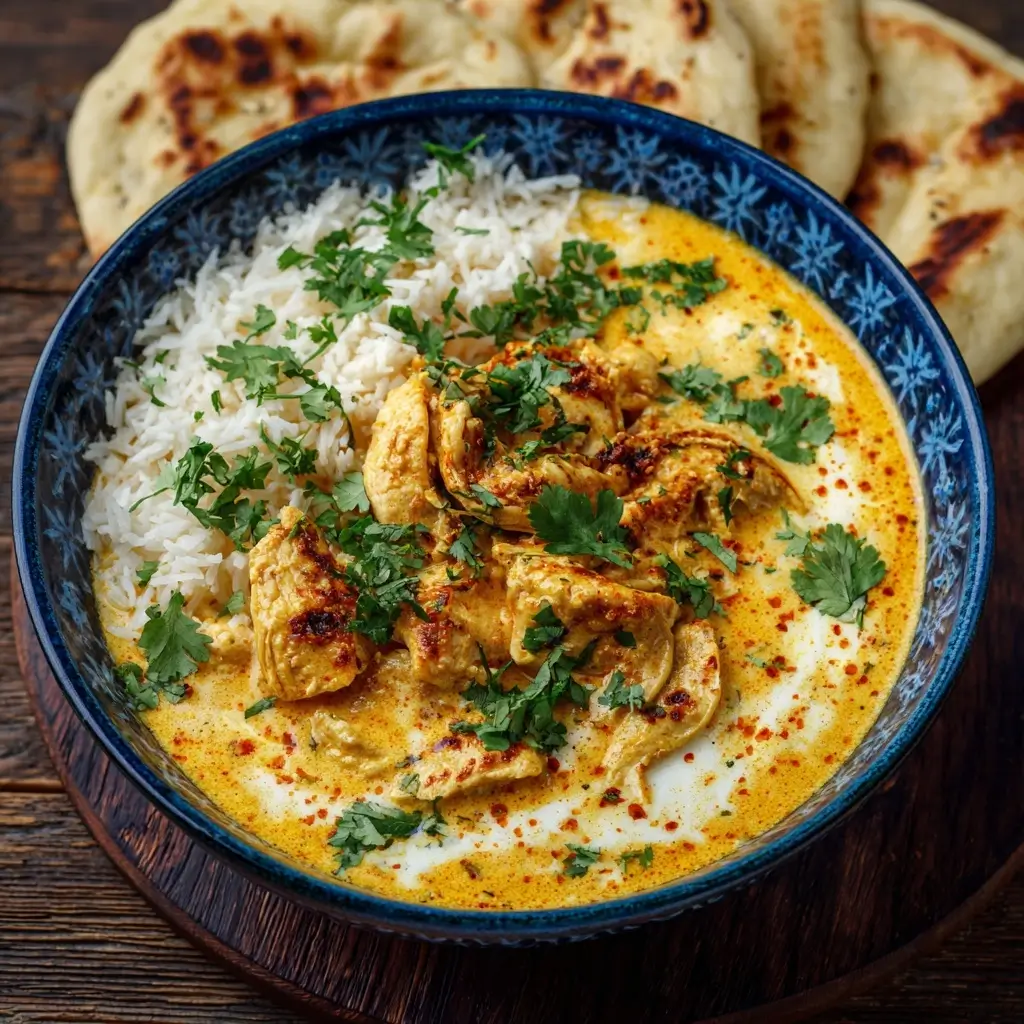
Creamy Chicken Korma
Creamy Chicken Korma: A Rich, Luxurious Indian Delicacy
Creamy Chicken Korma is one of the most beloved dishes in Indian cuisine, renowned for its velvety texture, aromatic spices, and delicate balance of richness and warmth. Originating from the Mughlai culinary tradition, this dish has evolved over centuries to become a global favorite served in homes and high-end restaurants alike. Whether you’re hosting a dinner party or simply craving comfort food with an exotic twist, Creamy Chicken Korma delivers an unforgettable sensory experience—tender chicken bathed in a luscious, creamy sauce infused with ground nuts, coconut, yogurt, and a medley of fragrant spices. This comprehensive guide walks you through every aspect of the dish—from its royal origins to step-by-step cooking instructions, health benefits, variations, and expert tips to ensure perfection every time.
The History of Chicken Korma
The word “korma” comes from the Urdu term qorma, meaning “to braise” or “to cook slowly on low heat.” The dish traces its roots back to the 16th century during the reign of the Mughal Empire in India—a dynasty known for its opulent lifestyle and sophisticated cuisine. Mughal emperors brought Persian culinary influences to the Indian subcontinent, blending them with local ingredients and techniques. Chicken Korma was originally prepared in royal kitchens using slow-cooking methods that allowed meats to absorb deep, complex flavors without losing moisture.
Historically, kormas were reserved for special occasions and feasts due to their rich ingredients like saffron, almonds, cream, and ghee. Over time, regional adaptations emerged across India, Pakistan, Bangladesh, and even the Caribbean, each adding local twists while preserving the essence of the original recipe. Today, Creamy Chicken Korma stands as a symbol of culinary elegance and cultural fusion, often served at weddings, religious festivals, and family gatherings. Its enduring popularity reflects both its historical significance and universal appeal.
Ingredients Breakdown: What Makes It Creamy and Flavorful?
The magic of Creamy Chicken Korma lies not just in its taste but in the thoughtful combination of key ingredients that create its signature richness and depth. Each component plays a vital role:
- Chicken (boneless thighs or breast): Thighs are preferred for their tenderness and ability to hold up well during slow cooking without drying out.
- Yogurt: Acts as a natural tenderizer and provides tanginess that balances the richness. Full-fat plain yogurt ensures a smooth, non-curdling sauce.
- Heavy cream or coconut milk: Adds luxurious creaminess. Coconut milk offers a dairy-free alternative with a subtly sweet tropical note.
- Ground nuts (almonds, cashews, or peanuts): Blended into a paste, these form the base of the sauce, contributing body, nuttiness, and natural oils that enhance mouthfeel.
- Onions (finely chopped or pureed): Slowly caramelized to develop sweetness and color, forming the flavor foundation.
- Ginger-garlic paste: Provides pungency and warmth, essential for authentic Indian flavor profiles.
- Whole spices (cinnamon, cardamom, cloves, bay leaves): Infuse subtle background notes when tempered in oil or ghee at the beginning.
- Ground spices (coriander, cumin, turmeric, garam masala): Deliver earthy, warm, and slightly floral tones that define the dish’s complexity.
- Ghee or vegetable oil: Ghee enhances aroma and richness; neutral oils work for lighter versions.
- Fresh herbs (cilantro, mint): Used for garnish and freshness contrast against the rich sauce.
- Saffron or food coloring (optional): Adds visual elegance and a hint of floral aroma when soaked in warm milk or water.
Together, these ingredients meld through slow cooking into a harmonious, silky sauce that coats each piece of chicken luxuriously.
Step-by-Step Recipe: How to Make Creamy Chicken Korma at Home
Follow this detailed method to recreate restaurant-quality Creamy Chicken Korma in your kitchen. Serves 4–6.
Ingredients
- 1.5 lbs (700g) boneless chicken thighs, cut into bite-sized pieces
- 1 cup plain full-fat yogurt
- 1/2 cup heavy cream or coconut milk (full fat)
- 1/3 cup raw unsalted almonds or cashews, soaked in hot water for 20 minutes
- 2 large onions, finely chopped or pureed
- 3 tbsp ghee or vegetable oil
- 2 tbsp ginger-garlic paste
- 1 medium tomato, pureed (optional, for slight acidity)
- 1/4 tsp ground turmeric
- 1 tsp ground coriander
- 1/2 tsp ground cumin
- 1/2 tsp red chili powder (adjust to taste)
- 1 tsp garam masala
- 4 green cardamom pods
- 1 small cinnamon stick (2 inches)
- 2–3 whole cloves
- 1 bay leaf
- Salt to taste
- 1/4 cup water or chicken broth
- Pinch of saffron strands (optional), soaked in 2 tbsp warm milk
- Fresh cilantro, chopped (for garnish)
Directions
- Prepare the nut paste: Drain the soaked almonds or cashews and blend with 1/4 cup water until smooth. Set aside.
- Marinate the chicken: In a bowl, mix chicken with yogurt, half of the ginger-garlic paste, 1/4 tsp turmeric, and salt. Let marinate for at least 30 minutes (or up to 2 hours in the fridge).
- Cook the onions: Heat ghee or oil in a heavy-bottomed pot or Dutch oven over medium heat. Add cardamom, cinnamon, cloves, and bay leaf. Sauté for 30 seconds until fragrant. Add onions and cook slowly, stirring occasionally, until golden brown (about 15–20 minutes). Lower heat if needed to avoid burning.
- Add aromatics: Stir in remaining ginger-garlic paste. Cook for 2 minutes. Add tomato puree (if using) and cook for another 5 minutes until oil separates.
- Incorporate spices: Mix in turmeric, coriander, cumin, and chili powder. Cook for 1 minute to toast the spices, releasing their aroma.
- Add nut paste: Stir in the blended almond/cashew paste. Cook for 5–7 minutes, stirring frequently, until the mixture thickens and begins to leave the sides of the pan.
- Add chicken: Drain excess marinade from chicken (reserve yogurt if desired) and add chicken pieces to the pot. Sear for 3–4 minutes, turning to coat in the masala.
- Simmer: Pour in water or broth, cover, and simmer on low heat for 20–25 minutes, or until chicken is fully cooked and tender.
- Add cream and finishing touches: Stir in heavy cream or coconut milk, garam masala, and saffron milk (if using). Simmer gently for another 8–10 minutes. Do not boil vigorously after adding cream to prevent curdling.
- Taste and adjust: Season with salt and additional spices if needed. The sauce should be creamy, mildly spiced, and slightly sweet from the onions and nuts.
- Garnish and serve: Sprinkle with fresh cilantro. Serve hot with basmati rice, naan, roti, or paratha.
Tips for the Perfect Creamy Chicken Korma
- Use boneless chicken thighs: They stay juicier and more flavorful than breasts during long cooking.
- Don’t rush the onions: Slow caramelization is crucial for sweetness and depth. Rushing leads to bitterness.
- Soak nuts properly: Soaking softens them for smoother blending and better integration into the sauce.
- Avoid boiling after adding dairy: High heat can cause cream or yogurt to split. Keep the flame low during final stages.
- Toast spices briefly: This enhances flavor but overcooking makes them bitter.
- Bloom garam masala at the end: Adding it late preserves its volatile oils and aromatic complexity.
- Let it rest: Like many curries, Korma tastes better after resting for 10–15 minutes off heat, allowing flavors to meld.
- Adjust consistency: If too thick, add warm broth or water. If too thin, simmer uncovered for a few extra minutes.
- Double the batch: It freezes beautifully and often improves in flavor the next day.
Variations and Customizations
Creamy Chicken Korma is highly adaptable. Try these creative twists:
- Dairy-Free Korma: Replace yogurt with coconut yogurt and cream with full-fat coconut milk. Use oil instead of ghee.
- Vegan Version: Substitute chicken with tofu, chickpeas, mushrooms, or paneer (for lacto-vegetarian). Use plant-based yogurt and cream.
- Nut-Free Option: Replace almonds/cashews with sunflower seed butter or cooked white lentils (dal) blended into a paste.
- Spicier Korma: Increase red chili powder or add fresh green chilies and a pinch of cayenne.
- Fruit-Infused Korma: Add 2 tbsp mango puree, apricot jam, or raisins for a sweet-savory profile reminiscent of royal recipes.
- Saffron & Rose Water Korma: For a truly regal touch, infuse saffron and a few drops of food-grade rose water into the cream.
- Smoky Flavor (Dum Style): Finish the dish with dum cooking—seal the pot with dough or foil and let it steam on very low heat for 15 minutes.
- Instant Pot Version: Use sauté function for onions and spices, then pressure cook chicken with sauce for 8 minutes, followed by quick release and cream addition.
Health Considerations and Nutritional Value
While Creamy Chicken Korma is indulgent, it can be adapted for healthier eating without sacrificing flavor.
Nutritional Highlights (Per Serving, Approx. 1.5 cups):
- Calories: ~400–500 kcal (varies with cream and oil content)
- Protein: 30–35g (high-quality from chicken and nuts)
- Fat: 25–35g (mostly unsaturated from nuts and ghee; can reduce by using low-fat yogurt and less oil)
- Carbohydrates: 10–15g (primarily from onions and minimal sugar)
- Fiber: 2–3g (from onions, nuts, and optional tomatoes)
- Vitamins & Minerals: Rich in B-vitamins (niacin, B6), vitamin E (nuts), calcium (dairy), iron, and magnesium.
Health Tips:
- Reduce saturated fat: Use low-fat yogurt, skip cream, or substitute with evaporated skim milk.
- Control sodium: Use low-sodium broth and limit added salt, especially if serving with seasoned rice or bread.
- Boost fiber: Serve with whole grain basmati rice or chapati.
- Allergen awareness: Contains tree nuts (almonds/cashews); substitute carefully for nut allergies.
- Balanced meal pairing: Accompany with steamed vegetables, cucumber raita, or a fresh salad to increase nutrient diversity.
Frequently Asked Questions (FAQ)
Q: Can I make Creamy Chicken Korma ahead of time?
A: Yes! It reheats beautifully and often tastes even better the next day as flavors deepen. Store in an airtight container in the fridge for up to 3 days or freeze for up to 3 months.
Q: Why did my sauce curdle?
A: Curdling usually occurs due to high heat after adding dairy. Always add yogurt and cream gradually on low heat and avoid boiling.
Q: Can I use chicken breast instead of thighs?
A: Yes, but breasts cook faster and can dry out. Reduce simmering time to 12–15 minutes and monitor closely.
Q: Is Korma spicy?
A: Traditional Korma is mild and creamy, not hot. Adjust chili powder to preference or omit for a kid-friendly version.
Q: What can I serve with Chicken Korma?
A: Classic pairings include steamed basmati rice, garlic naan, roti, jeera rice, or pulao. Raita and pickles complement the richness.
Q: Can I use pre-ground almond butter?
A: Yes, but ensure it’s unsweetened and additive-free. Natural almond butter works best.
Q: How do I make it gluten-free?
A: All standard ingredients are naturally gluten-free. Just confirm that spices and broths used are certified GF.
Summary
Creamy Chicken Korma is a sumptuous, aromatic dish rooted in Mughal tradition, featuring tender chicken in a luxuriously smooth sauce made from nuts, yogurt, cream, and warming spices. With its rich history, customizable variations, and comforting flavor, it’s a timeless favorite for any occasion.