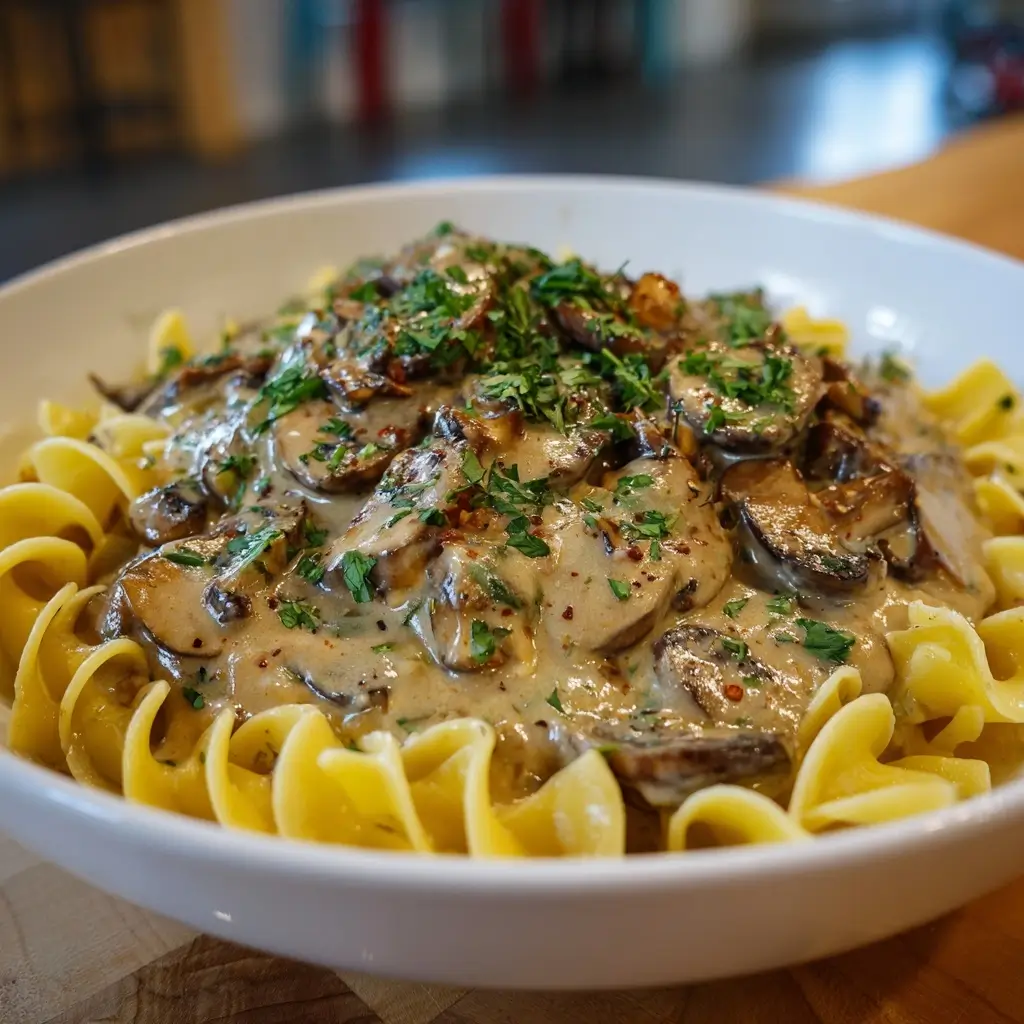
Mushroom Stroganoff
Mushroom Stroganoff: A Comforting Twist on a Classic Favorite
Mushroom Stroganoff is a rich, creamy, and deeply savory dish that brings the luxurious comfort of traditional beef stroganoff into vegetarian and vegan-friendly territory. This hearty recipe swaps out meat for earthy mushrooms, making it not only a fantastic option for plant-based eaters but also a flavorful delight for anyone who appreciates umami-packed meals. With its velvety sauce, tender mushrooms, and satisfying texture, Mushroom Stroganoff has earned its place at dinner tables across the globe. Whether you’re serving it over egg noodles, rice, or mashed potatoes, this dish offers warmth, elegance, and simplicity in every bite.
The History of Stroganoff and Its Evolution
The origins of Stroganoff trace back to 19th-century Russia, where it was reportedly created by a French chef working for the prominent Stroganov family. The original version, known as Beef Stroganoff, featured sautéed strips of beef in a sour cream-based sauce, often served with mustard and onions. It gained international popularity throughout the 20th century, especially in the United States during the mid-1900s, becoming a staple of home cooking and diner menus alike.
As global palates evolved and dietary preferences diversified, variations of the classic dish began to emerge. Vegetarian and vegan adaptations became increasingly popular, particularly as awareness around sustainability and health grew. Mushroom Stroganoff emerged as one of the most beloved alternatives, leveraging the natural meatiness and umami depth of mushrooms like cremini, shiitake, and portobello. These fungi not only mimic the texture of beef but also absorb flavors beautifully, making them an ideal substitute in creamy, tangy sauces.
Today, Mushroom Stroganoff is celebrated not just as a meatless alternative but as a dish in its own right—elevated by gourmet chefs, embraced by home cooks, and adored by vegetarians, vegans, and omnivores alike. Its adaptability allows for endless innovation while maintaining the soul-warming essence of the original.
Ingredients Breakdown: What Makes This Dish Shine
The magic of Mushroom Stroganoff lies in its balance of textures and flavors—earthy, creamy, tangy, and subtly sweet—all coming together through thoughtfully chosen ingredients. Here’s a detailed breakdown of each component:
- Mushrooms: The star of the show. Cremini (baby bella) mushrooms are ideal for their firm texture and deep flavor, though a blend with shiitake or oyster mushrooms adds complexity. Portobellos can be used for a more robust, meaty bite. Avoid button mushrooms if possible, as they tend to be less flavorful and watery.
- Onions and Garlic: Yellow onions provide sweetness when caramelized, while garlic adds aromatic depth. Sautéing them slowly builds a flavorful foundation.
- Olive Oil or Vegan Butter: Used for sautéing. Olive oil gives a fruity note, while vegan butter (or regular butter, if not vegan) adds richness. Some recipes use a combination of both.
- White Wine (optional): Deglazes the pan and introduces acidity and complexity. Dry white wines like Sauvignon Blanc or Pinot Grigio work best. If avoiding alcohol, vegetable broth with a splash of lemon juice is a good substitute.
- Beef or Vegetable Broth: While traditional Stroganoff uses beef broth, mushroom versions thrive on rich vegetable broth. Look for low-sodium varieties to control salt levels.
- Tomato Paste: Adds subtle sweetness, color, and umami. It also helps thicken the sauce slightly and enhances browning during sautéing.
- Dijon Mustard: Brings a sharp, tangy note that cuts through the richness of the sauce. Whole grain mustard can be used for added texture.
- Soy Sauce or Tamari: Deepens the umami profile. Tamari is preferred for gluten-free diets. Coconut aminos are a soy-free alternative.
- Smoked Paprika: Adds a hint of smokiness that mimics the charred notes found in meat-based versions.
- Sour Cream or Vegan Sour Cream: Essential for the creamy, tangy finish. Full-fat dairy sour cream gives the richest texture, while brands like Forager Project or Tofutti offer excellent plant-based options. Cashew cream or blended silken tofu can be homemade substitutes.
- Fresh Herbs: Parsley or dill are commonly used for garnish, adding brightness and freshness.
- Flour or Cornstarch (optional thickener): Used sparingly to thicken the sauce if needed. Flour is often used to make a roux with butter, while cornstarch slurry works well for gluten-free versions.
- Noodles or Grain Base: Traditionally served over wide egg noodles, but also delicious with brown rice, quinoa, mashed potatoes, or even zucchini noodles for a low-carb option.
Step-by-Step Recipe: Crafting the Perfect Mushroom Stroganoff
Follow these detailed steps to create a restaurant-quality Mushroom Stroganoff at home. This recipe serves 4–6 and takes about 40 minutes from start to finish.
Ingredients
- 1.5 pounds (680g) cremini mushrooms, cleaned and sliced (about ½-inch thick)
- 2 tablespoons olive oil (plus more if needed)
- 1 large yellow onion, thinly sliced
- 4 cloves garlic, minced
- ¼ cup dry white wine (optional)
- 2 cups vegetable broth (low sodium preferred)
- 2 tablespoons tomato paste
- 1 tablespoon Dijon mustard
- 1 tablespoon soy sauce or tamari
- 1 teaspoon smoked paprika
- Salt and freshly ground black pepper to taste
- ¼ cup all-purpose flour (optional, for thickening)
- 1 cup sour cream (dairy or vegan)
- 2 tablespoons fresh parsley or dill, chopped
- 12 oz (340g) wide egg noodles (or pasta of choice)
Directions
- Cook the Noodles: Bring a large pot of salted water to a boil. Cook the egg noodles according to package instructions until al dente. Drain, toss with a little oil to prevent sticking, and set aside.
- Prep the Mushrooms: Wipe the mushrooms clean with a damp cloth or paper towel—avoid soaking them, as they absorb water. Slice uniformly to ensure even cooking.
- Sauté the Onions: In a large skillet or Dutch oven, heat 1 tablespoon of olive oil over medium heat. Add the sliced onions and a pinch of salt. Cook slowly, stirring occasionally, until golden and caramelized (about 12–15 minutes). Remove half and reserve for garnish if desired.
- Brown the Mushrooms: Increase heat to medium-high. Add another tablespoon of oil to the pan. Working in batches if necessary to avoid overcrowding, add the mushrooms in a single layer. Let them sear undisturbed for 2–3 minutes to develop a golden crust. Stir and continue cooking until they release their liquid and it evaporates, about 8–10 minutes total. Transfer to a plate.
- Build the Sauce Base: Reduce heat to medium. Add a bit more oil if needed, then stir in the garlic and cook for 30 seconds until fragrant. Stir in the tomato paste and smoked paprika, cooking for 1 minute to deepen the flavor.
- Deglaze: Pour in the white wine (or broth substitute), scraping up any browned bits from the bottom of the pan. Simmer for 2–3 minutes until reduced by half.
- Add Liquids and Seasonings: Stir in the vegetable broth, soy sauce, and Dijon mustard. Return the onions and mushrooms to the pan. Bring to a gentle simmer.
- Thicken the Sauce (Optional): If you prefer a thicker sauce, sprinkle in flour and whisk vigorously, or mix 1 tablespoon cornstarch with 2 tablespoons cold water and stir in. Simmer for 3–5 minutes until slightly thickened.
- Incorporate Sour Cream: Reduce heat to low. Stir in the sour cream gradually, ensuring it blends smoothly into the sauce. Do not boil after adding sour cream to prevent curdling. Warm through for 2–3 minutes.
- Season and Finish: Taste and adjust seasoning with salt, pepper, and additional mustard or soy sauce if desired. Stir in half the fresh herbs.
- Serve: Spoon the hot stroganoff over cooked noodles. Garnish with reserved caramelized onions, remaining herbs, and a dollop of extra sour cream if desired.
Tips for Success
- Avoid Overcrowding the Pan: When browning mushrooms, cook in batches if necessary. Crowding causes steaming instead of searing, resulting in soggy mushrooms.
- Don’t Skip the Caramelization: Slowly cooking the onions develops sweetness and depth. Rushing this step diminishes the overall flavor.
- Use Full-Fat Sour Cream: Low-fat versions may separate when heated. For vegan versions, choose a high-fat cashew-based sour cream.
- Never Boil After Adding Sour Cream: High heat can cause sour cream to curdle. Keep the sauce warm on low heat only.
- Enhance Umami: Add a splash of Worcestershire sauce (vegan if needed) or a small piece of dried kombu while simmering the broth for extra savoriness.
- Rest Before Serving: Let the stroganoff sit for 5–10 minutes after cooking. This allows flavors to meld and the sauce to thicken slightly.
- Reheat Gently: Reheat leftovers on the stove over low heat, adding a splash of broth or water to loosen the sauce.
Variations and Customizations
Mushroom Stroganoff is incredibly versatile. Try these creative twists to suit your taste or dietary needs:
- Vegan Mushroom Stroganoff: Use vegan butter, vegetable broth, and plant-based sour cream. Ensure noodles are egg-free.
- Gluten-Free Version: Substitute flour with cornstarch or arrowroot, and use gluten-free tamari instead of soy sauce. Serve over gluten-free noodles or rice.
- Protein Boost: Add cooked lentils, chickpeas, or crumbled tempeh for extra protein.
- Wild Mushroom Medley: Use a mix of wild mushrooms like chanterelles, morels, or hen-of-the-woods for a gourmet touch.
- Herb Variations: Replace parsley with tarragon for a more traditional French flair, or add thyme during cooking for earthy notes.
- Spicy Kick: Add a pinch of red pepper flakes or a dash of hot sauce for heat.
- Dairy-Free Creaminess: Blend soaked cashews with water to make a rich, creamy sauce base instead of sour cream.
- Low-Carb/Keto Option: Serve over cauliflower mash or zucchini noodles. Use full-fat coconut milk or heavy cream instead of sour cream.
- Instant Pot Version: Sauté onions and mushrooms using the sauté function, deglaze, add liquids, and pressure cook for 5 minutes. Quick release, then stir in sour cream.
- Campfire Style: Make a simplified version in a cast-iron skillet over a camp stove or fire, using shelf-stable broth and dried herbs.
Health Considerations and Nutritional Value
Mushroom Stroganoff is not only delicious but also packed with nutritional benefits, especially when prepared with wholesome ingredients and balanced portions.
- Mushrooms: Low in calories and fat, mushrooms are rich in B vitamins (especially riboflavin, niacin, and pantothenic acid), selenium, copper, and antioxidants like ergothioneine. They support immune function and may have anti-inflammatory properties.
- Vegetable Broth and Onions: Provide hydration, fiber, and phytonutrients. Onions contain quercetin, a flavonoid with antioxidant and anti-inflammatory effects.
- Soy Sauce/Tamari: Adds sodium, so moderation is key for those monitoring blood pressure. Choose reduced-sodium versions when possible.
- Sour Cream: Contributes calcium and probiotics (if live-cultured), but is high in saturated fat. Opt for Greek yogurt (for non-vegan) or low-fat plant-based versions to reduce fat content.
- Olive Oil: A source of heart-healthy monounsaturated fats and vitamin E.
- Noodles: Traditional egg noodles provide carbohydrates and some protein. Whole grain or legume-based noodles increase fiber and protein content.
Nutritional Estimate (per serving, based on 6 servings):
- Calories: ~380–450 (varies by ingredients)
- Protein: 10–14g
- Fat: 18–22g (mostly unsaturated)
- Carbohydrates: 40–48g
- Fiber: 4–6g
- Sodium: 600–800mg (adjustable)
This dish can be part of a balanced diet when paired with a green salad or steamed vegetables. For weight management, reduce noodle portion size and increase mushrooms. Vegans should ensure adequate B12 and iron intake from other sources, as this dish does not provide significant amounts.
Frequently Asked Questions (FAQ)
Can I make Mushroom Stroganoff ahead of time?
Yes, you can prepare the sauce up to 2 days in advance and store it in the refrigerator. Reheat gently and stir in sour cream just before serving. Cook noodles fresh to maintain texture.
How do I store leftovers?
Store in an airtight container in the fridge for up to 4 days. Reheat on the stove with a splash of broth to restore creaminess.
Can I freeze Mushroom Stroganoff?
It’s best not to freeze once sour cream is added, as it may separate upon thawing. Freeze the base sauce without sour cream, then add fresh sour cream when reheating.
Why did my sauce curdle?
Adding sour cream to boiling liquid or overheating after mixing can cause curdling. Always temper sour cream by stirring in a little hot sauce first, then blend into the main pot over low heat.
What mushrooms work best?
Cremini are ideal for balance of flavor and texture. Shiitake add chewiness and umami; portobello bring meatiness. Avoid white button mushrooms for superior taste.
Can I use Greek yogurt instead of sour cream?
Yes, but opt for full-fat to prevent splitting. Temper it the same way as sour cream and avoid boiling.
Is Mushroom Stroganoff healthy?
It can be! Using whole grains, limiting added fats, and loading up on mushrooms makes it a nutritious, fiber-rich meal. Watch sodium and saturated fat levels for optimal health.
Can I make it gluten-free?
Absolutely. Use gluten-free noodles, tamari instead of soy sauce, and thicken with cornstarch or arrowroot.
What to serve with Mushroom Stroganoff?
Pair with a crisp green salad, roasted broccoli, garlic green beans, or a simple cucumber-dill salad to balance the richness.
Can I use canned mushrooms?
Not recommended. Canned mushrooms are often watery and lack the firm texture needed for proper browning and flavor development.
Summary
Mushroom Stroganoff is a luxurious, comforting dish that celebrates the deep, earthy flavors of mushrooms in a creamy, tangy sauce. It’s a versatile, satisfying meal that caters to vegetarians, vegans, and omnivores alike.
Easy to customize, rich in umami, and perfect for weeknights or entertaining, this modern twist on a Russian classic proves that plant-based comfort food can be both elegant and deeply nourishing.