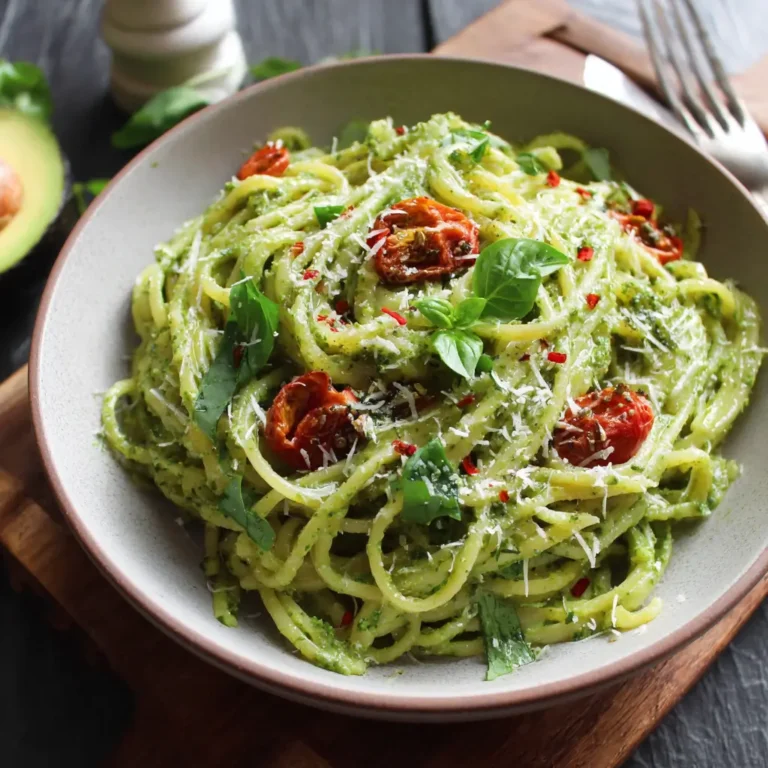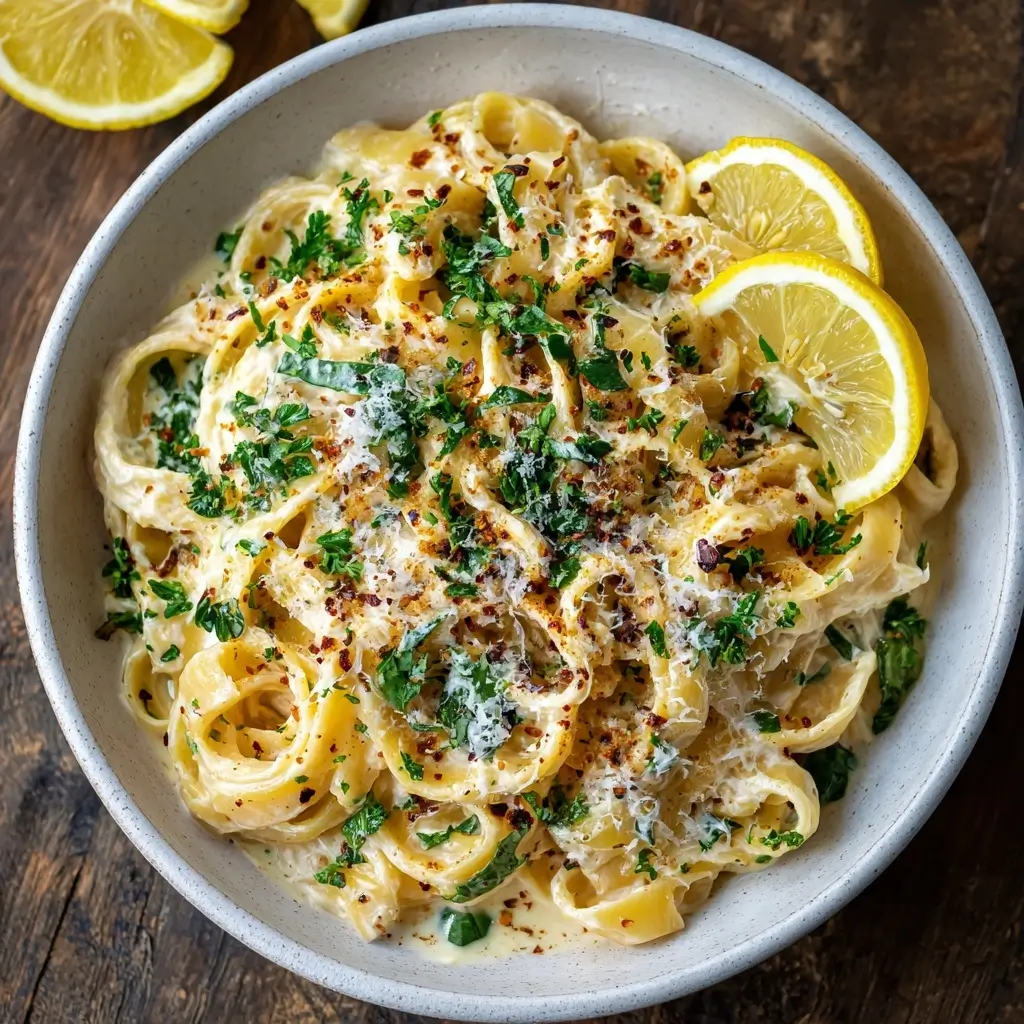
Creamy Lemon Ricotta Pasta
Creamy Lemon Ricotta Pasta: A Zesty, Luxurious Comfort Dish
If you’re searching for a pasta dish that combines the richness of creamy cheese with the bright, refreshing tang of citrus, look no further than Creamy Lemon Ricotta Pasta. This modern Italian-inspired recipe has taken home kitchens and restaurant menus by storm thanks to its simplicity, elegance, and bold flavor profile. Light enough for spring or summer dining yet comforting enough to enjoy year-round, this dish strikes the perfect balance between indulgence and freshness. Whether you’re cooking for yourself after a long day or impressing guests at a dinner party, this recipe delivers restaurant-quality results with minimal effort.
The History Behind the Dish
While pasta dishes featuring ricotta cheese have deep roots in Southern Italian cuisine—particularly regions like Sicily, Campania, and Calabria—the concept of a lemon-ricotta pasta is a more recent culinary innovation. Traditional Italian recipes often use ricotta in baked pastas, desserts like cannoli, or simple tosses with short pasta shapes such as ravioli or gnocchi. The addition of lemon, however, likely emerged from the desire to cut through the richness of dairy with something bright and seasonal.
Lemons have long been cultivated in Italy, especially on the Amalfi Coast and in Sorrento, where they are prized for their fragrant zest and juicy acidity. Over time, chefs and home cooks began experimenting by incorporating lemon zest and juice into savory ricotta-based sauces, creating a lighter alternative to heavy cream-based preparations. The modern version of Creamy Lemon Ricotta Pasta gained popularity in the 2010s, particularly through food blogs and social media platforms, where its photogenic golden hue and silky texture captivated food lovers worldwide.
Ingredients Breakdown: What Makes It Shine
The magic of Creamy Lemon Ricotta Pasta lies in its carefully chosen ingredients, each contributing to the dish’s luxurious texture and vibrant taste. Here’s a detailed look at what goes into it:
- Ricotta Cheese: The star ingredient. Opt for whole-milk ricotta for maximum creaminess and richness. Ricotta adds a mild sweetness and velvety texture without being overly heavy.
- Fresh Lemon: Both the zest and juice are essential. The zest contains aromatic oils that infuse the sauce with intense citrus perfume, while the juice provides balanced acidity.
- Pasta: Short shapes like fettuccine, linguine, or casarecce work best because they hold the creamy sauce well. Whole wheat or gluten-free varieties can be substituted based on dietary needs.
- Garlic: Adds depth and subtle sharpness. Minced or thinly sliced, it gently infuses the sauce without overpowering.
- Extra Virgin Olive Oil: A high-quality oil enhances the silkiness of the sauce and adds fruity, peppery notes.
- Grated Parmesan or Pecorino Romano: These hard cheeses add umami and help thicken the sauce slightly while boosting savoriness.
- Red Pepper Flakes (optional): For a hint of heat that contrasts beautifully with the lemon and ricotta.
- Fresh Herbs: Basil, parsley, or chives not only add color but also bring herbal freshness that complements the citrus.
- Salt and Black Pepper: Essential seasonings that elevate all other flavors.
- Pasta Water: Often overlooked, starchy pasta water is key to emulsifying the sauce and helping it cling perfectly to the noodles.
Step-by-Step Recipe
Follow these detailed steps to create a luscious, restaurant-worthy Creamy Lemon Ricotta Pasta right in your own kitchen.
- Boil the Pasta: Bring a large pot of salted water to a rolling boil. Add 12 oz (340 g) of your preferred pasta—linguine, fettuccine, or casarecce are excellent choices. Cook according to package instructions until al dente. Reserve 1 cup of pasta water before draining.
- Prepare the Sauce Base: While the pasta cooks, grate the zest of 1–2 organic lemons (avoid the white pith). Squeeze ¼ cup (60 ml) of fresh lemon juice. In a large mixing bowl, combine 1½ cups (360 g) of whole-milk ricotta, ⅓ cup (30 g) grated Parmesan or Pecorino, 2 tablespoons extra virgin olive oil, and the lemon zest. Whisk until smooth and creamy.
- Sauté the Aromatics: In a large skillet over medium-low heat, warm 2 tablespoons of olive oil. Add 2 minced garlic cloves and a pinch of red pepper flakes (if using). Sauté gently for 1–2 minutes until fragrant but not browned. Remove from heat to prevent burning.
- Combine Everything: Drain the cooked pasta and immediately add it to the skillet with the garlic. Pour in the ricotta mixture and stir vigorously. Begin adding reserved pasta water, one ladle at a time (start with ¼ cup), stirring constantly until the sauce becomes silky and coats each strand. The starch in the water helps bind the sauce.
- Add Lemon Juice: Stir in the fresh lemon juice gradually. Taste and adjust seasoning with salt and freshly ground black pepper. Be cautious with salt if using Pecorino, which is naturally salty.
- Finish with Freshness: Remove from heat and fold in a handful of chopped fresh basil or parsley. For extra richness, drizzle with a little more olive oil.
- Serve Immediately: Plate the pasta while hot. Garnish with additional lemon zest, a sprinkle of cheese, cracked black pepper, and fresh herbs. Serve with a side of crusty bread or a crisp green salad.
Tips for Perfection
- Use Full-Fat Ricotta: Low-fat ricotta will result in a watery, less flavorful sauce. Whole-milk ricotta ensures a rich, creamy consistency.
- Don’t Skip the Pasta Water: This starchy liquid is crucial for creating an emulsified, cohesive sauce. Add it slowly until desired creaminess is achieved.
- Avoid High Heat: Ricotta can separate if overheated. Always mix the sauce off direct heat or on very low flame to maintain its smooth texture.
- Fresh is Best: Use freshly squeezed lemon juice and hand-grated zest. Bottled lemon juice lacks brightness and may contain preservatives.
- Season Thoughtfully: Balance is key. Taste frequently and adjust lemon, salt, and pepper to suit your palate.
- Cook Garlic Gently: Burnt garlic turns bitter. Keep the heat low and remove the pan from the burner when adding the ricotta mixture.
- Let Pasta Rest Briefly: If the sauce thickens too much upon standing, loosen it with a splash of warm water or broth before serving.
Variations and Customizations
Creamy Lemon Ricotta Pasta is incredibly versatile. Here are some delicious ways to personalize the dish:
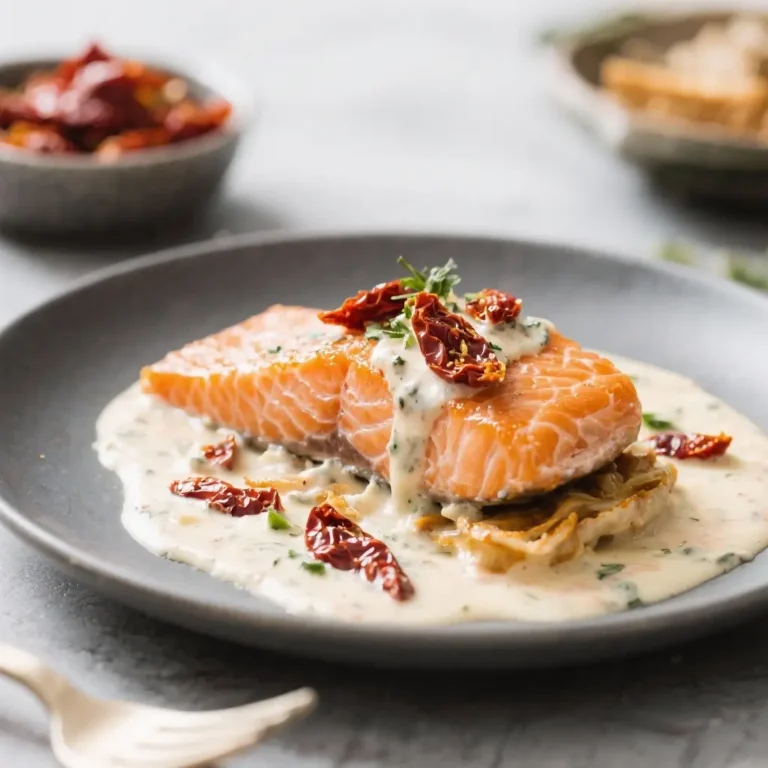
- Protein Boost: Add grilled chicken, shrimp, scallops, or flaked salmon for a heartier meal. Pan-seared lemon chicken pairs exceptionally well.
- Vegetable Add-Ins: Incorporate sautéed spinach, roasted cherry tomatoes, asparagus, peas, zucchini ribbons, or artichoke hearts for added texture and nutrition.
- Seafood Twist: Fold in lump crabmeat or smoked trout for an elegant, coastal-inspired version.
- Creamier Texture: Blend in a spoonful of mascarpone or heavy cream for an even silkier mouthfeel.
- Dairy-Free Option: Substitute ricotta with blended silken tofu or cashew ricotta, and use nutritional yeast instead of Parmesan.
- Herb Variations: Try tarragon for a slightly anise-like note, dill for a fresh twist, or mint for a surprising cool contrast.
- Gluten-Free Version: Use high-quality gluten-free pasta and ensure all other ingredients are certified GF.
- Spice It Up: Increase red pepper flakes or add a dash of harissa or chili oil for more heat.
- Truffle Elevation: Drizzle with truffle oil or shave fresh black truffle on top for a decadent upgrade.
- Breakfast Pasta: Top with a poached or soft-boiled egg for a brunch-friendly rendition.
Health Considerations and Nutritional Value
Creamy Lemon Ricotta Pasta can be part of a balanced diet when enjoyed in moderation and customized with wholesome ingredients. Let’s break down its nutritional profile (based on a standard serving without added proteins or vegetables):
- Calories: Approximately 450–550 kcal per serving, depending on cheese and oil amounts.
- Protein: Around 15–18g, primarily from ricotta and Parmesan—good for satiety and muscle repair.
- Fat: 20–25g, mostly from healthy monounsaturated fats in olive oil and saturated fats from dairy. Opt for moderate portions if monitoring fat intake.
- Carbohydrates: 50–60g, mainly from pasta. Choose whole grain or legume-based pasta for higher fiber and a lower glycemic index.
- Vitamins & Minerals: Ricotta provides calcium and B vitamins; lemon contributes vitamin C and antioxidants; olive oil offers anti-inflammatory benefits.
Dietary Notes:
- Vegetarian: Yes, by default. Ensure cheese is vegetarian-friendly (some Pecorino uses animal rennet).
- Vegan: Possible with plant-based substitutes (see variations above).
- Gluten-Free: Achievable with GF pasta and careful ingredient selection.
- Lactose Sensitivity: Ricotta is relatively low in lactose, but those with severe intolerance should consider alternatives.
To enhance the dish’s nutritional value, increase vegetable content, reduce added cheese slightly, and use whole-grain pasta. Pairing with a side salad boosts fiber and micronutrient intake.
Full Ingredient List
- 12 oz (340 g) dried pasta (linguine, fettuccine, or casarecce)
- 1½ cups (360 g) whole-milk ricotta cheese
- ⅓ cup (30 g) finely grated Parmesan or Pecorino Romano
- Zest of 1–2 lemons (preferably organic)
- ¼ cup (60 ml) freshly squeezed lemon juice (about 2 medium lemons)
- 4 tablespoons extra virgin olive oil, divided
- 2 cloves garlic, minced
- ¼–½ teaspoon red pepper flakes (optional)
- 1 cup reserved pasta cooking water
- Salt and freshly ground black pepper, to taste
- ½ cup chopped fresh basil or flat-leaf parsley
- Additional lemon zest and herbs for garnish
Detailed Cooking Directions
- Bring Water to Boil: Fill a large pot with water, add 1–2 tablespoons of salt, and bring to a vigorous boil.
- Cook Pasta: Add pasta and cook until just al dente (usually 9–11 minutes). Before draining, scoop out 1 cup of starchy pasta water and set aside.
- Make Ricotta Mixture: In a large bowl, whisk together ricotta, Parmesan, lemon zest, 2 tablespoons olive oil, and a pinch of salt and pepper until smooth and creamy.
- Sauté Aromatics: In a large nonstick or stainless steel skillet, heat 2 tablespoons olive oil over medium-low heat. Add garlic and red pepper flakes. Cook for 1–2 minutes until fragrant—do not let garlic brown.
- Combine Pasta and Sauce: Add drained pasta directly to the skillet. Remove from heat. Immediately pour in the ricotta mixture and begin stirring. Gradually add ½ cup of reserved pasta water, stirring continuously until the sauce becomes glossy and clings to the pasta.
- Incorporate Lemon Juice: Stir in fresh lemon juice. Add more pasta water as needed to achieve a creamy, pourable consistency.
- Season and Finish: Taste and adjust salt and pepper. Fold in fresh herbs. For extra brightness, add another teaspoon of lemon zest.
- Serve Warm: Divide among warmed bowls. Garnish with extra cheese, cracked black pepper, fresh herbs, and a final drizzle of olive oil. Serve immediately.
Frequently Asked Questions (FAQ)
Can I make this ahead of time?
It’s best served fresh, as the sauce may thicken or separate upon cooling. However, you can prep components in advance: cook pasta, make the ricotta mixture, and mince garlic. Reheat gently with a splash of water or broth.
Why is my sauce grainy?
This usually happens if the ricotta is cold or if the pasta is too hot when combined. Let the ricotta come to room temperature and avoid boiling the sauce after adding dairy.
Can I freeze Creamy Lemon Ricotta Pasta?
Not recommended. Dairy-based sauces tend to separate and become watery when frozen and thawed.
What pasta shape works best?
Long strands like fettuccine or linguine are classic, but short shapes like fusilli, casarecce, or orecchiette trap the sauce beautifully.
Is there a substitute for ricotta?
Cottage cheese (blended smooth) or mascarpone can work in a pinch, though the flavor and texture will differ. Greek yogurt is too tart and may curdle.
How do I store leftovers?
Keep in an airtight container in the refrigerator for up to 2 days. Reheat gently on the stove with a splash of water or broth to restore creaminess.
Can I add meat or seafood?
Absolutely! Grilled chicken, shrimp, or salmon integrate seamlessly. Sear separately and fold in at the end.
Why use both lemon zest and juice?
Zest provides aromatic oils and intense citrus fragrance without acidity, while juice adds tang and brightness. Together, they create a layered lemon flavor.
Summary
Creamy Lemon Ricotta Pasta is a harmonious blend of rich Italian cheese and vibrant citrus, delivering a luxuriously smooth yet refreshingly light dish. Simple to prepare yet sophisticated in flavor, it’s a go-to recipe for quick weeknight dinners or elegant entertaining.