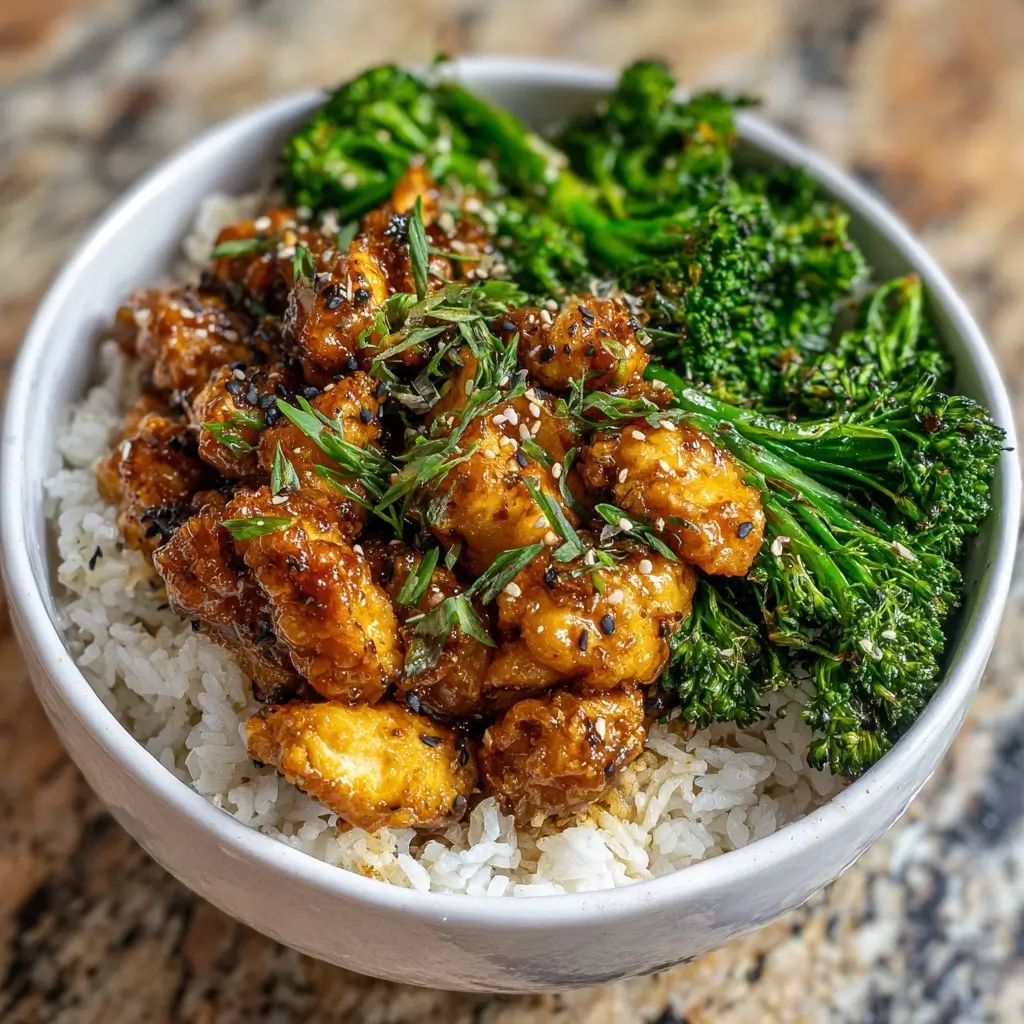
Honey Garlic Chicken Bowls
Honey Garlic Chicken Bowls: A Flavorful Fusion of Sweet and Savory
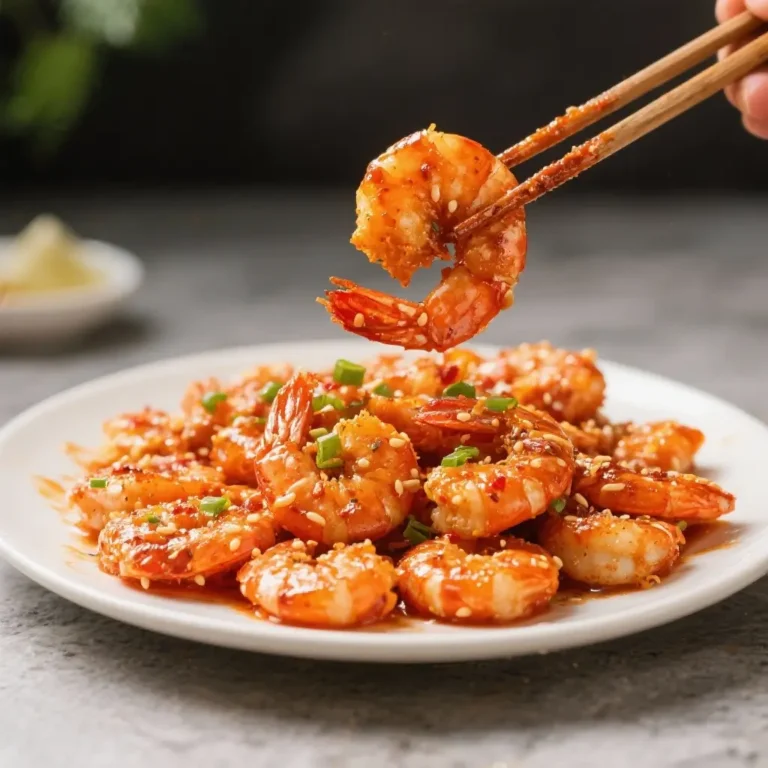
When it comes to comfort food with a gourmet twist, few dishes strike the perfect balance like Honey Garlic Chicken Bowls. These bowls combine tender, juicy chicken glazed in a rich, sticky honey garlic sauce with wholesome grains, vibrant vegetables, and optional toppings that elevate every bite. Whether you’re cooking for a family dinner, meal prepping for the week, or hosting a casual get-together, this dish delivers bold flavor, nutritional balance, and visual appeal—all in one convenient bowl. Let’s dive deep into everything you need to know about making the ultimate Honey Garlic Chicken Bowls at home.
The History of Honey Garlic Chicken
The origins of honey garlic chicken can be traced back to North American Chinese cuisine, particularly popularized in Canadian-Chinese restaurants during the 1970s and 1980s. While not traditionally found in authentic Chinese culinary practices, this dish emerged as a fusion creation designed to cater to Western palates that favor sweet and savory profiles. The combination of honey’s natural sweetness and garlic’s pungent depth creates a sauce that clings beautifully to proteins—especially chicken.
Over time, honey garlic chicken evolved beyond its takeout roots and entered mainstream home kitchens. Its adaptability made it ideal for modern meal formats like grain bowls, which emphasize balanced nutrition and customizable ingredients. Today, Honey Garlic Chicken Bowls are celebrated not just for their taste but also for their versatility, making them a staple in clean-eating, meal-prep, and family-friendly diets across North America and beyond.
Ingredients Breakdown: What Makes This Dish Shine
The magic of Honey Garlic Chicken Bowls lies in the harmony between each component. Here’s a detailed look at what goes into creating this delectable dish:
- Chicken Breast or Thighs: Lean and protein-rich, boneless, skinless chicken breasts are most commonly used, though thighs offer a juicier, more flavorful alternative due to their higher fat content.
- Honey: Raw or pure honey provides natural sweetness and helps create a glossy glaze. It also contains antioxidants and has mild antibacterial properties.
- Garlic: Fresh minced garlic is essential—its aromatic compounds intensify when cooked, forming the backbone of the sauce’s umami richness.
- Soy Sauce (or Tamari): Adds saltiness and depth. Low-sodium versions help control sodium intake without sacrificing flavor.
- Rice Vinegar or Apple Cider Vinegar: A touch of acidity balances the sweetness and enhances the overall complexity of the sauce.
- Minced Ginger: Offers a warm, slightly spicy note that complements both the honey and garlic beautifully.
- Olive Oil or Avocado Oil: Used for sautéing; high smoke point oils work best for searing chicken without burning.
- Arrowroot Powder or Cornstarch: Acts as a thickening agent to give the sauce that signature sticky consistency.
- Grains (Base): Options include white or brown rice, quinoa, cauliflower rice (for low-carb), farro, or even couscous. Each brings different textures and nutritional benefits.
- Vegetables (Toppings): Steamed broccoli, sautéed bell peppers, snap peas, shredded carrots, sliced green onions, and edamame add color, crunch, and nutrients.
- Garnishes: Sesame seeds, chopped cilantro, sliced red chili, avocado slices, or a drizzle of sriracha mayo provide finishing flair.
Step-by-Step Recipe: Crafting the Perfect Bowl
Follow this comprehensive guide to make restaurant-quality Honey Garlic Chicken Bowls from scratch:
- Prepare the Chicken: Cut 1.5 lbs (680g) of boneless, skinless chicken breasts or thighs into 1-inch cubes. Season lightly with salt and pepper.
- Cook the Chicken: Heat 1–2 tablespoons of olive oil in a large skillet over medium-high heat. Add the chicken in a single layer and cook for 5–6 minutes, turning occasionally, until golden brown and cooked through (internal temperature should reach 165°F / 74°C). Remove and set aside.
- Make the Sauce: In the same pan, reduce heat to medium. Add 1 tablespoon of minced garlic and 1 teaspoon of grated ginger; sauté for 30 seconds until fragrant. Do not let it burn.
- Combine Liquids: Pour in ½ cup honey, ¼ cup low-sodium soy sauce, 2 tablespoons rice vinegar, and stir well to combine.
- Thicken the Sauce: Whisk together 1 tablespoon cornstarch or arrowroot powder with 2 tablespoons water to make a slurry. Slowly pour into the sauce while stirring continuously. Cook for 2–3 minutes until the sauce thickens and becomes glossy.
- Glaze the Chicken: Return the cooked chicken to the pan. Stir to coat evenly with the sauce. Simmer for an additional 2–3 minutes so the chicken absorbs the flavors and gets fully glazed.
- Prepare the Base: While the chicken cooks, prepare your grain base. Cook 1 cup of rice or quinoa according to package instructions. For extra flavor, use chicken broth instead of water.
- Roast or Sauté Vegetables: Toss broccoli florets, bell peppers, and snap peas with olive oil, salt, and garlic powder. Roast at 400°F (200°C) for 15–20 minutes or quickly sauté on the stovetop until tender-crisp.
- Assemble the Bowls: Divide the cooked grains among 4 bowls. Top with honey garlic chicken, roasted vegetables, and any additional toppings like sliced avocado, edamame, or shredded carrots.
- Garnish and Serve: Sprinkle with sesame seeds, green onions, and fresh cilantro. Drizzle with extra sauce or sriracha if desired. Serve immediately.
Tips for Success: Elevate Your Game
- Don’t Overcrowd the Pan: When searing chicken, cook in batches if needed. Overcrowding causes steaming instead of browning, resulting in less flavor.
- Use Fresh Garlic and Ginger: Pre-minced versions from jars lack the bright, zesty kick of freshly grated ingredients.
- Balancing the Sauce: If the sauce turns out too sweet, add a splash of vinegar. Too salty? Add a bit more honey or a squeeze of lime juice.
- Rest the Chicken: Let the chicken rest for a few minutes after cooking before adding it back to the sauce. This keeps it juicy.
- Double the Sauce (Optional): Make extra sauce and store it separately for reheating leftovers—it prevents sogginess.
- Meal Prep Friendly: Store components separately in airtight containers for up to 4 days. Reheat chicken and grains, then assemble fresh veggies before serving.
- Avoid Burning the Honey: Honey burns easily. Keep the heat at medium when reducing the sauce and stir frequently.
Variations and Customizations: Make It Your Own
One of the greatest strengths of Honey Garlic Chicken Bowls is their adaptability. Here are some creative ways to customize the recipe based on dietary needs or flavor preferences:
- Low-Carb/Keto Version: Replace grains with cauliflower rice or zucchini noodles. Use a sugar-free honey substitute like monk fruit syrup and check that your soy sauce is keto-friendly.
- Spicy Kick: Add crushed red pepper flakes, diced jalapeños, or a dash of hot sauce to the sauce. Top bowls with chili oil or gochujang for heat lovers.
- Vegan Option: Swap chicken with tofu, tempeh, or seitan. Press and pan-fry the tofu first for crispiness, then glaze with the same sauce (ensure honey substitute like agave or maple syrup is used).
- Gluten-Free: Use tamari or a certified gluten-free soy sauce. Confirm all other ingredients (like vinegar and broths) are GF-labeled.
- Mediterranean Twist: Use quinoa as the base, top with cucumber, cherry tomatoes, olives, feta cheese, and tzatziki instead of traditional Asian toppings.
- Tropical Fusion: Add mango, pineapple, or mandarin oranges for a fruity contrast. Pair with coconut rice and toasted macadamia nuts.
- Pineapple Addition: Stir canned or fresh pineapple chunks into the sauce for a sweet-tart dimension reminiscent of Hawaiian-style chicken.
- Kid-Friendly Version: Reduce garlic and spice levels. Include fun toppings like corn, peas, and cheese to encourage picky eaters.
Health Considerations and Nutritional Value
Honey Garlic Chicken Bowls can be part of a healthy, balanced diet when prepared mindfully. Here’s a breakdown of key health aspects:
Nutritional Highlights (per serving, approx. 1 bowl with brown rice and vegetables):
- Calories: ~500–600 kcal (varies by ingredient choices)
- Protein: ~35–40g (excellent source from chicken)
- Carbohydrates: ~55–70g (mostly complex carbs from whole grains and fiber-rich veggies)
- Fats: ~12–18g (healthy fats from oils, avocado, and nuts)
- Fiber: ~6–8g (from vegetables and whole grains)
- Sodium: ~600–900mg (can be reduced using low-sodium soy sauce and limiting added salt)
Health Benefits:
- Lean Protein Source: Supports muscle repair, satiety, and metabolic function.
- Antioxidant-Rich Ingredients: Honey and garlic both contain antioxidants linked to immune support and anti-inflammatory effects.
- Dietary Fiber: Promotes digestive health and helps regulate blood sugar levels.
- Balanced Macronutrients: With proper portioning, these bowls offer a well-rounded ratio of protein, carbs, and fats.
Considerations:
- Sugar Content: Honey is natural but still high in sugars. Those managing diabetes or insulin resistance should moderate portions or opt for lower-glycemic alternatives.
- Sodium Awareness: Soy sauce contributes significantly to sodium levels. Rinsing frozen veggies or using low-sodium options helps manage intake.
- Allergens: Contains soy and potential sesame (if garnished). Always label accordingly for guests or family members with allergies.
- Portion Control: While nutritious, large servings of grains and sauce can increase calorie density. Stick to recommended portions for weight management goals.
Full Ingredient List (Serves 4)
- 1.5 lbs (680g) boneless, skinless chicken breasts or thighs, cubed
- 2 tbsp olive oil or avocado oil
- 4 cloves garlic, minced
- 1 tbsp fresh ginger, grated
- ½ cup pure honey (or maple syrup/agave for vegan option)
- ¼ cup low-sodium soy sauce (or tamari for gluten-free)
- 2 tbsp rice vinegar or apple cider vinegar
- 1 tbsp cornstarch or arrowroot powder
- 2 tbsp cold water
- 1 tsp sesame oil (optional, for depth)
- Salt and black pepper to taste
- 1 cup uncooked brown rice, white rice, or quinoa (yields ~3 cups cooked)
- 2 cups broccoli florets
- 1 bell pepper, sliced
- 1 cup snap peas
- 1 carrot, julienned or shredded
- 2 green onions, sliced
- 2 tbsp sesame seeds
- ¼ cup chopped fresh cilantro
- 1 avocado, sliced (optional)
- Sriracha or chili oil (optional, for serving)
Detailed Directions
- Cook the Grain Base: Rinse 1 cup of rice or quinoa under cold water. In a medium pot, bring 2 cups of water or chicken broth to a boil. Add the grain, reduce heat to low, cover, and simmer for 15–20 minutes (rice) or 12–15 minutes (quinoa) until liquid is absorbed and grains are fluffy. Remove from heat and let stand covered for 5 minutes. Fluff with a fork.
- Prep the Chicken: Pat chicken dry with paper towels. Season lightly with salt and pepper. This ensures better browning.
- Sear the Chicken: Heat 1 tbsp oil in a large nonstick or cast-iron skillet over medium-high heat. Once shimmering, add chicken in a single layer. Cook undisturbed for 2–3 minutes to develop a golden crust. Flip and cook another 2–3 minutes until no longer pink inside. Transfer to a plate.
- Sauté Aromatics: Lower heat to medium. Add remaining oil if needed. Stir in garlic and ginger; cook for 30–60 seconds until fragrant but not browned.
- Create the Sauce: Pour in honey, soy sauce, and vinegar. Stir well to combine. Bring to a gentle simmer.
- Thicken the Glaze: In a small bowl, mix cornstarch with cold water until smooth. Gradually whisk into the simmering sauce. Continue stirring for 2–3 minutes until the sauce thickens and coats the back of a spoon.
- Finish the Chicken: Return chicken (and any accumulated juices) to the pan. Stir to coat thoroughly. Simmer for 2–3 minutes, allowing the chicken to absorb the sauce. Turn off heat and keep warm.
- Roast the Vegetables: Preheat oven to 400°F (200°C). On a baking sheet, toss broccoli, bell pepper, and snap peas with 1 tbsp oil, salt, and pepper. Spread in a single layer and roast for 18–20 minutes until edges are slightly caramelized.
- Assemble the Bowls: Divide cooked grains among four shallow bowls. Arrange roasted vegetables, honey garlic chicken, and optional toppings like avocado, carrots, and edamame.
- Garnish and Serve: Top each bowl with green onions, sesame seeds, and cilantro. Drizzle with extra sauce or spicy mayo if desired. Serve immediately while warm.
Frequently Asked Questions (FAQ)
Can I make this ahead of time?
Yes! This dish is excellent for meal prep. Store components separately in airtight containers in the fridge for up to 4 days. Reheat chicken and grains in the microwave, then assemble with fresh or lightly warmed veggies.
Can I freeze Honey Garlic Chicken?
Absolutely. Freeze the glazed chicken and sauce together in a freezer-safe container for up to 3 months. Thaw overnight in the refrigerator and reheat gently on the stove or in the microwave. Avoid freezing raw vegetable toppings.
What can I use instead of honey?
For vegans or those avoiding honey, substitute with pure maple syrup, agave nectar, or brown rice syrup. Note that flavor profiles may vary slightly.
Why is my sauce too thin?
If the sauce isn’t thickening, ensure your cornstarch slurry was mixed properly and added while the sauce was hot. Simmer longer and stir constantly. Alternatively, mix another ½ tsp cornstarch with water and whisk in gradually.
Can I bake the chicken instead of pan-frying?
Yes. Marinate chicken in half the sauce, place on a lined baking sheet, and bake at 375°F (190°C) for 20–25 minutes, flipping halfway. Brush with remaining sauce during the last 5 minutes.
Is this recipe kid-friendly?
Definitely! Kids love the sweet-savory flavor. Serve with mild veggies like carrots and peas, and skip spicy garnishes. You can even cut the chicken into bite-sized pieces for younger eaters.
How do I prevent the sauce from burning?
Keep the heat at medium when reducing the sauce. Honey has a low burning point. Stir frequently and never leave unattended.
Can I use frozen vegetables?
Yes, but thaw and drain them well first to avoid excess moisture. For best texture, lightly sauté or roast rather than microwaving.
What sides pair well with these bowls?
Consider egg rolls, wonton soup, kimchi, or a simple Asian slaw. A chilled green tea or sparkling lemon water makes a refreshing drink pairing.
Summary
Honey Garlic Chicken Bowls blend succulent chicken in a luscious sweet-savory glaze with wholesome grains and colorful vegetables for a satisfying, nutrient-packed meal. Easy to customize, perfect for meal prep, and loved by all ages, this dish brings restaurant-quality flavor straight to your kitchen table.
With endless variations and health-conscious tweaks, it’s no wonder Honey Garlic Chicken Bowls have become a modern classic in home cooking.