Shortbread Cookies
Introduction
Shortbread cookies are a timeless classic, beloved around the world for their delicate texture, rich buttery flavor, and melt-in-your-mouth quality. Originating in Scotland, these simple yet elegant treats have been enjoyed for centuries, evolving from royal feasts to modern-day holiday platters. Whether served with tea, gifted in decorative tins, or savored as a sweet indulgence after dinner, shortbread holds a cherished place in baking traditions. Their unassuming ingredients belie their luxurious taste, making them a favorite among both novice bakers and seasoned pastry chefs. This comprehensive guide dives deep into everything you need to know about shortbread cookies—from their storied history to tips for perfecting your batch every time.
The History
The roots of shortbread trace back to medieval Scotland, where it evolved from a simple unleavened bread known as “biscuit bread.” Originally made by twice-baking pieces of dough to preserve them, this early version was more akin to a hardtack than the tender cookies we enjoy today. The transformation began in the 12th century when sugar and butter became more widely available, especially among the wealthy. By the 16th century, with the introduction of fine wheat flour and high-quality butter, shortbread began to take on its modern form.
It was during the reign of Mary, Queen of Scots, that shortbread gained royal favor. Legend has it that she particularly enjoyed a variation called “Petticoat Tails,” a name derived either from the French phrase “petites gâteaux” (little cakes) or the pie-shaped wedges that resemble a woman’s petticoat. Shortbread became associated with special occasions such as Christmas, Hogmanay (Scottish New Year), and weddings. Traditionally baked in large rounds and divided into segments, shortbread was often stamped with intricate designs representing thistles, fleurs-de-lis, or other symbols of Scottish heritage.
Over time, shortbread spread beyond Scotland and became popular throughout the British Isles and eventually across the globe. In the 19th century, the rise of commercial baking allowed brands like Walkers to mass-produce shortbread, bringing its distinctive flavor to households worldwide. Today, while many variations exist, the essence of traditional shortbread remains unchanged—a testament to its enduring appeal.
Ingredients Breakdown
The magic of shortbread lies in its simplicity. Only a few key ingredients are needed, each playing a crucial role in achieving the signature crumbly, tender texture:
- Butter: High-quality unsalted butter is essential. It provides richness, flavor, and contributes to the cookie’s delicate structure. European-style butter with a higher fat content (around 82–86%) is ideal for a creamier mouthfeel.
- Sugar: Granulated sugar is most commonly used. It adds sweetness and helps create a slightly crisp exterior while keeping the interior soft. Some recipes use caster sugar for finer texture or brown sugar for a hint of caramel flavor.
- Flour: All-purpose flour is standard, providing the structure needed to hold the butter together. Pastry flour can be used for an even more tender result due to its lower protein content.
- Salt: A pinch enhances the overall flavor profile, balancing the sweetness and highlighting the buttery notes.
- Cornstarch or Rice Flour (optional): Often added in small amounts to improve tenderness and give shortbread its characteristic “short” or crumbly texture—hence the name “shortbread.”
- Vanilla Extract (optional): While not traditional in Scottish recipes, many modern versions include vanilla for added depth of flavor.
- Liquid (rarely used): Authentic shortbread contains no eggs or liquid, relying solely on the moisture in butter. Adding milk or egg changes the texture and turns it into a different type of cookie altogether.
The ratio of ingredients is critical: typically, shortbread follows a 3:2:1 ratio—three parts flour, two parts butter, one part sugar—though variations exist based on desired sweetness and richness.
Step-by-Step Recipe
Follow this detailed method to make perfectly tender, golden shortbread cookies at home.
Ingredients
- 1 cup (2 sticks / 227g) unsalted butter, softened to room temperature
- 1/2 cup (100g) granulated sugar
- 2 cups (250g) all-purpose flour
- 1 tablespoon cornstarch (optional, for extra tenderness)
- 1/4 teaspoon fine sea salt
- 1 teaspoon pure vanilla extract (optional)
- Additional sugar for dusting (optional)
Directions
- Preheat Oven: Set your oven to 325°F (160°C). Line a baking sheet with parchment paper or lightly grease it if preferred.
- Cream Butter and Sugar: In a large mixing bowl, beat the softened butter and sugar together using a hand mixer or stand mixer until light and fluffy, about 2–3 minutes. Do not overbeat; you want a smooth mixture without incorporating too much air, which could affect texture.
- Add Flavorings: Mix in the vanilla extract, if using.
- Combine Dry Ingredients: In a separate bowl, whisk together the flour, cornstarch (if using), and salt to ensure even distribution.
- Incorporate Dry into Wet: Gradually add the dry ingredients to the butter mixture, mixing on low speed or folding in by hand until just combined. Avoid overmixing—stop once no dry flour remains. The dough should come together smoothly and feel soft but not sticky.
- Shape the Dough: Turn the dough out onto a lightly floured surface. Gently press it into a disc or rectangle, depending on your preferred shaping method. Alternatively, roll the dough between two sheets of parchment paper to about 1/4 inch (6mm) thickness.
- Chill (Optional but Recommended): Wrap the shaped dough in plastic wrap and refrigerate for at least 30 minutes. Chilling firms up the butter, preventing excessive spreading during baking and improving the final texture.
- Cut Into Shapes: Using a sharp knife, cookie cutter, or pizza wheel, cut the dough into squares, fingers, circles, or any shape you prefer. Traditional shortbread is often formed into a large round and scored into wedges before baking.
- Transfer to Baking Sheet: Carefully place the cut cookies onto the prepared baking sheet, leaving about 1/2 inch between them to allow for minimal spread.
- Prick and Decorate: Use a fork to gently prick each cookie several times. This prevents puffing and creates a classic look. For elegance, sprinkle lightly with coarse sugar or demerara sugar.
- Bake: Bake for 18–22 minutes, rotating the pan halfway through. Cookies are done when the edges are pale golden and the centers remain soft. They will firm up as they cool.
- Cool Completely: Allow cookies to rest on the baking sheet for 5 minutes before transferring them to a wire rack to cool completely. This ensures clean handling and proper setting.
Tips
- Use Room-Temperature Butter: Softened butter blends evenly with sugar without overworking the dough. Cold butter won’t cream properly; melted butter will change the texture.
- Don’t Overmix: Once flour is added, mix only until incorporated. Overworking develops gluten, leading to tough cookies.
- Chill Before Baking: Especially important in warm kitchens. Chilled dough maintains shape and results in cleaner cuts.
- Watch Baking Time Closely: Shortbread should be pale gold, not brown. Overbaking dries them out; underbaking leaves them too soft.
- Cool Slowly: Letting cookies sit on the hot tray for a few minutes after baking allows them to set gradually, reducing breakage.
- Uniform Thickness: Roll dough evenly so all cookies bake consistently. Use rolling pin guides or book spacers for precision.
- Storage Matters: Keep cooled cookies in an airtight container at room temperature. They stay fresh for up to two weeks.
- Freeze for Later: Unbaked dough logs or cut shapes can be frozen for up to 3 months. Bake straight from frozen, adding 2–3 minutes to the baking time.
Variations and Customizations
While traditional shortbread is delightfully plain, countless variations let you personalize your batch:
- Lemon Shortbread: Add 1–2 teaspoons of finely grated lemon zest and a splash of lemon juice for a bright, citrusy twist.
- Chocolate-Dipped Shortbread: After cooling, dip half of each cookie in melted dark, milk, or white chocolate. Sprinkle with sea salt or crushed nuts for contrast.
- Almond Shortbread: Replace 1/4 cup of flour with almond flour for a nutty flavor and softer texture. Top with a sliced almond before baking.
- Rosemary or Lavender Shortbread: Infuse sophistication with 1/2 teaspoon of culinary-grade dried rosemary or lavender buds. Pairs beautifully with honey-sweetened versions.
- Spiced Shortbread: Add cinnamon, nutmeg, or cardamom for a warm, festive flair—perfect for holidays.
- Gluten-Free Shortbread: Substitute all-purpose flour with a gluten-free blend containing xanthan gum, or use rice flour and potato starch for authenticity.
- Colored & Flavored Doughs: Add natural food colorings or matcha powder, cocoa powder, or freeze-dried fruit powders for visual appeal and unique tastes.
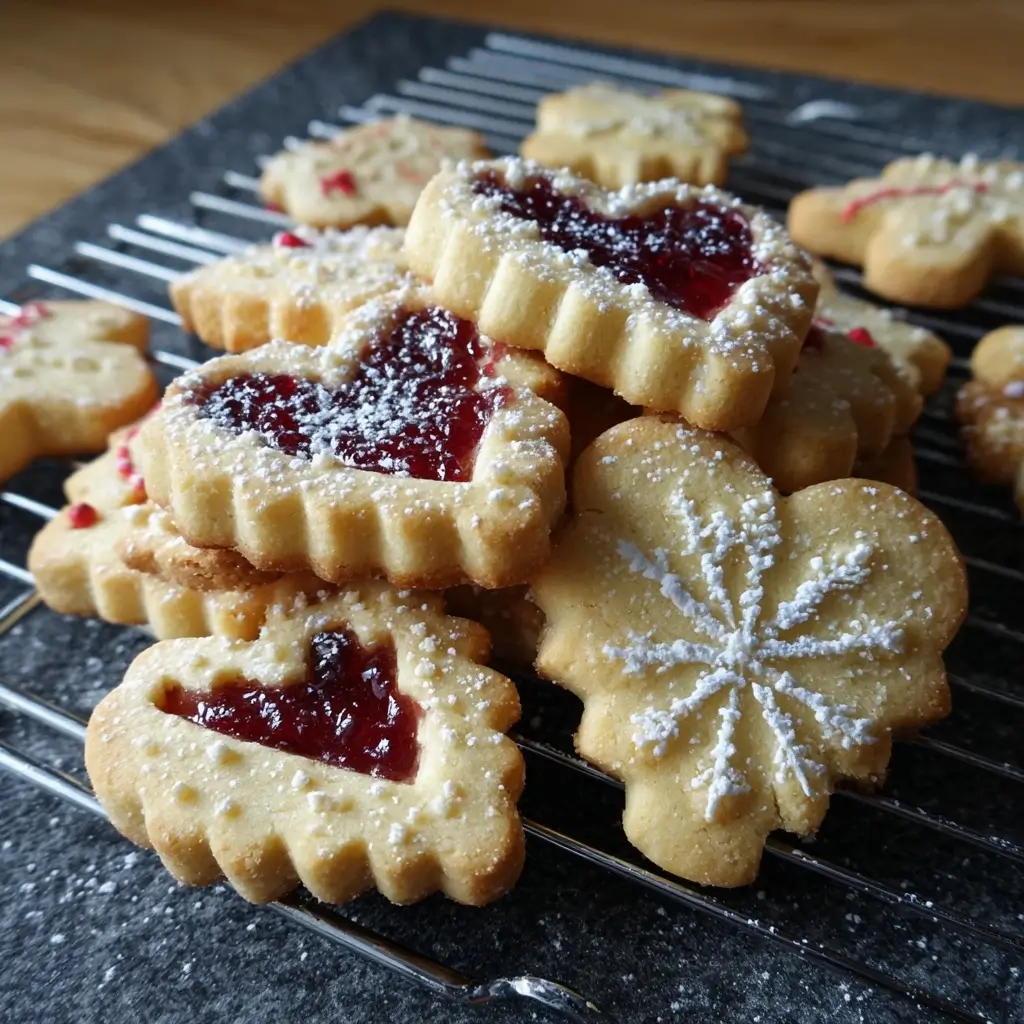
- Filled Shortbread: Sandwich cooled cookies with raspberry jam, lemon curd, ganache, or buttercream for a decadent treat.
- Petit Fours: Make mini shortbread rounds and stack with flavored creams or jellies for elegant party desserts.
- Stamped Designs: Use patterned rolling pins or embossed molds to create beautiful imprints inspired by Scottish motifs.
Health Considerations and Nutritional Value
Shortbread cookies are inherently rich due to their high butter and sugar content, so moderation is key. However, understanding their nutritional profile helps in making informed choices:
- Calories: One average-sized shortbread cookie (about 20g) contains approximately 80–100 calories.
- Fat: Around 5–7 grams per cookie, mostly from saturated fat in butter. Opting for grass-fed butter may increase beneficial fats like conjugated linoleic acid (CLA).
- Carbohydrates: About 10–12 grams, primarily from refined flour and sugar.
- Protein: Minimal—less than 1 gram per cookie.
- Sodium: Low unless additional salt is used generously.
To make healthier versions:
- Reduce sugar slightly (down to 1/3 cup) without sacrificing texture.
- Use whole wheat pastry flour for added fiber, though it alters texture slightly.
- Substitute part of the butter with mashed banana or applesauce (note: this changes the classic character).
- Choose organic, grass-fed butter and unrefined sugars like coconut sugar for cleaner ingredients.
- Portion control is effective—serve smaller cookies or limit servings.
For those with dietary restrictions:
- Gluten-Free: Use certified gluten-free flour blends.
- Dairy-Free: Substitute butter with plant-based alternatives like vegan baking sticks (e.g., Earth Balance), though results may vary in texture and flavor.
- Vegan: Combine dairy-free butter with egg replacers if needed (though purist shortbread contains no egg).
- Low-Sugar: Explore monk fruit or erythritol blends, but note that sugar plays a structural role, so substitutions require testing.
Ingredients Recap
- 1 cup (227g) unsalted butter, softened
- 1/2 cup (100g) granulated sugar
- 2 cups (250g) all-purpose flour
- 1 tbsp cornstarch (optional)
- 1/4 tsp salt
- 1 tsp vanilla extract (optional)
- Coarse sugar for topping (optional)
Directions Recap
- Preheat oven to 325°F (160°C). Line baking sheet.
- Cream butter and sugar until fluffy.
- Mix in vanilla.
- Whisk dry ingredients; gradually blend into butter mixture.
- Form dough into a disc, chill 30 min.
- Roll to 1/4-inch thickness, cut into shapes.
- Prick with fork, sprinkle with sugar.
- Bake 18–22 min until edges are golden.
- Cool on tray 5 min, then transfer to rack.
- Store in airtight container.
FAQ
Why is my shortbread crumbly?
Some crumbliness is normal—it’s part of the charm! But if it falls apart easily, you may have too much flour or not enough fat. Measure flour accurately using the spoon-and-level method.
Can I use salted butter?
Yes, but reduce or omit added salt. Unsalted butter gives better control over flavor and consistency.
Why didn’t my shortbread spread?
That’s correct! Shortbread shouldn’t spread much. Its low moisture and lack of leavening agents keep it compact and dense.
Can I add chocolate chips?
Yes, but do so sparingly. Fold in 1/2 cup of mini chocolate chips for a subtle enhancement without compromising texture.
How do I prevent burning?
Bake at a low temperature and monitor closely. Use light-colored baking sheets and rotate pans midway.
Can I freeze baked shortbread?
Absolutely. Cool completely, layer in an airtight container with parchment, and freeze for up to 3 months. Thaw at room temperature.
What makes shortbread “short”?
In baking terms, “short” refers to a crumbly texture caused by high fat content interrupting gluten formation.
Do I need to dock the dough?
Yes. Pricking with a fork prevents air pockets and ensures even baking.
Can I make shortbread without a mixer?
Yes. Use a wooden spoon and your hands to mix, being careful not to overwork the dough.
Why is my dough greasy?
This may happen if butter was too soft or melted. Always use softened, not melted, butter.
Summary
Shortbread cookies are a buttery, delicate delight with deep historical roots in Scottish tradition, made from just a few simple ingredients that yield an elegant and satisfying treat. With endless customization options and timeless appeal, they remain a staple of home baking and festive celebrations alike.