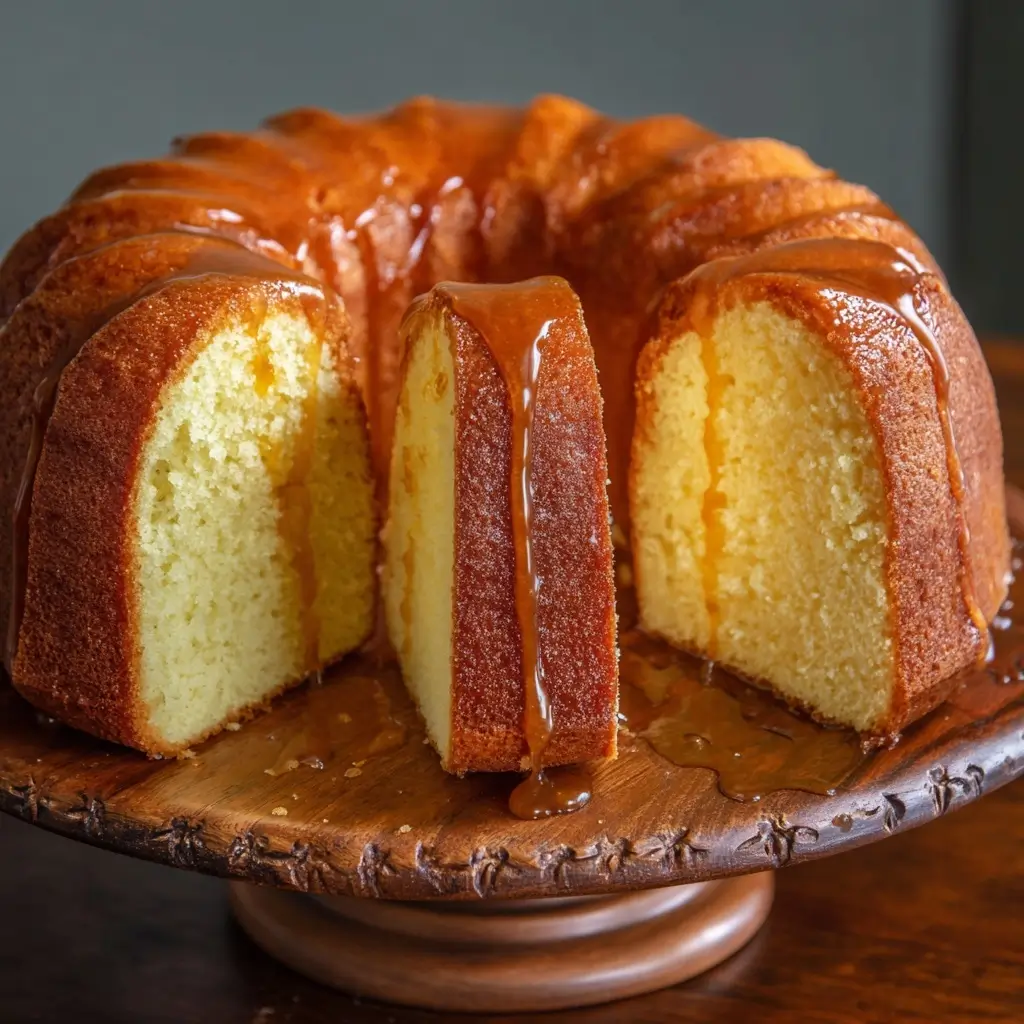
Classic Pound Cake
Classic Pound Cake: A Timeless Southern Dessert
The Classic Pound Cake is one of the most beloved desserts in American baking history, known for its rich, buttery flavor and dense yet tender crumb. Its name comes from the original recipe that called for a pound each of four simple ingredients: flour, sugar, butter, and eggs. This straightforward ratio made it easy to remember and replicate, even before standardized measuring tools were common in kitchens. Over time, variations have emerged, but the essence of this dessert remains rooted in simplicity, quality ingredients, and timeless appeal. Whether served plain, dusted with powdered sugar, or topped with fruit and whipped cream, pound cake continues to be a staple at family gatherings, holidays, and afternoon tea tables across the country.
The History of Pound CakePound cake has its origins in Europe, dating back to the early 18th century. The first known written recipe appeared in Britain in 1747 in The Art of Cookery Made Plain and Easy by Hannah Glasse. At the time, recipes were often passed down orally or recorded without precise measurements, but the pound cake stood out due to its easy-to-remember formula: one pound each of flour, sugar, butter, and eggs. This made it accessible to home bakers who didn’t rely on scales or cups.
As European settlers brought their culinary traditions to America, pound cake quickly became a favorite, particularly in the Southern United States. American cooks began adapting the recipe—adding leavening agents like baking powder, incorporating vanilla extract or citrus zest for flavor, and adjusting techniques for modern ovens. By the 19th and early 20th centuries, pound cake was a symbol of hospitality and comfort, frequently baked for guests and special occasions.
Today, while the traditional “pound” measurements are no longer strictly followed, the spirit of the original recipe lives on. Modern versions use precise cup measurements and often include sour cream or milk for added moisture, but they still honor the cake’s dense, velvety texture and luxurious taste. It’s a testament to how a simple recipe can evolve over centuries while maintaining its identity and popularity.
Ingredients Breakdown: Why Each One Matters
The beauty of classic pound cake lies in its minimal ingredient list, where every component plays a crucial role in the final texture and flavor. Here’s a detailed look at each ingredient:
- Butter: Unsalted butter is preferred because it allows better control over salt content. When creamed properly with sugar, it traps air, contributing to the cake’s rise and creating a light-yet-rich crumb. High-quality butter with a higher fat content yields a more flavorful and moist cake.
- Granulated Sugar: Not only does sugar sweeten the cake, but when beaten with butter, it helps create a fluffy, aerated mixture essential for volume. The granules help form tiny air pockets, which expand during baking.
- Eggs: Large eggs add structure, richness, and moisture. They act as emulsifiers, helping bind the fat and liquid components together. Room-temperature eggs integrate more smoothly into the batter, reducing the risk of curdling.
- All-Purpose Flour: Provides the gluten structure necessary for the cake’s body. Sifting ensures there are no lumps and helps incorporate air into the dry ingredients, leading to a more even texture.
- Salt: A small amount enhances all the other flavors, balancing sweetness and bringing depth to the buttery taste.
- Vanilla Extract: Pure vanilla extract (not imitation) adds a warm, floral aroma that complements the richness of the cake. Some bakers also add almond extract for a subtle nutty note.
- Sour Cream (optional but recommended): Though not part of the original recipe, many modern bakers include sour cream or whole milk to improve moisture and tenderness. Sour cream’s acidity also reacts gently with baking soda, if used, for a slight lift.
- Baking Powder (optional): While traditional pound cakes relied solely on the air incorporated during creaming, modern versions often include a small amount of baking powder for extra leavening and a slightly lighter texture.
Using high-quality ingredients makes a noticeable difference in the final product. For example, real butter and pure vanilla extract elevate the cake far beyond what margarine or artificial flavors can achieve.
Step-by-Step Recipe: How to Make the Perfect Classic Pound Cake
Making a flawless pound cake requires attention to detail, patience, and proper technique. Follow these steps carefully for a golden, crack-free crust and a perfectly tender interior.
Ingredients
- 1 cup (2 sticks / 226g) unsalted butter, softened to room temperature
- 2 cups (400g) granulated sugar
- 4 large eggs, at room temperature
- 3 cups (360g) all-purpose flour, spooned and leveled
- 1 teaspoon salt
- 1 tablespoon pure vanilla extract
- 1/2 cup (120ml) full-fat sour cream, at room temperature (or whole milk)
- 1 teaspoon baking powder (optional, for a slightly lighter texture)
Directions
- Preheat the oven to 325°F (165°C). Grease a 9×5-inch loaf pan thoroughly with butter or non-stick spray, then line the bottom with parchment paper for easy removal.
- Cream the butter and sugar: In a large mixing bowl or stand mixer fitted with the paddle attachment, beat the softened butter on medium speed for 1 minute until smooth. Gradually add the sugar and continue beating on medium-high speed for 5–7 minutes until the mixture is pale yellow, fluffy, and significantly increased in volume. Scrape down the sides of the bowl as needed.
- Add the eggs one at a time: Beat in each egg individually, mixing well after each addition (about 30 seconds per egg). Ensure each egg is fully incorporated before adding the next. Pause to scrape the bowl again if needed. The mixture may look slightly curdled if the eggs are cold; using room-temperature eggs prevents this.
- Mix in the vanilla extract until combined.
- Whisk dry ingredients: In a separate bowl, sift together the flour, salt, and baking powder (if using). Whisk to combine.
- Alternate adding dry ingredients and sour cream: With the mixer on low speed, add one-third of the flour mixture and mix just until incorporated. Pour in half of the sour cream and mix gently. Repeat with another third of flour, remaining sour cream, then the final third of flour. Mix only until the batter is smooth and no dry streaks remain—do not overmix, as this can lead to a tough cake.
- Transfer to the pan: Pour the batter into the prepared loaf pan and smooth the top with an offset spatula. Gently tap the pan on the counter once to release any large air bubbles.
- Bake for 60–75 minutes: Place in the center rack of the oven. Bake until a wooden skewer or toothpick inserted into the center comes out clean or with a few moist crumbs. The top should be deep golden brown, and the cake should spring back lightly when touched.
- Cool completely: Let the cake cool in the pan for 15 minutes, then run a knife around the edges and invert it onto a wire rack. Remove the parchment paper and allow the cake to cool completely before slicing—this helps the texture set and prevents crumbling.
Tips for Baking the Best Pound Cake
- Room-temperature ingredients are key: Cold butter won’t cream properly, and cold eggs can cause the batter to split. Take butter and eggs out 1–2 hours before baking.
- Cream butter and sugar long enough: Don’t rush this step. Proper creaming incorporates air, which contributes to rise and texture.
- Use a light-colored metal loaf pan: Dark pans can cause the exterior to over-brown before the inside is done. If you only have a dark pan, reduce the oven temperature by 25°F.
- Avoid overmixing: Once you start adding flour, mix only until combined. Overmixing develops gluten, leading to a dense or chewy cake.
- Check doneness early: Ovens vary. Start checking at 60 minutes. An underbaked cake will sink; an overbaked one will be dry.
- Cool slowly: Allowing the cake to cool gradually in the pan helps prevent cracking and collapsing.
- Wrap and store properly: For best texture, wrap cooled cake tightly in plastic wrap and let it sit overnight before serving. This allows moisture to redistribute.
Variations and Customizations
While the classic version is delicious on its own, pound cake is incredibly versatile. Try these popular twists:
- Lemon Pound Cake: Add 2 tablespoons of lemon zest and 2 tablespoons of fresh lemon juice. Replace sour cream with lemon curd for extra tang.
- Chocolate Swirl Pound Cake: Melt 4 oz of semi-sweet chocolate and swirl into the batter before baking.
- Almond Pound Cake: Replace 1 teaspoon of vanilla extract with almond extract and fold in 1/2 cup sliced almonds.
- Marbled Pound Cake: Divide the batter in half, mix cocoa powder into one portion, then alternate scoops in the pan and swirl with a knife.
- Blueberry Pound Cake: Toss 1 cup of fresh blueberries in 1 tablespoon of flour and gently fold into the batter.
- Glazed Pound Cake: Drizzle with a simple glaze made from powdered sugar and milk, or a bourbon glaze for a Southern twist.
- Mini Pound Cakes: Bake in muffin tins or mini loaf pans for individual servings (reduce baking time to 25–35 minutes).
Health Considerations and Nutritional Value
Classic pound cake is a rich dessert and should be enjoyed in moderation, especially for those monitoring sugar, fat, or calorie intake. A typical slice (1/12th of a loaf) contains approximately:
- Calories: 350–400
- Total Fat: 18–22g (mostly from butter)
- Saturated Fat: 10–12g
- Cholesterol: 100–130mg (from eggs and butter)
- Carbohydrates: 45–50g (primarily from sugar and flour)
- Sugar: 25–30g
- Protein: 6–7g
To make a slightly healthier version:
- Replace half the butter with unsweetened applesauce or mashed banana (though texture will be denser).
- Use a sugar substitute like erythritol or monk fruit blend, though results may vary.
- Swap some flour for whole wheat pastry flour for added fiber.
- Reduce sugar by 1/4 cup—many find the cake still plenty sweet.
Note: Traditional pound cake contains gluten and dairy and is not suitable for vegan diets unless significantly modified.
Frequently Asked Questions (FAQ)
Why is my pound cake dense?
Some density is expected—it’s called “pound” cake for a reason! But if it’s too heavy, possible causes include overmixing, expired leavening agents, or under-creaming the butter and sugar.
Why did my cake crack on top?
A slight crack is normal and even desirable—it shows the cake rose beautifully. However, deep cracks may result from too much leavening, an oven that’s too hot, or uneven heat distribution.
Can I freeze pound cake?
Yes! Wrap the cooled cake tightly in plastic wrap and then in aluminum foil. Freeze for up to 3 months. Thaw at room temperature before serving.
How long does pound cake last?
Stored in an airtight container at room temperature, it stays fresh for 4–5 days. Refrigeration extends shelf life to 7–10 days but may dry it out slightly.
Can I use a bundt pan?
Absolutely. Use a 10-cup bundt pan and bake for 50–60 minutes. Check for doneness with a skewer.
Why use sour cream?
Sour cream adds moisture, tenderness, and a slight tang that balances the sweetness. It also helps create a fine crumb.
Can I make this cake ahead of time?
Yes, pound cake actually tastes better the next day! The flavors meld, and the texture becomes more uniform. Store covered at room temperature.
Summary
The Classic Pound Cake is a timeless dessert defined by its rich, buttery flavor and dense, moist crumb, originally made with equal parts flour, sugar, butter, and eggs. With simple ingredients and careful technique, it remains a cherished favorite for bakers and dessert lovers alike.