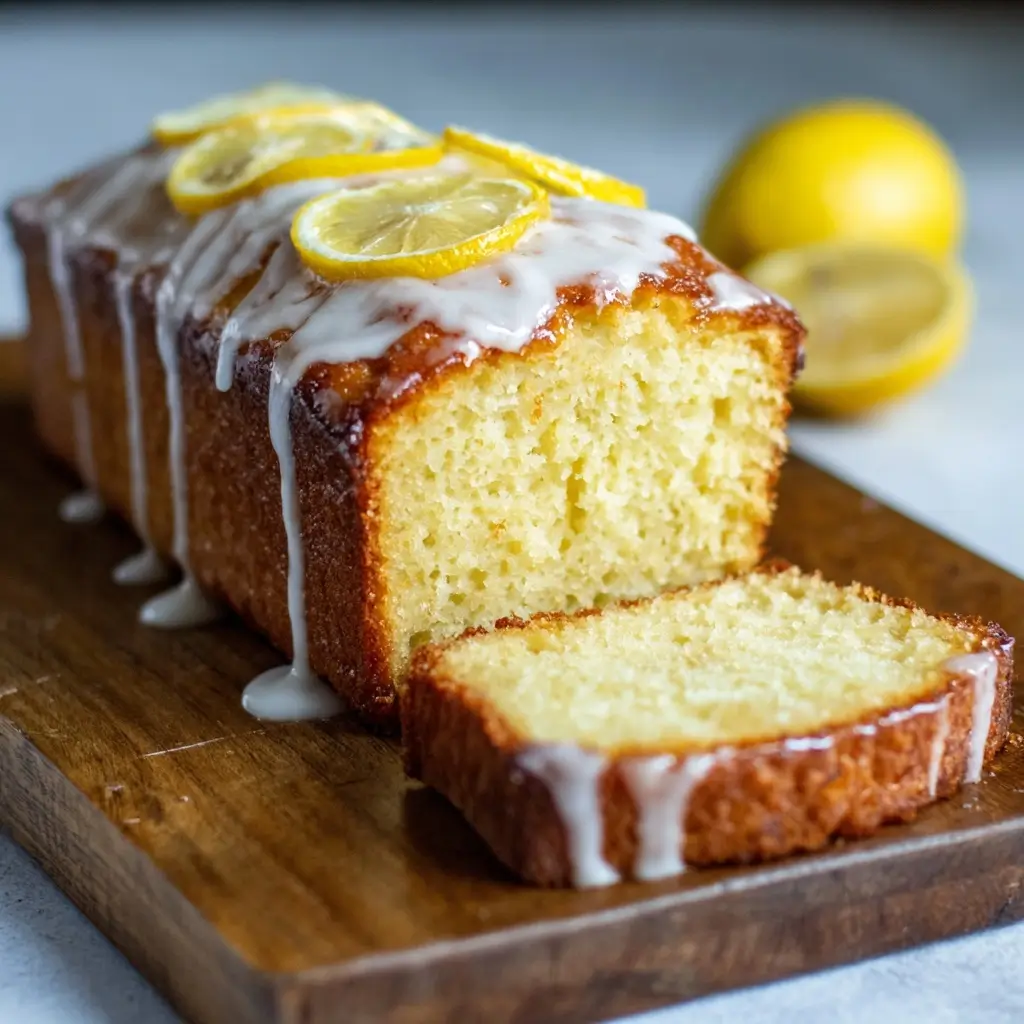
Glazed Lemon Loaf Cake
Glazed Lemon Loaf Cake: A Zesty Delight for Every Occasion
There’s something undeniably magical about a freshly baked loaf cake that fills your kitchen with the warm, buttery aroma of citrus and vanilla. The Glazed Lemon Loaf Cake stands out as a beloved classic in the world of home baking—tangy, moist, tender crumb, crowned with a shiny, sweet-tart lemon glaze that melts into every crevice. Whether served at breakfast, afternoon tea, or dessert, this cake brings sunshine to any table. Its vibrant flavor and simple elegance make it a go-to recipe for both novice bakers and seasoned pastry lovers alike.
The History of Lemon Loaf Cake
The origins of the loaf cake can be traced back to early American and European home baking traditions, where simple, one-bowl cakes were made using readily available ingredients like flour, sugar, eggs, and butter. Loaf pans became popular in the 19th century, offering an easy way to bake dense, even cakes without fancy equipment. Citrus fruits, particularly lemons, have long been prized for their bright acidity and preservative qualities. In Mediterranean cuisine, lemons were used not only for flavor but also to enhance digestion and preserve food.
By the 20th century, lemon loaf cake began appearing in community cookbooks and women’s magazines across the United States and the UK. It evolved from rustic farmhouse recipes into more refined versions with creamed butter, sour cream, and fine sugar. The addition of a lemon glaze—a hallmark of modern variations—became standard in the mid-1900s, adding both visual appeal and a punch of zing. Today, the glazed lemon loaf cake is a staple in bakeries and homes worldwide, celebrated for its balance of sweetness and tartness, and its adaptability to seasonal ingredients and dietary needs.
Ingredients Breakdown: Why Each Component Matters
The magic of a perfect glazed lemon loaf cake lies in the careful selection and proportion of each ingredient. Let’s take a closer look at what goes into this delightful treat and why each plays a crucial role:
- All-Purpose Flour: Provides structure to the cake. It contains just the right amount of gluten to give the loaf a tender yet sturdy crumb without being too dense.
- Granulated Sugar: Sweetens the cake and helps create a soft texture. When creamed with butter, it incorporates air, contributing to the cake’s rise and fluffiness.
- Butter (Unsalted): Adds richness, moisture, and a delicate mouthfeel. Unsalted butter allows you to control the salt level precisely.
- Eggs: Act as a binder and add structure while contributing to the cake’s moisture and leavening when beaten properly.
- Buttermilk or Sour Cream: These acidic dairy products tenderize the gluten, enhance moisture, and react with baking soda for a better rise. They also deepen the tanginess that complements the lemon.
- Fresh Lemon Juice and Zest: The heart of the flavor. Lemon zest contains aromatic essential oils that deliver intense citrus fragrance, while the juice provides tartness and activates leavening agents.
- Baking Powder and Baking Soda: Work together to ensure proper leavening. Baking powder gives lift, while baking soda reacts with acid (from lemon juice and buttermilk) for additional rise and browning.
- Salt: Balances sweetness and enhances all other flavors, making them pop.
- Vanilla Extract: Adds warmth and complexity, rounding out the sharpness of the lemon.
- Powdered Sugar (for glaze): Dissolves easily to form a smooth, glossy glaze.
- Lemon Juice (for glaze): Thins the powdered sugar and adds a concentrated burst of citrus.
Using high-quality, fresh ingredients—especially real lemons—is key to achieving the best results. Bottled lemon juice may work in a pinch, but fresh-squeezed juice and finely grated zest make all the difference in flavor intensity.
Step-by-Step Recipe: How to Make the Perfect Glazed Lemon Loaf Cake
Ingredients
For the Cake:
- 2 cups (250g) all-purpose flour
- 1 ½ teaspoons baking powder
- ½ teaspoon baking soda
- ¼ teaspoon salt
- ¾ cup (170g) unsalted butter, softened to room temperature
- 1 ½ cups (300g) granulated sugar
- 3 large eggs, room temperature
- Zest of 2 medium lemons (about 2 tablespoons)
- ¼ cup (60ml) fresh lemon juice (from about 2–3 lemons)
- ½ cup (120g) full-fat sour cream or buttermilk
- 1 teaspoon pure vanilla extract
For the Glaze:
- 1 cup (120g) powdered sugar, sifted
- 2–3 tablespoons fresh lemon juice
- Optional: ½ teaspoon lemon zest for garnish
Directions
- Preheat & Prepare: Preheat your oven to 350°F (175°C). Grease a 9×5-inch loaf pan thoroughly with butter or non-stick spray, then line it with parchment paper, leaving an overhang on the two longer sides for easy removal.
- Mix Dry Ingredients: In a medium bowl, whisk together the flour, baking powder, baking soda, and salt. Set aside.
- Cream Butter and Sugar: In a large mixing bowl, beat the softened butter and granulated sugar together using a hand mixer or stand mixer on medium-high speed for 3–4 minutes, until light, fluffy, and pale in color. Scrape down the sides as needed.
- Add Eggs and Aromatics: Add the eggs one at a time, beating well after each addition. Mix in the lemon zest and vanilla extract. Then gradually pour in the lemon juice, mixing just until combined.
- Incorporate Wet and Dry Ingredients: Reduce the mixer speed to low. Add half of the dry ingredients, mix until just incorporated. Pour in the sour cream (or buttermilk), followed by the remaining dry ingredients. Mix until just combined—do not overmix, as this can lead to a tough cake.
- Transfer to Pan: Pour the batter into the prepared loaf pan and smooth the top with a spatula. Gently tap the pan on the counter once or twice to release any large air bubbles.
- Bake: Place in the center of the preheated oven and bake for 55 to 65 minutes, or until a wooden skewer or toothpick inserted into the center comes out clean or with a few moist crumbs. The top should be golden brown and spring back lightly when touched.
- Cool: Allow the cake to cool in the pan for 15 minutes. Then, use the parchment overhang to lift it out and transfer to a wire rack to cool completely before glazing.
- Prepare Glaze: In a small bowl, whisk together the sifted powdered sugar and 2 tablespoons of lemon juice. Add more lemon juice, one teaspoon at a time, until the glaze reaches a thick but pourable consistency.
- Glaze the Cake: Once the cake is completely cool, drizzle the glaze over the top, allowing it to drip down the sides. For extra flair, sprinkle with a little lemon zest. Let the glaze set for 15–20 minutes before slicing.
Tips for Baking Success
- Room Temperature Ingredients: Ensure your butter, eggs, and sour cream are at room temperature. This helps them emulsify better, resulting in a smoother batter and even rise.
- Don’t Overmix: Overmixing the batter after adding the flour can develop excess gluten, leading to a dense or chewy texture. Mix until just combined.
- Use Fresh Lemons: Always opt for fresh lemons for both juice and zest. The oils in the peel provide unmatched flavor compared to dried or bottled alternatives.
- Check Oven Temperature: Use an oven thermometer to ensure accuracy. An oven that runs hot or cold can affect baking time and texture.
- Avoid Overbaking: Start checking the cake at 50 minutes. Insert a toothpick; if it comes out clean, it’s done. Overbaking dries out the cake.
- Cool Completely Before Glazing: Applying glaze to a warm cake will cause it to melt and absorb unevenly, possibly making the cake soggy.
- Storage Tip: Store the glazed loaf covered at room temperature for up to 3 days, or refrigerate for up to 1 week. Bring to room temperature before serving for best texture.
Variations and Customizations
The beauty of the glazed lemon loaf cake is its versatility. Here are some creative ways to personalize your recipe:
- Lemon Blueberry Loaf: Fold in 1 cup of fresh or frozen blueberries (tossed in 1 tablespoon of flour to prevent sinking) for a fruity twist.
- Lemon Poppy Seed Loaf: Add 2–3 tablespoons of poppy seeds to the dry ingredients for a delightful crunch and classic combo.
- Coconut Lemon Loaf: Replace buttermilk with coconut milk and fold in ½ cup shredded coconut. Top with toasted coconut flakes after glazing.
- Almond Lemon Loaf: Add ½ teaspoon almond extract along with the vanilla, or replace ¼ cup of flour with almond flour for nutty depth.
- Dairy-Free Version: Use plant-based butter, coconut yogurt instead of sour cream, and almond or oat milk mixed with lemon juice as a buttermilk substitute.
- Gluten-Free Option: Substitute the all-purpose flour with a high-quality 1:1 gluten-free baking blend containing xanthan gum.
- Vegan Adaptation: Use flax eggs (2 tablespoons ground flaxseed + 5 tablespoons water), vegan butter, and a plant-based yogurt. Adjust sugar to ensure it’s vegan-certified.
- Double Glaze: For extra indulgence, add a second layer of glaze once the first has set, or infuse the glaze with a splash of limoncello or vanilla.
- Marbled Lemon-Lavender: Mix ½ teaspoon culinary lavender buds (crushed) into the glaze for a floral note that pairs beautifully with lemon.
- Mini Loaves: Divide the batter into greased mini loaf pans (about 5” x 3”) and bake for 30–38 minutes. Great for gifts!
Health Considerations and Nutritional Value
While the glazed lemon loaf cake is a delicious treat, it’s important to enjoy it in moderation, especially for those monitoring sugar intake, managing diabetes, or following specific dietary plans. Here’s a general nutritional breakdown per slice (assuming 10 slices):
- Calories: ~320–360 kcal
- Total Fat: 15–18g (mostly from butter and egg yolks)
- Saturated Fat: 9–11g
- Carbohydrates: 48–52g
- Sugars: 32–36g (includes added sugars from both cake and glaze)
- Protein: 5–6g
- Fiber: 0.5–1g
- Sodium: ~200–250mg
Health Notes:
- The cake contains no artificial preservatives when made from scratch with natural ingredients.
- Lemons are rich in vitamin C and antioxidants, which support immune function and skin health.
- Buttermilk or sour cream contributes calcium and probiotics (if live cultures are present).
- To reduce sugar, consider reducing granulated sugar in the cake by ¼ cup (replace with applesauce or mashed banana) and using less glaze or a powdered erythritol alternative.
- For a protein boost, add Greek yogurt instead of regular sour cream or incorporate a scoop of unflavored protein powder into the dry ingredients.
This cake is best enjoyed as an occasional indulgence. Pairing a slice with a cup of green tea or a side of fresh berries can help balance the meal nutritionally.
Frequently Asked Questions (FAQ)
Q: Can I make this cake ahead of time?
A: Absolutely! Bake and cool the cake, then store it unglazed in an airtight container at room temperature for up to 2 days. Glaze it just before serving for the freshest look and texture.
Q: Why did my loaf sink in the middle?
A: Common causes include underbaking, too much leavening agent, overmixing, or opening the oven door too early. Make sure your baking powder is fresh and avoid sudden temperature changes.
Q: Can I freeze glazed lemon loaf cake?
A: Yes. Wrap the unglazed cake tightly in plastic wrap and foil, then freeze for up to 3 months. Thaw overnight in the refrigerator, bring to room temperature, and glaze before serving.
Q: My glaze is too runny/thick. How do I fix it?
A: If too runny, add more powdered sugar (1 tablespoon at a time). If too thick, add lemon juice or water, ½ teaspoon at a time, until desired consistency.
Q: Can I use lime or orange instead of lemon?
A: Definitely! Lime makes a tangier, tropical version, while orange offers a sweeter, milder citrus flavor. Adjust zest and juice quantities accordingly.
Q: Can I bake this in a different pan?
A: Yes, but adjust baking time. For a bundt pan, increase time to 45–55 minutes. For muffins, bake 18–22 minutes. Check doneness with a toothpick.
Q: Why use sour cream instead of oil?
A: Sour cream adds fat and moisture while contributing acidity, which enhances flavor and tenderness. Oil-based cakes are moist but lack the richness and structure sour cream provides.
Summary
The Glazed Lemon Loaf Cake is a timeless, zesty dessert that combines a tender, buttery crumb with a bright, tangy-sweet lemon glaze for a truly refreshing treat. Easy to customize and perfect for sharing, it brings a burst of sunshine to any occasion.